Coloring tips: How to color Easter Egg Garden Basket coloring page well?
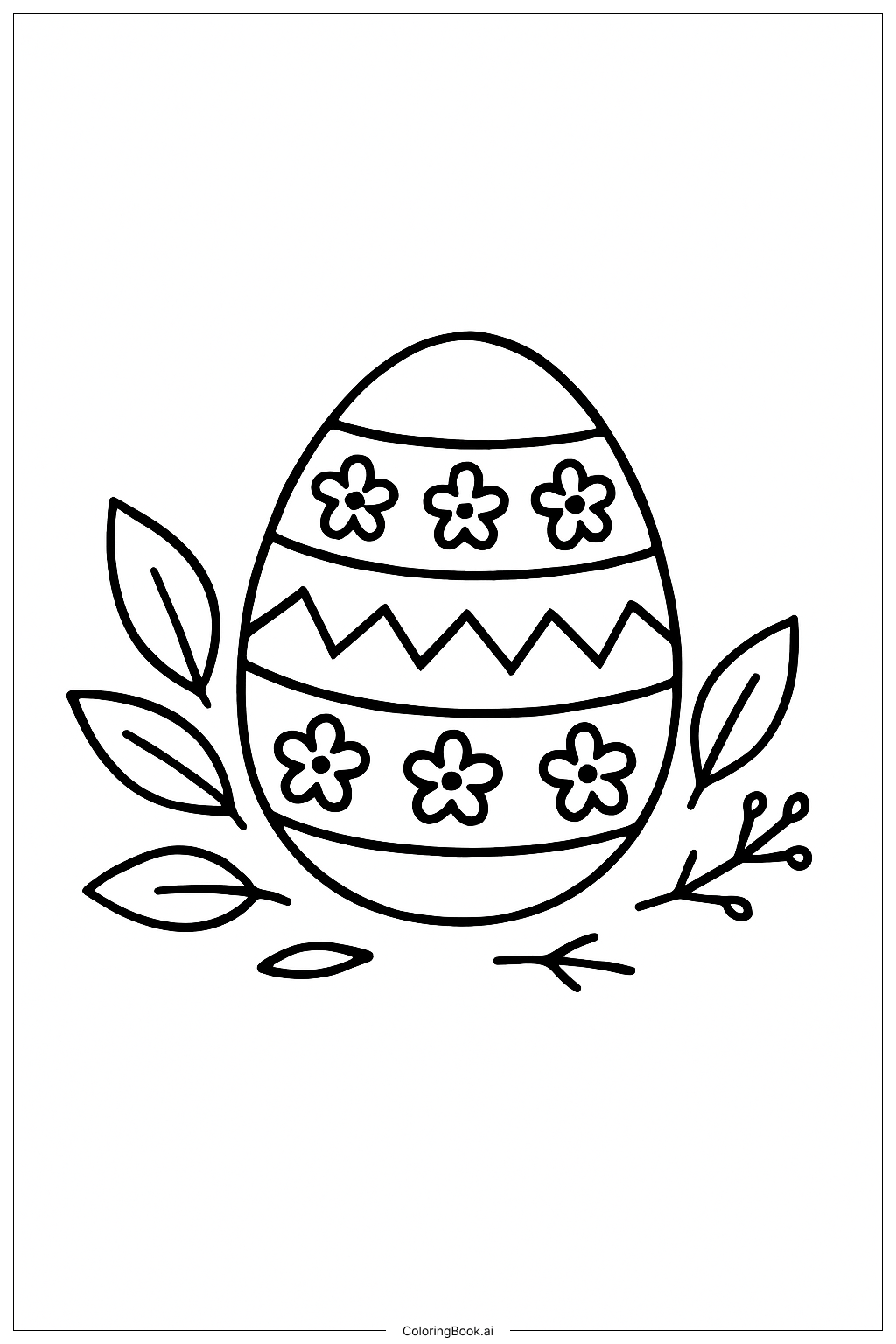
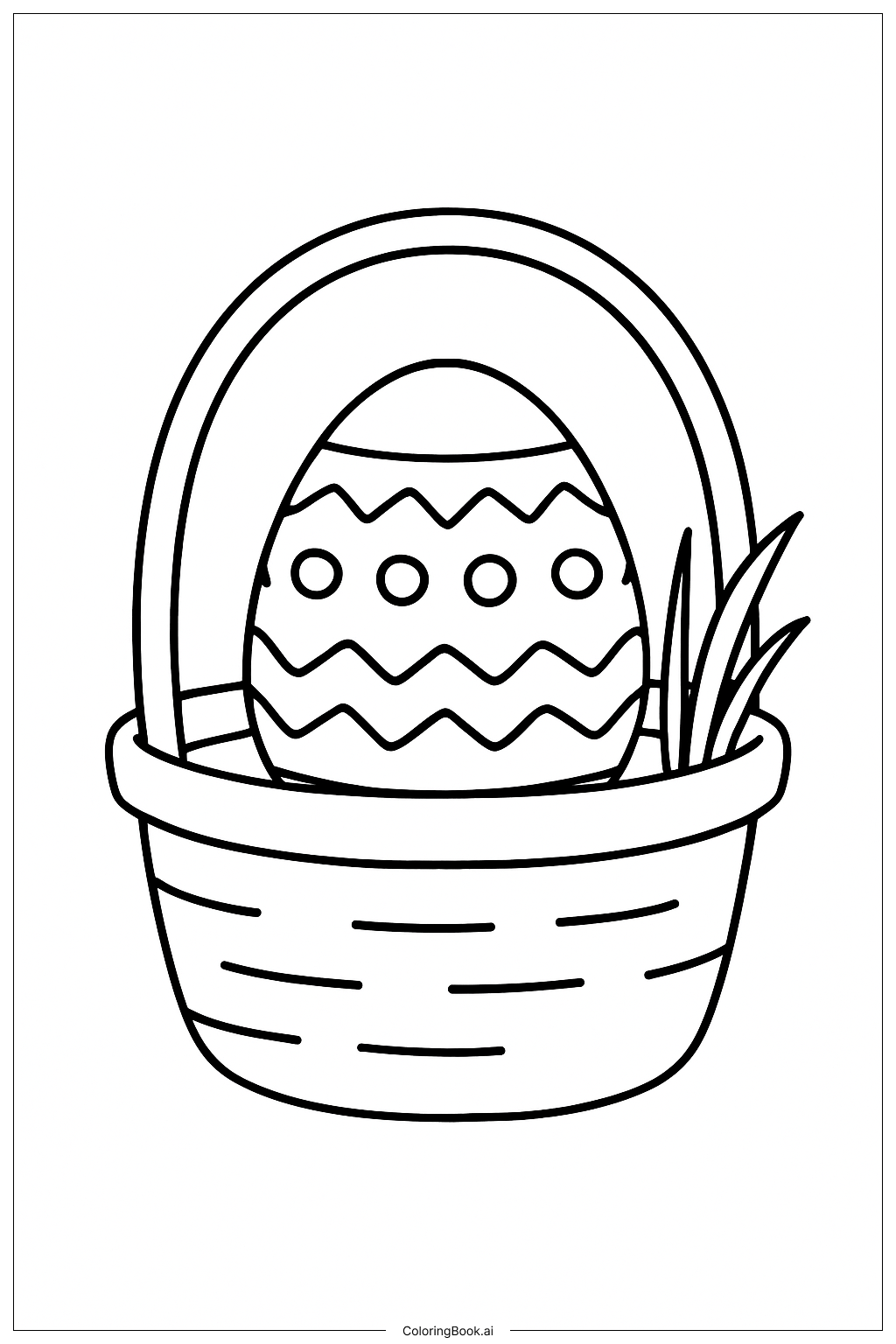
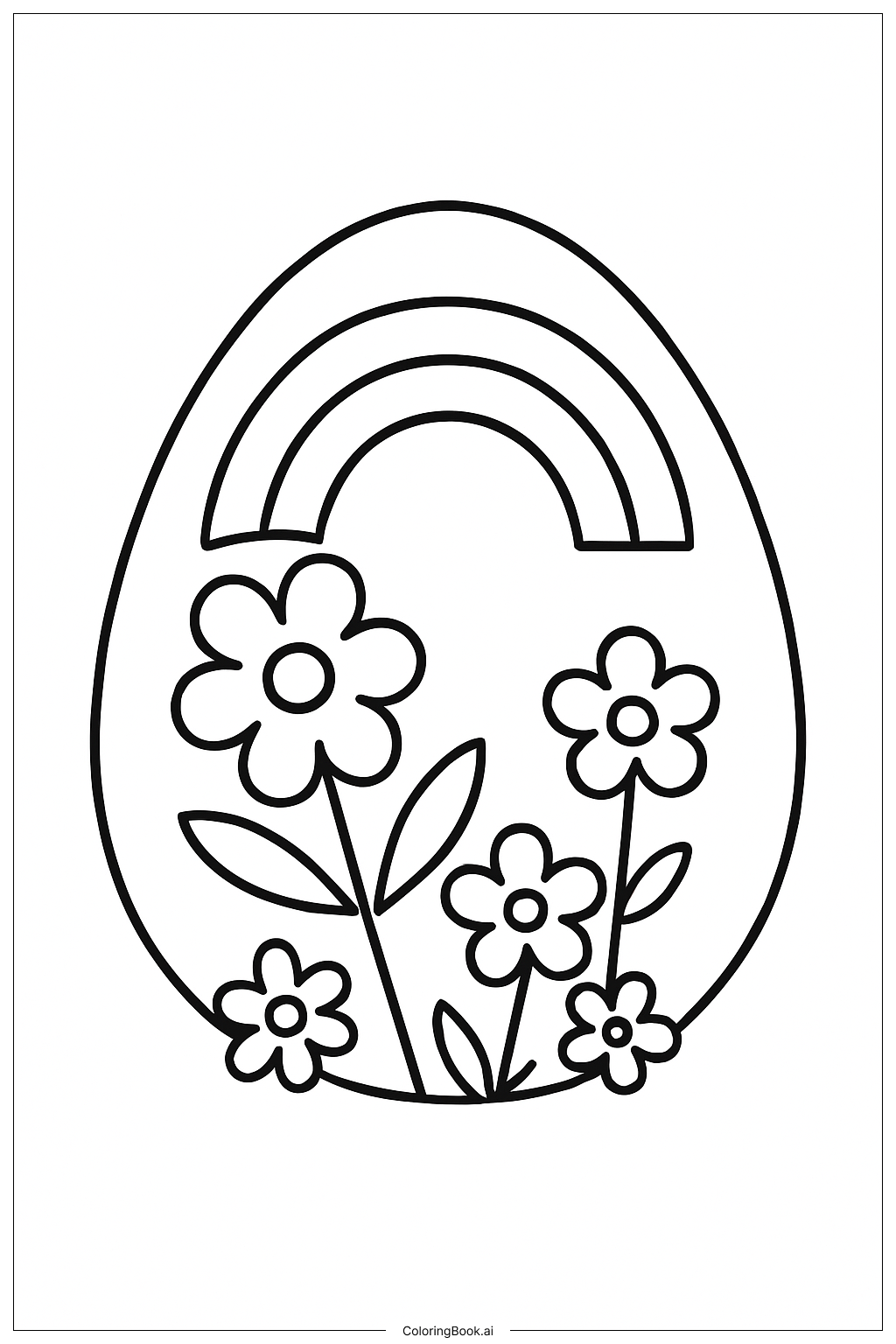
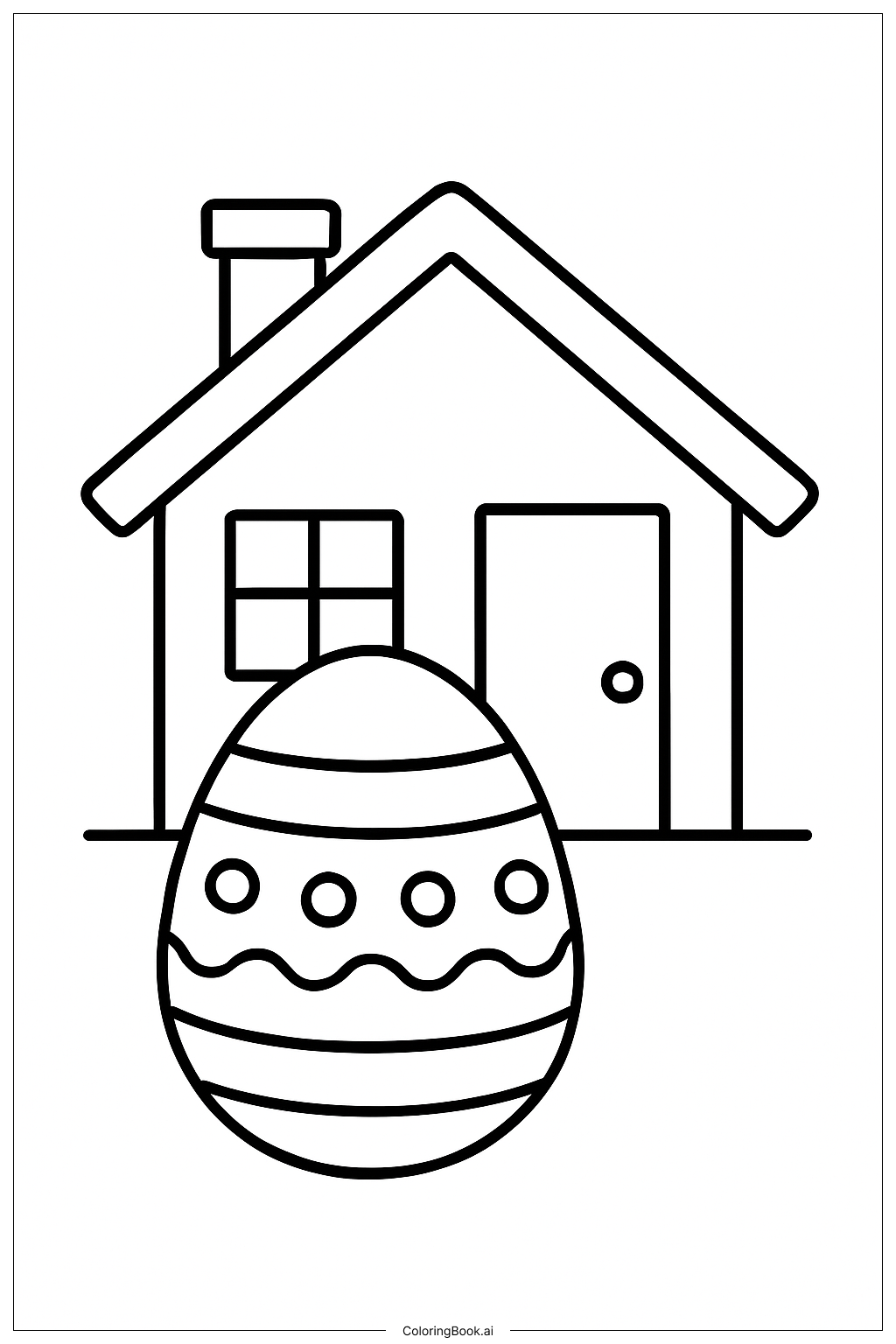
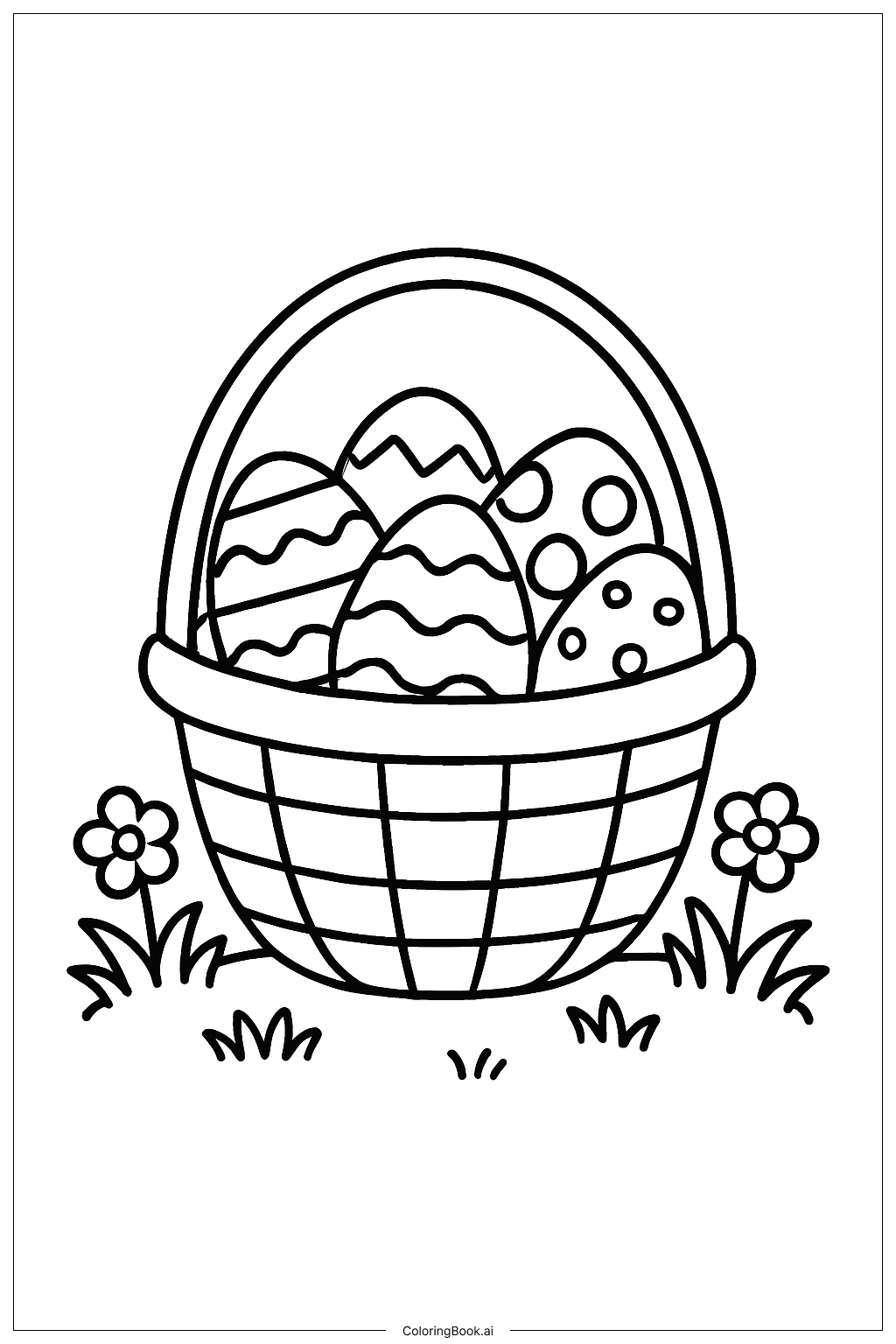
For the basket, you might use shades of brown or tan to create a realistic woven look. The eggs can be colored in bright shades like pink, blue, yellow, and green. Consider adding fun patterns, like swirls or polka dots, to some eggs for a playful effect. The flowers can be filled with vibrant colors like red, purple, and orange, while the grass can be colored in various shades of green to give a lively feeling. Feel free to mix and match colors to make the scene unique!
Coloring challenges: Which parts are difficult to color and need attention for Easter Egg Garden Basket coloring page?
1. Basket Texture: The woven design of the basket may be tricky to color. Kids should be careful to follow the lines to achieve a realistic look. Using light and dark shades will also help to create depth. 2. Complex Patterns on Eggs: The various patterns on the eggs require fine motor skills. Children may need extra precision when coloring tiny dots or lines to keep the designs clear. 3. Overlapping Elements: The flowers and grass around the basket can overlap. It may be challenging to determine which colors should go where without smudging other areas. Using a careful technique will help. 4. Vibrant Color Balance: It's essential to choose colors that complement each other. Kids might struggle to find the right combinations that look good together without overwhelming the scene. 5. Staying Inside the Lines: Some sections, particularly around the intricate details, might be difficult. Kids should practice steady hands to ensure they keep their coloring neat and within the lines.
Benefits of coloring books: Advantages of drawing Easter Egg Garden Basket coloring page
Coloring this Easter basket page has many benefits for children. It encourages creativity, allowing kids to express their ideas through color choices. This activity also helps improve fine motor skills as they practice controlling crayons or markers. By selecting colors, children learn about color theory and how different shades can change the look of objects. Coloring can also be a relaxing activity, reducing stress and stimulating focus. Lastly, it offers a sense of accomplishment when completed, boosting confidence in their artistic abilities.