Coloring tips: How to color Earth and Recycling Bin coloring page well?
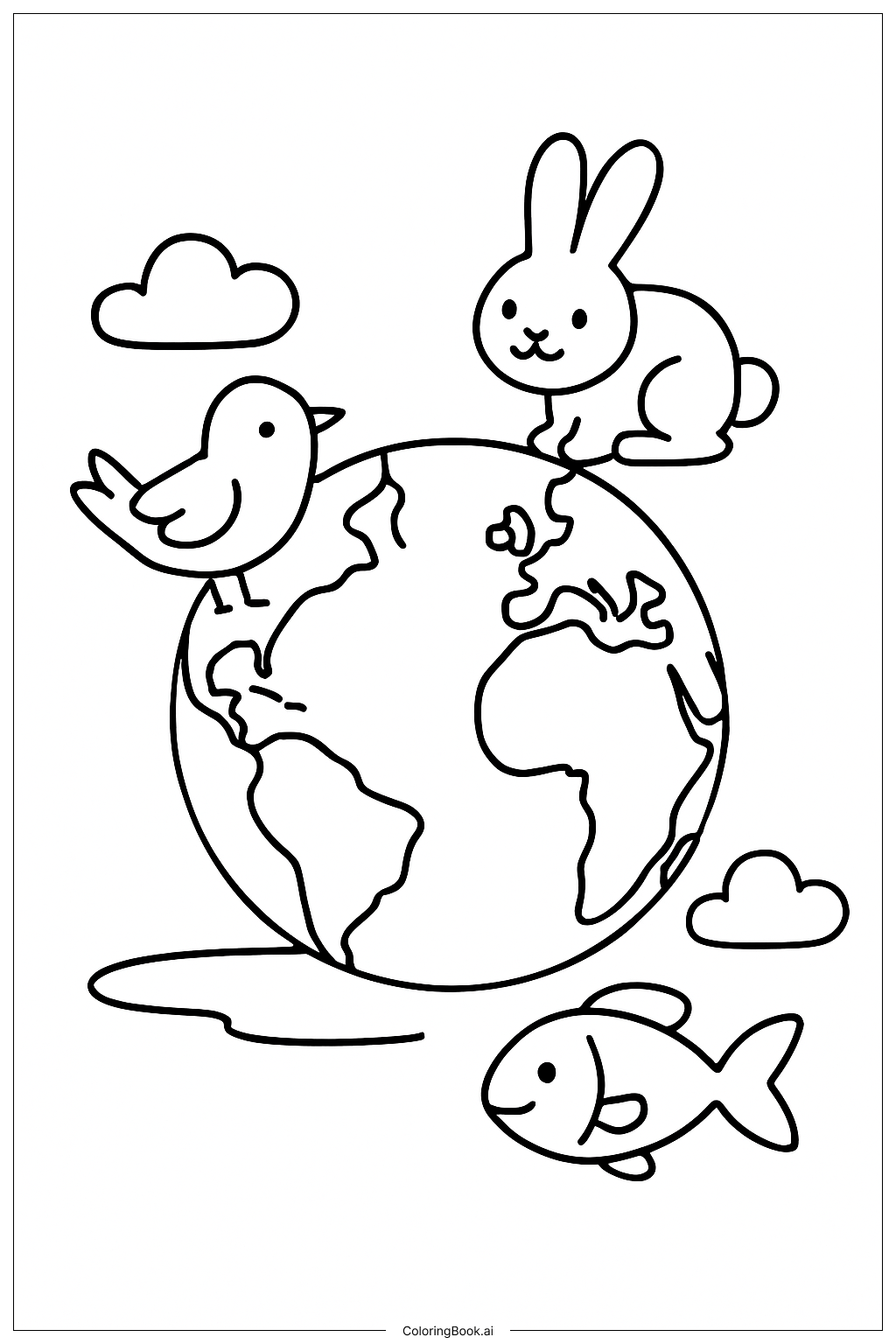
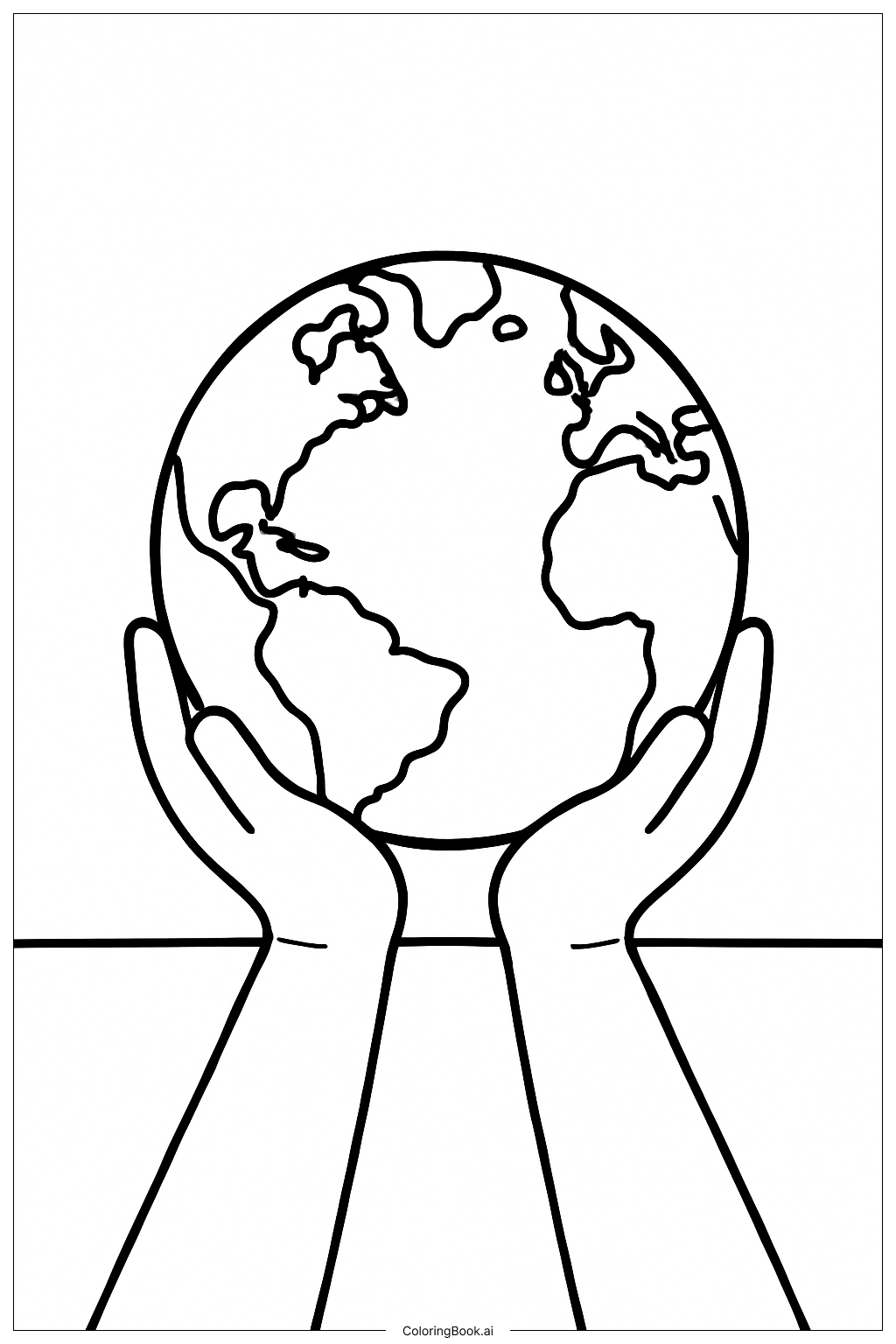
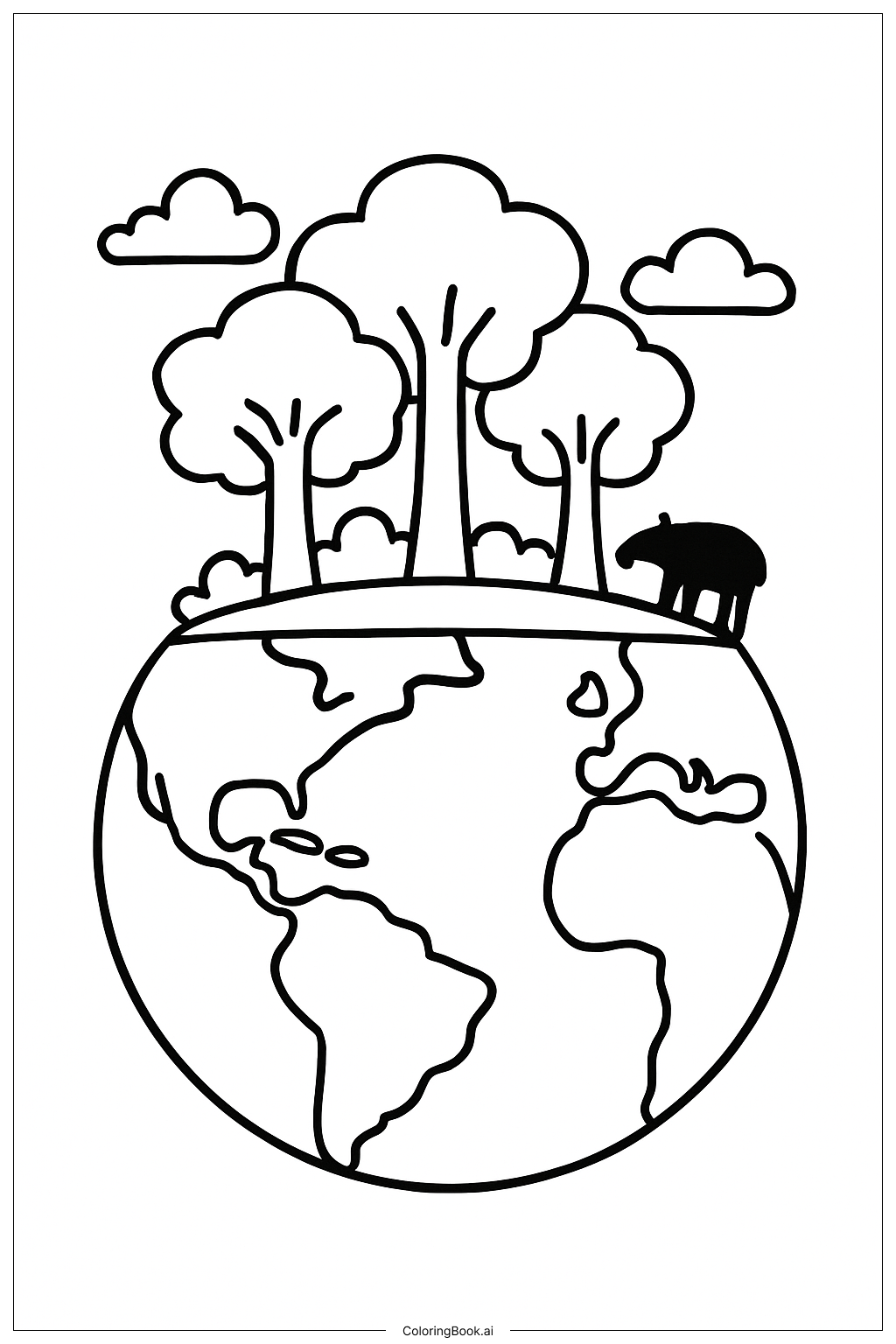
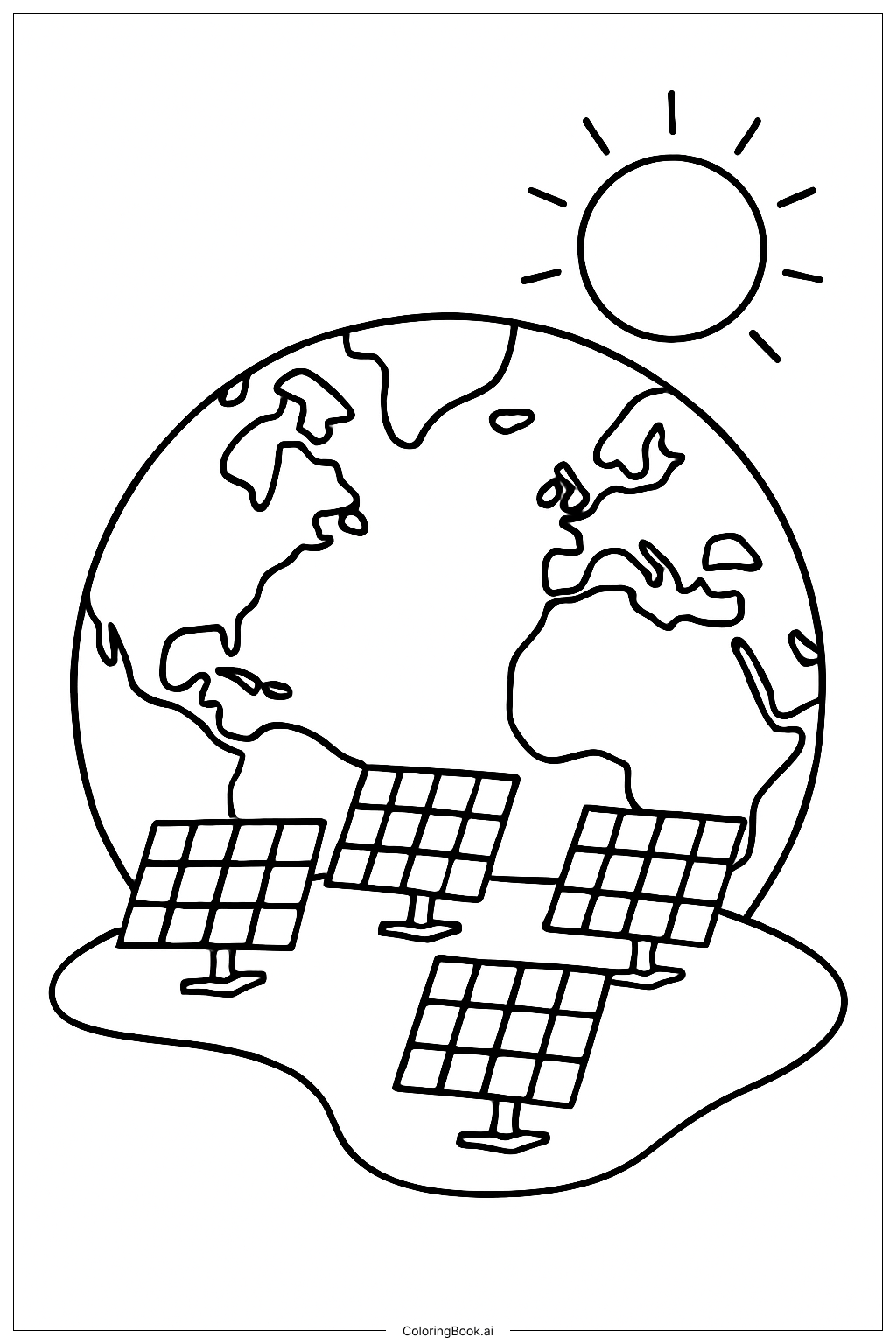
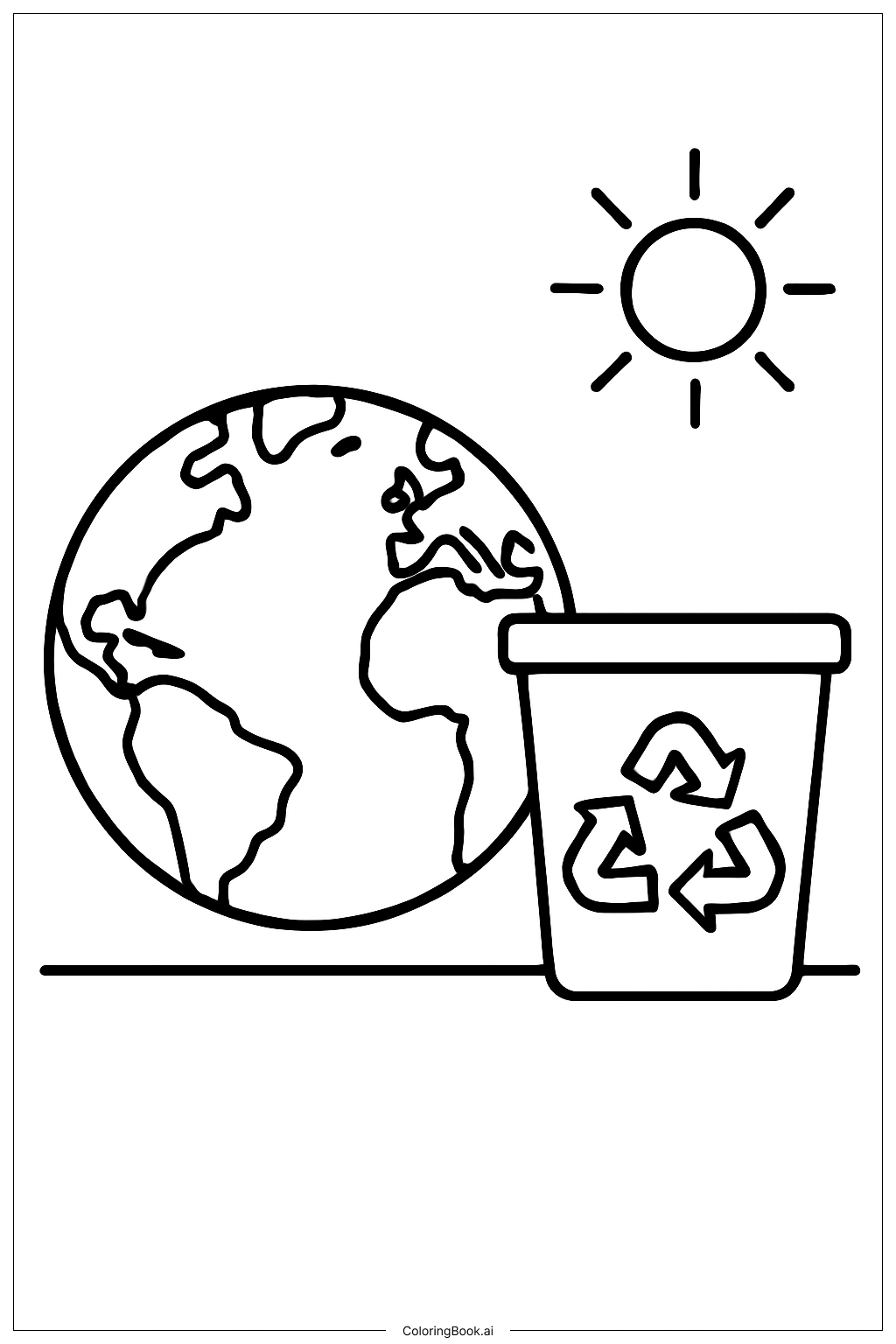
When coloring the Earth, use blue for the oceans and green for the continents. You can add shades of brown for land areas to give it depth. For the recycling bin, bright colors like green or blue can show its importance in caring for the environment. The sun can be colored bright yellow or orange to make it stand out. You can even use glitter or metallic colors for a special touch. Feel free to get creative with colors, mixing and matching shades for a vibrant piece of art!
Coloring challenges: Which parts are difficult to color and need attention for Earth and Recycling Bin coloring page?
1. Coloring the Earth can be tricky. Make sure to stay within the lines when coloring the continents and oceans. It might be hard to keep the colors from mixing, especially if using watercolors. 2. The recycling bin has small details, like the recycle symbol. It can be challenging for younger kids to color these intricate shapes neatly. 3. Blending colors for the sun and Earth can be difficult. Younger kids might find it hard to transition between different shades. 4. Picking the right colors to represent ocean, land, and recycling can be confusing. Kids may not know the best colors to use. 5. If using markers or crayons, ensuring the colors don’t bleed into one another can be a challenge, especially on thinner paper.
Benefits of coloring books: Advantages of drawing Earth and Recycling Bin coloring page
Coloring this page offers many benefits for children. First, it helps improve fine motor skills as kids learn to control their coloring tools. Second, coloring promotes creativity as kids can choose unique color combinations. It encourages them to express their feelings about the earth and recycling. Third, this activity teaches kids about environmental concepts, reinforcing the importance of taking care of our planet. Finally, coloring can be a relaxing activity that reduces stress and promotes focus. Overall, it's fun and educational!