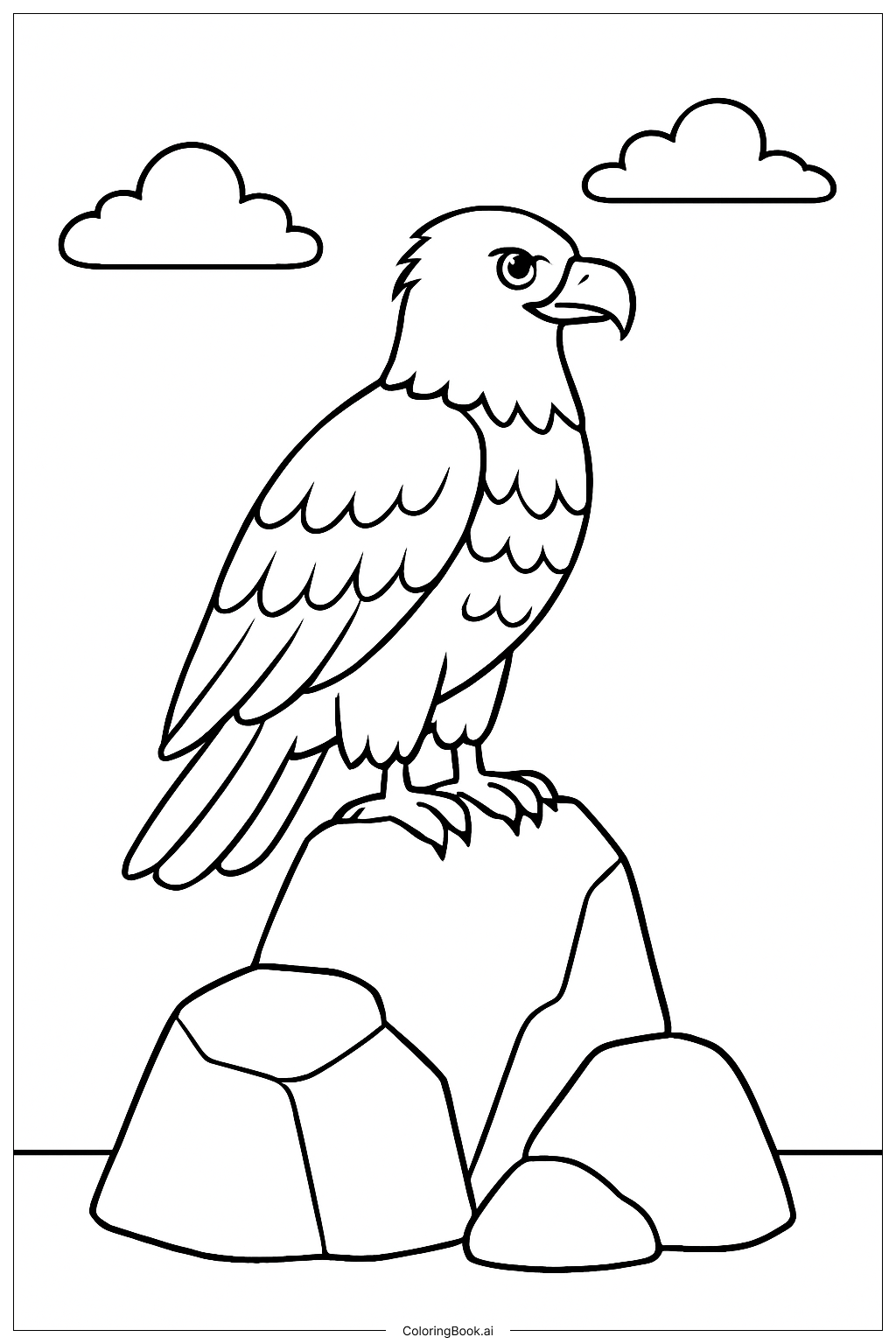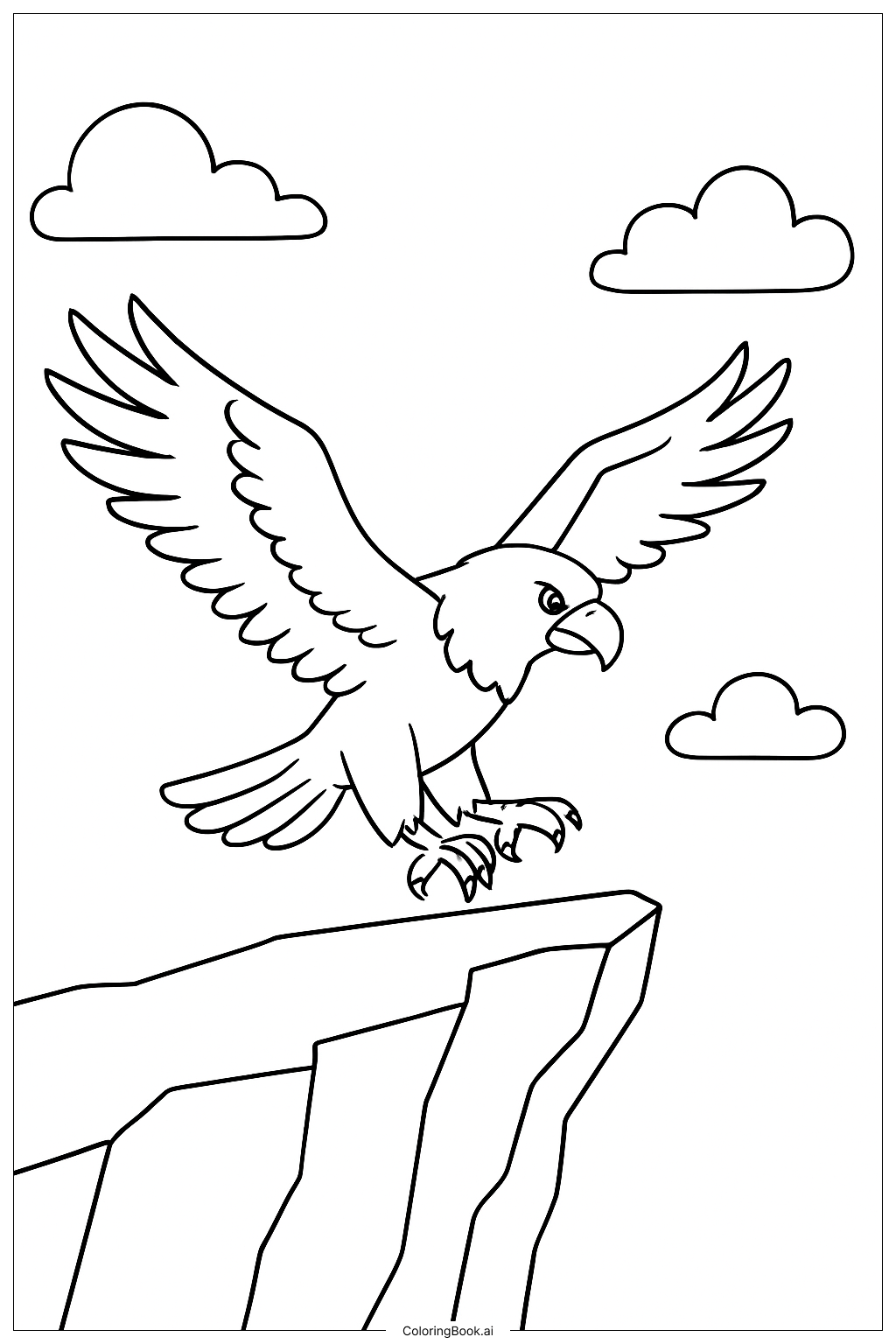
Coloring tips: How to color Eagle Landing On Cliff coloring page well?
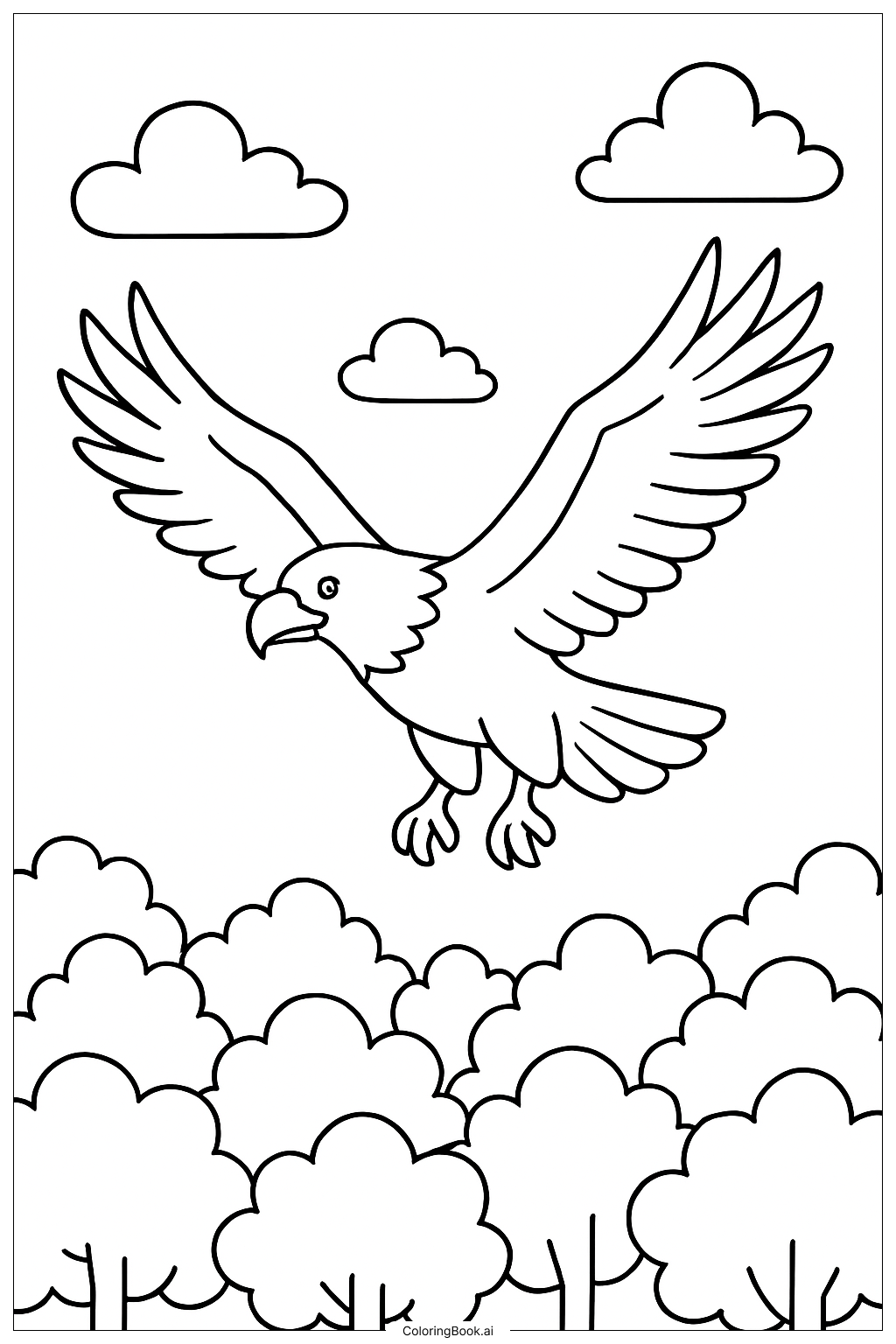
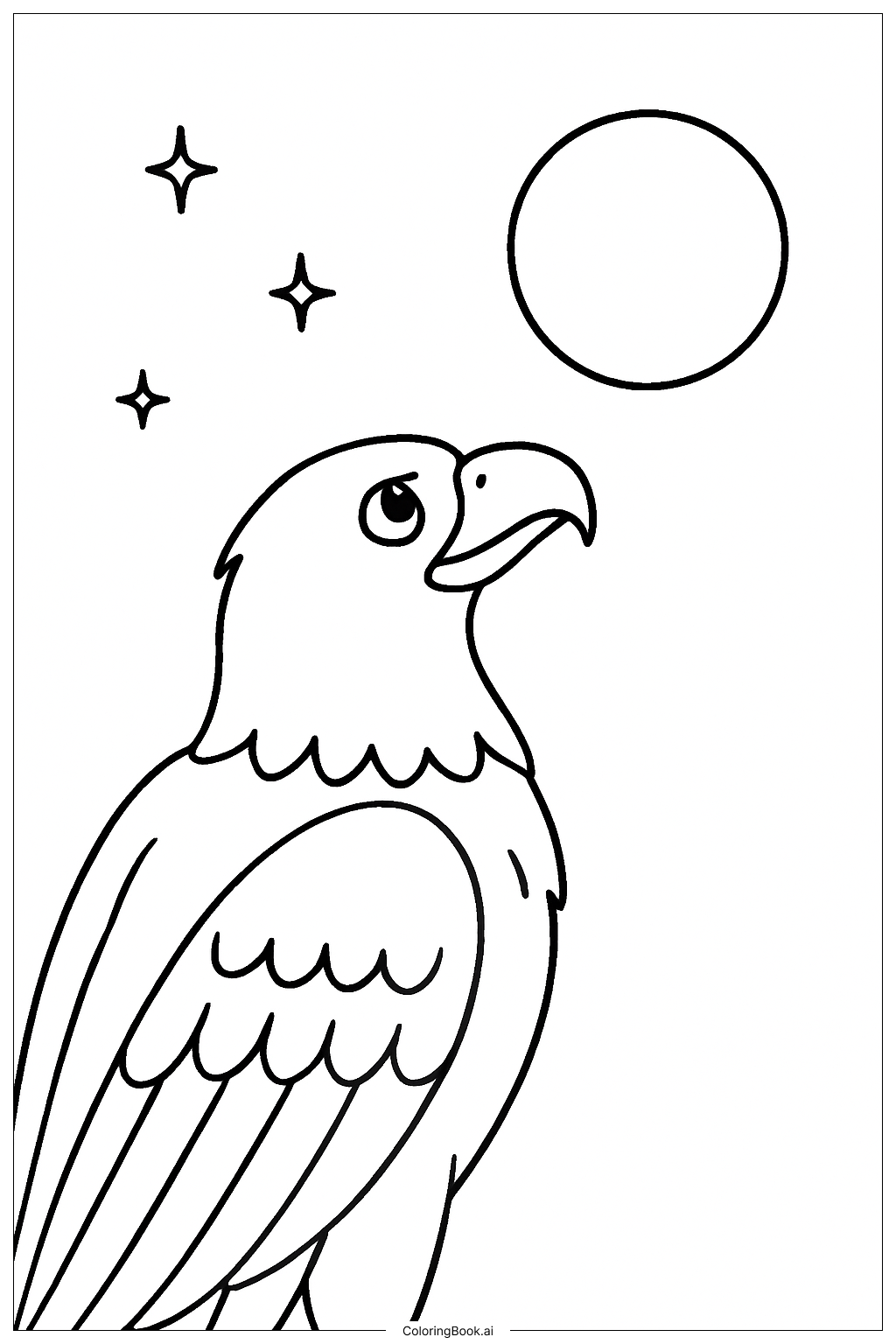
For the eagle, you might want to use a mix of browns and whites to highlight its feathers. Adding shades of yellow or gold to the beak can make it stand out. The cliff can be colored in gray tones, with hints of green for moss or grass. Blue or light blue can be a great choice for the sky, creating a contrast with white clouds. Encourage creativity by allowing different colors for the clouds and cliff, making the scene unique!
Coloring challenges: Which parts are difficult to color and need attention for Eagle Landing On Cliff coloring page?
1. **Wing Feathers**: The eagle's wings have many feathers that may be hard to color. Kids need to pay attention to detail and color each feather carefully to show texture. 2. **Shading**: Creating depth in the eagle's body can be tricky. Using lighter and darker shades of the same color can help, but it requires practice. 3. **Cliff Edges**: The sharp angles of the cliff may be challenging. Children must stay within the lines and choose colors that complement each other. 4. **Clouds**: Blending colors for clouds can be difficult. Kids can experiment with white and light blue to achieve a fluffy look. 5. **Overall Composition**: Balancing colors throughout the image is important. Too many bright colors may clash, while too few may look dull, making it essential to plan their color choices.
Benefits of coloring books: Advantages of drawing Eagle Landing On Cliff coloring page
Coloring this eagle scene can be very beneficial for children. It enhances their fine motor skills as they control the crayons or colored pencils. This activity also promotes creativity, allowing kids to use their imagination and experiment with color combinations. Coloring can be a calming experience, helping to reduce stress and anxiety. It encourages focus and concentration, as children work on staying within the lines and choosing the right colors. Lastly, it can spark curiosity about nature and wildlife, teaching them about eagles and their habitats.