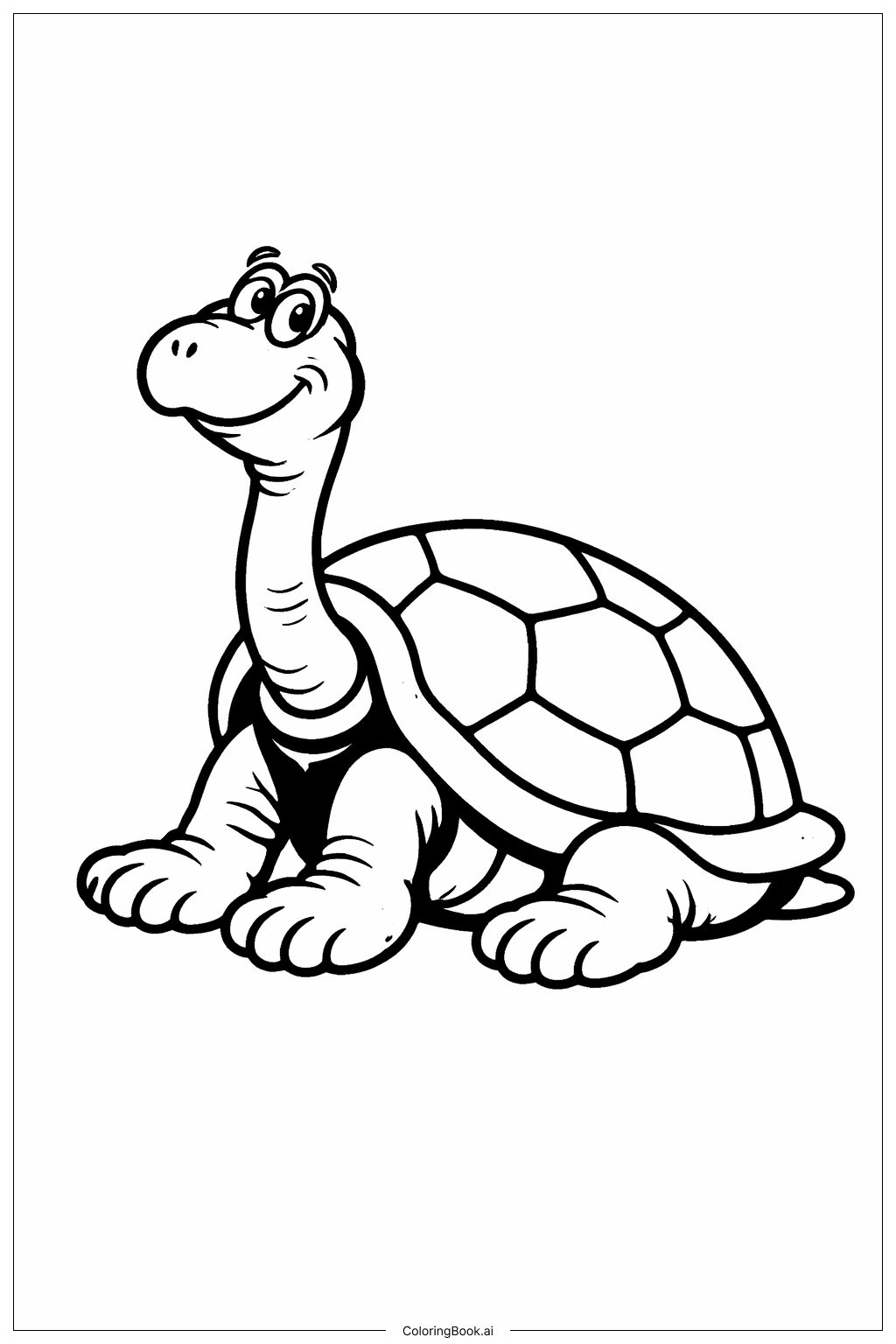
Coloring tips: How to color Dr Seuss Yertle The Turtle coloring page well?
Use green tones for the turtle’s body to make it look like a real turtle. The shell can be colored with brown, yellow, or orange shades for a warm effect. You can add some light green for the turtle’s neck and legs where there are wrinkles to give it a soft look. Use darker colors to fill in the spaces between the shell plates for depth. Don’t forget to color the eyes with white and black to give the turtle a lively expression. Try using crayons or colored pencils for smooth shading. You can also get creative and use bright colors if you want a fun, fantasy-style turtle.
Coloring challenges: Which parts are difficult to color and need attention for Dr Seuss Yertle The Turtle coloring page?
1. The shell has many sections that need careful coloring inside the lines. It requires some patience and control.
2. The turtle’s neck and legs have wrinkles that can be tricky to color without going outside the lines.
3. Making the eyes look lively with the small details like pupils and reflections takes extra care.
4. The thick black outlines around the turtle can make shading harder, as you need to avoid crossing these lines.
5. Balancing colors to make the turtle look natural but fun can be a challenge, especially for younger kids.
Benefits of coloring books: Advantages of drawing Dr Seuss Yertle The Turtle coloring page
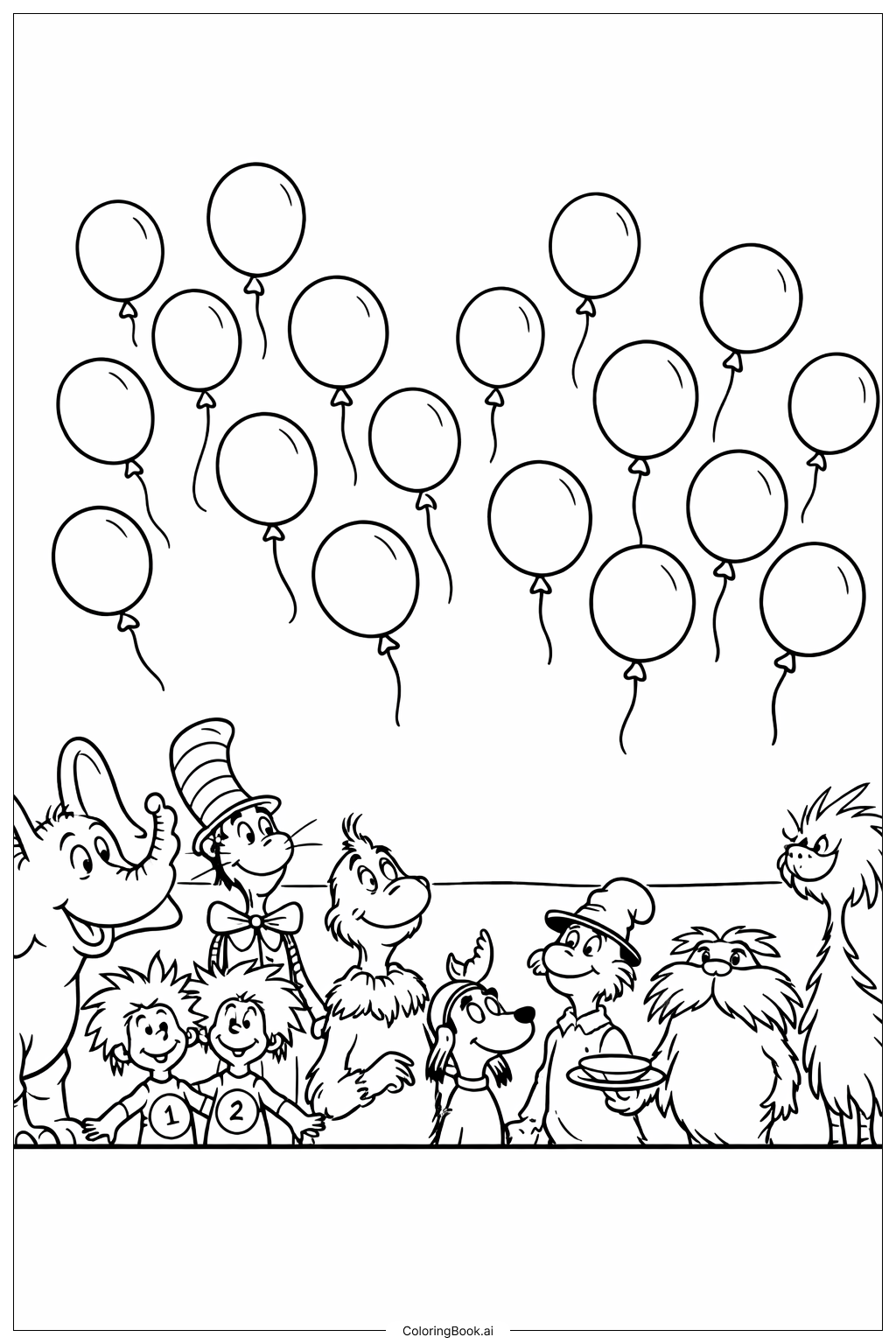
Coloring this turtle helps improve fine motor skills because kids need to color within the lines carefully. It encourages creativity when choosing colors, whether natural or imaginative. The turtle’s friendly face makes coloring fun and can boost mood and focus. Completing the picture gives a sense of achievement and helps develop hand-eye coordination. It also introduces children to Dr. Seuss’s characters, adding educational value to the activity.