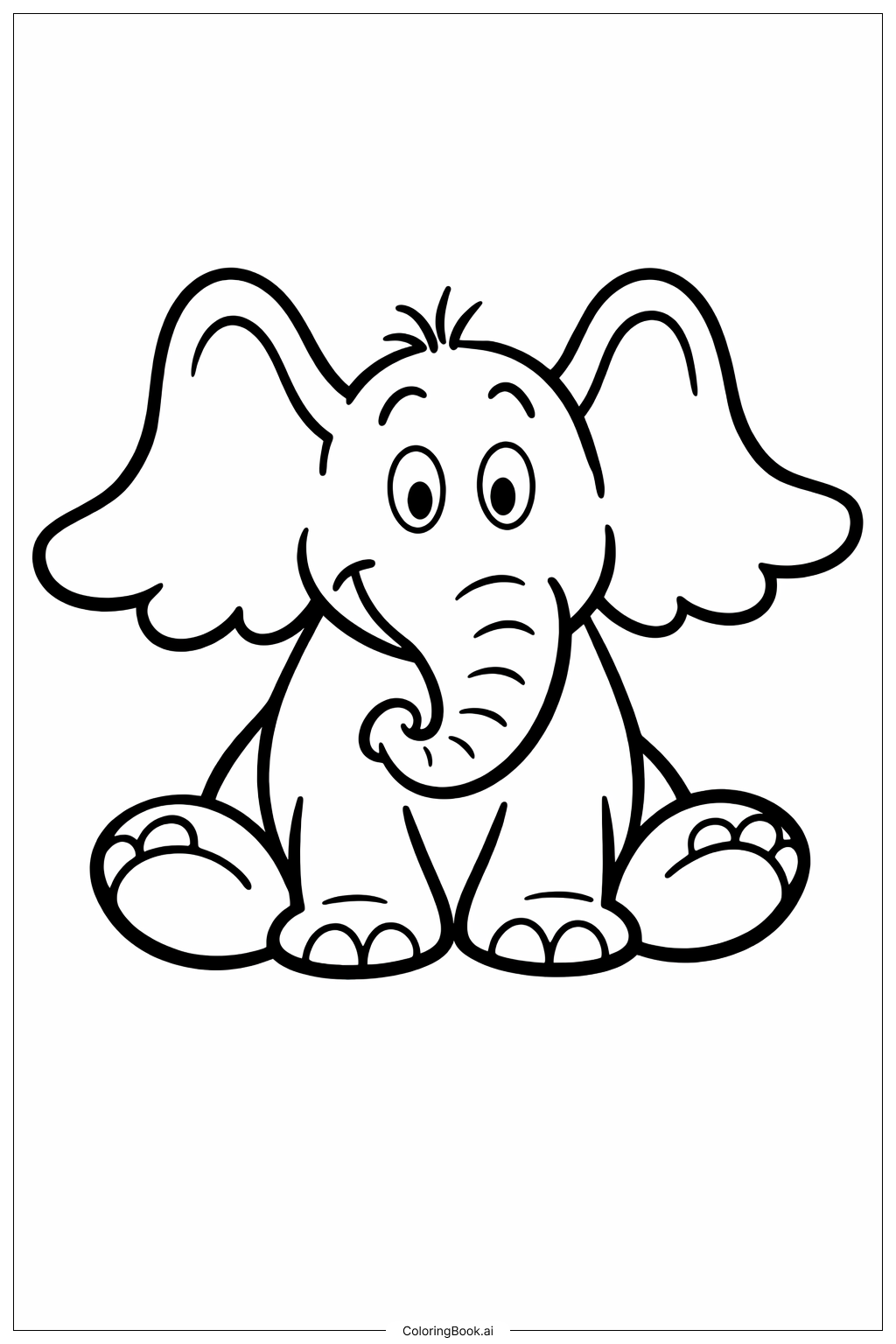
Coloring tips: How to color Dr Seuss Horton The Elephant coloring page well?
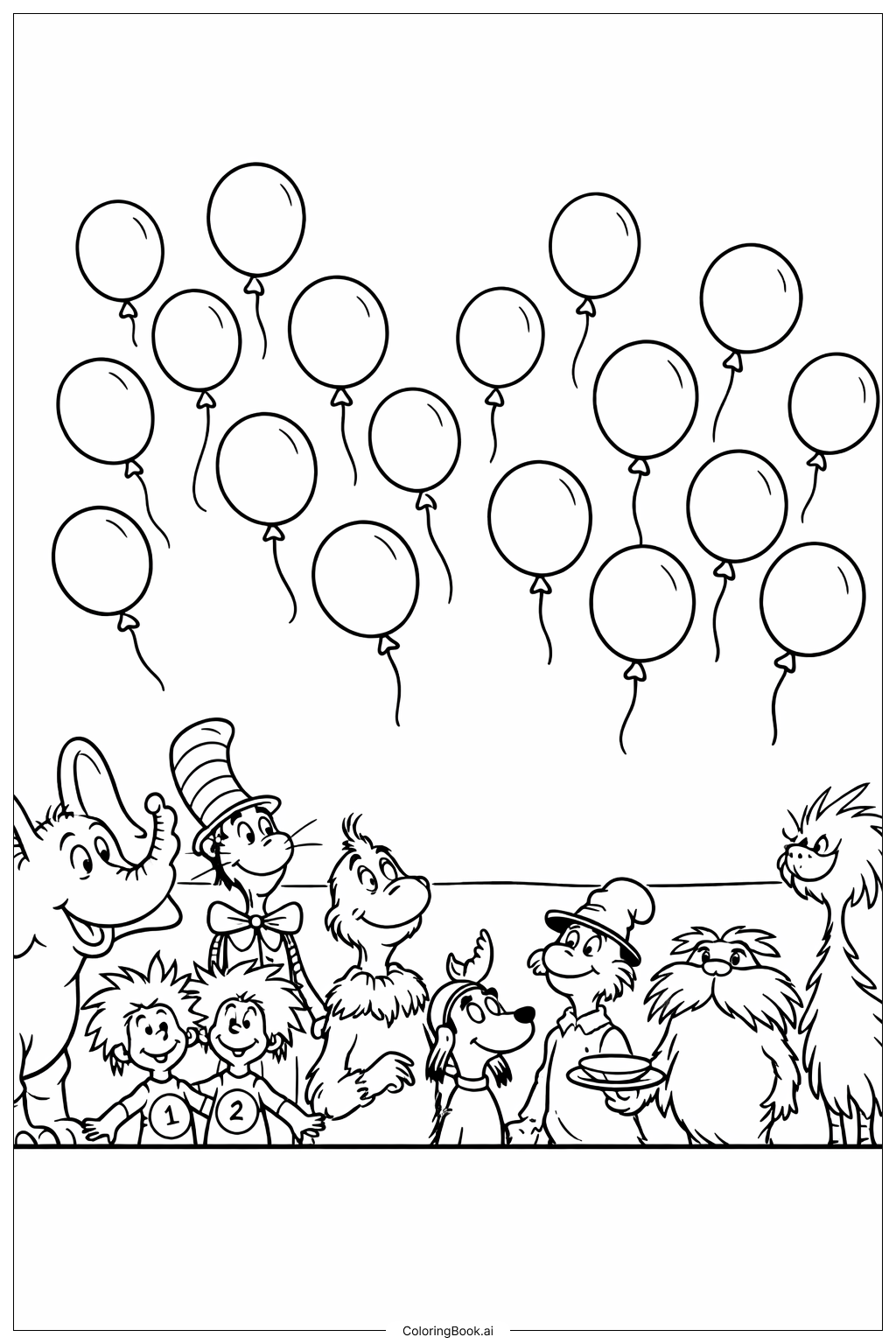
For coloring Horton, you can use soft gray or light blue for the skin to make him look gentle. The ears can be colored a bit lighter than the body to add some contrast. Use pink or light purple inside the ears and on the toes to add some fun detail. The eyes should be colored white with black pupils to make them stand out. Feel free to add some shading around the trunk and feet to give him depth. You can also color the small hair on top of his head a darker shade to make it pop. Try using crayons or colored pencils for smooth coloring.
Coloring challenges: Which parts are difficult to color and need attention for Dr Seuss Horton The Elephant coloring page?
1. Large Areas: Coloring big parts of Horton's body smoothly without streaks can be hard for young children. 2. Ears Shape: The ears have many curves, so it requires careful coloring within the lines. 3. Small Details: The toes and the hair on top of the head are small areas that require precision. 4. Shading: Adding shadows for a 3D effect can be tricky for beginners. 5. Color Blending: Using multiple colors to create a soft look may require advanced skills.
Benefits of coloring books: Advantages of drawing Dr Seuss Horton The Elephant coloring page
Coloring Horton helps children practice careful hand movements and improves focus. It encourages creativity as they choose their own colors and learn to blend shades. This activity also helps them understand attention to detail, especially with Horton’s ears and small features. Coloring can be relaxing and fun, boosting confidence when children finish the picture. It connects them to Dr. Seuss stories, making reading and art more enjoyable.