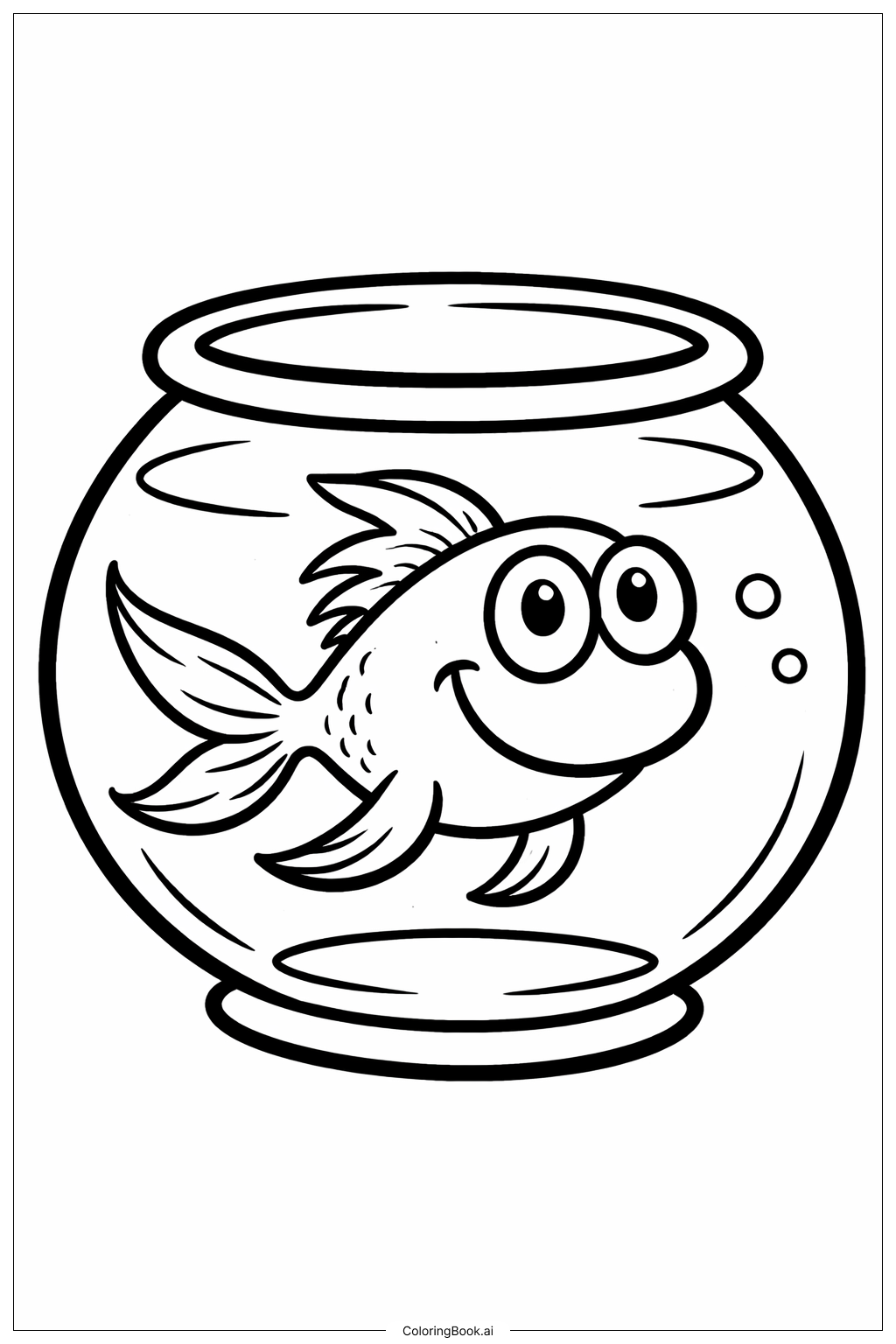
Coloring tips: How to color Dr Seuss Fish In Bowl coloring page well?
Use bright and fun colors for the fish to make it stand out. You can choose colors like orange, yellow, or blue for the fish’s body. For the fins and tail, try using lighter or different shades to add depth. Color the bubbles with light blue or leave them white to look shiny. The fishbowl can be colored with very light blue or leave it almost clear, with a little shading to show the glass effect. Don’t forget to color the water softly inside the bowl. You can also add a colorful background to create a playful environment around the bowl.
Coloring challenges: Which parts are difficult to color and need attention for Dr Seuss Fish In Bowl coloring page?
1. Coloring the fishbowl can be tricky because you want to show that it is made of glass. Using light blue shades and leaving some areas uncolored helps create this see-through effect. 2. The fish’s large eyes need careful coloring to keep their cheerful look. Make sure not to cover the shiny white spots that give the eyes life. 3. The small scales on the fish’s body are tiny and may be hard for younger children to color inside neatly. 4. Coloring the bubbles can be difficult because they need to look light and transparent. Using light colors or leaving parts white can help. 5. The water inside the bowl should be colored softly to avoid making the image look too dark or heavy.
Benefits of coloring books: Advantages of drawing Dr Seuss Fish In Bowl coloring page
Coloring this picture helps children practice fine motor skills as they fill small spaces like the fish’s fins and scales. It encourages creativity by choosing different colors and blending shades for the fish and water. Kids can learn about light and transparency by trying to color the glass bowl realistically. This activity also promotes concentration and patience while coloring the detailed parts. Plus, it’s a fun way to connect with the imaginative world of Dr. Seuss.