Coloring tips: How to color Turtle Doodle coloring page well?
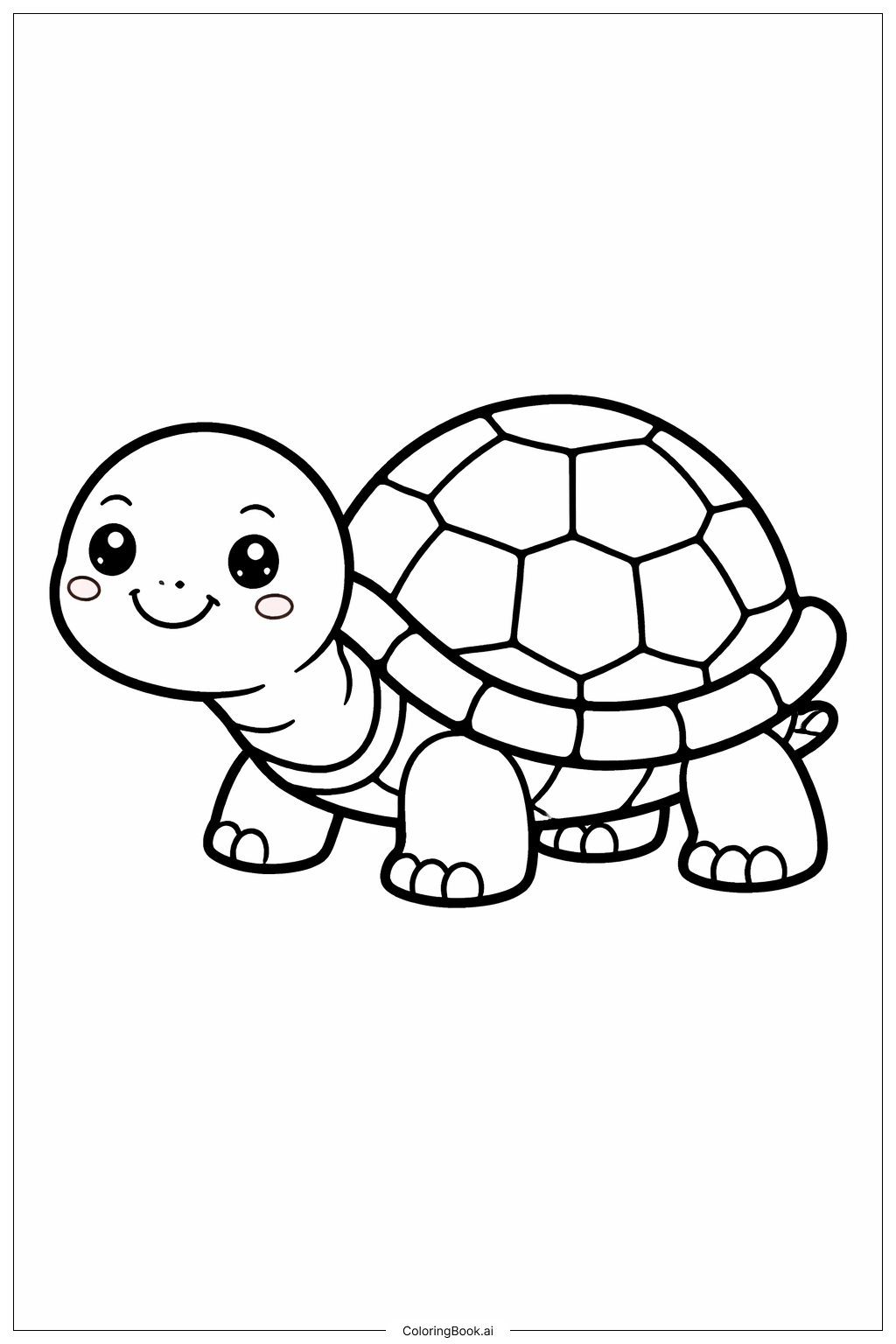
Start with the shell, since it has the most detail. Pick a main color like green or brown for the shell's border and outline. Then use different colors for each section inside the shell — try yellows, oranges, and light blues to make each patch stand out. For the body, legs, and head, use a soft green or teal. The eyes can be colored black with a tiny white dot to add a sparkle. Use bright colors like pink, purple, or red for the flowers and swirls on the shell. For the background details like stars and dots, try gold or silver. Don't be afraid to mix warm and cool colors together — it makes the turtle look lively and fun. Take your time with the small sections inside the shell. Light-colored pencils or fine-tip markers work best for the tiny spaces.
Coloring challenges: Which parts are difficult to color and need attention for Turtle Doodle coloring page?
• Shell Pattern Complexity: The turtle's shell is divided into many small geometric sections, each filled with its own unique doodle pattern such as swirls, crosshatches, and flower shapes. Staying inside the tiny lines without smudging requires a steady hand and a fine-tipped coloring tool. Beginners may find it tricky to keep each section neat and clean.
• Color Coordination Across Sections: Because the shell has so many separate patches, choosing colors that look good together while keeping each section distinct is a real challenge. Using too many similar shades can make the design look flat, while clashing colors may feel overwhelming. Planning a color palette before starting helps avoid this problem.
• Small Decorative Details: The tiny stars, dots, and leaf shapes scattered around the turtle are very small. Coloring these without going outside the lines takes patience and precision. Fine-tipped markers or sharpened pencils are strongly recommended for these areas.
• Blending Body and Shell Colors: Making sure the turtle's body color complements the colorful shell without looking too plain or too busy is a subtle challenge. The head, legs, and tail need to feel like part of the same creature, so choosing a body color that works with the shell palette is important.
• Maintaining Consistent Pressure: When using colored pencils, applying even pressure throughout the many small sections can be tiring. Uneven strokes may leave patchy areas that disrupt the overall look of the finished piece. Taking breaks and working slowly keeps the coloring smooth and even.
Benefits of coloring books: Advantages of drawing Turtle Doodle coloring page
Coloring this Turtle Doodle page offers a wide range of benefits for kids and older colorists. The intricate shell patterns help build fine motor skills as children practice controlling their coloring tools within small, detailed spaces. This kind of focused work also strengthens hand-eye coordination over time. The creative freedom of choosing colors for each shell section encourages artistic thinking and self-expression. Kids learn to make decisions, experiment with color combinations, and develop their own sense of style. The repetitive, rhythmic nature of filling in patterns is also deeply calming. It helps reduce stress and anxiety, making it a great quiet-time activity after a busy day. For younger children, naming the shapes and patterns on the shell can even support early learning in geometry and vocabulary. Older kids and adults benefit from the mindfulness aspect — focusing on each small detail keeps the mind present and relaxed. Completing the full page also gives a strong sense of accomplishment and boosts confidence. Whether done alone or as a group activity, this turtle doodle page is a fun, enriching experience for all ages.