Coloring tips: How to color Sun Face Doodle coloring page well?
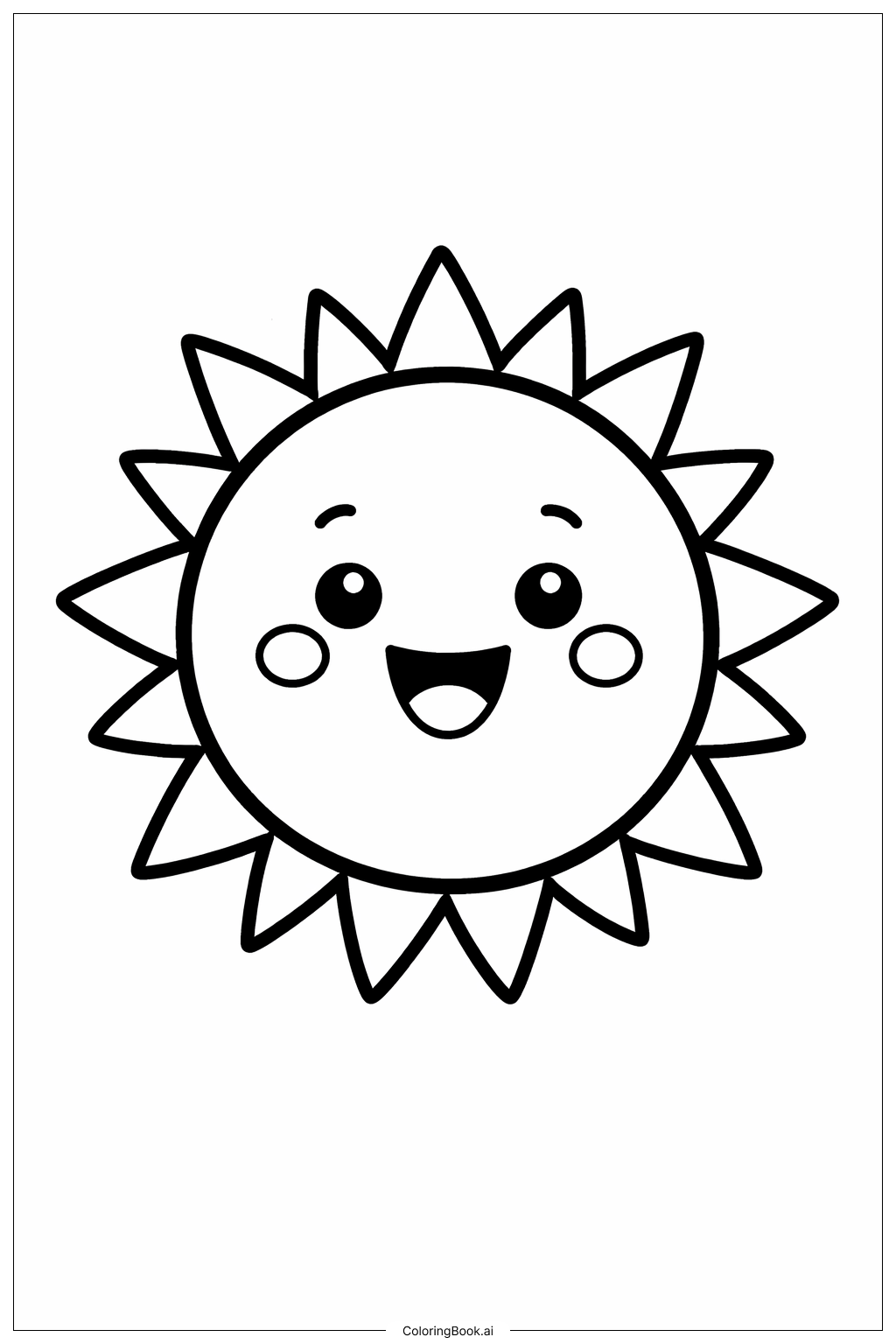
Start with the sun's face. Use a warm yellow or golden tone for the main circular face. Add a soft peach or tan shade for the skin area. Color the eyes bright blue or deep brown, and fill the cheeks with a light pink blush. Use a rich orange or amber for the sun's rays to make them pop. For the wavy rays, try alternating between yellow and orange to create depth and variety. The decorative doodle details between the rays are great spots for fun accent colors like red, purple, or turquoise. Keep the background simple — a light sky blue or pale gradient works beautifully. Don't be afraid to mix warm and cool tones together. The goal is to make the sun look bright, happy, and full of energy. Use colored pencils for fine doodle details, and markers or crayons for filling in the larger ray sections.
Coloring challenges: Which parts are difficult to color and need attention for Sun Face Doodle coloring page?
• Tiny Doodle Details: The small swirls, dots, and star patterns scattered between the rays are very intricate. Coloring these without going outside the lines requires a fine-tipped tool, such as a thin colored pencil or a fine-liner marker. Young children may find this part tricky and may need extra patience.
• Ray Variation and Blending: The sun has both wavy and straight rays radiating outward. Keeping each ray consistently colored while also adding visual variety through shading or alternating colors is a challenge. Blending two tones smoothly along a single ray demands steady control and practice.
• Face Proportions and Symmetry: The facial features — eyes, nose, cheeks, and smile — sit close together in a round space. Applying color evenly without smudging one feature into another requires careful attention, especially around the small nose and curved mouth area.
• Cheek Blush Effect: Creating a natural, soft blush on the cheeks means applying color lightly and gradually building up the tone. Using too much pressure too quickly can result in a harsh, unnatural patch of color rather than a gentle glow.
• Background Contrast: Choosing the right background color to contrast with the bright yellow and orange sun is harder than it looks. A poorly chosen background can make the sun appear washed out or too dark. Testing colors on a scrap piece of paper before committing to the page is strongly recommended.
Benefits of coloring books: Advantages of drawing Sun Face Doodle coloring page
Coloring this Sun Face Doodle page offers a wide range of benefits for kids of all ages. The cheerful, expressive face at the center of the sun naturally lifts the mood and brings a sense of joy and warmth to the coloring experience. Working through the intricate doodle patterns between the rays helps build fine motor skills and strengthens hand-eye coordination. Children practice careful, precise movements as they navigate the small details — a skill that supports handwriting and other everyday tasks. Choosing which colors to use for the rays, face, and decorative accents encourages creative thinking and builds color awareness. Kids learn about warm color palettes and how different shades work together to create a cohesive, vibrant image. The focused nature of the activity also promotes mindfulness and concentration, helping children settle into a calm, productive state. Completing the page gives a strong sense of accomplishment and boosts self-confidence. For older kids, the challenge of blending and shading adds an artistic dimension that develops more advanced coloring techniques. Overall, this page is a fun, rewarding, and genuinely enriching activity for Boys and Girls alike.