Coloring tips: How to color Ocean Reef Doodle Panorama coloring page well?
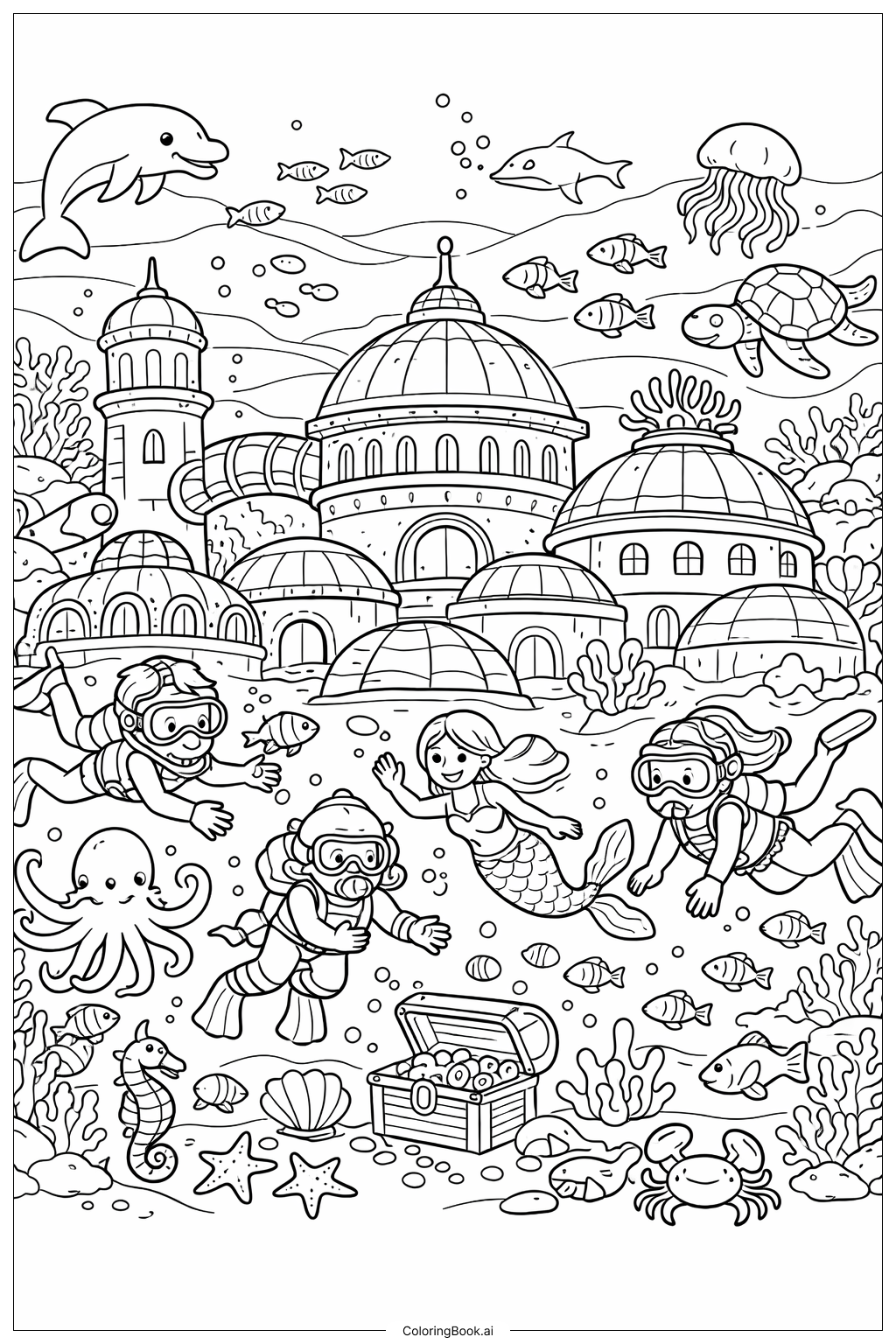
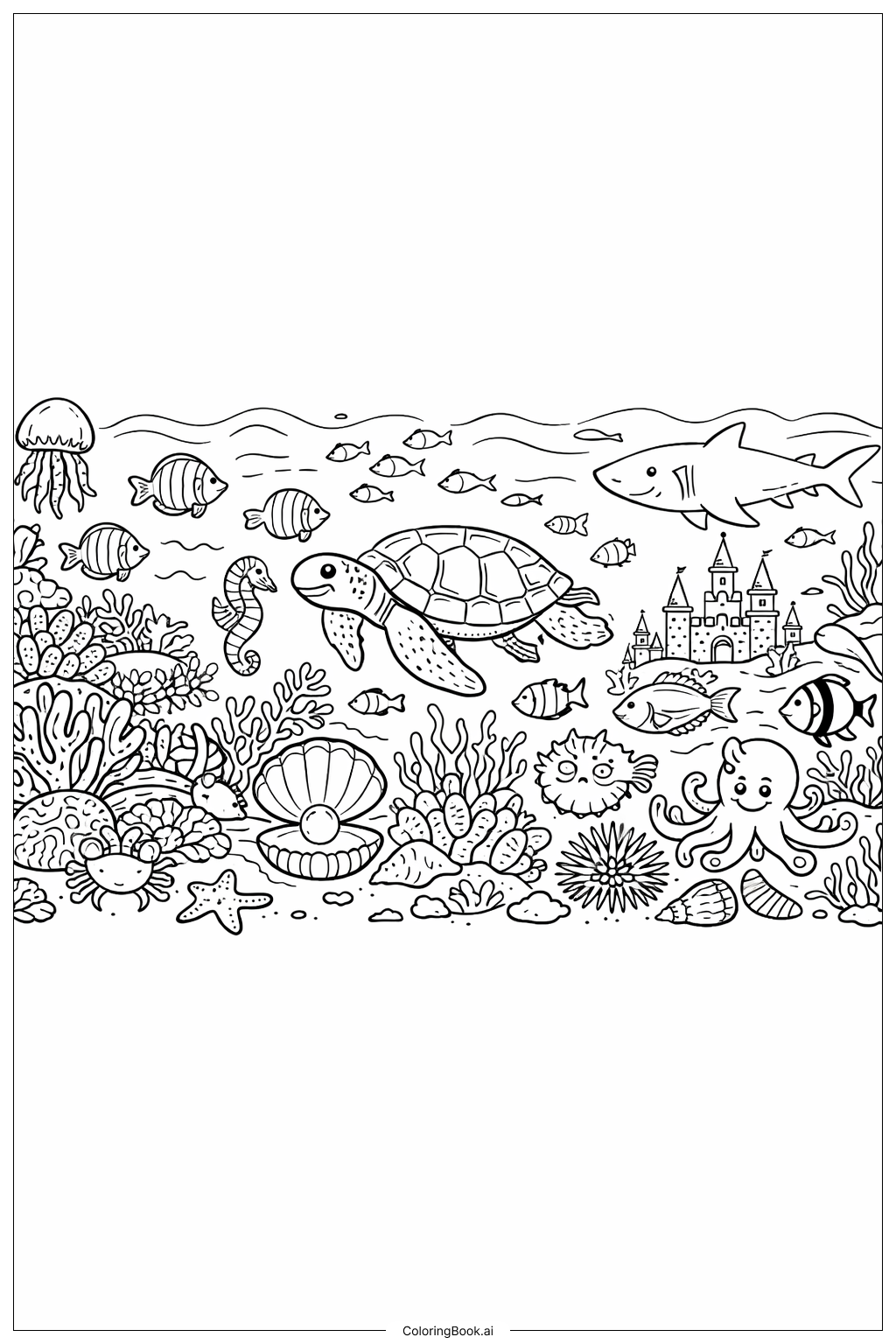
To bring this Ocean Reef Doodle Panorama to life, start by thinking about bright and cheerful colors. Use shades of blue and turquoise for the water to create a calming background. For the coral, try coloring them in warm reds, pinks, oranges, and purples to make them stand out. The fish and sea creatures can be colored in vibrant yellows, greens, and blues. Don’t forget to add some sparkle with light blues and whites for bubbles and waves. You can also use different shades of brown and beige for the sand and shells. Feel free to mix and match colors to make the scene lively and exciting. Take your time and have fun experimenting with colors to create your own ocean world.
Coloring challenges: Which parts are difficult to color and need attention for Ocean Reef Doodle Panorama coloring page?
• Fine Details: The Ocean Reef Doodle Panorama has many small and intricate details like tiny fish scales and delicate coral patterns. Coloring these precisely requires a steady hand and careful attention.
• Overlapping Elements: Many sea creatures and plants overlap in the design, so it can be tricky to choose colors that make each part visible without blending into others.
• Layered Textures: Different textures such as smooth fish bodies and rough coral need different coloring techniques to show contrast, which can be challenging.
• Large Versus Small Areas: The image has both big open spaces and tiny spots. Finding the right color balance between these areas to keep the image harmonious needs planning.
• Pattern Consistency: Since the doodle style uses repeated swirly and dotted patterns, maintaining consistency in color choices across similar shapes can be demanding and requires focus.
Benefits of coloring books: Advantages of drawing Ocean Reef Doodle Panorama coloring page
Coloring this Ocean Reef Doodle Panorama helps improve focus and patience as you work through its rich details. It encourages creativity by allowing you to choose from many colors and experiment with shading and blending. The underwater theme promotes learning about marine life and nature, sparking curiosity about the ocean. Coloring also supports fine motor skills development, especially when filling in small patterns and textures. Finally, completing this intricate image brings a sense of accomplishment and calm, making it a relaxing and rewarding activity for children and adults alike.