Coloring tips: How to color Fish Doodle coloring page well?
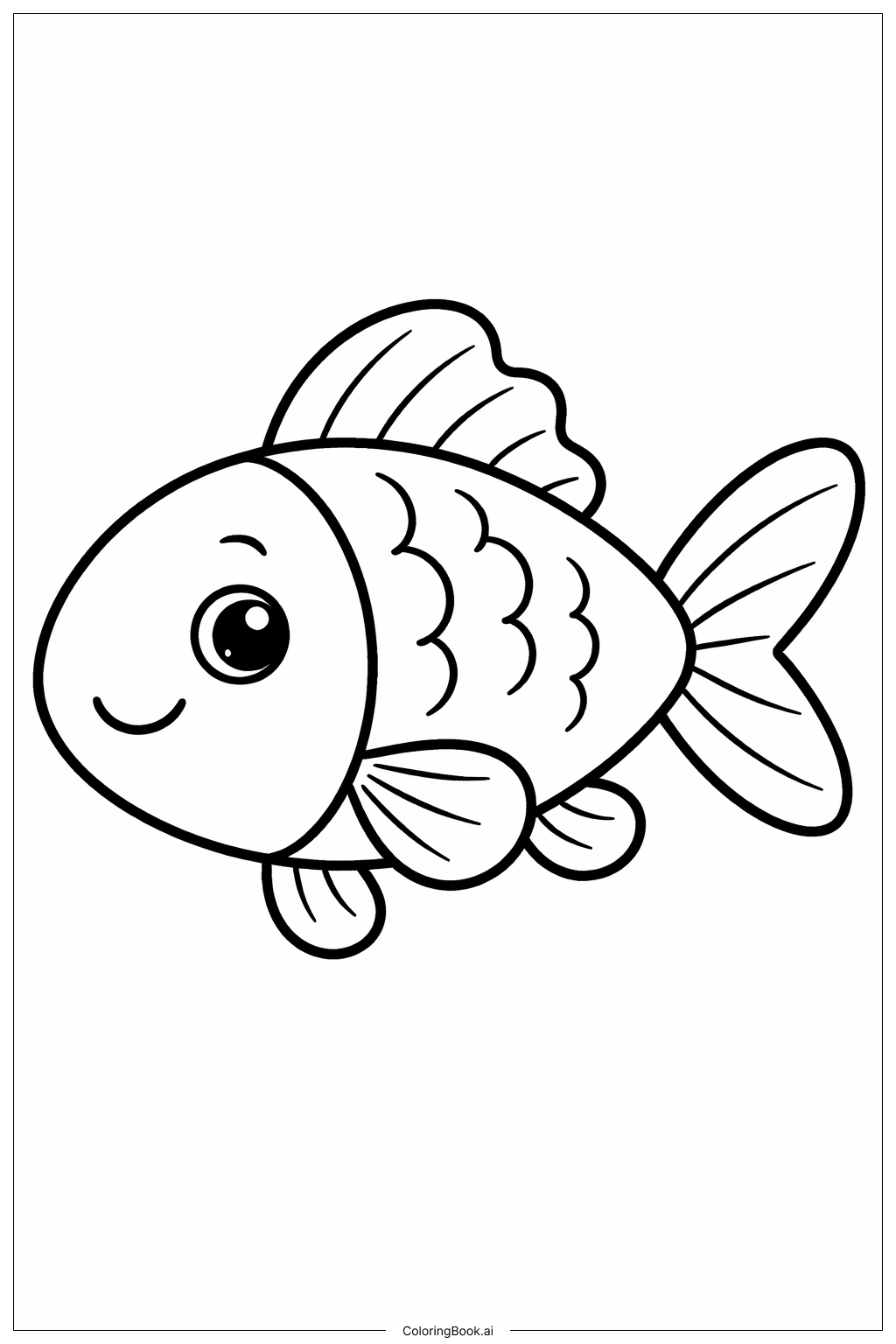
Start with the largest fish first. Fill in their bodies with bright, bold colors like orange, blue, or yellow. Then move on to the smaller fish, trying different color combinations so each one looks unique. Use lighter shades for the belly areas to create a soft, natural look. For the decorative patterns like dots, swirls, and scales, pick contrasting colors to make them pop. Try using greens and blues for the background to suggest the feeling of water. The bubbles can be left white or filled in with a very light blue. Don't be afraid to mix unusual colors. Purple fish or rainbow scales can look amazing. Have fun and let your imagination guide you. There are no wrong color choices here.
Coloring challenges: Which parts are difficult to color and need attention for Fish Doodle coloring page?
• Intricate Body Patterns: Each fish is covered with small decorative details such as dots, swirls, zigzag lines, and scale textures. These tiny patterns require careful attention and a steady hand. Using fine-tipped colored pencils or thin markers will help you stay within each small section without accidentally coloring over the lines.
• Keeping Each Fish Distinct: Because there are multiple fish in the image, it can be tricky to make sure each one looks different and stands out from its neighbors. Planning your color palette before you start is a good idea. Try assigning each fish its own main color family so the overall image feels balanced and visually interesting.
• Coloring Small Fin Details: The fins on each fish often contain their own mini patterns and thin line details. These areas are small and closely spaced, making them challenging to color neatly. Working slowly and using the tip of your coloring tool will give you more control in these tight spots.
• Creating Depth with Bubbles: The bubbles scattered around the fish are simple round shapes, but coloring them convincingly takes thought. If you fill them in too heavily, they can look flat. Using a very light touch or leaving the center mostly white while adding a soft edge gives them a realistic, transparent appearance.
• Background Water Effect: Filling in the background to suggest underwater space without overshadowing the fish is a real challenge. Gentle, uneven strokes of blue or teal, applied lightly, can create a sense of flowing water while keeping the fish as the main focus.
Benefits of coloring books: Advantages of drawing Fish Doodle coloring page
Coloring this Fish Doodle page offers a wide range of benefits for kids and even adults. The many small patterns and details on each fish help build fine motor skills and improve hand-eye coordination. Staying within the lines while coloring intricate scales and swirls takes focus and patience, helping to strengthen concentration over time. Choosing colors for each fish encourages creative thinking and decision-making in a low-pressure, playful way. Because the image has multiple fish, kids get to practice color planning and learn how to create balance and variety in their work. The fun, whimsical style of the doodles makes the activity feel lighthearted and stress-free, which is great for relaxation and emotional wellbeing. Completing the full page also gives a real sense of accomplishment. It is a simple but satisfying project that builds confidence and encourages a love of art from an early age.