Coloring tips: How to color Bunny Doodle coloring page well?
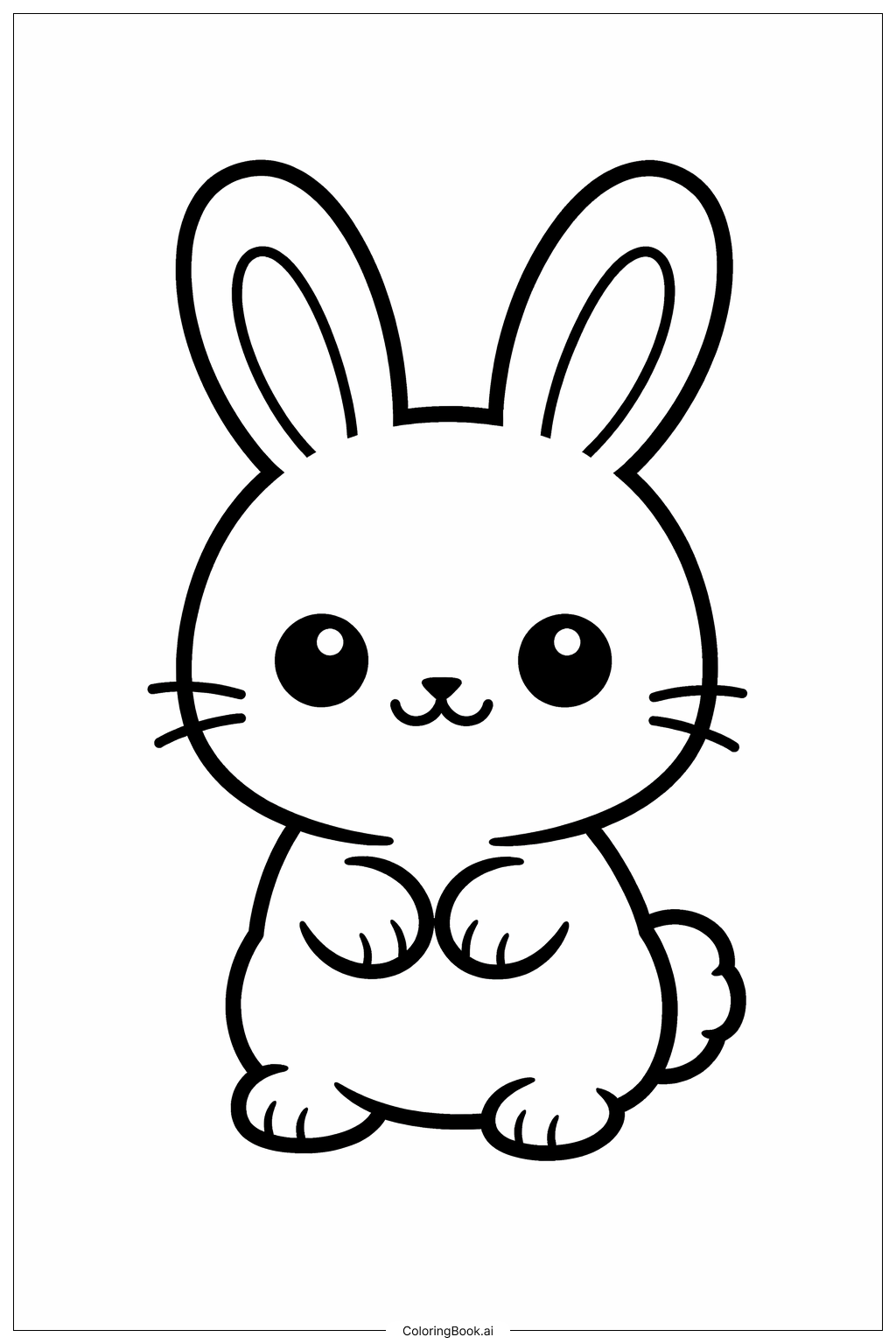
Start with the bunny's body using soft, light colors like pastel pink, cream, or light lavender to keep the look gentle and cute. The long ears can be colored with a slightly darker shade on the inner part — try light pink or peach — to add a natural, realistic touch. For the decorative doodle patterns inside the body, use a rainbow of colors. Give each swirl, flower, and heart its own color to make the design pop. Dots and zigzag lines look great in bright contrasting shades like yellow, orange, or turquoise. The background doodles — stars, leaves, and loops — can be colored in cool tones like blue, green, or purple to balance the warm colors on the bunny. Use colored pencils or fine-tip markers for the small details. Take your time with each tiny section. There is no wrong way to color — just have fun and let your creativity lead the way!
Coloring challenges: Which parts are difficult to color and need attention for Bunny Doodle coloring page?
Coloring this Bunny Doodle page is a delightful experience, but it does come with a few challenges worth noting for colorists of all ages:
• Small Decorative Patterns: The bunny's body is covered in tiny swirls, flowers, dots, and hearts. These small shapes are packed closely together, making it tricky to stay within the lines. Fine-tip coloring tools work best here, but younger children may need extra patience and a steady hand to fill each little shape neatly.
• Color Coordination Across Doodles: With so many different pattern elements filling the bunny's body, choosing colors that look good together without clashing can be a challenge. Planning a color scheme in advance — such as warm tones in one section and cool tones in another — helps create a balanced and pleasing result.
• Ear Shading and Depth: The bunny's long ears have inner and outer sections that benefit from different shades of color to look three-dimensional. Blending two tones smoothly, especially with colored pencils, requires some practice and a light touch to avoid harsh lines.
• Background Detail Clutter: The surrounding doodles — stars, leaves, and looping lines — are spread around the bunny and can feel overwhelming to color all at once. Working section by section rather than jumping around the page helps maintain focus and prevents accidental smudging between areas.
• Maintaining Visual Balance: Because every part of the image is filled with detail, it is easy to over-color certain areas and leave others looking flat. Stepping back occasionally to view the whole image helps ensure all sections receive equal attention and energy.
Benefits of coloring books: Advantages of drawing Bunny Doodle coloring page
Coloring this Bunny Doodle page offers a wide range of benefits for kids and adults alike. The intricate doodle patterns covering the bunny's body provide excellent fine motor practice, helping younger children strengthen the small muscles in their hands and improve pencil control — skills that are directly linked to handwriting development. For older kids and adults, filling in the detailed swirls, flowers, and tiny shapes encourages focus and sustained attention, making it a great screen-free activity for winding down. The creative freedom of choosing colors for each doodle element also nurtures imaginative thinking. There is no single right answer, so colorists learn to trust their own artistic instincts and build confidence in creative decision-making. The repetitive, rhythmic nature of coloring small patterns has a naturally calming effect, helping to reduce stress and anxiety. Many people find it as relaxing as meditation. Additionally, completing a detailed image like this one gives a satisfying sense of achievement and pride, which boosts self-esteem — especially in children. Sharing or displaying the finished artwork adds a social and emotional dimension too. Overall, this page makes coloring both fun and genuinely enriching for all ages.