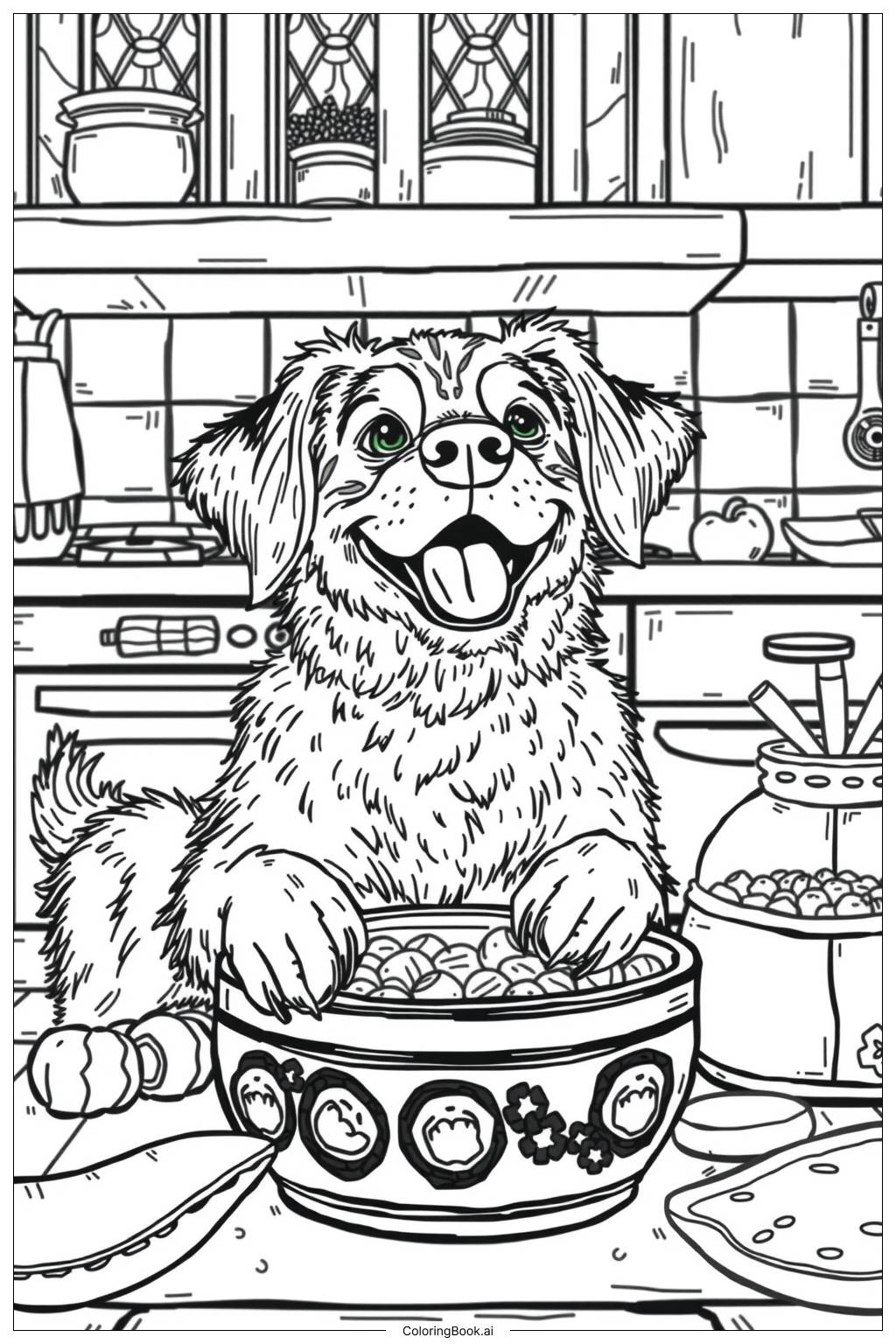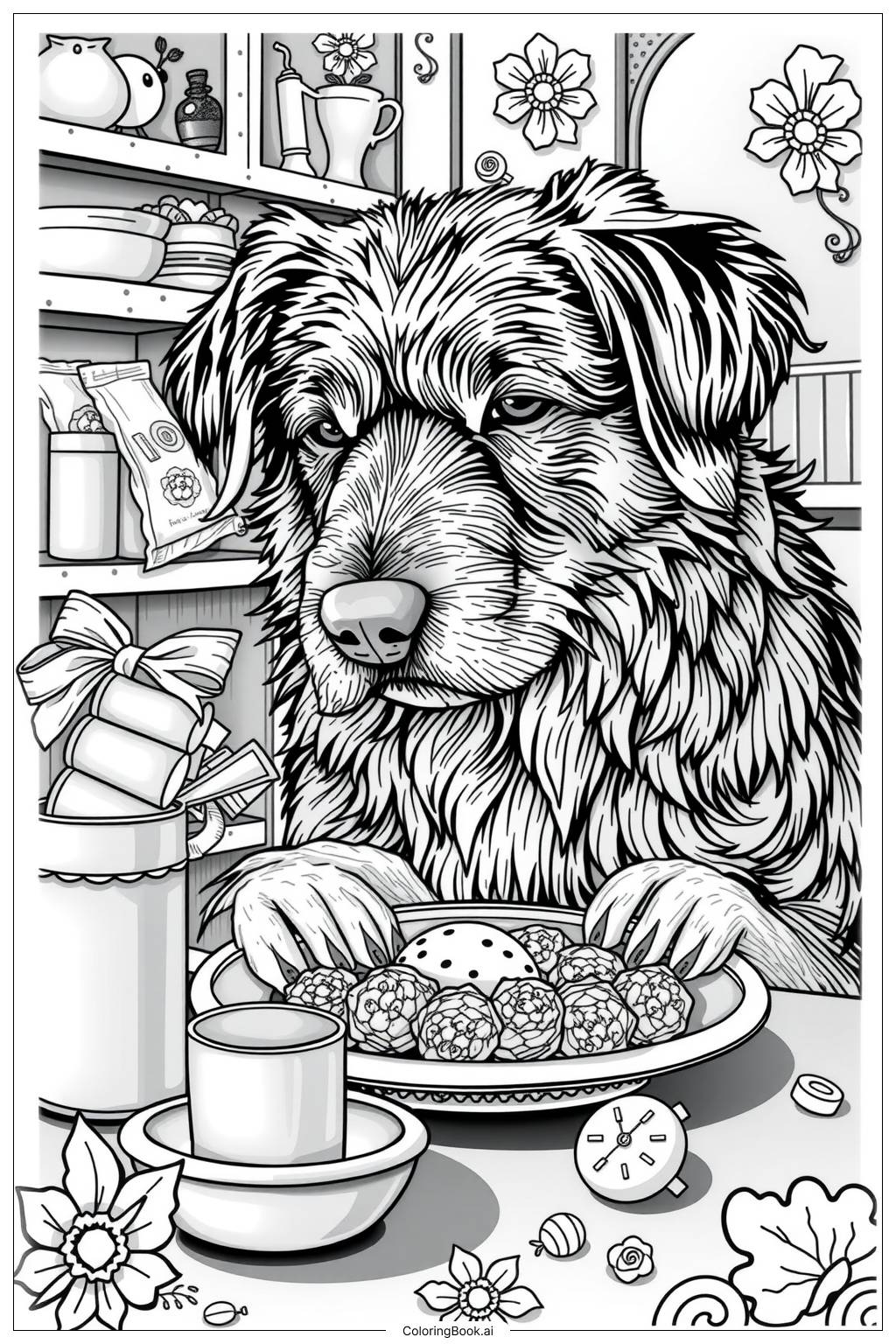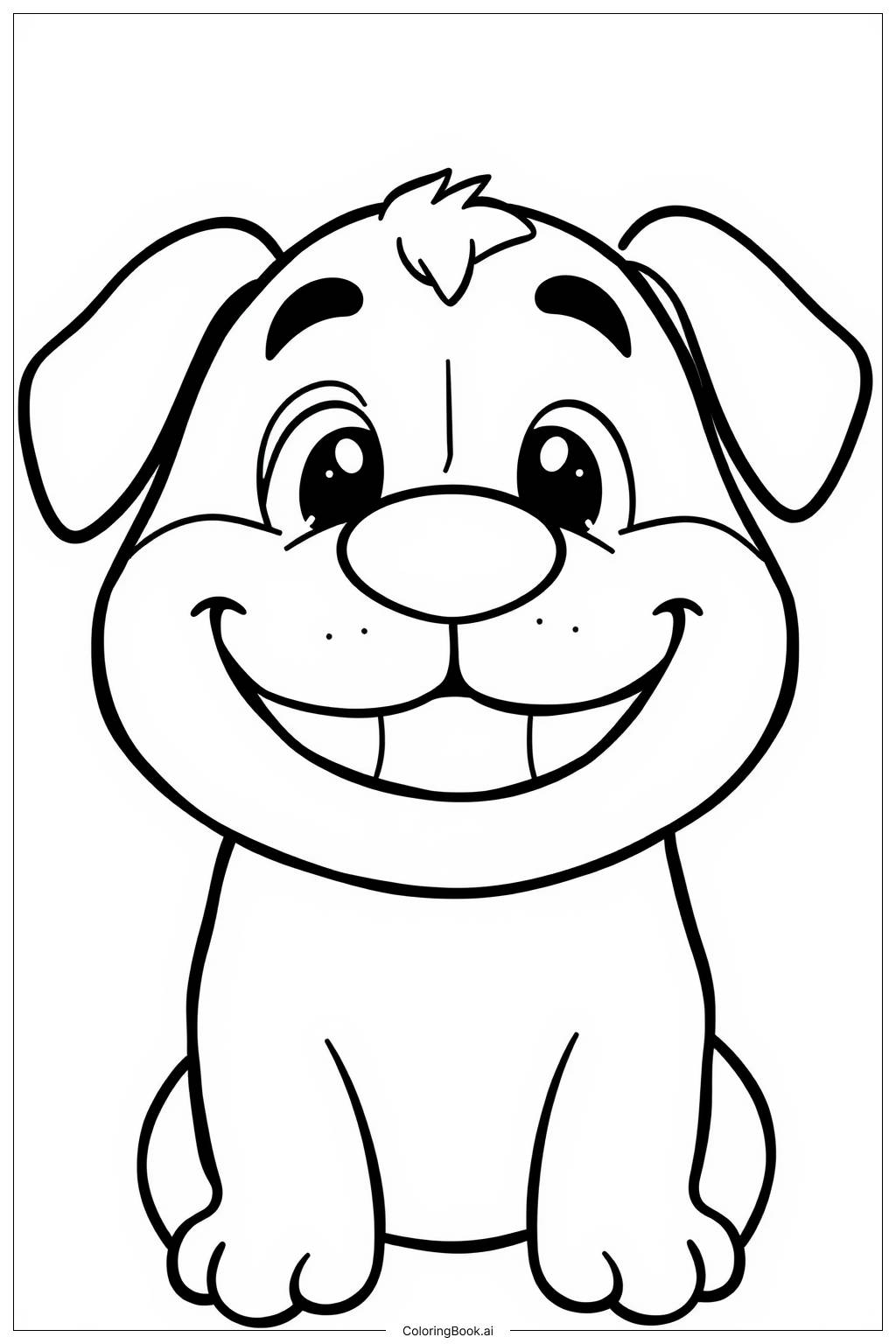
Coloring tips: How to color Doge Face Smile coloring page well?
Start with the face by using warm shades like golden yellow, tan, or light brown for the main fur. Shiba Inus have a classic two-tone coat, so add cream or white to the inner face, muzzle, and cheeks. Use a slightly darker brown or rust tone around the ears, forehead, and outer fur to create natural depth. For the eyes, try a rich dark brown with a tiny white highlight dot to make them look lively and bright. The nose can be filled in with dark brown or black. Use soft, short strokes to mimic the texture of fluffy fur. Keep the smile area light and warm — pale peach or cream works great. If you want to add a fun twist, feel free to use imaginative colors like pastel purples or pinks for a playful, meme-inspired look. Kids can go bold and creative, while older colorists can try blending techniques for a more realistic feel.
Coloring challenges: Which parts are difficult to color and need attention for Doge Face Smile coloring page?
• Fur Texture and Direction: One of the trickiest parts is capturing the look of soft, fluffy fur. The lines representing fur go in different directions across the face, cheeks, and ears. Coloring along the natural flow of each fur section helps the image look more realistic. Short, light strokes work better than flat fills for this kind of texture.
• Two-Tone Coat Blending: Shiba Inus have a distinct two-tone coloring — golden or reddish-brown on the outside and creamy white on the inner face. Creating a smooth, natural-looking transition between these two areas without a harsh line takes patience and practice. Layering colors gradually rather than switching abruptly gives the best result.
• Small Facial Details: The eyes, nose, and the subtle smile of the Doge are small but very important. These tiny details define the whole expression and personality of the image. Using a fine-tipped marker or sharpened colored pencil helps keep these areas neat and expressive without accidentally going outside the lines.
• Shading Around the Face Shape: The rounded, puffy face of the Shiba Inu benefits from light shading along the edges to give it a three-dimensional look. Adding darker tones around the outer fur and lighter tones toward the center of the face can create a soft, glowing effect. This technique can be challenging for beginners but makes a big difference in the final result.
• Keeping a Consistent Style: With a meme-based character like Doge, balancing a realistic dog look with a fun, cartoon-friendly feel can be tricky. Deciding early on whether to go realistic or playful helps keep the coloring consistent and visually appealing throughout the whole page.
Benefits of coloring books: Advantages of drawing Doge Face Smile coloring page
Coloring the Doge Face Smile page is a fun and rewarding activity for kids and fans of all ages. The familiar, cheerful face of the Shiba Inu makes it an instantly likable subject, keeping young colorists motivated and engaged from start to finish.
Working on the fur details helps children develop fine motor skills and hand control. Carefully filling in small areas like the eyes, nose, and muzzle encourages precision and steady hand movements that support writing and drawing skills in everyday life.
Choosing the right color combinations for the two-tone coat sparks creative thinking. Kids learn about color relationships — how warm browns and creamy whites work together — which builds early color theory knowledge in a natural, playful way.
The calm, repetitive action of coloring also has a relaxing effect. It helps children slow down, focus, and find a peaceful rhythm, making it a great quiet-time activity after a busy day at school.
For older kids and teens who know the Doge meme, this page offers a chance to connect a beloved piece of internet culture with a hands-on creative hobby. It makes coloring feel fresh, relevant, and genuinely fun.
Overall, this page blends artistic skill-building with pure joy — making it a wonderful choice for anyone who loves dogs, memes, or simply a good smile.