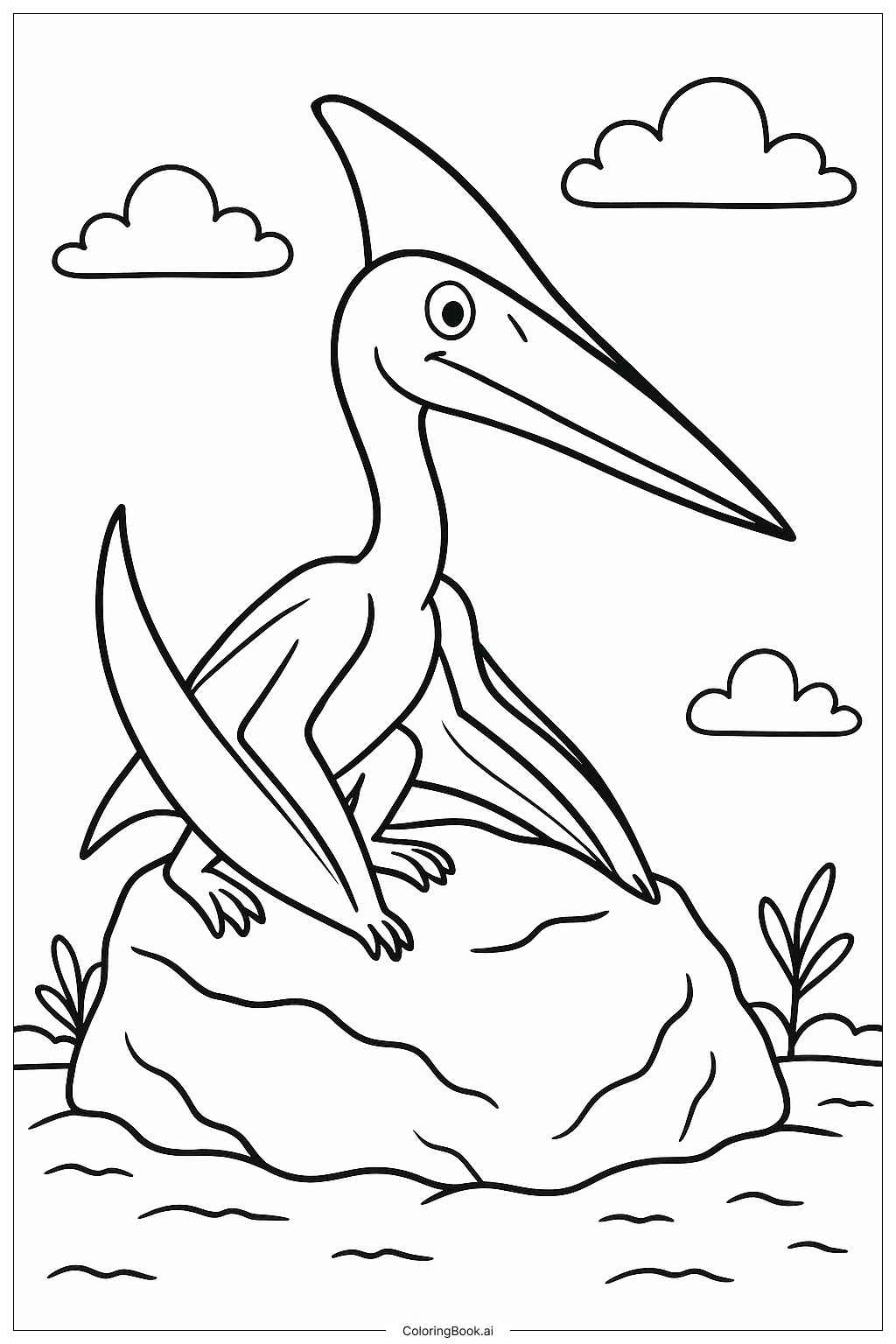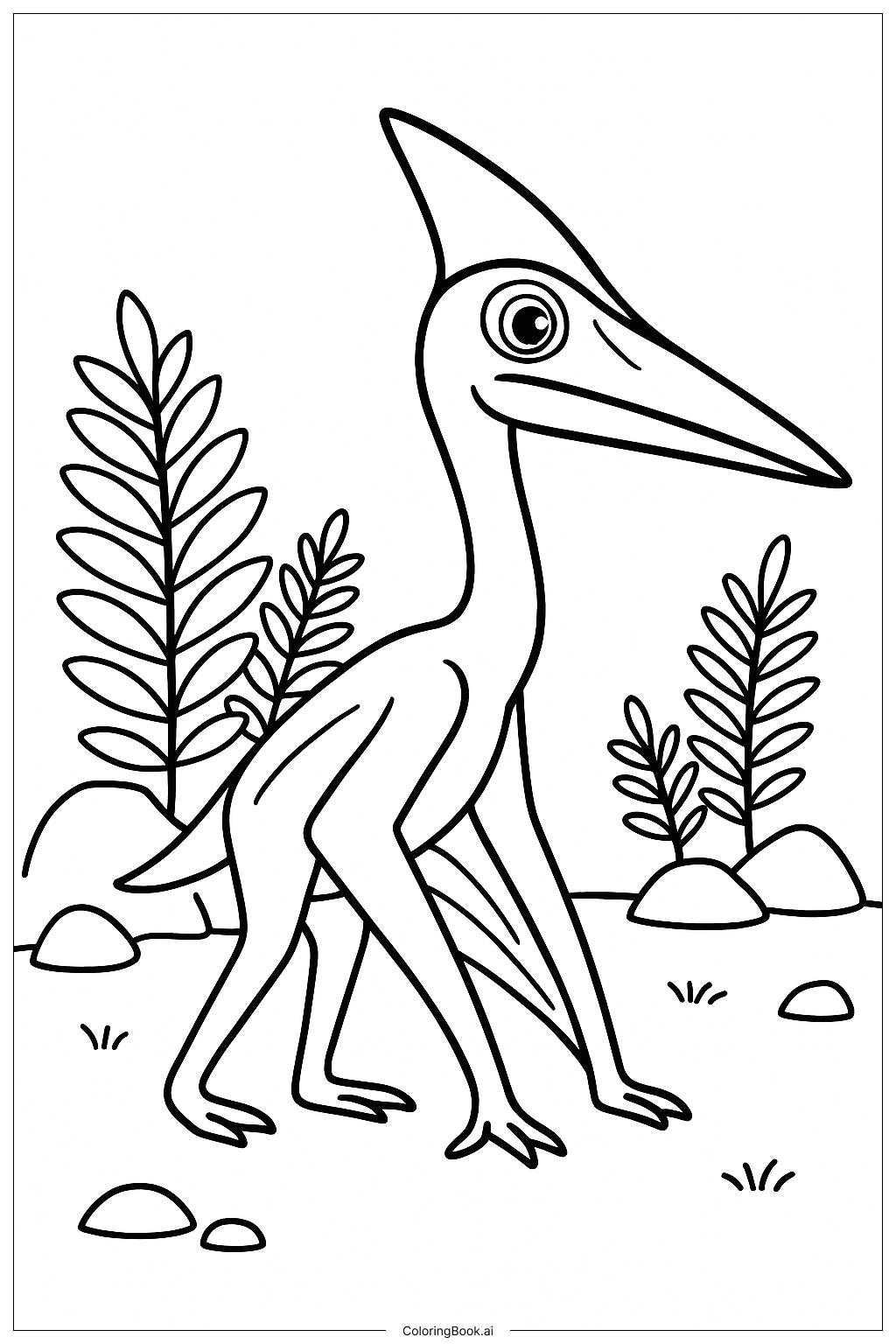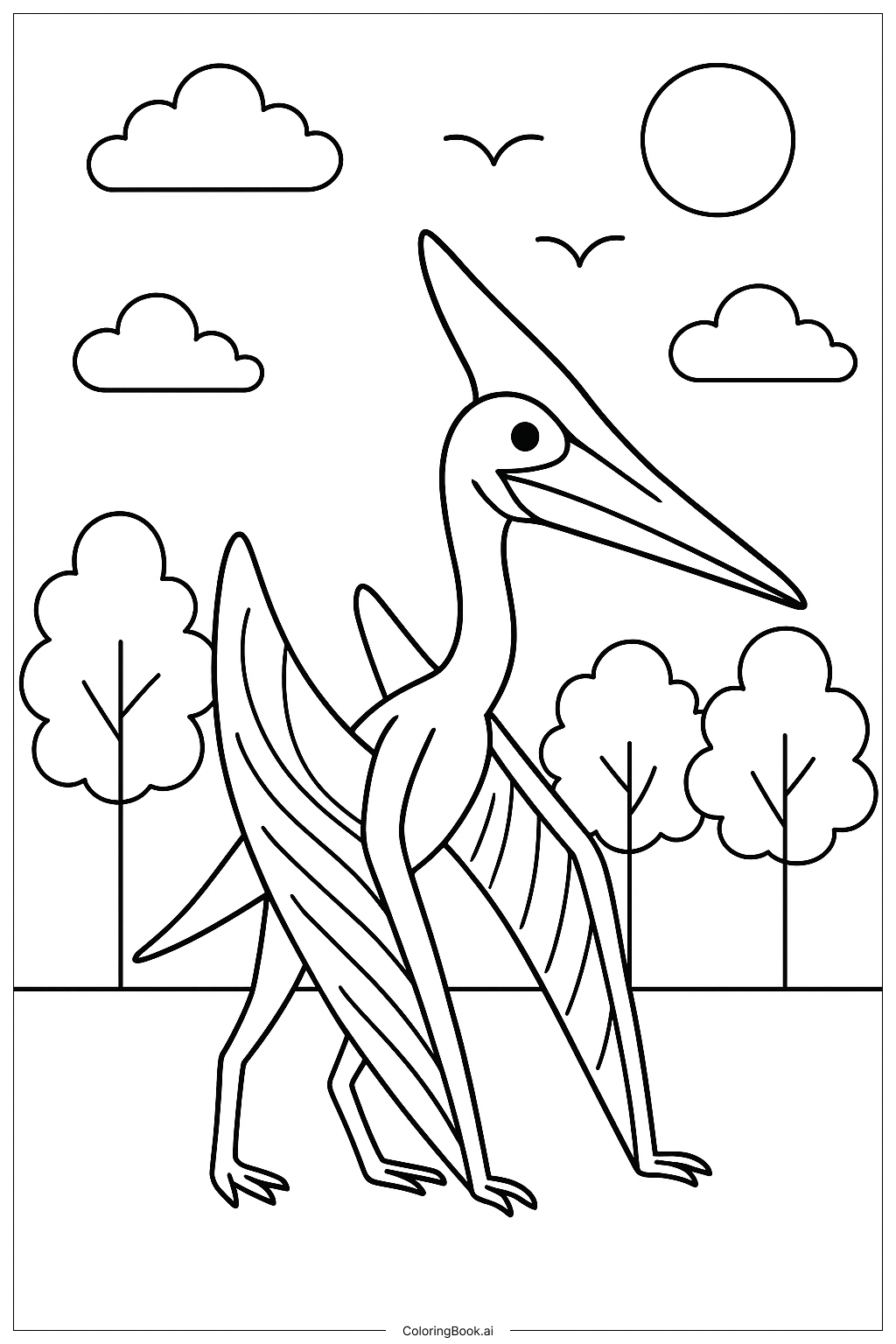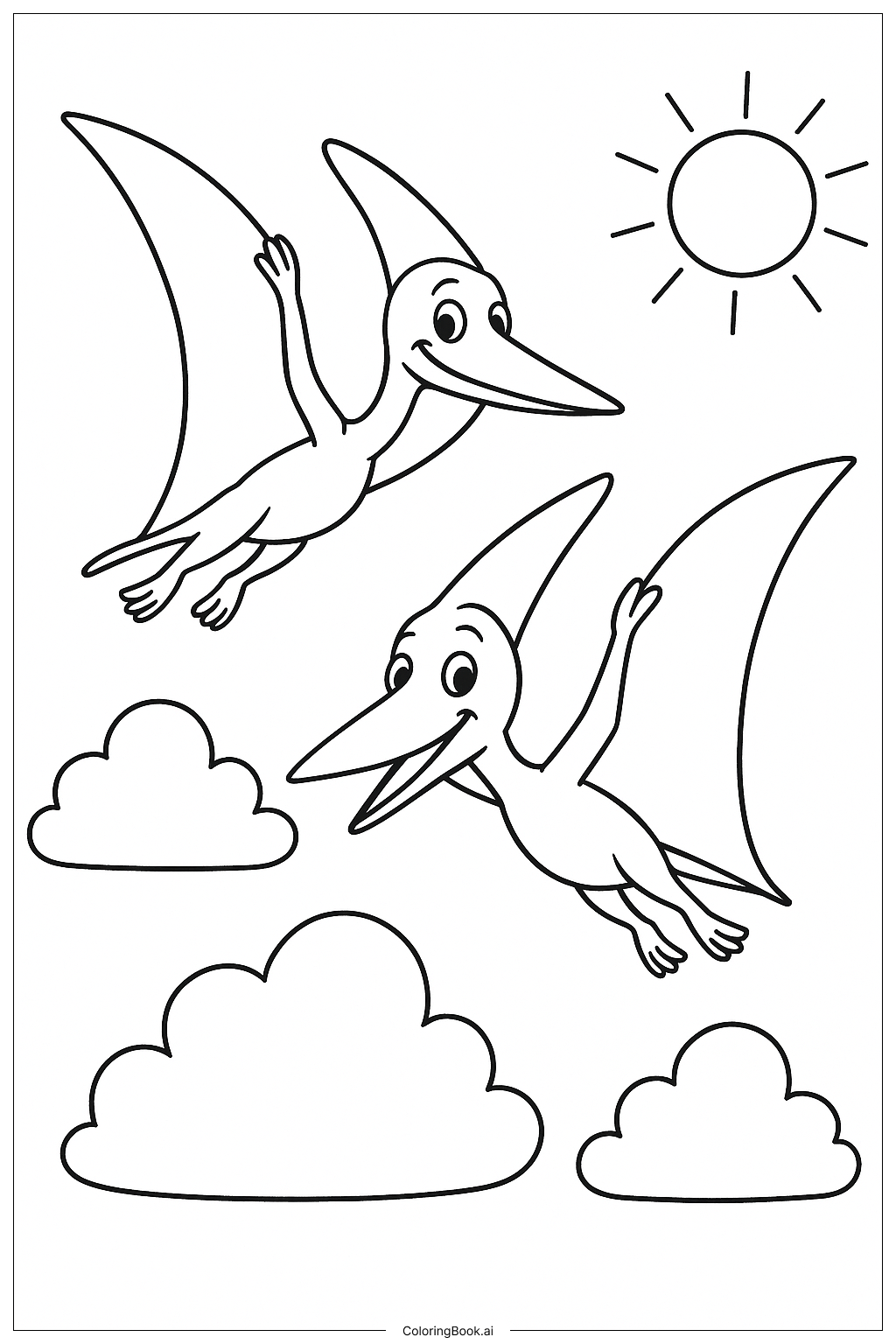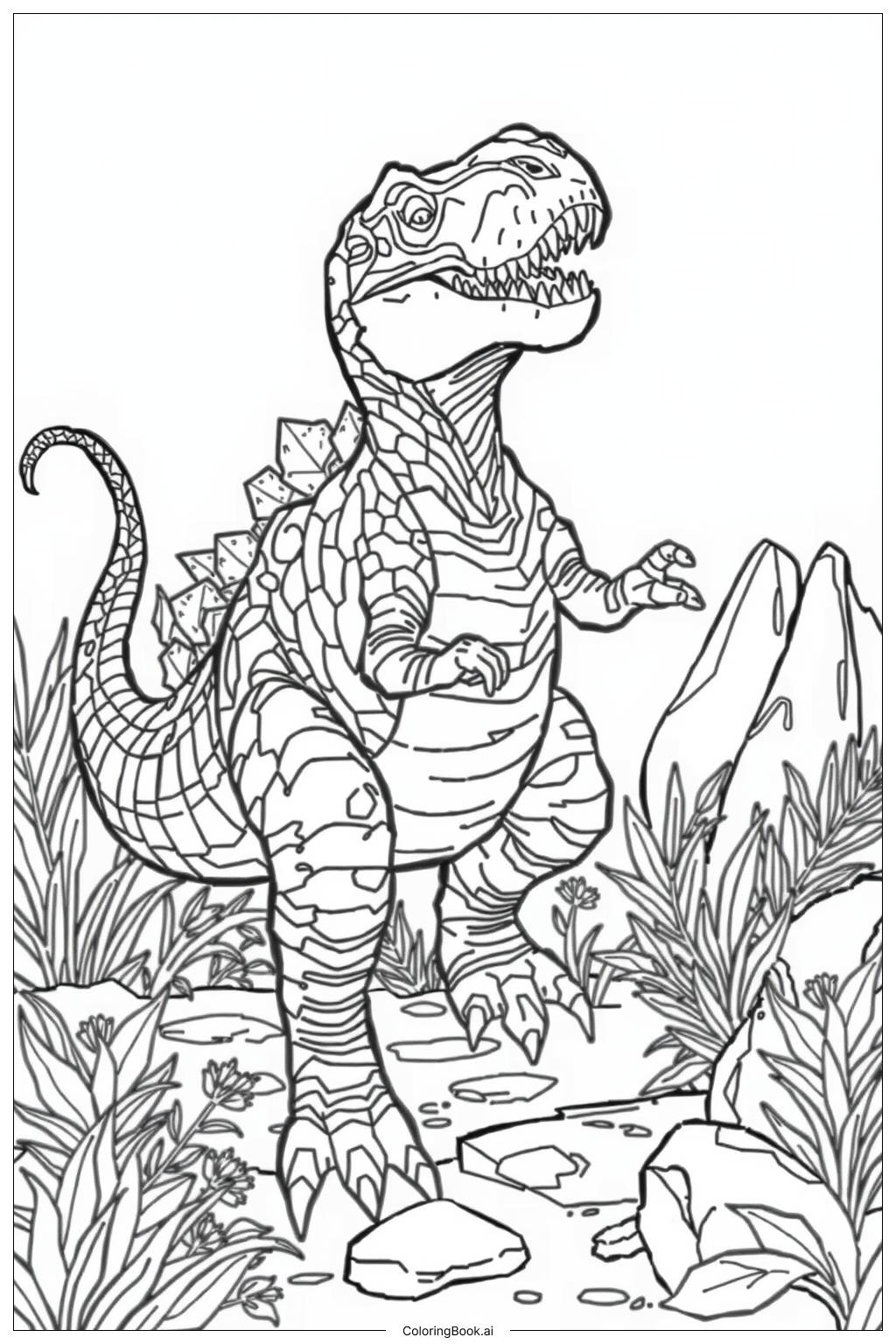
Coloring tips: How to color Easy Dinosaur Drawing coloring page well?
Start with the body of the dinosaur using a bright green. You can use a lighter green for the belly area to give it a two-tone look. Try a darker green or olive shade for the spikes along the back. Use yellow or orange for small accent details like claws or eye highlights. For the eyes, color the large circle with white and add a dark brown or black pupil in the center. A small pink or red touch on the tongue or cheeks can make the dinosaur look extra lively. Kids can also get creative and use purple, blue, or even rainbow colors — dinosaurs are extinct, so there are no wrong color choices! Keep the background simple with a light blue sky or green ground to make the dinosaur stand out. Use crayons, colored pencils, or markers depending on your comfort level.
Coloring challenges: Which parts are difficult to color and need attention for Easy Dinosaur Drawing coloring page?
• Staying Inside the Lines: Because the dinosaur has a large, rounded body with smooth curves, younger children may find it tricky to stay neatly within the outlines. The curved edges of the belly, tail, and legs require careful hand movements and steady control, especially when using markers or felt-tip pens that can bleed if pressed too hard.
• Coloring the Small Spikes: The spikes or plates running along the dinosaur's back are smaller and more closely spaced than the rest of the body. Coloring these tiny shapes without accidentally going over into the body area takes precision and patience. Using a thin-tipped colored pencil works best for these sections.
• Creating Depth and Shading: For older kids or more experienced colorists, making the dinosaur look three-dimensional can be a challenge. Blending a lighter color on the belly and a darker shade on the sides to show depth requires some understanding of how light and shadow work together.
• Coloring the Eyes Neatly: The eyes are one of the most expressive parts of this dinosaur. They are relatively small compared to the body, and coloring the pupil, iris, and highlight in the right order without muddying the colors can be challenging. It helps to let each layer dry before adding the next.
• Balancing Colors Overall: Choosing colors that look good together across the whole image — body, spikes, claws, eyes, and background — requires a little planning. Too many bright colors at once can look overwhelming, while too few can seem dull. Finding the right balance is a fun but real creative challenge.
Benefits of coloring books: Advantages of drawing Easy Dinosaur Drawing coloring page
Coloring this friendly dinosaur page offers a wide range of benefits for children and even adults. For young kids aged 4 to 8, the simple, bold outlines make it easy to practice holding a crayon or colored pencil correctly. This helps build fine motor skills and hand-eye coordination in a fun, low-pressure way.
For children aged 8 to 16, the image encourages creative thinking. Deciding which colors to use, how to shade the body, and whether to add a background all involve real artistic decision-making. These small choices help develop confidence and independent thinking.
Coloring also has a calming effect. Focusing on filling in a picture can reduce stress and anxiety, helping kids slow down and concentrate. It works like a quiet, screen-free activity that still feels rewarding when finished.
Learning about dinosaurs through art also sparks curiosity. Kids who color this page may become interested in asking questions about what dinosaurs really looked like, how big they were, and why they disappeared. This natural curiosity supports a love of learning.
Finally, completing a coloring page gives children a real sense of accomplishment. Displaying their finished artwork builds self-esteem and pride in their own creativity. It is a simple activity with meaningful, lasting benefits.