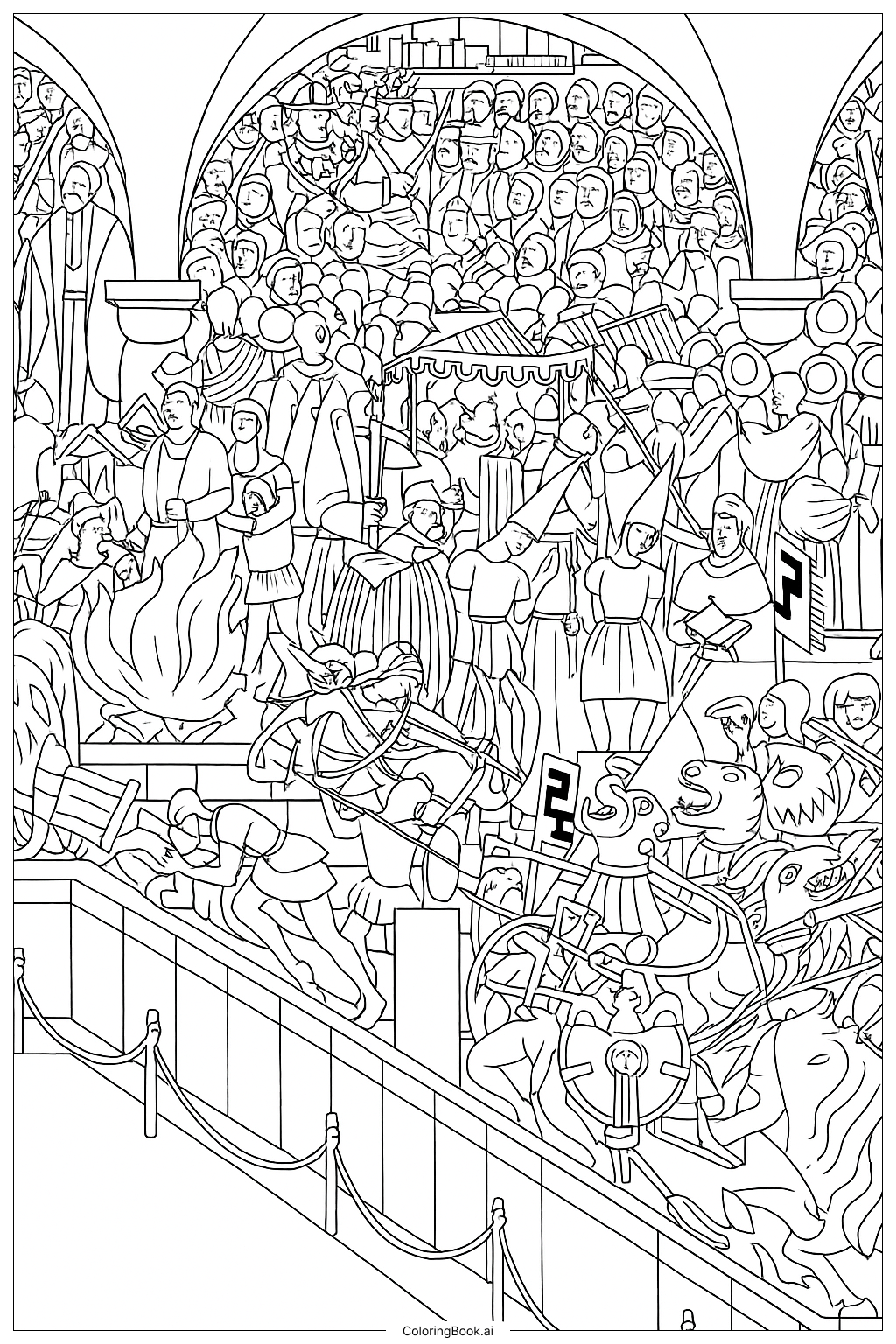
Coloring tips: How to color The History Of Mexico 1 coloring page well?
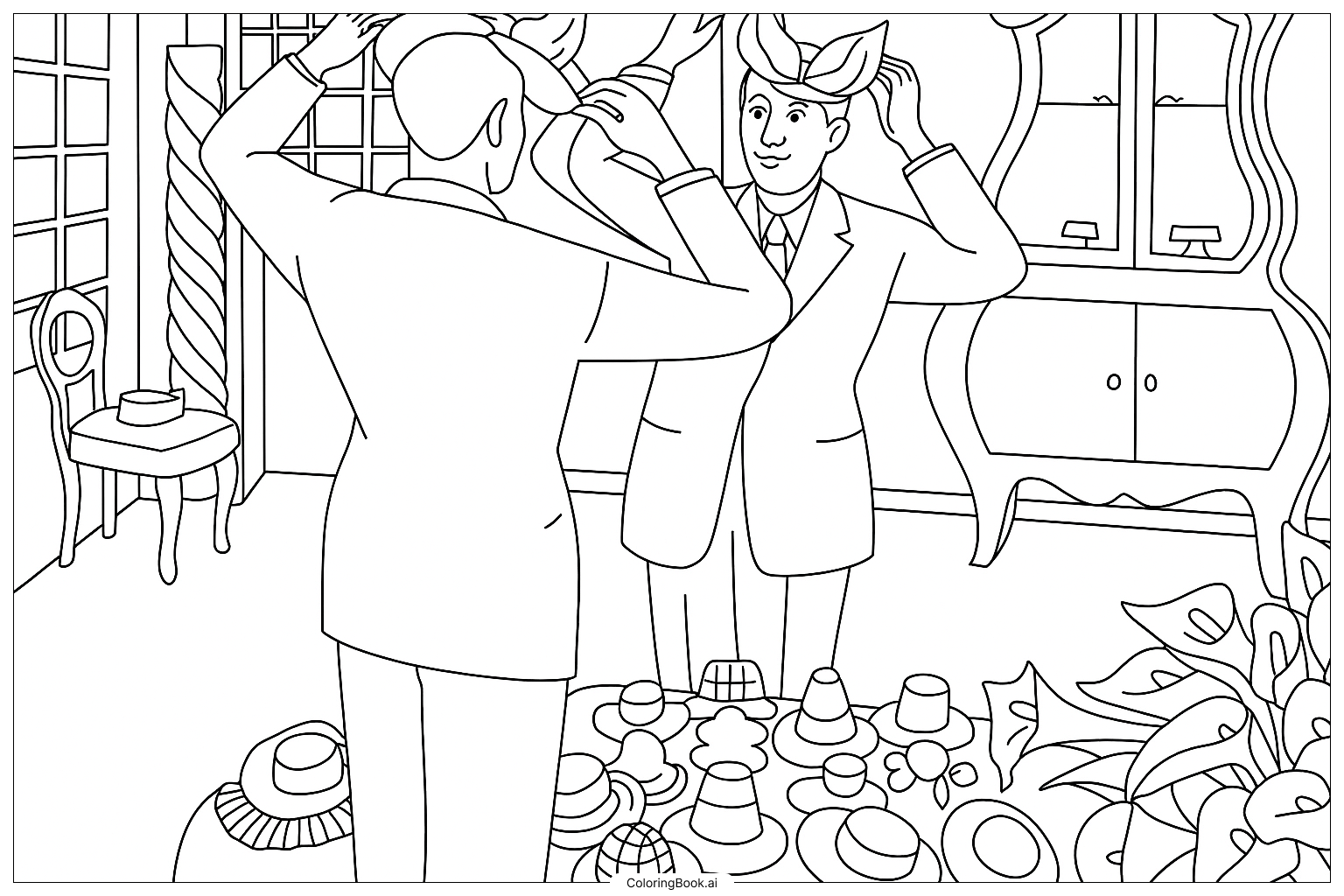
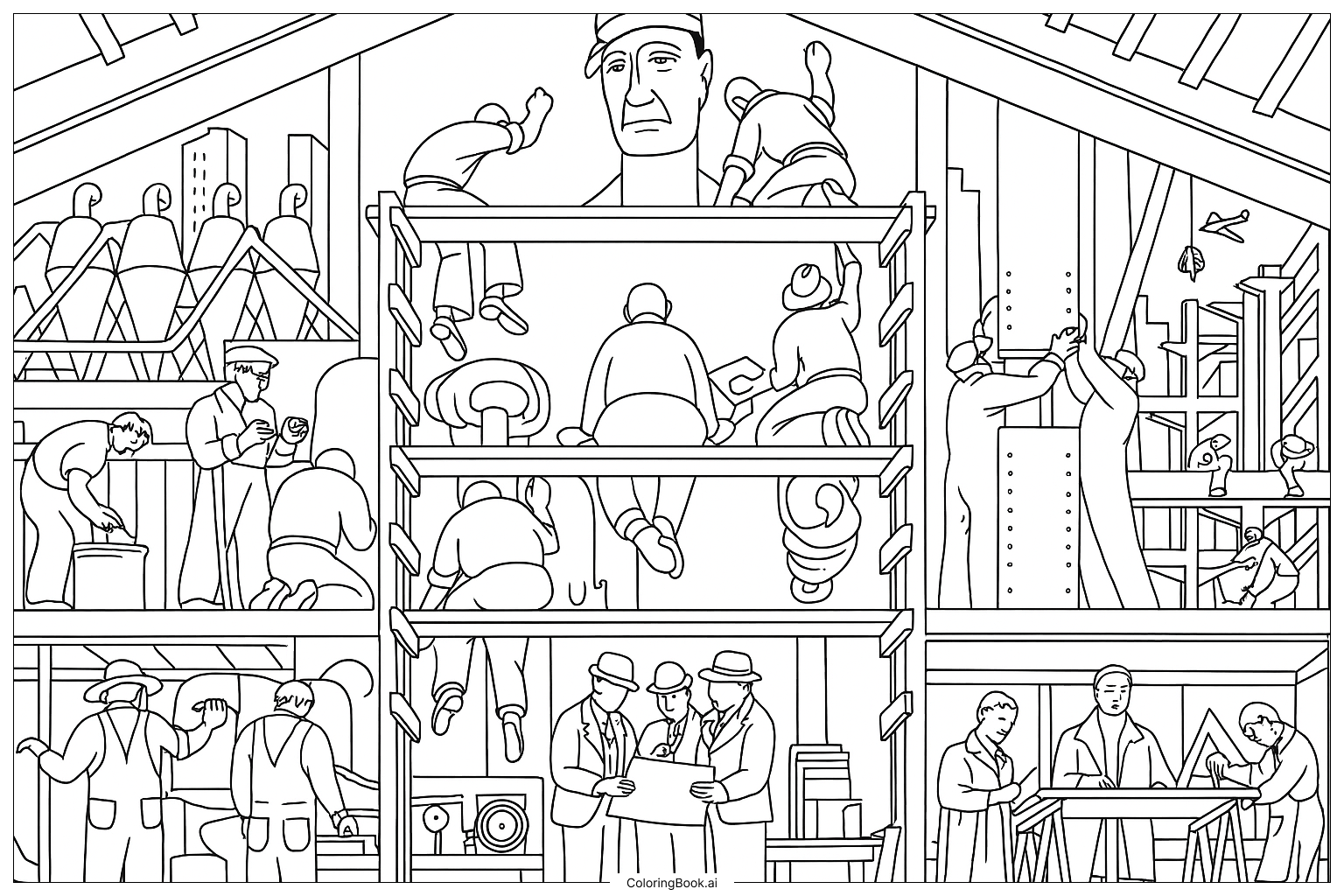
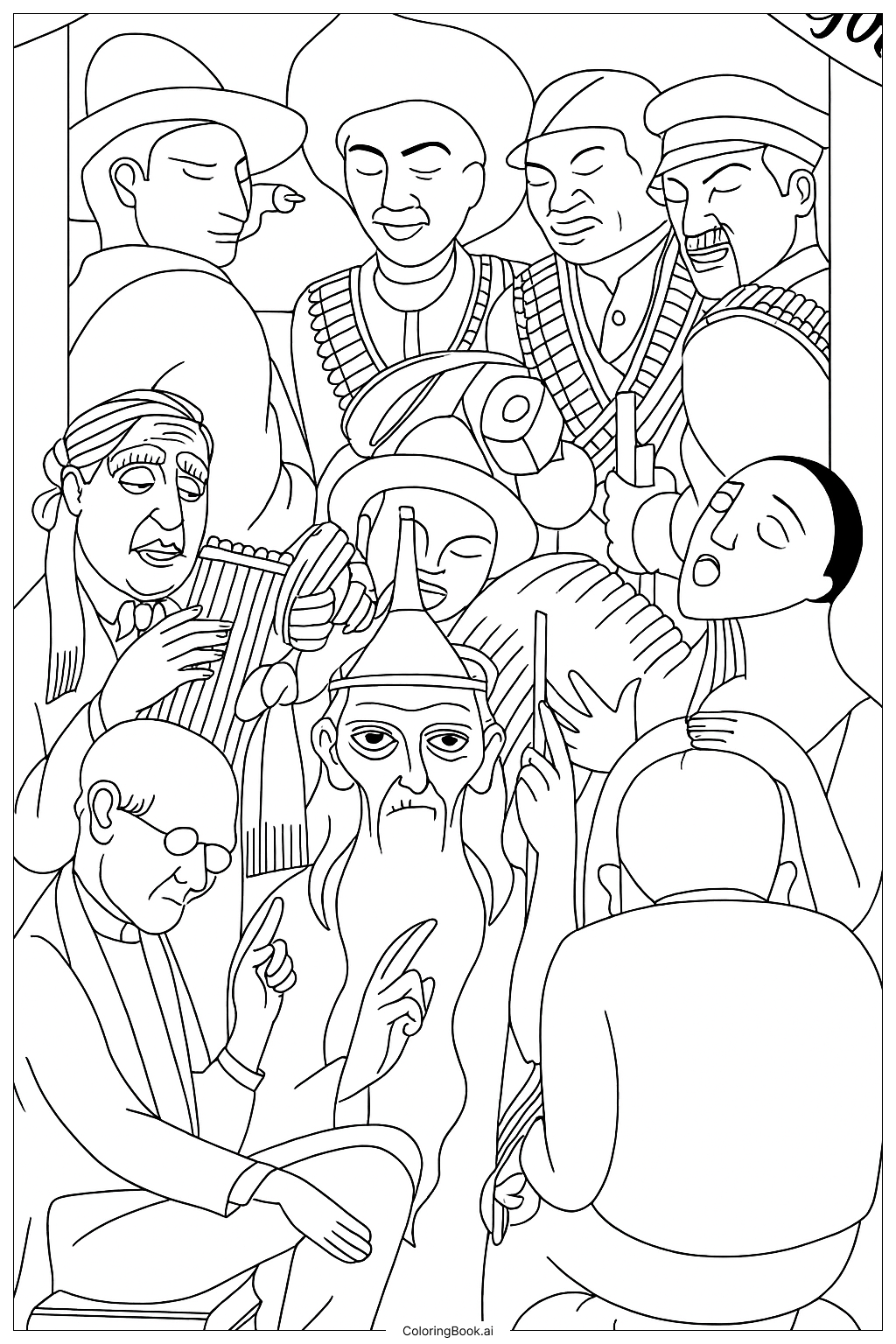
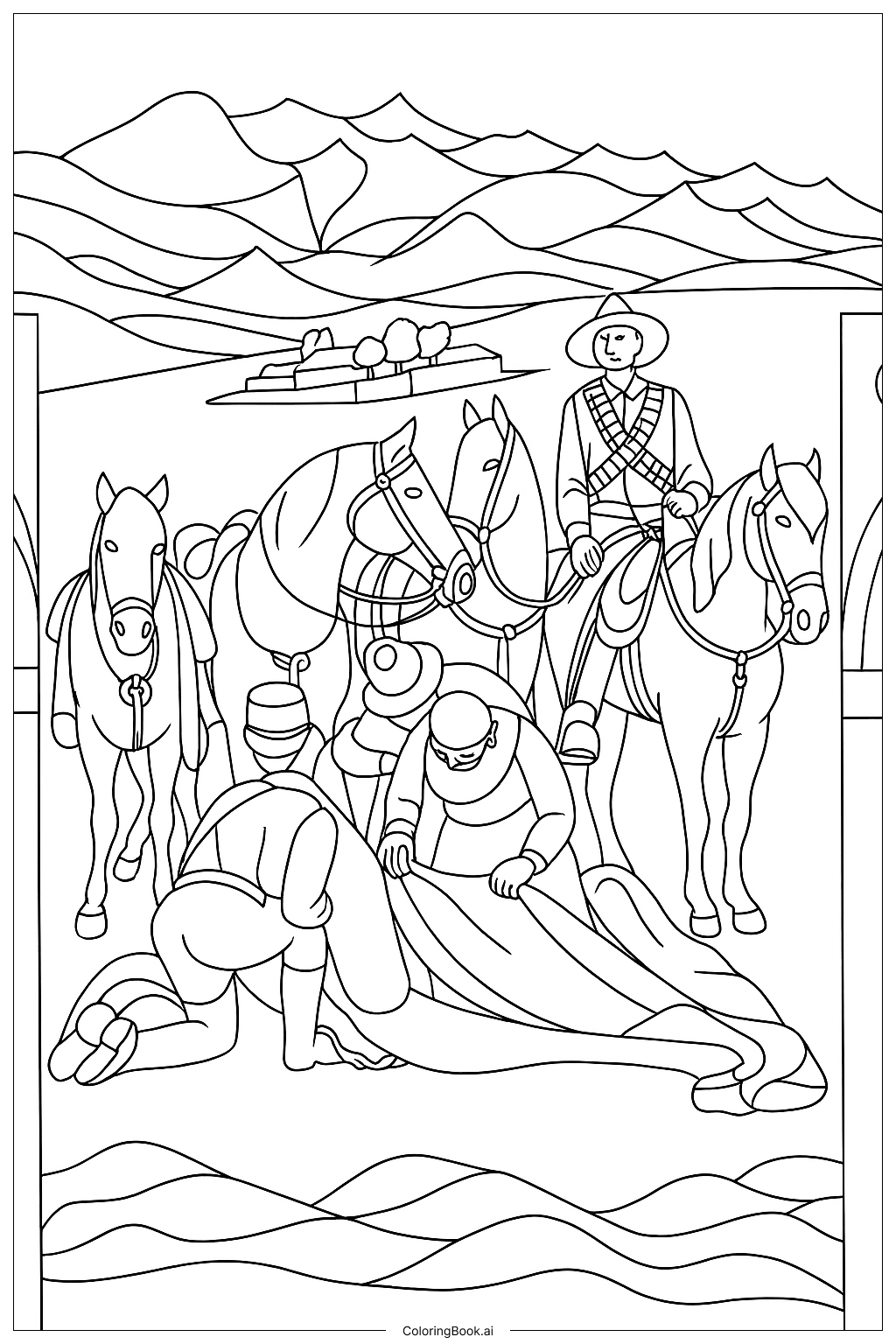
Start with the central figures, choosing earthy tones like browns, terracottas, and warm ochres for skin tones to reflect Mexico's indigenous heritage. Use vibrant colors for traditional clothing: deep reds, bright blues, sunny yellows, and rich greens. The corn stalks and agricultural elements can be colored in natural greens and golden yellows. For headdresses and ceremonial items, consider using bright feathers in blues, greens, reds, and yellows. Background architectural elements work well in stone grays and weathered browns. Don't be afraid to use bold, contrasting colors as Rivera himself favored strong, vivid palettes. Consider using colored pencils or markers that allow layering to create depth and texture in the clothing patterns and facial features. Leave some white spaces to create highlights and visual breathing room in this complex composition.
Coloring challenges: Which parts are difficult to color and need attention for The History Of Mexico 1 coloring page?
• Intricate Overlapping Figures: This image contains multiple figures positioned at different depths, with bodies and clothing overlapping in complex ways. Keeping track of where one figure ends and another begins requires careful attention and planning. Young colorists may find it challenging to maintain consistent colors for each character throughout the overlapping sections, and may need to work slowly section by section.
• Detailed Pattern Work: The traditional Mexican clothing, headdresses, and decorative elements contain intricate geometric and organic patterns that require precision coloring. These small repeating designs demand steady hand control and patience. Staying within the lines of tiny pattern elements can be frustrating for younger children and requires fine motor skills that are still developing in ages 4-8.
• Dense Composition Management: The mural-style layout means there are very few open spaces, creating a busy, packed composition. Deciding on a color scheme that allows individual elements to stand out while maintaining overall harmony is sophisticated color theory work. Without careful planning, the finished piece might look muddy or chaotic, especially if similar colors are placed adjacent to one another.
• Small Facial Features: Multiple faces appear throughout the image, each with detailed eyes, noses, and mouths that require precision. Coloring facial features without going outside the lines or making faces look unnatural takes considerable skill and concentration, particularly for children who are still developing fine motor control and spatial awareness.
Benefits of coloring books: Advantages of drawing The History Of Mexico 1 coloring page
Coloring this Diego Rivera-inspired mural provides excellent educational value by introducing children to Mexican history and culture through art. It encourages curiosity about different civilizations, historical figures, and cultural traditions. The complex composition develops advanced fine motor skills and hand-eye coordination as children navigate intricate details and overlapping elements. This challenging image builds patience, focus, and perseverance as completing it requires sustained attention over a longer period than simpler coloring pages. It also teaches color theory and planning skills, as children must think ahead about which colors to use where to create visual clarity in a dense composition. The cultural and historical elements provide opportunities for family discussions about art history, social movements, and cultural heritage, making this both an artistic and learning experience that builds cultural awareness and appreciation.