Coloring tips: How to color Dia De Los Muertos Pan De Muerto Plate coloring page well?
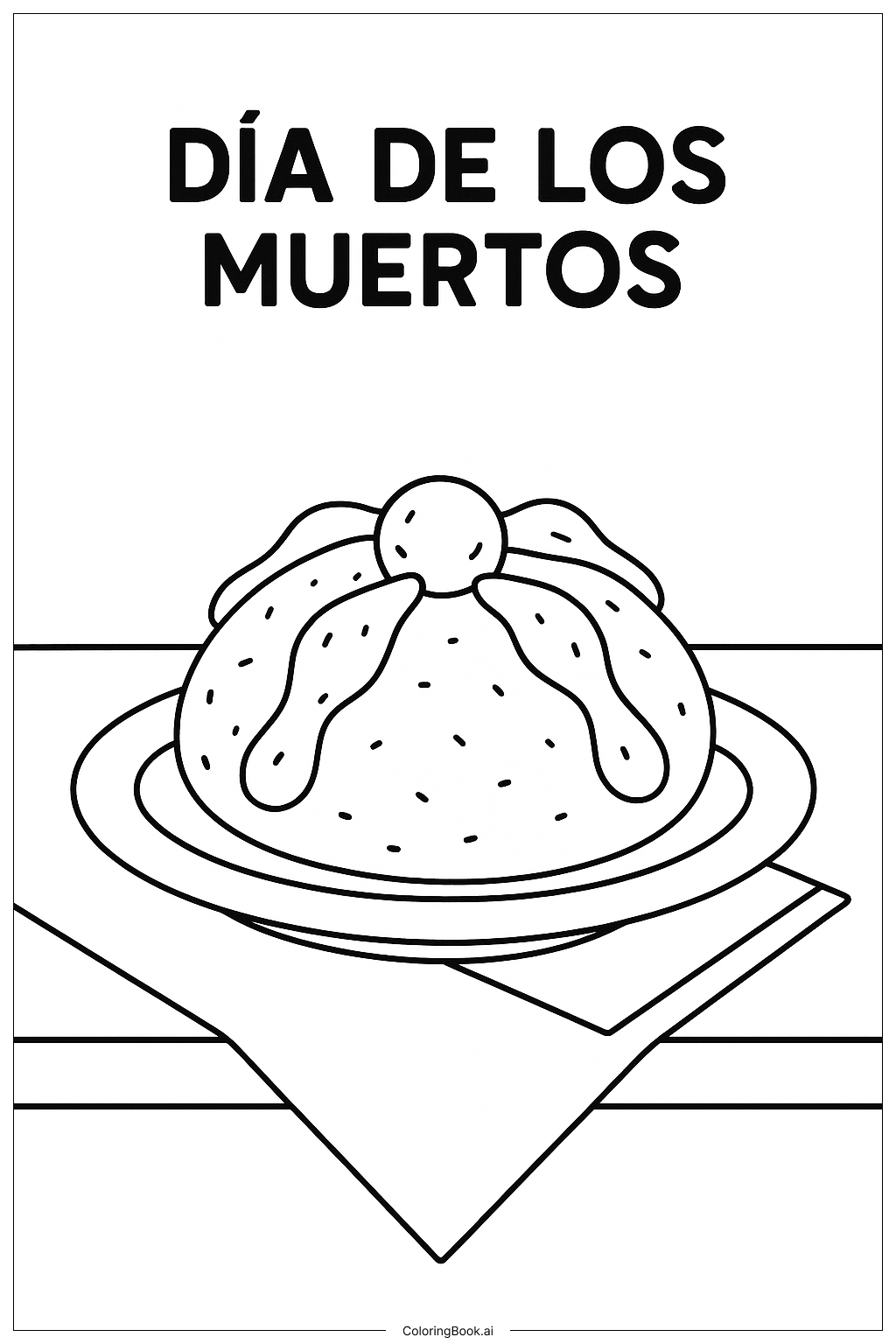
Consider using warm and bright colors for the Pan De Muerto bread, like golden yellows and light browns to capture its baked texture. The bone-shaped dough pieces can be shaded with softer creams or whites. For the plate’s edge and floral decorations, vibrant reds, oranges, pinks, purples, and greens would reflect the lively spirit of Dia De Los Muertos. You can also add colorful dots and patterns in blue or turquoise as these colors often appear in traditional Mexican art. Feel free to experiment with contrasting colors to make each element stand out and celebrate this joyful Mexican holiday.
Coloring challenges: Which parts are difficult to color and need attention for Dia De Los Muertos Pan De Muerto Plate coloring page?
• Detailed Patterns: The intricate designs on the plate’s rim require careful coloring to avoid coloring outside the lines, which might be challenging for younger children. • Small Floral Shapes: The tiny flowers and decoration details demand precision and patience to fill in without smudging. • Bone-shaped Dough Pieces: Maintaining the shape of the dough bones on top of the bread while blending colors smoothly to show texture can be tricky. • Layered Elements: Since the bread overlaps some patterns and flowers, children need to think about layering colors to keep each part clear and distinct. • Consistent Color Choices: Choosing colors that work well together for the bread, flowers, and plate without clashing can be a fun but sometimes difficult artistic decision.
Benefits of coloring books: Advantages of drawing Dia De Los Muertos Pan De Muerto Plate coloring page
Coloring this Dia De Los Muertos Pan De Muerto Plate helps improve focus as children carefully work on detailed patterns and shapes. It encourages creativity by allowing them to choose bright, festive colors representing Mexican culture. The image also teaches cultural appreciation, introducing children to the importance of Dia De Los Muertos traditions in a fun way. Practicing coloring within the lines enhances fine motor skills and hand-eye coordination. Overall, this page provides a joyful experience that combines art, culture, and skill-building for children aged 4 to 16.