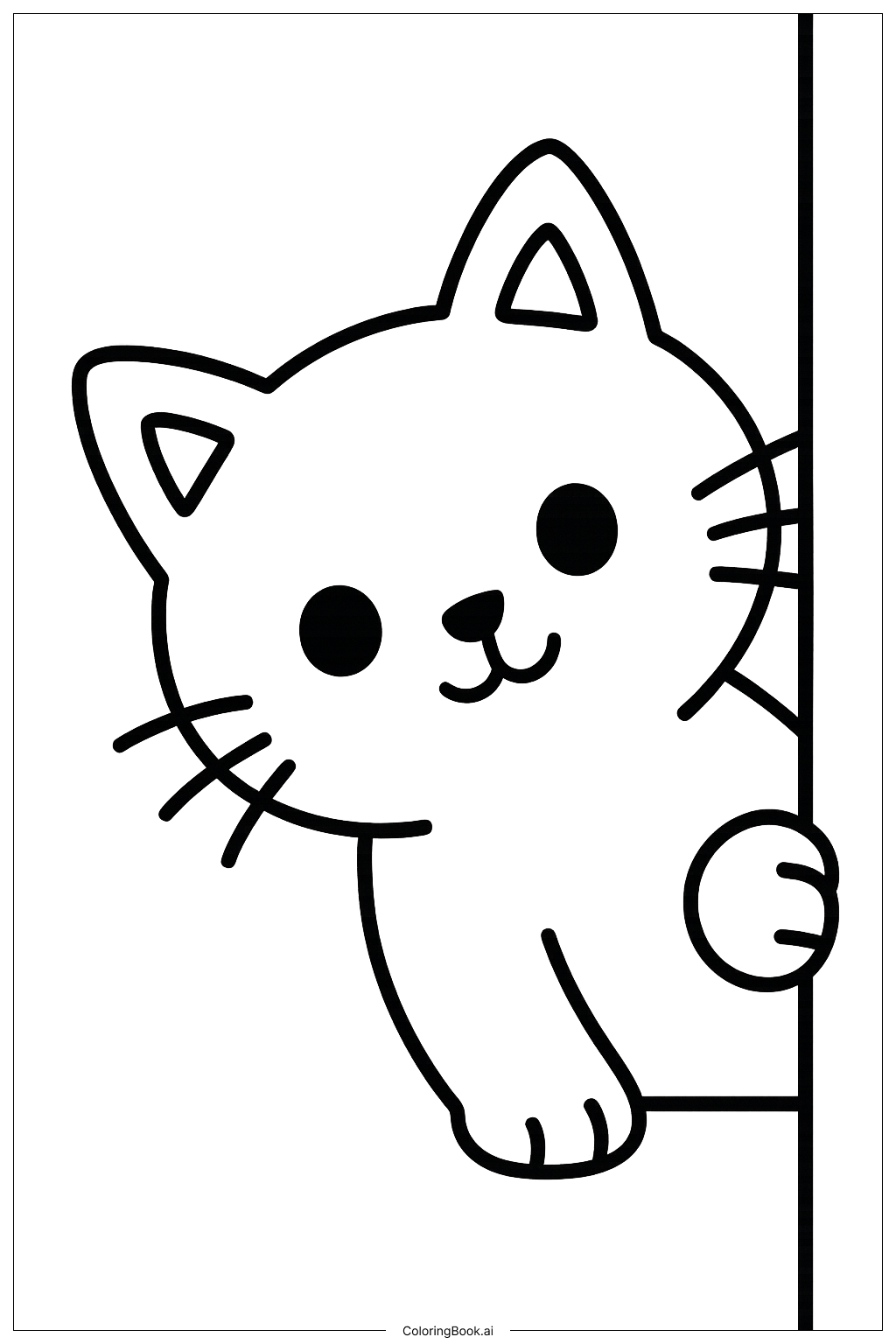
Coloring tips: How to color Cute Cat Peeking coloring page well?
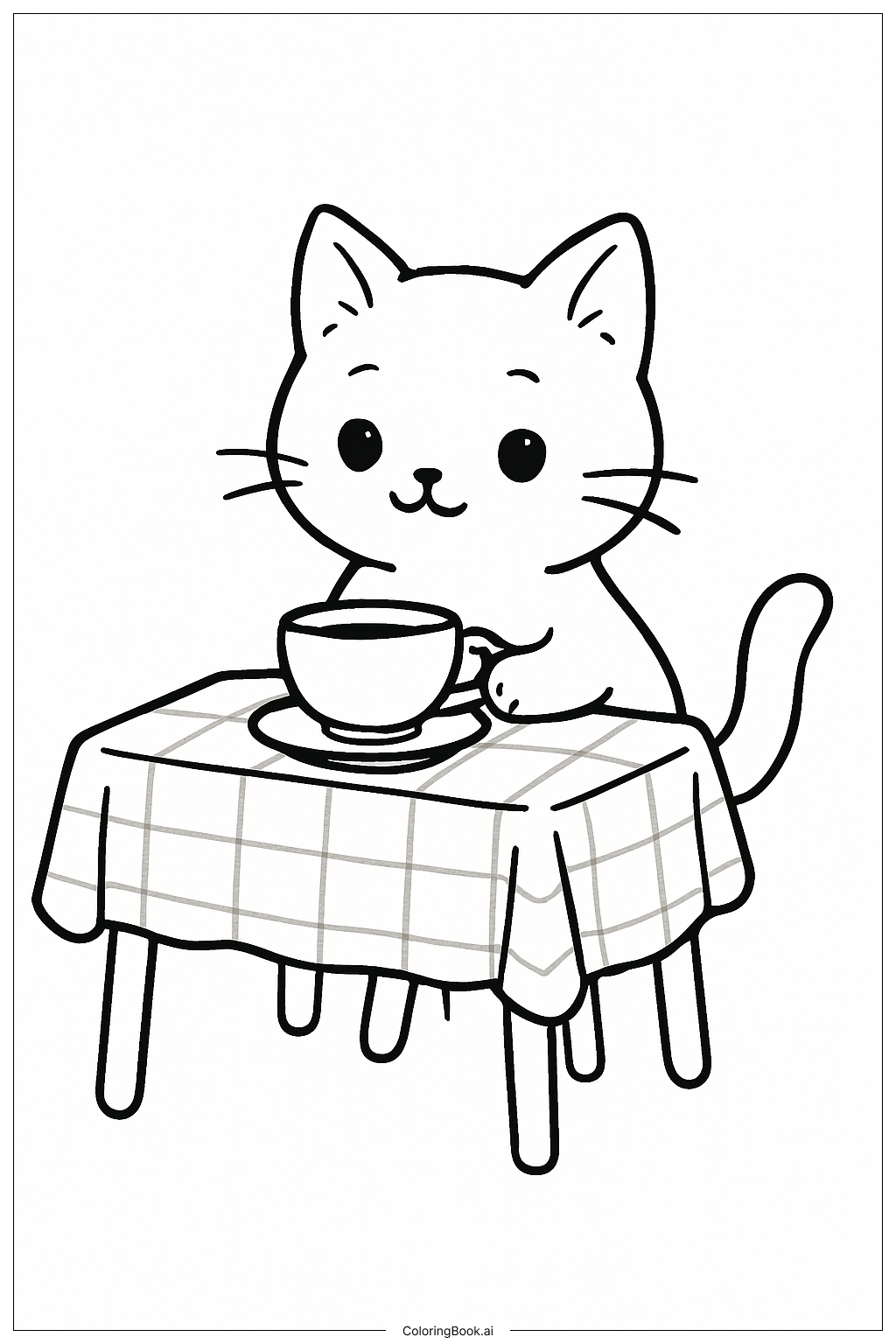
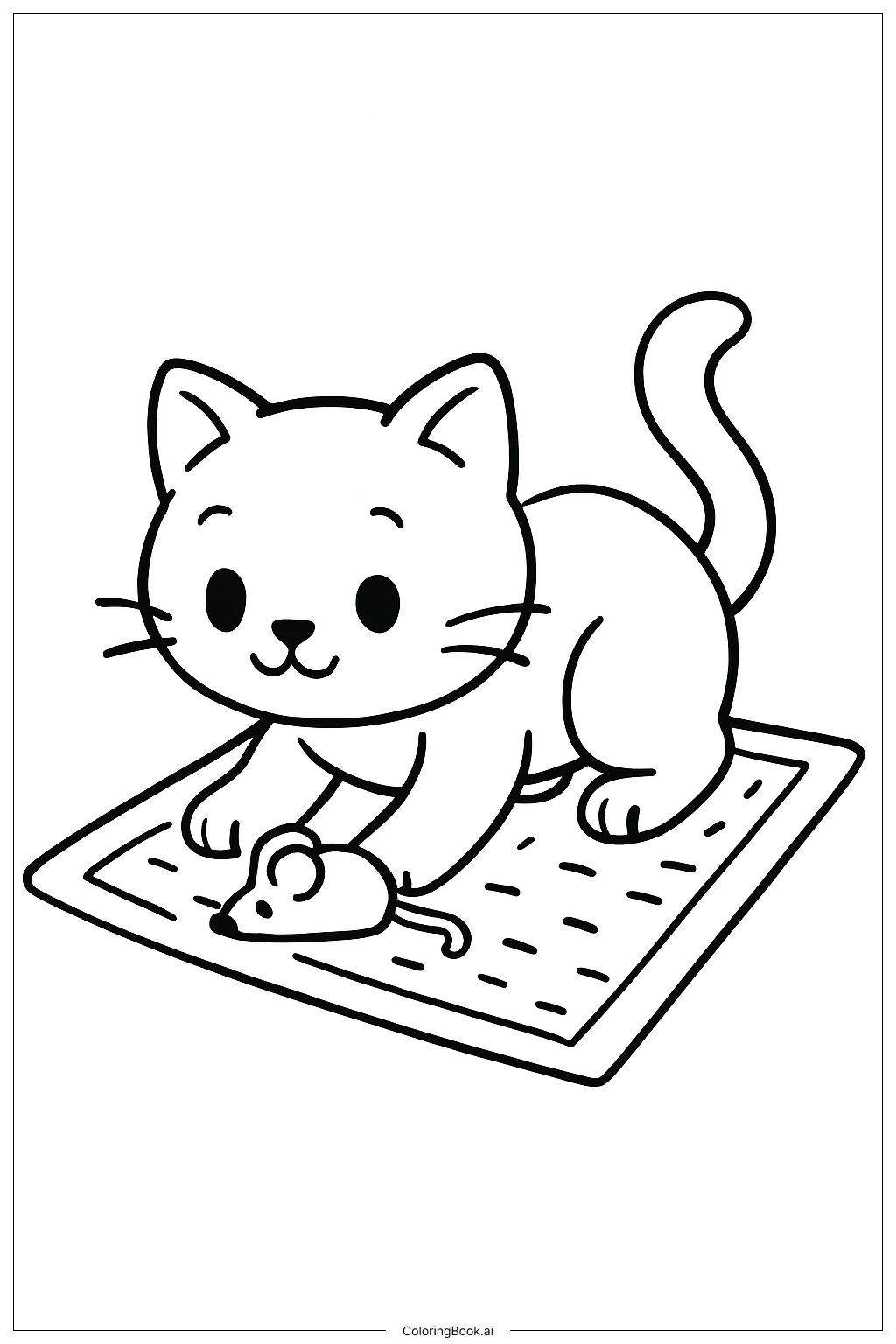
When coloring this cute cat, you can choose bright and cheerful colors. For the fur, soft shades of gray, orange, or cream work well. You might also consider adding fun patterns, like stripes or spots. The eyes can be colored a vibrant green or blue to make them stand out. The wall can be a light color, such as beige or pastel shades, to keep the focus on the cat. Be creative! You can also add a colorful background with flowers or toys to make the picture more lively.
Coloring challenges: Which parts are difficult to color and need attention for Cute Cat Peeking coloring page?
1. **Small Details**: The cat's face has small features, like its eyes and whiskers. These parts require careful coloring to ensure they look neat and defined. Younger children might find it challenging to color these fine details without going outside the lines.
2. **Choosing Colors**: Deciding on the best colors for the cat’s fur can be tricky. Kids may want to experiment with different shades, leading to potential confusion about color combinations.
3. **Shading Techniques**: If children want to add depth and dimension, they may experiment with shading. This requires practice and an understanding of how light affects color. Beginners might find it difficult to achieve the desired effect.
4. **Background Elements**: If children want to add a background, they need to plan how to blend colors. Creating a harmonious scene with the cat can be complicated for younger artists.
5. **Staying Inside the Lines**: Younger children sometimes struggle to stay within the lines, especially with the cat's tight spaces. This can lead to frustration and affect their enjoyment of the coloring experience.
Benefits of coloring books: Advantages of drawing Cute Cat Peeking coloring page
Coloring this cute cat can have many benefits for children. First, it helps improve fine motor skills. As kids color within the lines, they practice hand-eye coordination. This is important for their overall development.
Second, coloring encourages creativity. Children can choose their own colors and patterns, allowing them to express their individual style. This helps boost their confidence as they create unique artwork.
Third, coloring can be a calming activity. It allows children to focus and relax. This can be especially helpful after a busy day of school.
Finally, sharing their finished artwork with friends and family promotes social skills. Kids may enjoy discussing their color choices and artistic process, building communication skills.