Coloring tips: How to color Fluffy Bear Cub coloring page well?
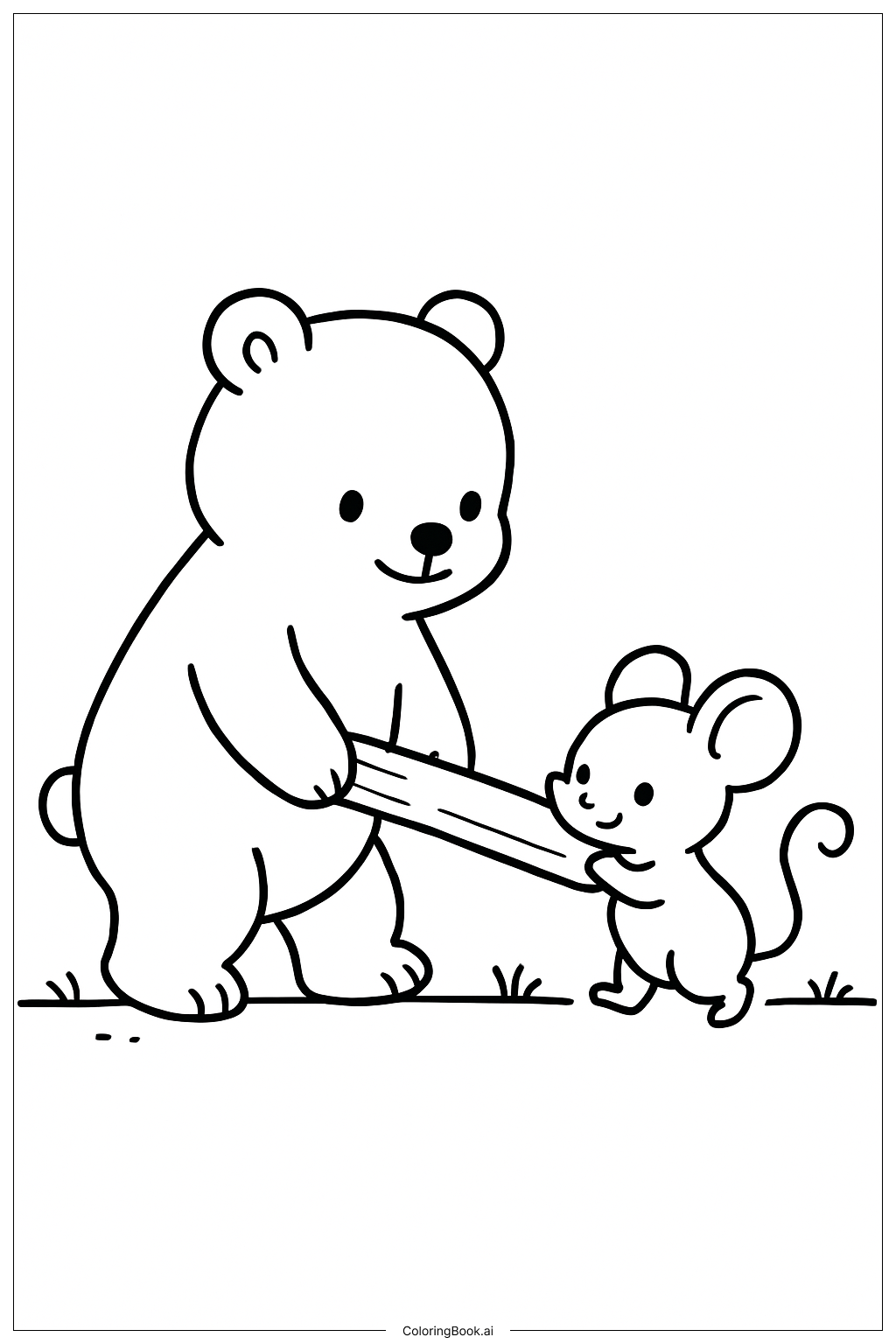
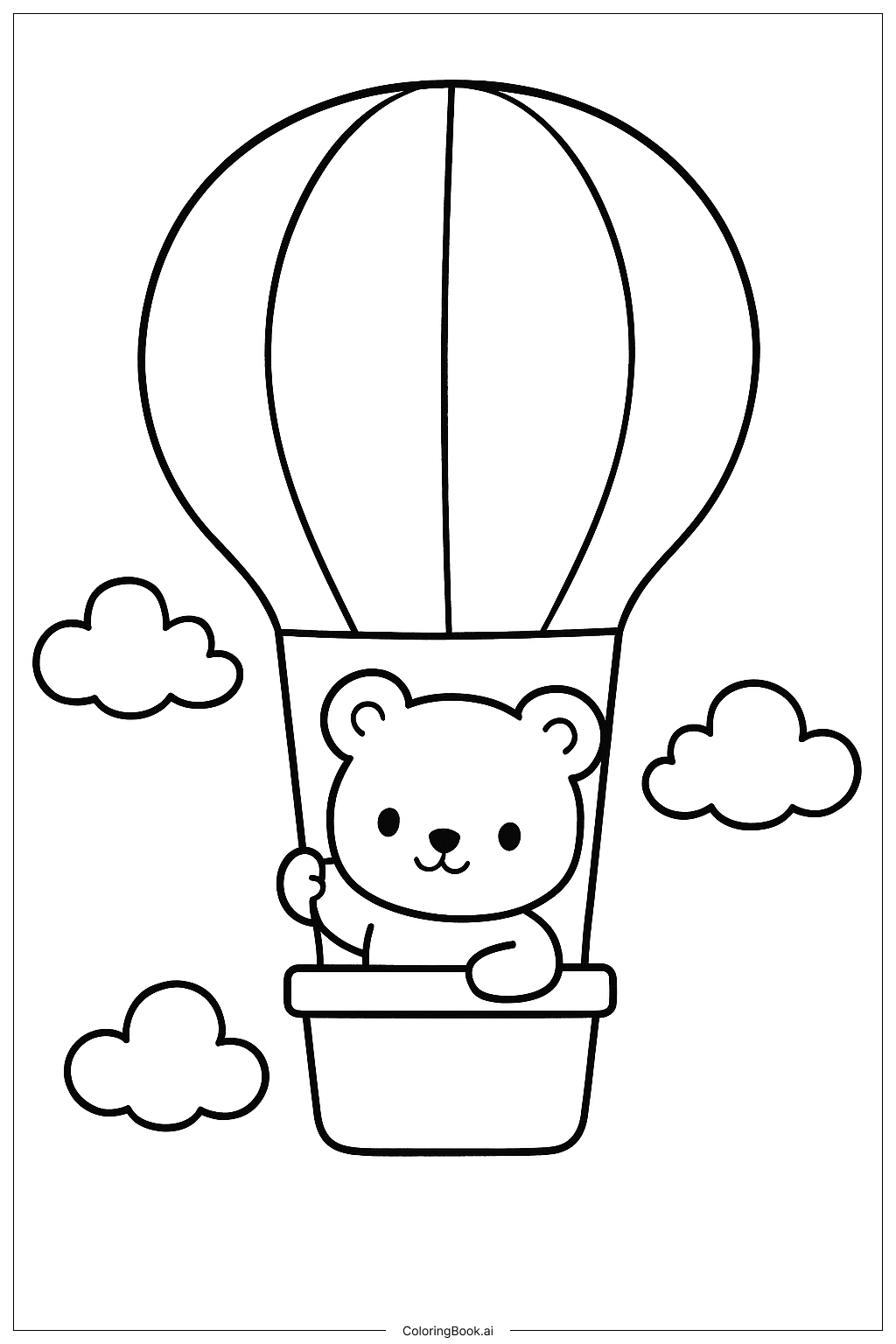
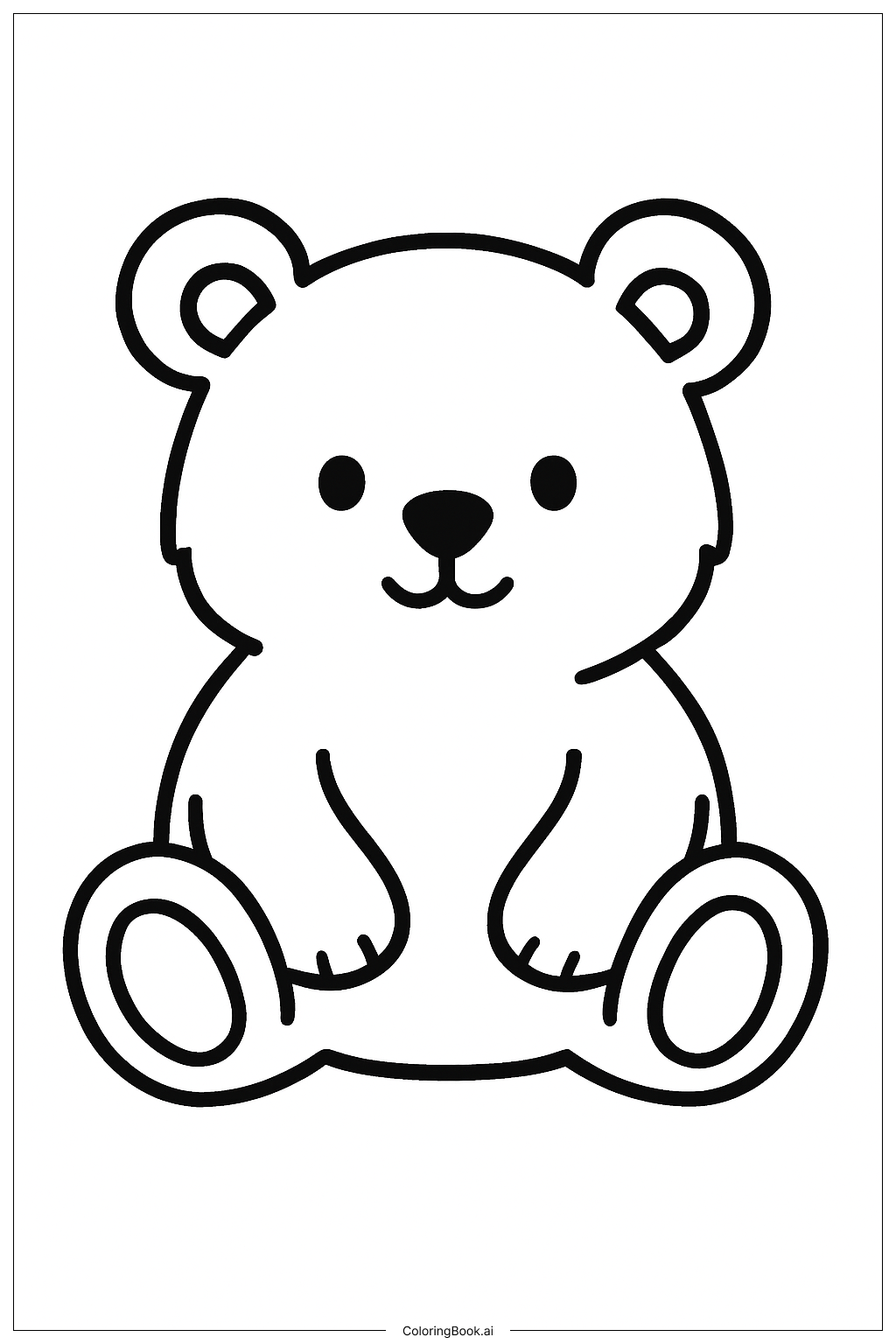
Start with the bear's fur by choosing warm, earthy tones. Light brown, honey gold, or tan work beautifully for the main body. Use a slightly darker shade of the same color for the belly, inner ears, and paw pads to add depth and softness. Try blending two shades of brown together to make the fur look fluffy and real. For the eyes, use dark brown or black with a tiny white dot left uncolored to show a sparkle. Color the nose dark brown or black. The inner ears look great in soft pink or peachy tones. You can also try a creative approach — color the bear in unusual shades like lavender, sky blue, or mint green for a fun, fantasy look. Add light shading along the edges of the body and under the chin to give the bear a three-dimensional, rounded feel. Take your time with the fur lines — short, light strokes following the direction of the lines will make the coat look natural and soft.
Coloring challenges: Which parts are difficult to color and need attention for Fluffy Bear Cub coloring page?
• Fur Texture Details: The bear cub's body is filled with many fine lines that represent its fluffy coat. Coloring each section of fur neatly without going outside the lines takes patience and a steady hand. Using a sharp pencil or a fine-tipped marker works best here. Rushing through this area can cause the fur to look flat or messy instead of soft and layered.
• Blending and Shading: To make the bear look round and three-dimensional, you need to blend light and dark shades of the same color smoothly. This can be tricky, especially for younger colorists. The key is to apply the lighter color first, then gently layer the darker tone over the edges and shadow areas without pressing too hard.
• Small Facial Features: The bear's face includes tiny details like the nose, eyes, and mouth. These areas are small and close together, making it easy to accidentally color outside the lines. Using a very fine-tipped tool and working slowly in these areas will help keep them clean and expressive.
• Paw and Ear Details: The inner ear and paw pads are small, defined sections that need a different color from the rest of the body. Staying within these small spaces while keeping a consistent look with the surrounding fur requires careful control and a tool with a fine tip.
• Color Consistency Across the Body: Keeping the same tone of brown or chosen color even across the whole bear can be challenging, especially if you are using colored pencils that vary in pressure. Try to use the same pressure throughout and layer colors gradually to keep the look uniform and polished.
Benefits of coloring books: Advantages of drawing Fluffy Bear Cub coloring page
Coloring this sweet bear cub page offers a wide range of benefits for kids and anyone who picks up the crayons. First, it helps build fine motor skills. Carefully coloring within the fur lines and small facial details trains the hands and fingers to move with precision and control. This is especially helpful for young children still developing their coordination. Second, it encourages creativity. Choosing colors, experimenting with shading, and deciding whether to go realistic or imaginative all spark creative thinking and self-expression. Third, it supports focus and patience. The detailed fur texture requires slow, mindful coloring, which helps children practice staying on task and working carefully toward a finished goal. Fourth, it provides a calming, stress-relieving activity. The repetitive, gentle motion of coloring is known to reduce anxiety and bring a sense of calm and satisfaction. It gives kids a healthy way to unwind after school or on a quiet afternoon. Finally, completing the page gives a sense of accomplishment and boosts confidence. Seeing a finished, colorful bear cub that they created themselves makes children feel proud and motivated to try more.