Coloring tips: How to color Cut Ribbon Bow coloring page well?
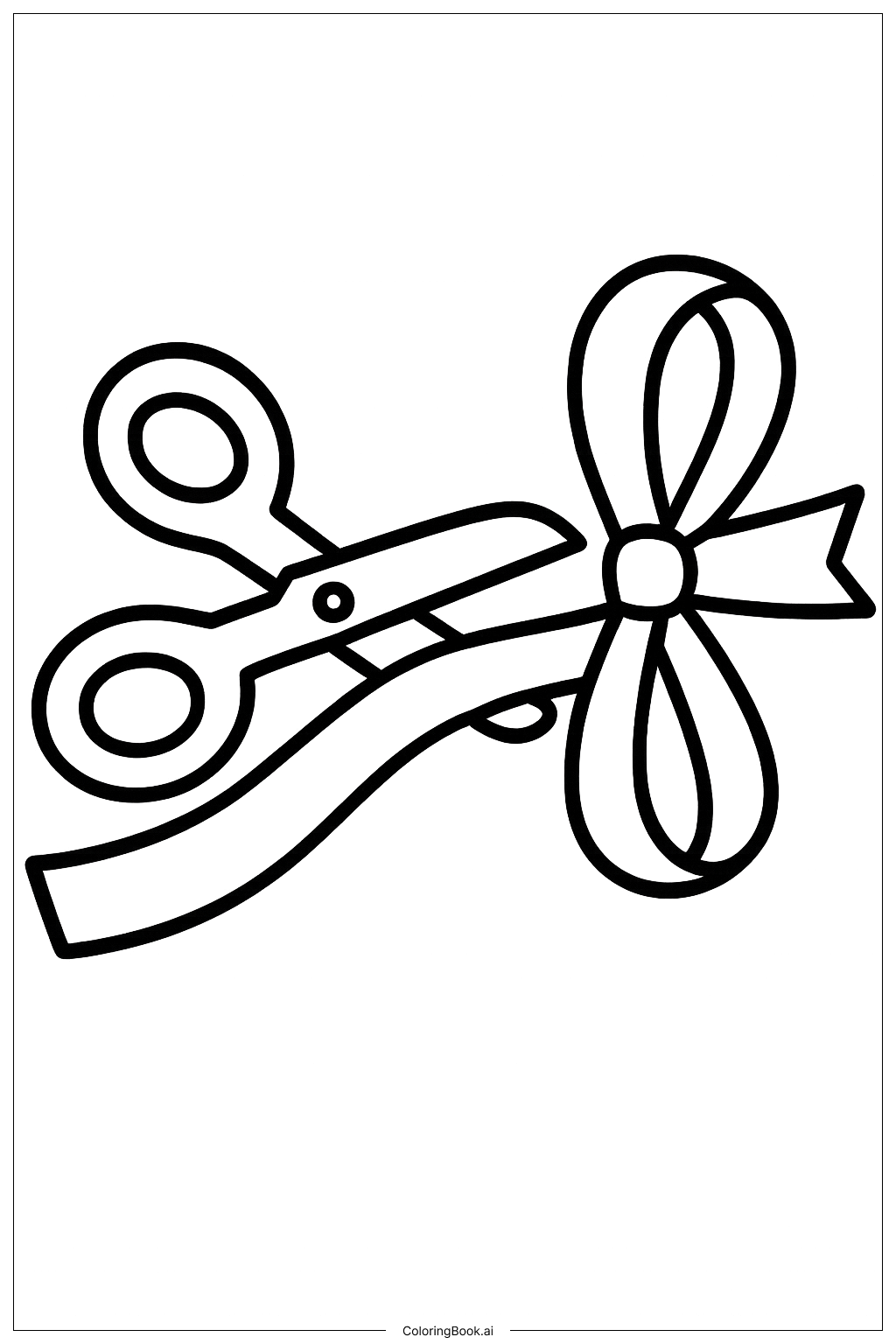
Use bright and lively colors like red, pink, or blue to make the ribbon bow stand out. Try shading the folds with darker tones of the same color to create depth and a three-dimensional effect. For the edges, choose a slightly lighter or contrasting shade to emphasize the cut lines. You can also add a sparkle effect using white or light yellow accents to show the shine of the ribbon material. Experiment with different color finishes such as matte or shiny by varying the pencil pressure or using crayons and colored pencils. Keep your strokes smooth to highlight the silky texture of the ribbon.
Coloring challenges: Which parts are difficult to color and need attention for Cut Ribbon Bow coloring page?
• Ribbon Loops: The multiple overlapping loops of the ribbon require careful coloring to distinguish each part clearly without mixing shadows. Staying within the lines around these curves can be tricky for younger children. • Shading Depth: Adding shadows to create realistic folds demands attention to light direction and smooth blending of colors, which might be challenging for beginners. • Fine Details: The thin lines indicating the ribbon’s edges and folds are delicate and require steady hand control to avoid smudging or coloring outside the borders. • Color Choice: Picking harmonious colors that look nice together and highlight the cut edges without making the image too busy can be difficult, especially for kids new to color theory. • Even Coverage: Keeping the coloring smooth and even across large areas like the ribbon tails requires patience and technique to prevent patchiness.
Benefits of coloring books: Advantages of drawing Cut Ribbon Bow coloring page
Coloring this Cut Ribbon Bow page helps improve fine motor skills as children practice precision within tight curves and lines. It encourages creativity in choosing colors and experimenting with shading techniques for depth and texture. Coloring the bow also enhances focus and patience, since the design has small details that require careful attention. For younger artists, it introduces basic concepts of light and shadow by showing how darker and lighter tones can bring dimension to a flat image. Finally, completing this cheerful motif can boost confidence and provide a sense of accomplishment.