Coloring tips: How to color Leisure Corgi coloring page well?
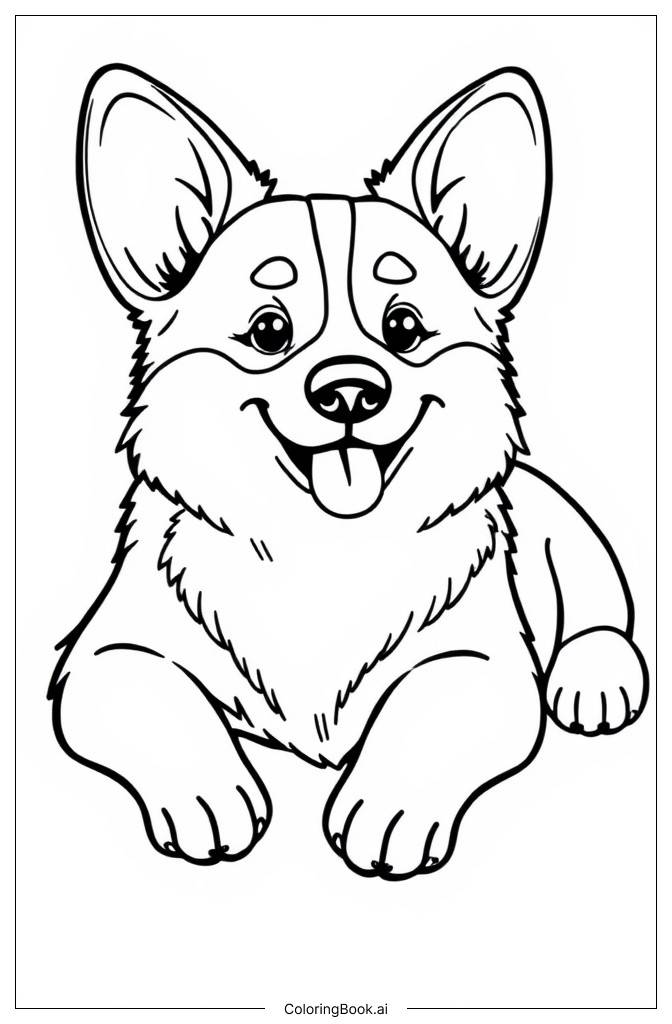
Start with the Corgi's body fur. Corgis usually have golden, tan, or reddish-brown coats, so warm shades like orange-brown, golden yellow, or caramel work great. Use white or cream for the belly, chest, and paws. The face can be a lighter tan with white accents around the muzzle and eyes. Color the large ears with a darker shade of the main body color. The nose can be dark brown or black, and the eyes can be warm brown with a small white highlight dot to make them look bright and alive. For the background, try soft greens, sky blue, or light yellow to create a calm, sunny atmosphere that fits the leisurely theme. Use lighter shades first and layer darker tones on top to add depth to the fur. Blending colors gently in the fur areas will make the Corgi look soft and fluffy.
Coloring challenges: Which parts are difficult to color and need attention for Leisure Corgi coloring page?
• Fur Texture and Layering: The Corgi's thick, fluffy coat can be tricky to color realistically. Getting the fur to look soft and layered requires using multiple shades of the same color family. You need to apply light base colors first, then carefully add darker tones along the edges and in shadow areas to create depth and dimension without making it look flat.
• Facial Details: The Corgi's face has many small, important features packed close together, including the eyes, nose, mouth, and the transition between the darker and lighter fur zones. Staying within the lines in this area takes patience and a sharp, fine-tipped coloring tool. Blending the tan and white fur around the muzzle and cheeks requires careful attention.
• Ear Shading: The large, upright ears are a defining feature of the Corgi, and they need shading to look three-dimensional. The inner ear area is typically a lighter pink or cream, while the outer edge should be darker. Capturing this contrast in a small, pointed area is a challenge for younger or less experienced colorists.
• Paw and Body Contrast: The white or cream-colored paws and belly need to stand out clearly from the warmer, darker body fur. Keeping these areas clean and bright while blending them naturally into the surrounding coat can be difficult, especially if darker colors accidentally bleed into lighter zones.
• Background Balance: Choosing a background color that complements the Corgi without overpowering the main subject is a subtle challenge. The background tone must be soft enough to let the dog remain the visual focus while still adding to the overall leisurely and cheerful mood of the scene.
Benefits of coloring books: Advantages of drawing Leisure Corgi coloring page
Coloring this Leisure Corgi page brings a wide range of fun and helpful benefits for kids and adults alike. For younger children, it helps develop fine motor skills and hand-eye coordination as they carefully fill in the Corgi's detailed features and stay within the outlines. Choosing colors for the fur, eyes, and background encourages creative thinking and boosts confidence in making artistic decisions. For older kids and teens, the layering and shading challenges help build patience and attention to detail, skills that carry over into school and everyday life. The calming, repetitive motion of coloring is also a great stress reliever, helping kids and adults unwind and focus their minds in a peaceful way. The lovable subject matter makes the activity especially enjoyable. Dogs, especially friendly breeds like the Corgi, naturally bring feelings of warmth and happiness, making this page a mood booster from the moment you start. Completing the page also gives a strong sense of accomplishment. It is a simple, screen-free activity the whole family can enjoy together, making it a wonderful bonding experience as well.