Coloring tips: How to color Cute Corgi Playing in Snow coloring page well?
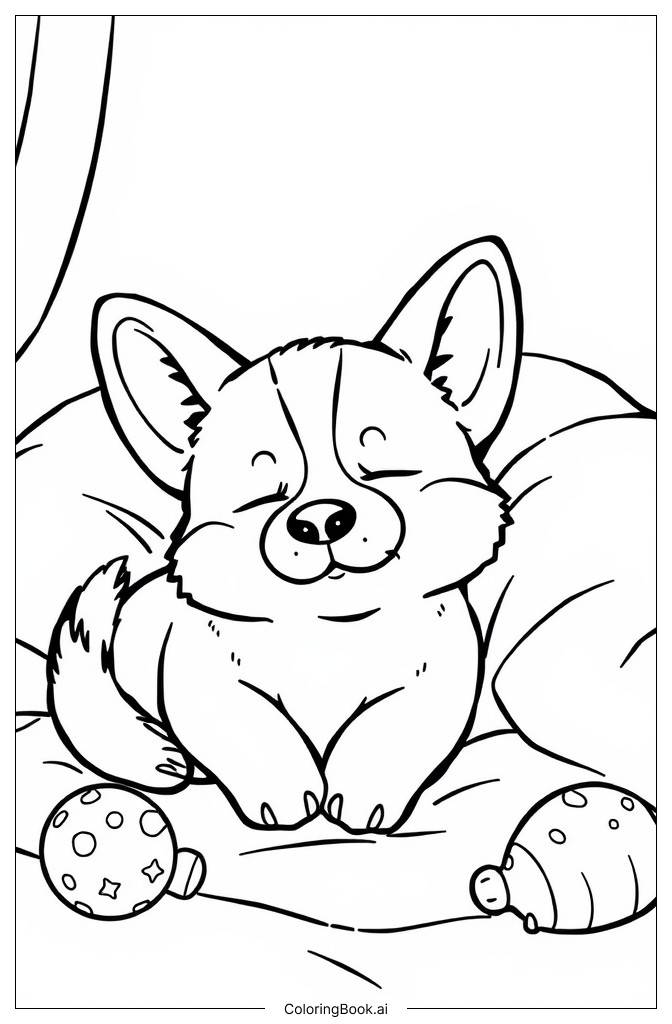
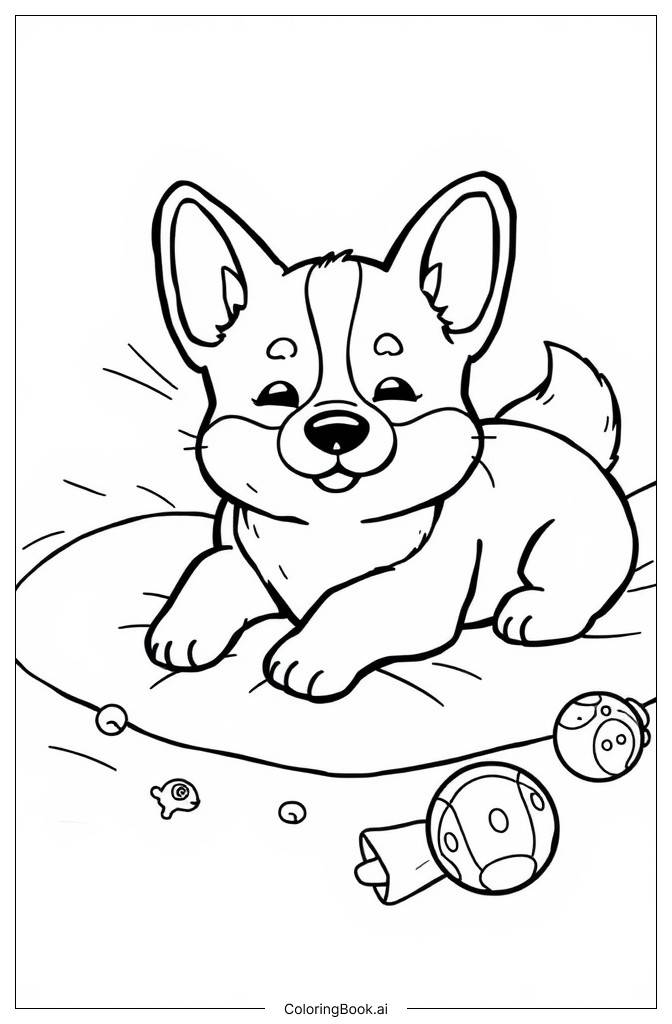
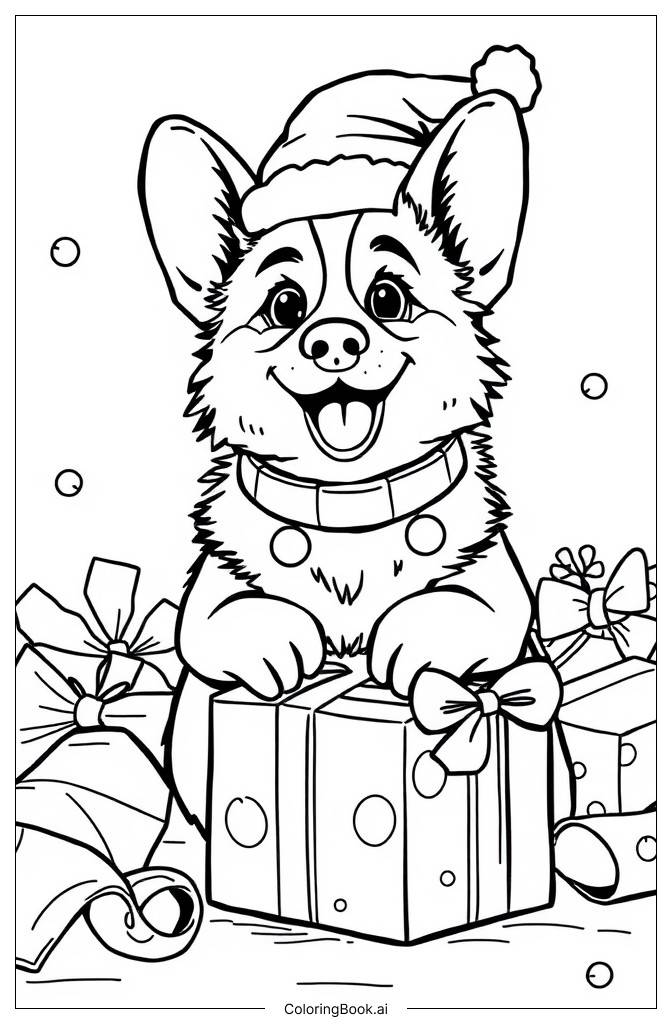
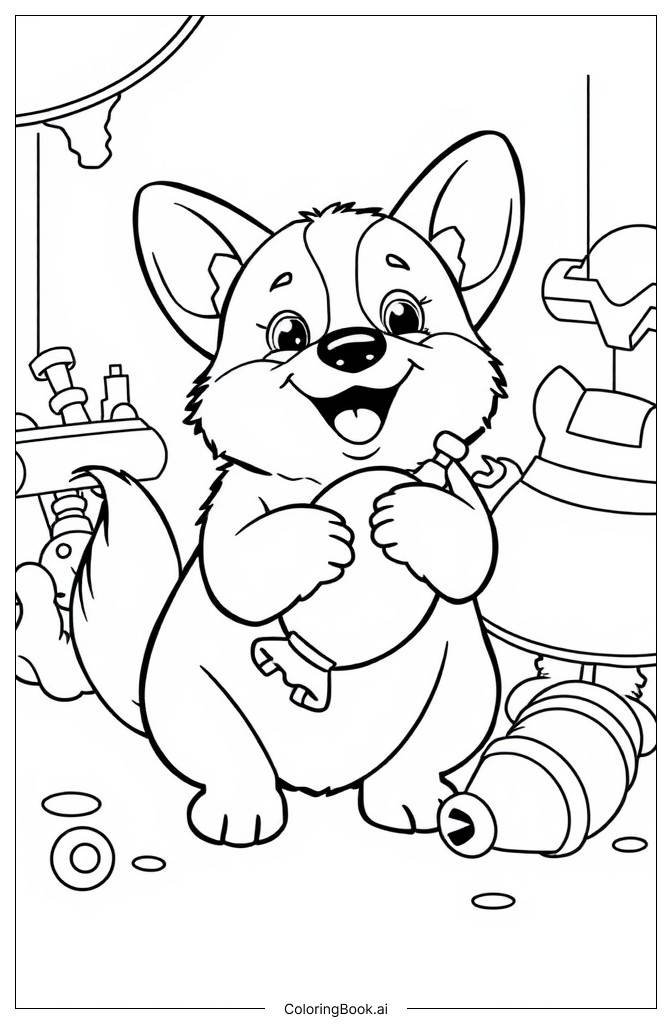
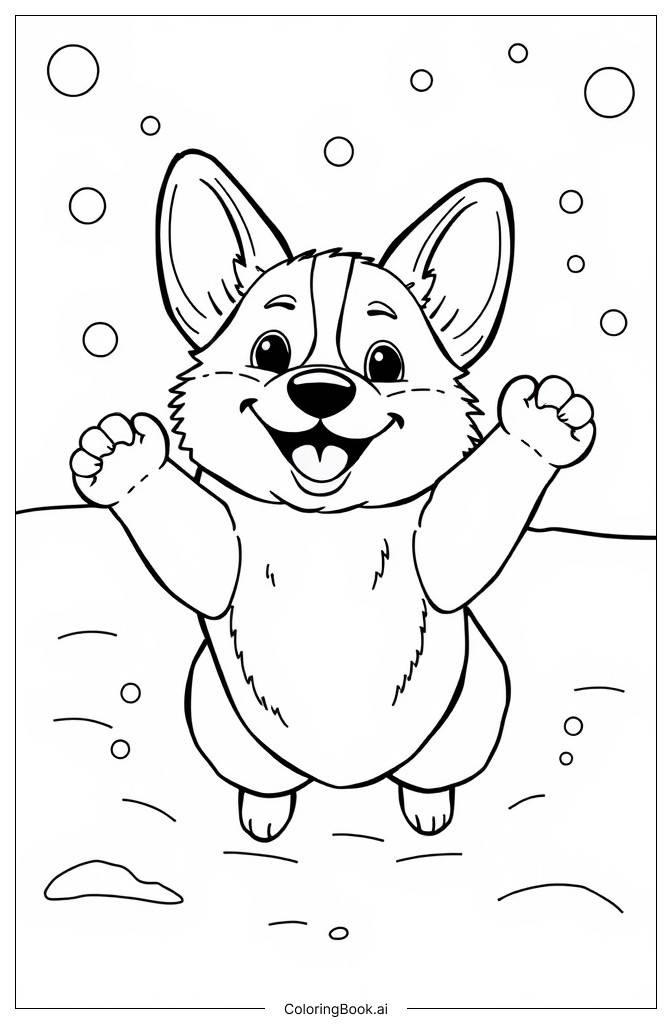
Start with the corgi's fur. Corgis usually have golden-orange and white coats. Use warm shades like golden yellow, light brown, and orange for the back and ears. Leave the chest, belly, and paws white or cream. For the nose and eyes, use dark brown or black to make them stand out. Color the tongue a bright, happy pink. For the snow, use pale blue or white with light blue shadows to give it a soft, icy look. Add a few light gray or lavender tones to the snowflakes and snowbanks to create depth. The background sky can be a soft baby blue or a cool lavender. Keep the colors light and bright to match the playful, joyful mood of the scene. Take your time on the fur details — short, gentle strokes work best to show the fluffy texture. Have fun with it and let your creativity shine!
Coloring challenges: Which parts are difficult to color and need attention for Cute Corgi Playing in Snow coloring page?
• Fur Texture Details: The corgi's coat has many fine lines showing layers of fluffy fur. Coloring these small, closely spaced lines neatly takes patience. Using short, directional strokes that follow the fur flow will make the coat look natural and full of life. Switching between shades of golden yellow, light orange, and cream adds depth without making the fur look flat.
• Color Transitions on the Body: Corgis have a two-tone coat with golden-orange on top and white underneath. Blending these two colors smoothly where they meet on the sides, chest, and face is tricky. Going too sharp makes the dog look patchy, while being too soft loses the breed's distinct markings. Building up color gradually in the transition zone works best.
• Snow Shading and Depth: Snow is not just white. It has soft shadows in blues, grays, and purples that give it shape and depth. Coloring the snow completely flat makes the scene look dull. Adding subtle shading under paw prints, around snowballs, and along the snowbanks will bring the wintery ground to life without making it look muddy.
• Small Facial Features: The corgi's face has tiny, expressive features — round eyes, a small dark nose, and a lolling tongue. These small areas require a fine-tipped tool and a steady hand. Getting the eyes right is especially important because they carry most of the puppy's cheerful expression.
• Falling Snowflakes: The small snowflakes scattered across the scene are delicate. Leaving them white while adding subtle blue or gray outlines helps them pop against both the fur and the sky background without becoming lost in the overall image.
Benefits of coloring books: Advantages of drawing Cute Corgi Playing in Snow coloring page
Coloring this cute corgi scene brings a wide range of wonderful benefits for kids and families alike. First, it builds focus and patience. Working through the fine fur details and small facial features trains young colorists to slow down and pay close attention, skills that carry over into schoolwork and everyday tasks. Second, it develops fine motor skills. Holding crayons or colored pencils and staying within the lines strengthens hand muscles and improves control, which helps with writing and drawing. Third, it sparks creativity. Choosing colors for the snow, sky, and the corgi's fluffy coat encourages children to make their own artistic decisions and trust their instincts. There is no single right answer, and that freedom is exciting. Fourth, it is calming and stress-relieving. The gentle, rhythmic motion of coloring helps kids unwind and find a peaceful, focused headspace — great after a busy school day. Finally, the cheerful winter theme brings joy and warmth. Seeing a happy puppy playing in the snow is simply fun, and finishing a colorful, completed page gives a real sense of pride and accomplishment. It is a perfect activity for a quiet afternoon indoors!