Coloring tips: How to color Cute Corgi coloring page well?
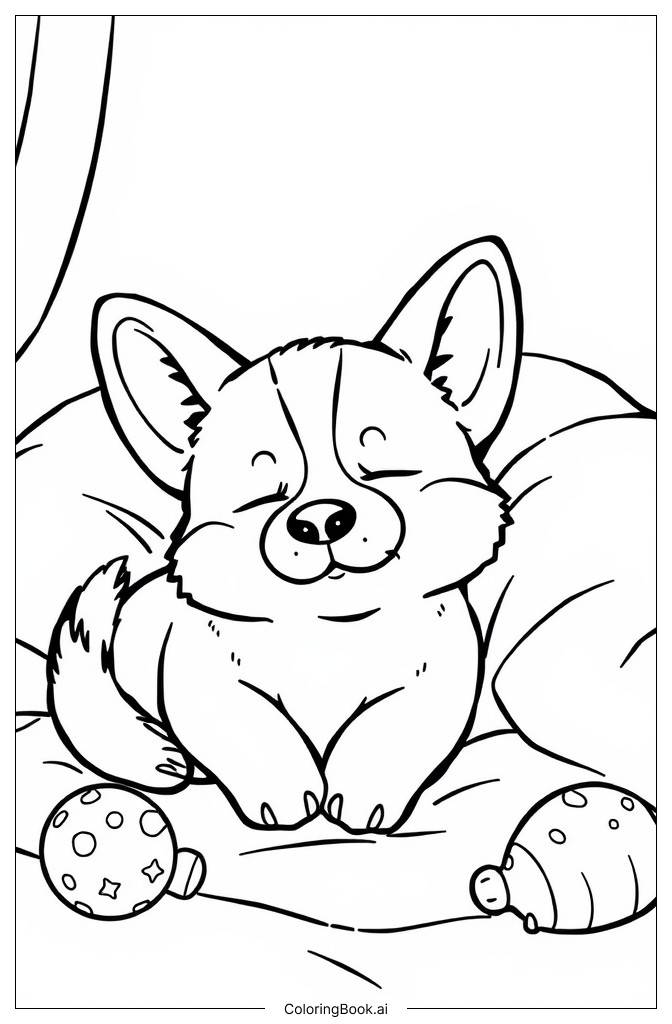
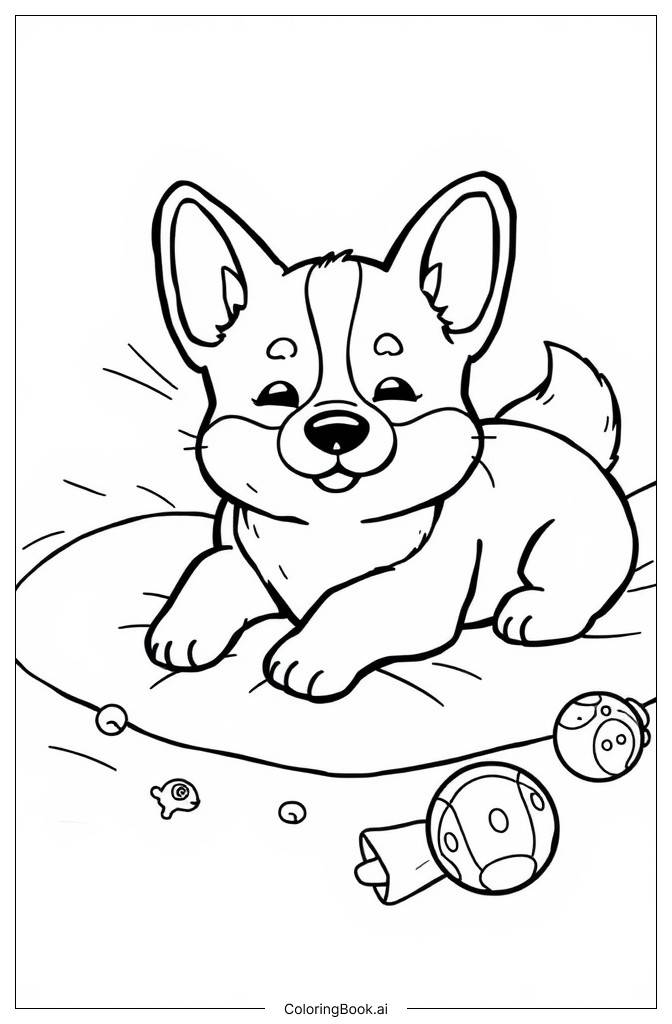
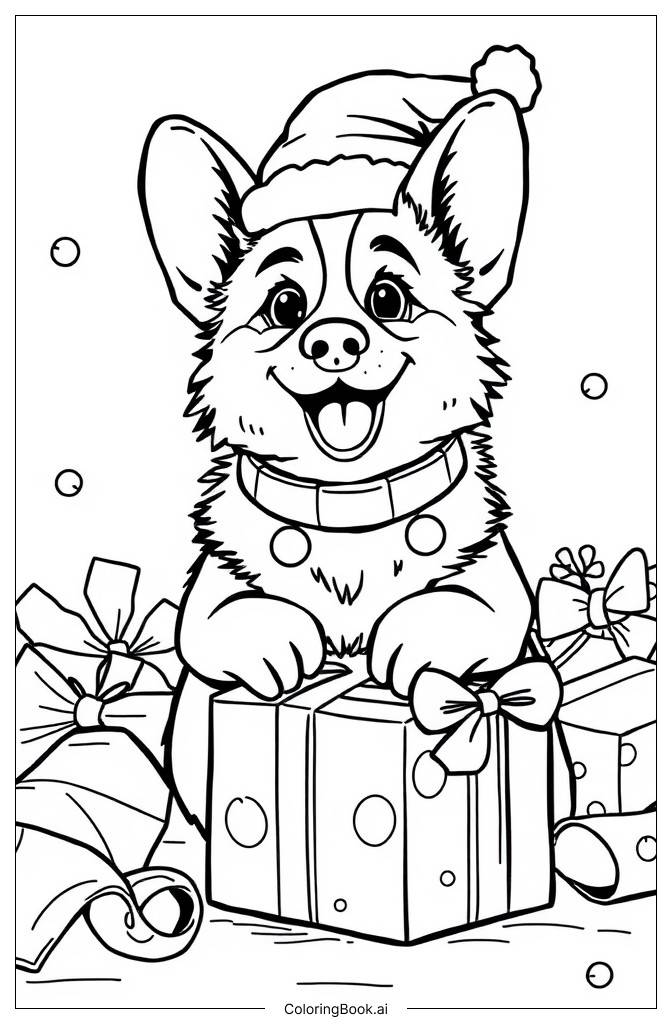
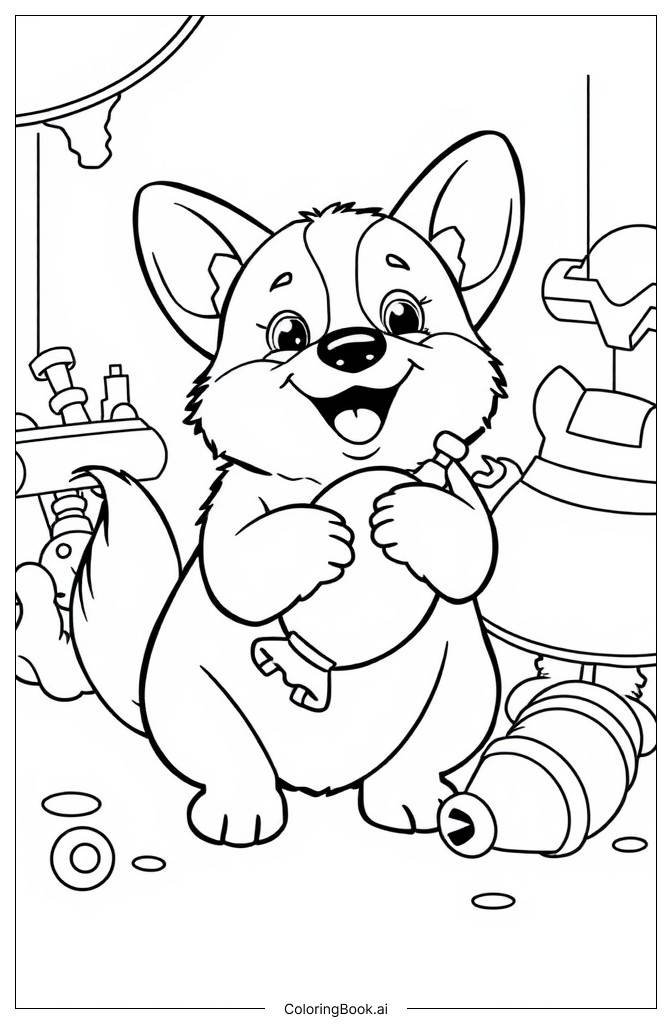
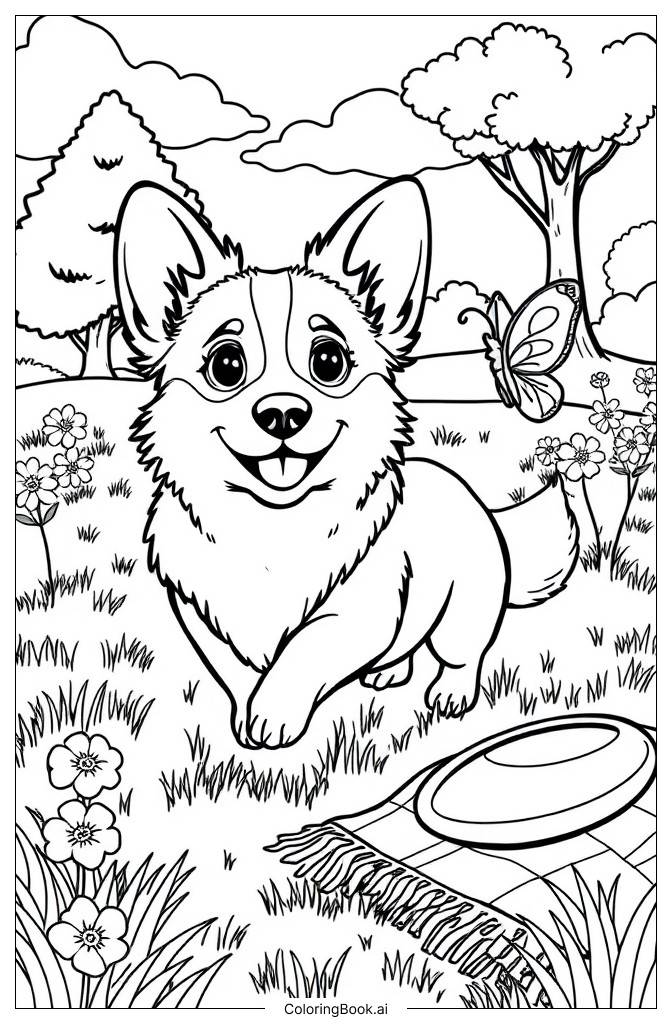
Try using warm colors like orange, light brown, or tan to color the corgi’s fur because these colors suit its friendly and lively look. You can add some white patches on the corgi’s chest, face, and paws for more realism. For the eyes, use black or dark brown with a small white spot left uncolored to create a shiny effect. The background flowers can be colored in bright, contrasting colors such as red, yellow, or pink to make them stand out. Don’t forget to color the ball and the bone with fun colors like red and blue to make the scene more playful. Feel free to add your own creative colors to make your Cute Corgi unique!
Coloring challenges: Which parts are difficult to color and need attention for Cute Corgi coloring page?
• Small Details: The corgi’s eyes, ears, and nose have small spaces that require careful coloring to avoid going outside the lines. Young artists may need to color slowly here.
• Fluffy Fur Texture: Showing the fluffiness with coloring takes patience, especially in areas like the chest and cheeks where the fur looks soft and layered.
• Background Objects: The ball, bone, and flowers have different shapes and sizes which might need different coloring techniques, making it a bit challenging to keep each object distinct.
• Short Legs and Paws: The paws have tiny pads and claws which might be tricky to color neatly, requiring fine control.
• Keeping Clean Edges: Since the corgi’s shape has curves and small spaces between limbs and body, maintaining clear, clean edges can be difficult for beginners.
Benefits of coloring books: Advantages of drawing Cute Corgi coloring page
Coloring this Cute Corgi helps children practice their fine motor skills by staying inside the lines and controlling small areas. It also encourages creativity through choosing colors and combining bright shades for the background and accessories. This activity can improve focus and patience, as kids will need to concentrate to color small details well. Additionally, it promotes a connection with animals, fostering empathy and appreciation for pets. Coloring the playful scene can be relaxing and boost confidence as children complete their colorful masterpiece.