Coloring tips: How to color Cool Little Whale coloring page well?
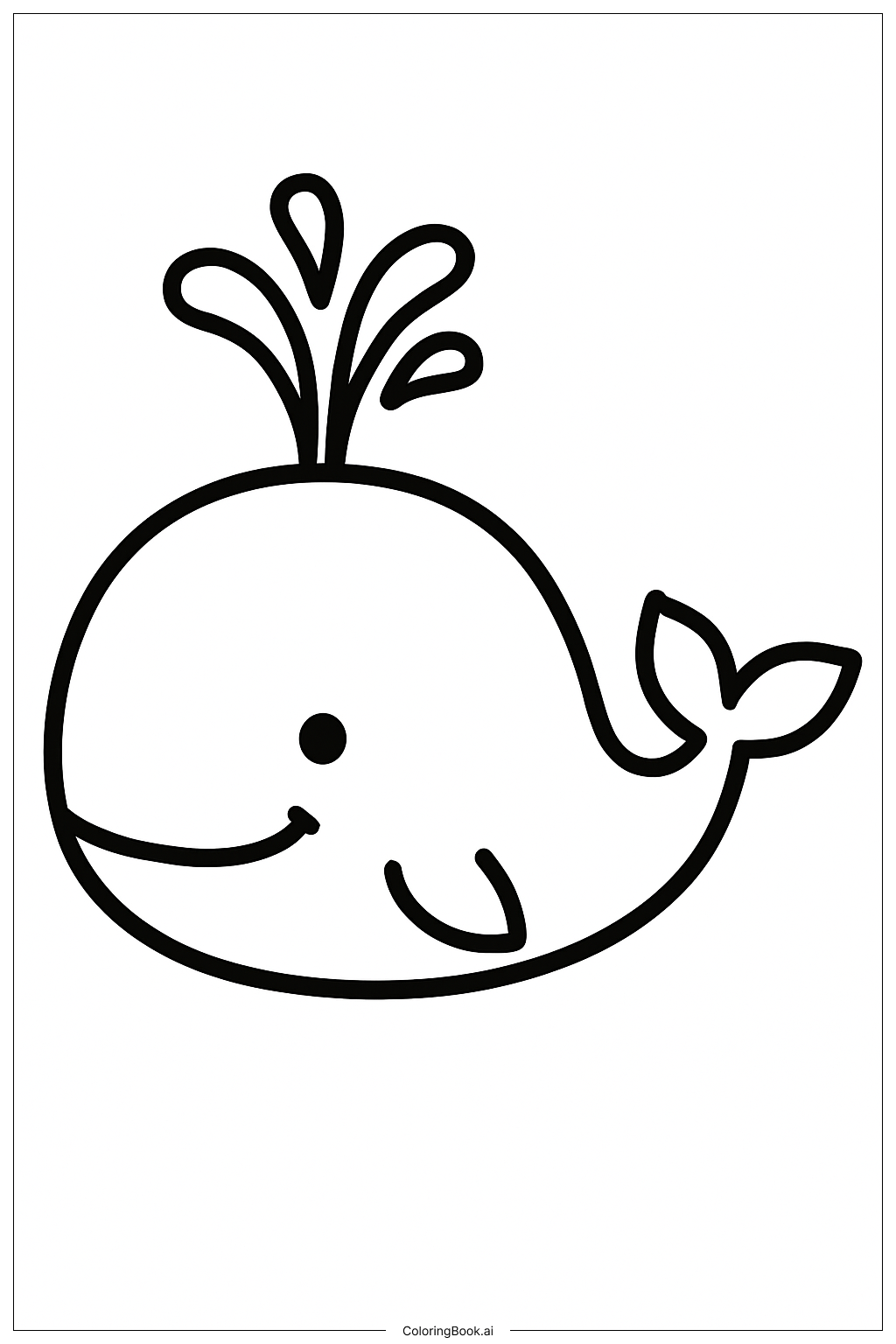
For coloring this whale, consider using shades of blue for the body to represent the ocean's color. You could also use bright turquoise or even purple for a fun twist. The spouts can be colored bright blue or white to show the water splashing. The whale's facial features, like the eyes and mouth, can be colored black or dark brown to make them stand out. Don’t forget to add a colorful background, perhaps with some seaweed in green or colorful fish to enhance the underwater scene.
Coloring challenges: Which parts are difficult to color and need attention for Cool Little Whale coloring page?
1. **Detailing**: The small features, like the eyes and mouth, require precision. Kids might struggle a bit to color these without going over the lines.
2. **Color Blending**: To make the whale look more realistic, using different shades of blue and blending them can be tricky for beginners. They might need practice to achieve smooth color transitions.
3. **Water Splashes**: Coloring the splashes can be challenging as kids might want to use multiple colors. Making water look lively requires some skill in mixing colors appropriately.
4. **Background Elements**: Adding details like fish and seaweed can be overwhelming. Children may find it hard to decide what colors to use or how to fill in those spaces without overcrowding the picture.
5. **Creativity**: Encouraging unique colors may lead to choices that kids find difficult to visualize, making it less appealing if it doesn’t match their initial idea of a whale.
Benefits of coloring books: Advantages of drawing Cool Little Whale coloring page
Coloring this whale can be a lot of fun! It helps children express their creativity as they choose colors that represent their imagination. Coloring also improves fine motor skills, which are important for writing and other tasks. It encourages focus and patience, helping kids to calm down and get absorbed in their work. Additionally, using different colors allows kids to experiment with color mixing and shading. This can be a great way to learn about colors and develop an appreciation for art. Overall, it’s not just about coloring a picture; it’s about enhancing skills that children will use in the future.