Coloring tips: How to color Clown Performing Final Act coloring page well?
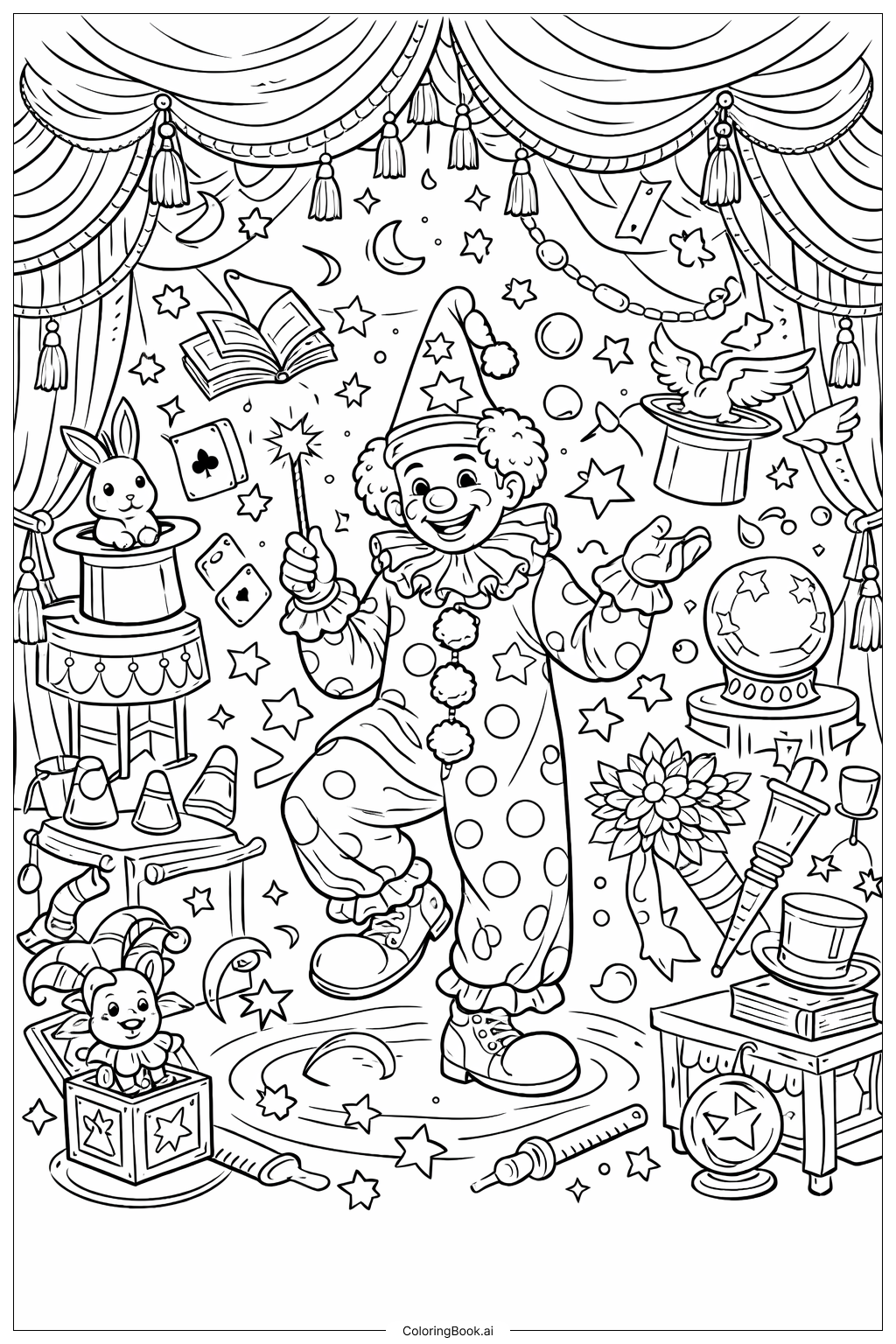
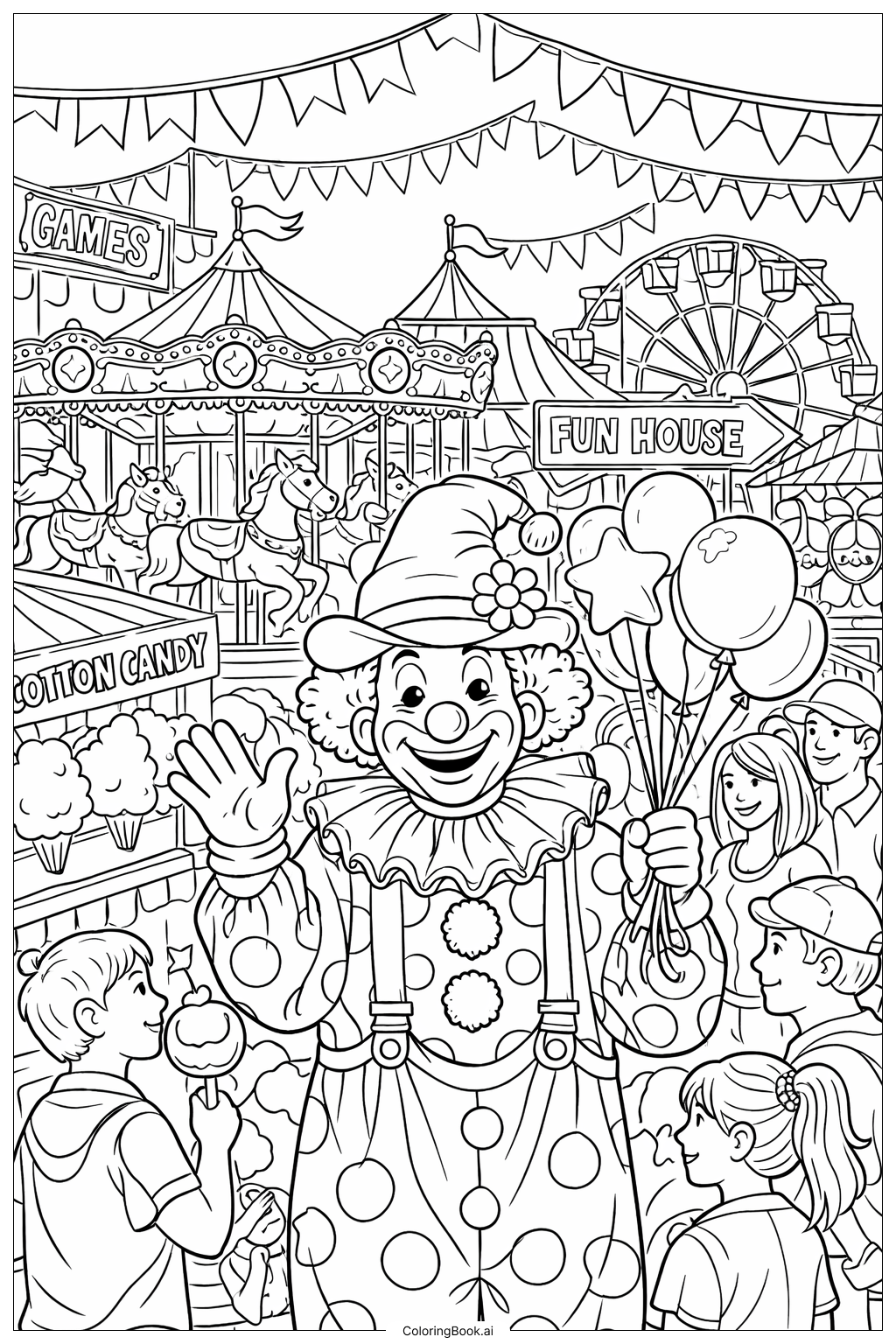
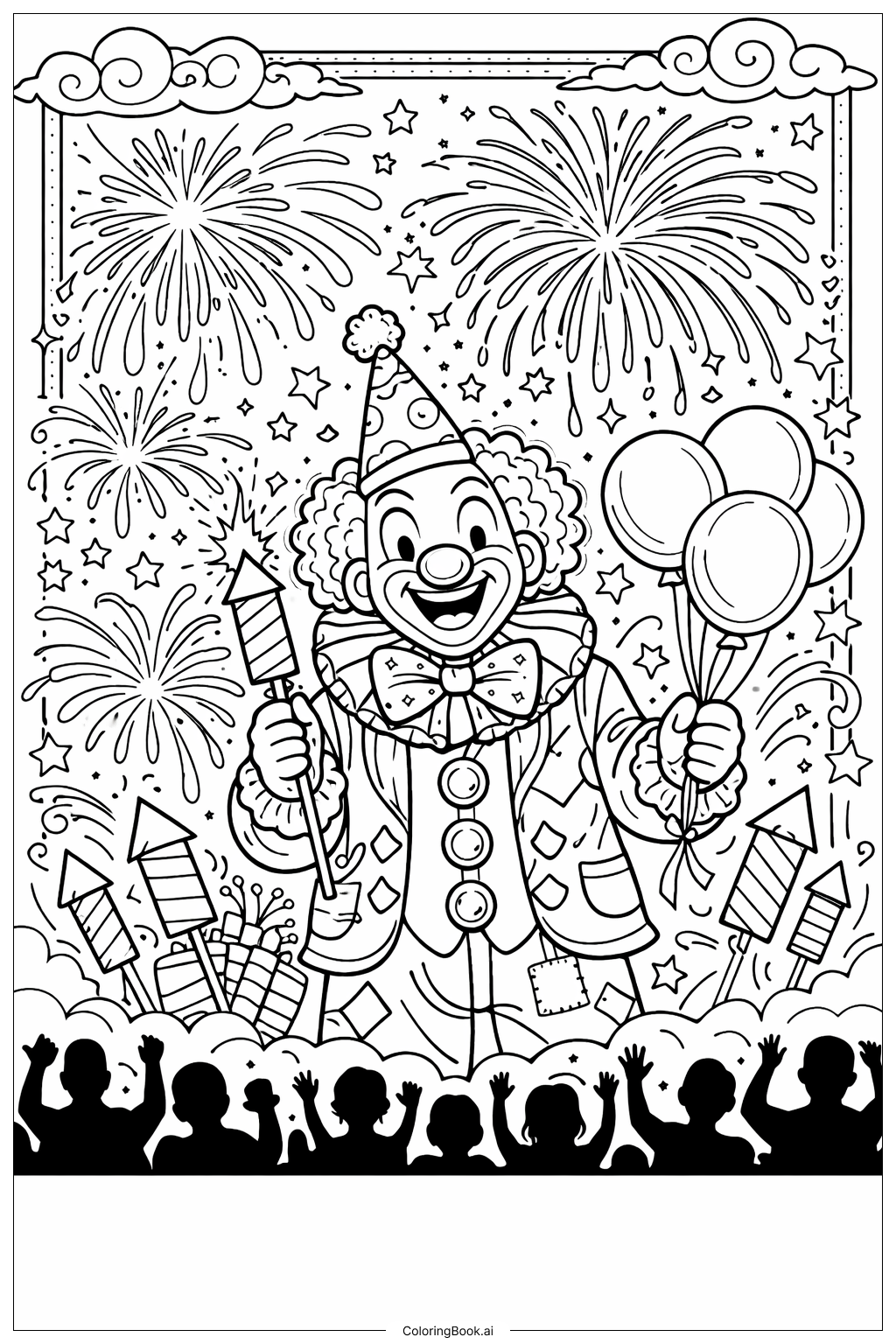
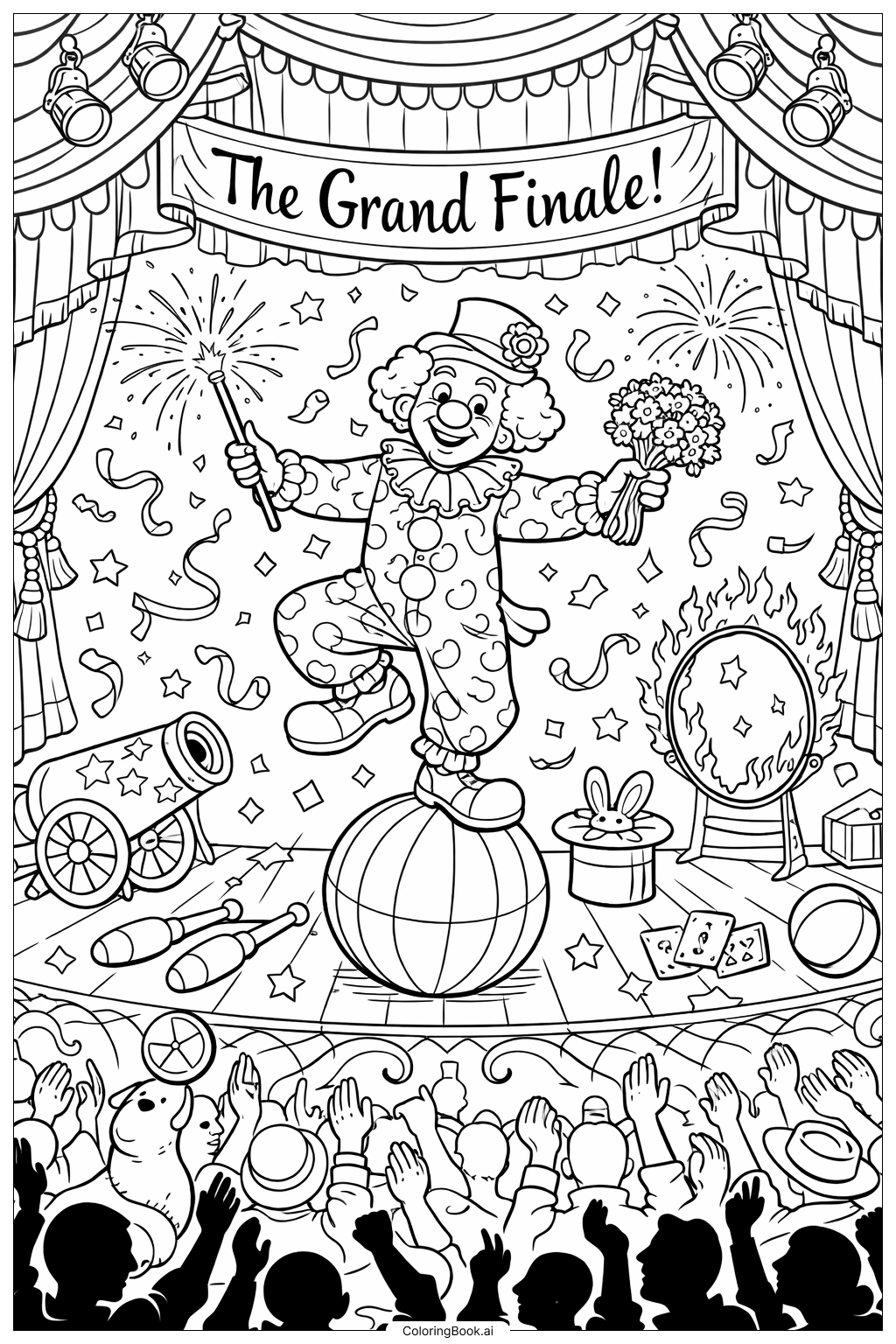
Start with the clown's face before moving to the costume. Use a light skin tone or a pale white base for the face, then carefully add the painted makeup in bright reds, blues, and blacks. For the eyes, try a bold color like electric blue or deep purple to make them stand out. The nose is best colored in a vivid red or orange. Next, move to the costume. Clowns love wild color combinations, so feel free to mix yellows, greens, pinks, and oranges across the ruffles, patches, and polka dots. Try to give each section its own unique color so every detail pops. For the props — juggling balls, balloons, or a hat — pick colors that contrast with the costume so they are easy to spot. Finally, fill in the background with warm spotlight yellows or deep stage curtain reds and purples to give the scene a dramatic theater feeling. Use colored pencils for small details and broader markers or crayons for large background areas. Most importantly, have fun and let your imagination lead the way!
Coloring challenges: Which parts are difficult to color and need attention for Clown Performing Final Act coloring page?
• Costume Patterns and Textures: The clown's outfit is filled with ruffles, polka dots, stripes, and layered fabric folds. Staying inside each tiny section without overlapping into neighboring areas takes careful control. Young colorists may find it helpful to use a fine-tipped marker or a sharpened colored pencil for these tight spots before filling in larger areas.
• Facial Expression Details: The clown's face includes exaggerated makeup features such as wide painted eyes, a large nose, arching brows, and a broad mouth. These elements sit very close together, making it easy to accidentally blend or smear colors. Taking your time on each feature and letting one color dry before moving to the next will help keep the face looking clear and lively.
• Props and Accessories: Any juggling items, balloons, hats, or stage props in the scene have their own shapes and outlines that need distinct colors to stand out from the body and background. Deciding which colors to use for each prop so they do not blend visually with the costume requires some planning ahead.
• Stage Background Elements: The background may include curtains, spotlights, floor markings, or crowd hints. These large open areas can be tricky to fill evenly without streaks or uneven patches, especially when using crayons or watercolors.
• Color Coordination Across the Whole Scene: Clowns are famous for wild, clashing colors. Choosing a palette that is exciting but still readable — so each part of the image is easy to identify — is a fun but real challenge for colorists of all ages.
Benefits of coloring books: Advantages of drawing Clown Performing Final Act coloring page
Coloring this clown scene offers wonderful benefits for kids and adults alike. First, it builds focus and patience as you carefully fill in each detail of the costume, props, and background. Working through the many small sections helps train a steady hand and sharp eye. Second, it sparks creativity. Choosing bold, unexpected colors for the clown's outfit encourages kids to think outside the box and express themselves freely. Third, it provides a fun way to learn about color mixing and contrast — for example, pairing bright reds with deep purples to make a costume pop. Fourth, this image tells a story, so coloring it also boosts imagination. Children can picture the crowd watching, the music playing, and the final bow. Fifth, completing a detailed scene like this builds a real sense of pride and accomplishment. When the page is finished, it looks like a true piece of art worth displaying. Overall, this is a joyful, rewarding activity for Boys, Girls, and Adults of all skill levels.