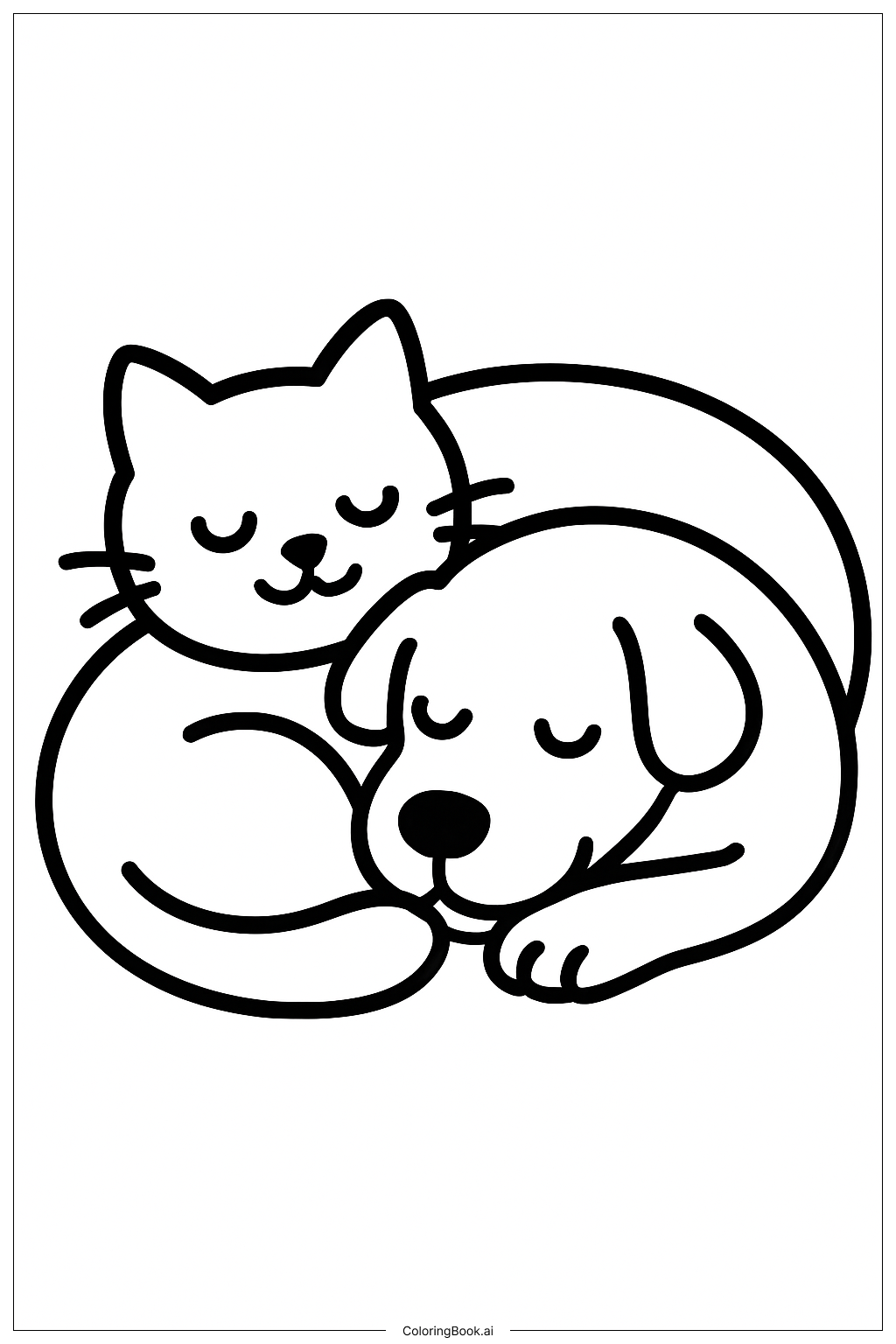
Coloring tips: How to color Cat And Dog Sleeping coloring page well?
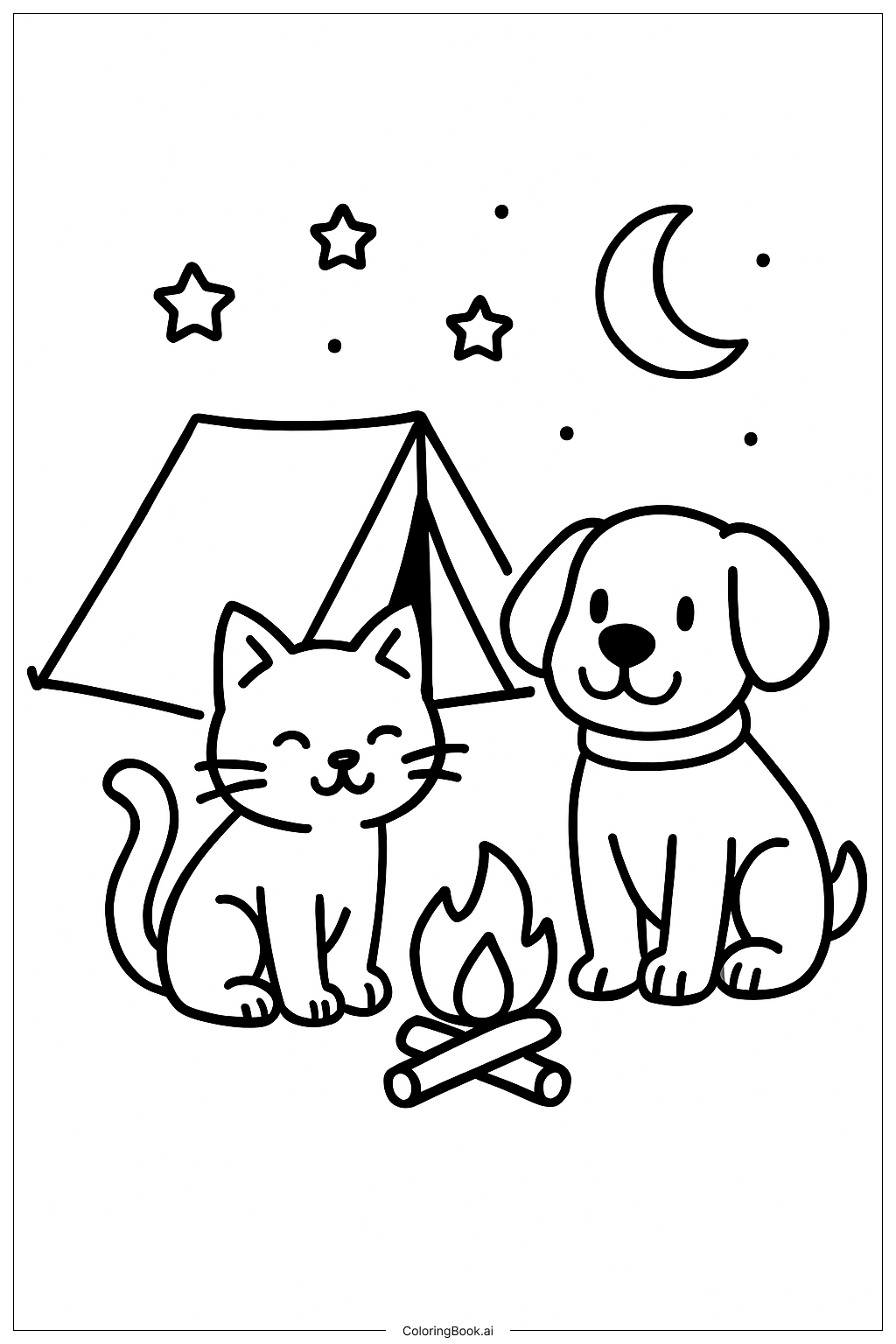
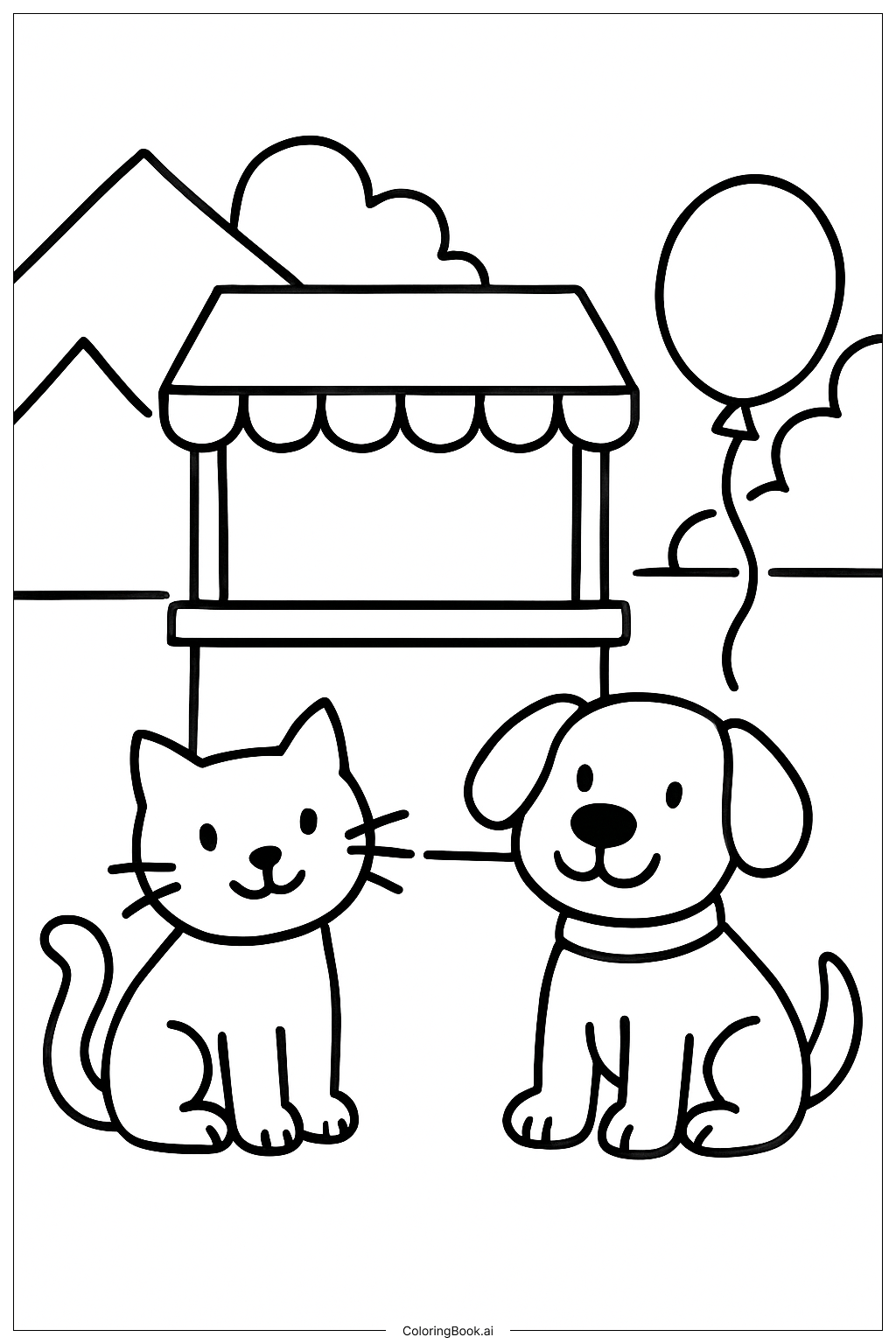
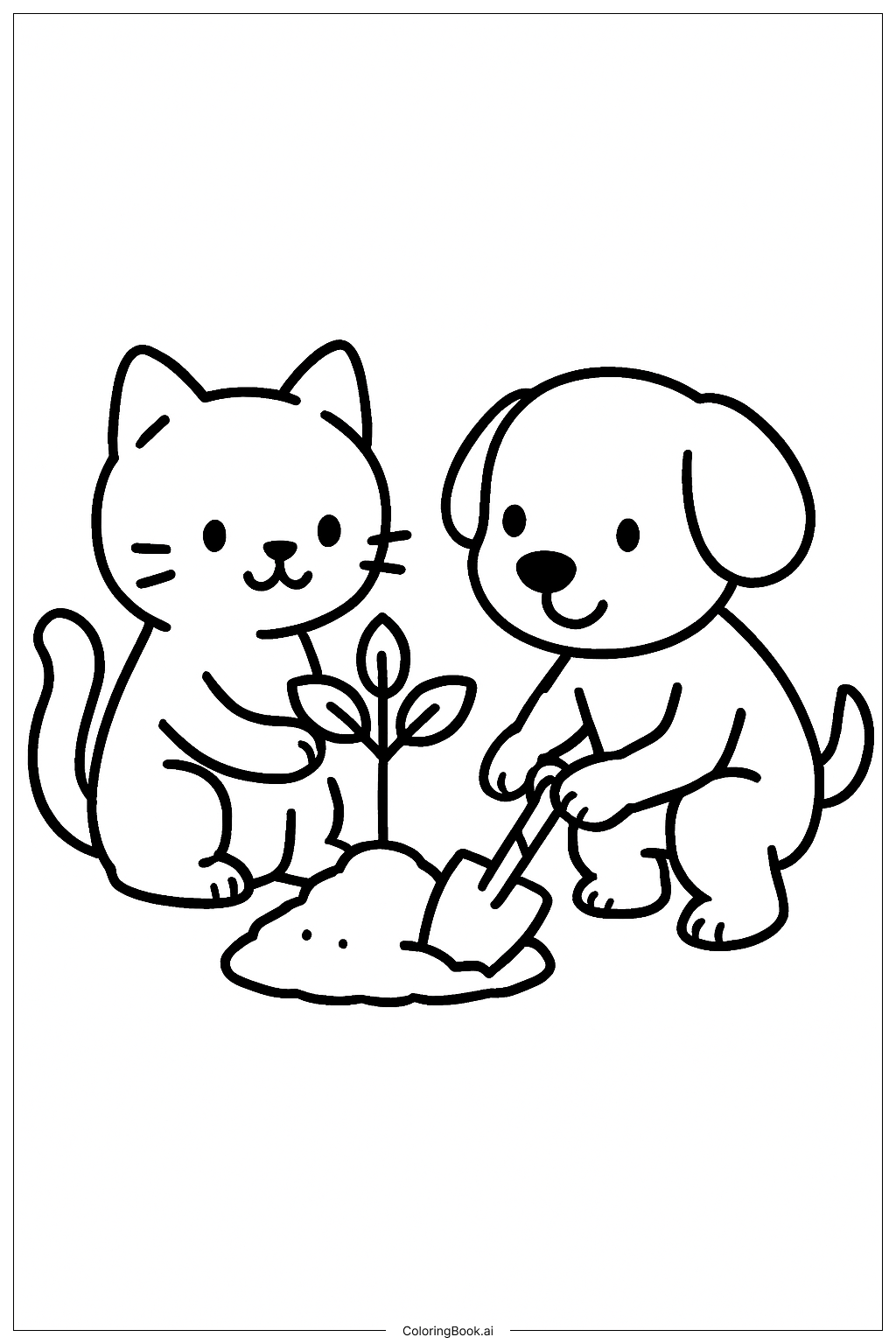
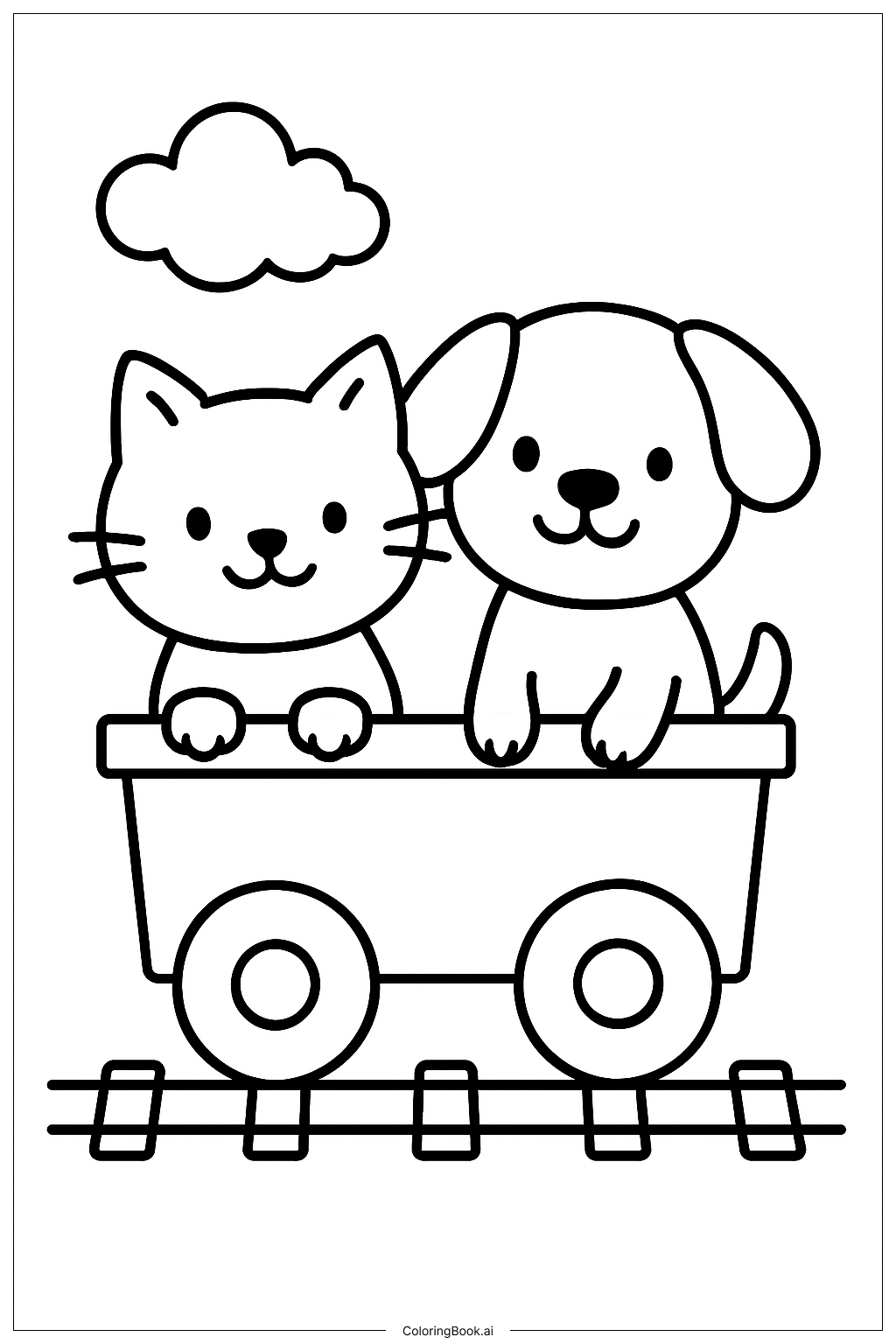
You can use warm and soft colors to bring this scene to life. For the dog, try shades of brown, tan, or white depending on the breed you imagine. The cat can be colored with gray, orange, black, or even a mix to show patterns like stripes or spots. Use light pink for the nose and inner ears to add a delicate touch. For the background, calm colors like light blue or pastel green work well to keep the peaceful mood. Remember to color the shadows gently to show the softness of the fur and the comfort of the sleeping animals.
Coloring challenges: Which parts are difficult to color and need attention for Cat And Dog Sleeping coloring page?
• Fur Texture: Capturing the softness of both the cat’s and the dog’s fur can be challenging because it requires gentle shading and layering of colors to avoid harsh lines.
• Similar Shapes: Since both animals are curled up closely, it can be hard to keep their outlines distinct while maintaining the natural flow of their forms.
• Small Details: Elements like the cat’s whiskers, the dog’s ears, and facial features need careful coloring to retain their delicate appearance without losing clarity.
• Overlapping Features: The way the cat and dog are positioned next to each other means some body parts overlap, so coloring these areas requires attention to which part should appear in front.
• Background Balance: Coloring the background with soft hues while not overpowering the main subjects takes control over color contrast and balance.
Benefits of coloring books: Advantages of drawing Cat And Dog Sleeping coloring page
Coloring this image helps children develop fine motor skills by focusing on small details like fur patterns and facial features. It encourages observation and patience as they distinguish between the cat and dog’s shapes and textures. The peaceful scene promotes calmness and mindfulness, providing a relaxing coloring experience. It also stimulates creativity by allowing children to choose the colors for the animals and their surroundings. Overall, this image supports concentration, hand-eye coordination, and emotional expression through art.