Coloring tips: How to color Simple Camp Cabin coloring page well?
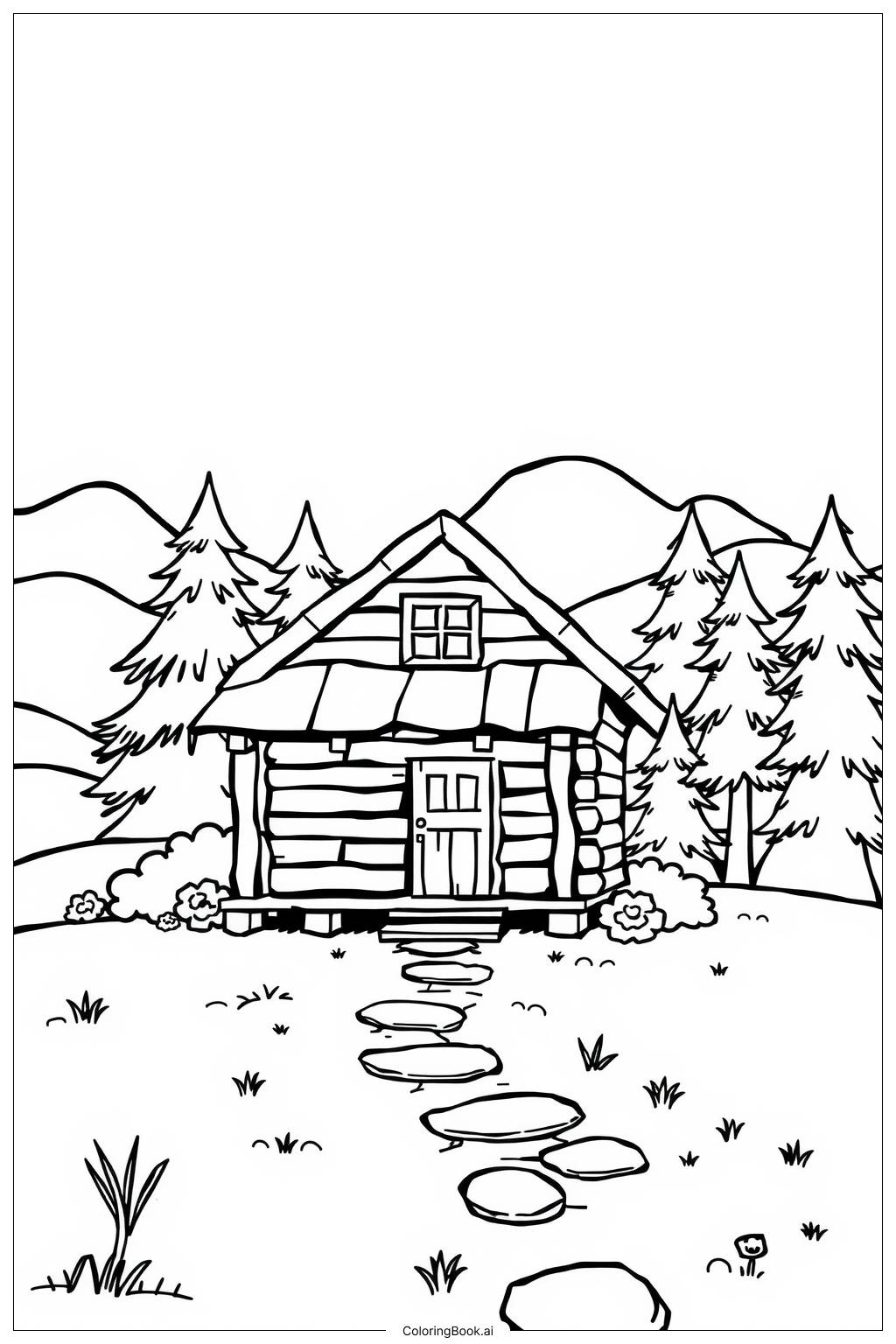
Start with the cabin walls using a warm tan or light brown to give it a wooden, rustic look. Use a darker brown for the roof to make it stand out. Color the door and window frames in a deep chocolate brown or brick red for a classic cabin feel. The chimney looks great in gray or stone-textured tones. For the pine trees, use different shades of green — dark green for the branches and lighter green for highlights. The ground can be colored with earthy tones like tan, brown, or soft green for grass. Add a light blue or pale purple sky in the background to create a calm, outdoor atmosphere. Feel free to add orange or yellow peeking from the chimney to suggest smoke or fire. Use your imagination to make the scene feel alive and full of adventure.
Coloring challenges: Which parts are difficult to color and need attention for Simple Camp Cabin coloring page?
• Cabin Wall Texture: The wooden planks or log details on the cabin walls can be tricky to color evenly. Staying within the narrow lines requires a steady hand and a sharpened pencil or thin marker. Using side strokes that follow the direction of the wood grain will give the most realistic result.
• Roof Shading: The triangular roof has angled lines that can be challenging to fill neatly, especially near the peak and edges. Coloring along the slope of the roof rather than straight across helps maintain a clean, consistent look. A slightly darker shade near the edges can add depth.
• Pine Tree Details: The layered branches of the pine trees contain many small, overlapping shapes. Carefully switching between shades of green for each layer helps define the depth of the trees. Rushing through this section can cause colors to bleed together and lose detail.
• Path and Ground Textures: The winding path and surrounding ground include varied textures like rocks, grass, and dirt. Using multiple earthy tones and short, varied strokes will help distinguish these elements without making the foreground look flat or muddy.
• Window Reflections: The small cabin windows are easy to overlook but add a lot of character. Leaving a tiny white highlight or using a very pale blue gives the glass a realistic, reflective look. Filling them in with a single flat color can make them appear dull and lifeless.
Benefits of coloring books: Advantages of drawing Simple Camp Cabin coloring page
Coloring this camp cabin scene offers a wonderful mix of fun and learning for kids and adults alike. Working through the details of the cabin, trees, and surrounding nature helps build fine motor skills and improves hand-eye coordination. Staying inside the lines and choosing the right colors for each part of the scene encourages focus and patience.
For younger children, this image is a great introduction to nature-themed art. They learn to associate colors with real-world objects like brown wood, green trees, and gray stone. It also sparks curiosity about the outdoors and camping adventures.
For older kids and teens, the shading and texture challenges in this image provide a satisfying creative workout. Experimenting with color combinations and layering techniques builds artistic confidence.
For adults, coloring this peaceful cabin scene is a calming, mindful activity. It helps reduce stress and allows the mind to slow down and focus on something simple and enjoyable. The nostalgic, cozy feel of a camp cabin can also bring a sense of warmth and relaxation after a busy day. Overall, this image is a rewarding coloring experience for all ages.