Coloring tips: How to color Camp Cretaceous Entrance Gate coloring page well?
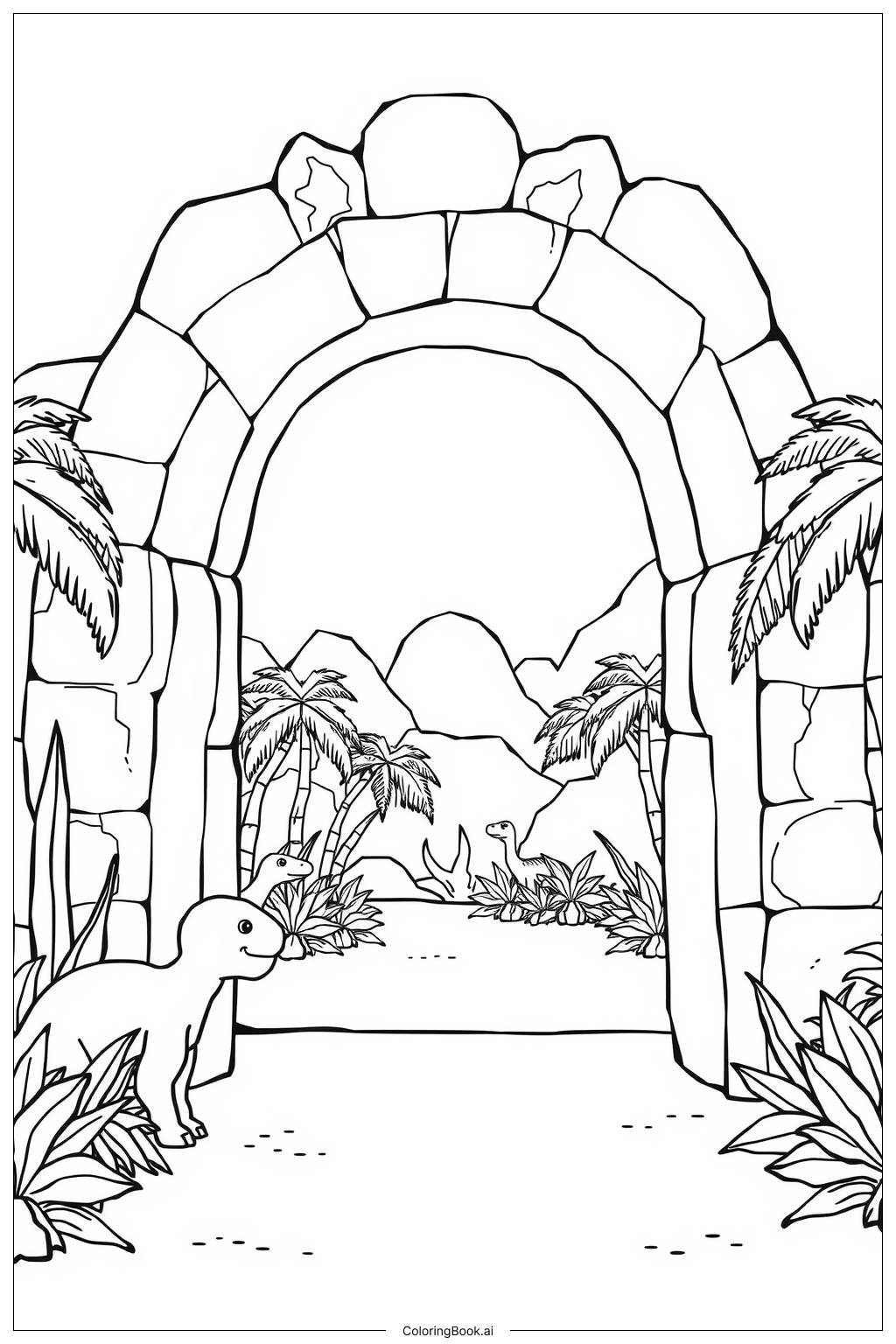
For coloring this Camp Cretaceous Entrance Gate, start with warm browns for the wooden posts and beams to give a natural timber look. Use shades of green for the leaves, vines, and surrounding trees to bring the forest to life. The signs can be colored with bright yellows or reds to make them stand out. The sky in the background can be a clear blue or a soft sunset palette with oranges and purples to add atmosphere. Use darker greens and browns to show shadows under the trees and plants. You can add texture by coloring some areas lighter and some darker to show sunlight hitting the wood and leaves. Feel free to add fun colors for any flowers or small details around the gate to make it vibrant.
Coloring challenges: Which parts are difficult to color and need attention for Camp Cretaceous Entrance Gate coloring page?
• Wood Grain Detail: The wooden posts and beams have lines and textures that might be tricky to shade smoothly. Keeping the wood looking natural requires careful blending of browns and adding subtle highlights. • Leaf and Vine Complexity: The vines wrap around the gate in detailed shapes, needing fine coloring to keep the leaves distinct without mixing colors. This can be challenging for younger children. • Layered Background: The trees behind the gate overlap and create depth, so choosing different green shades appropriately helps show distance but can be confusing. • Sign Textures: The small signs on the gate require careful coloring to keep their shapes neat and recognizable, especially if you want to add realistic woodgrain or painted effects. • Shadowing: Adding shadows under the gate and on the pathway adds realism but demands some skill in balancing dark and light tones without making areas too messy.
Benefits of coloring books: Advantages of drawing Camp Cretaceous Entrance Gate coloring page
Coloring this Camp Cretaceous Entrance Gate image helps improve focus and attention to detail because of the many natural elements like wood textures and leaves. It encourages creativity through choosing colors for both realistic and imaginative effects, such as bright signs or colorful flowers. This activity also develops fine motor skills by requiring careful coloring inside small, complex areas like vines and leaves. Additionally, coloring the scene can inspire interest in nature and outdoor adventures, sparking curiosity about camping and exploring forests. Overall, it’s a fun way to practice patience while creating a vibrant, welcoming campsite image.