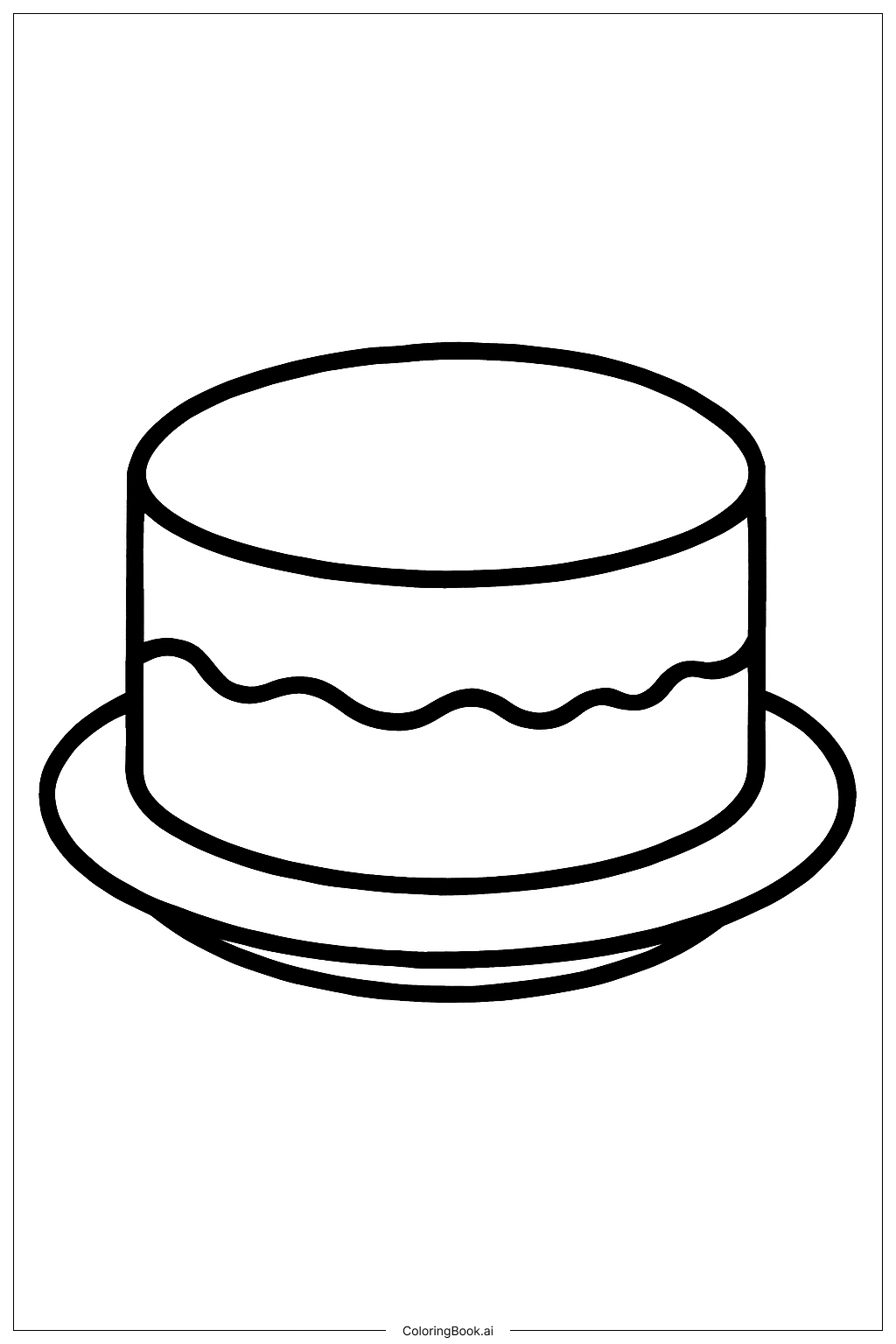
Coloring tips: How to color Cake On Plate coloring page well?
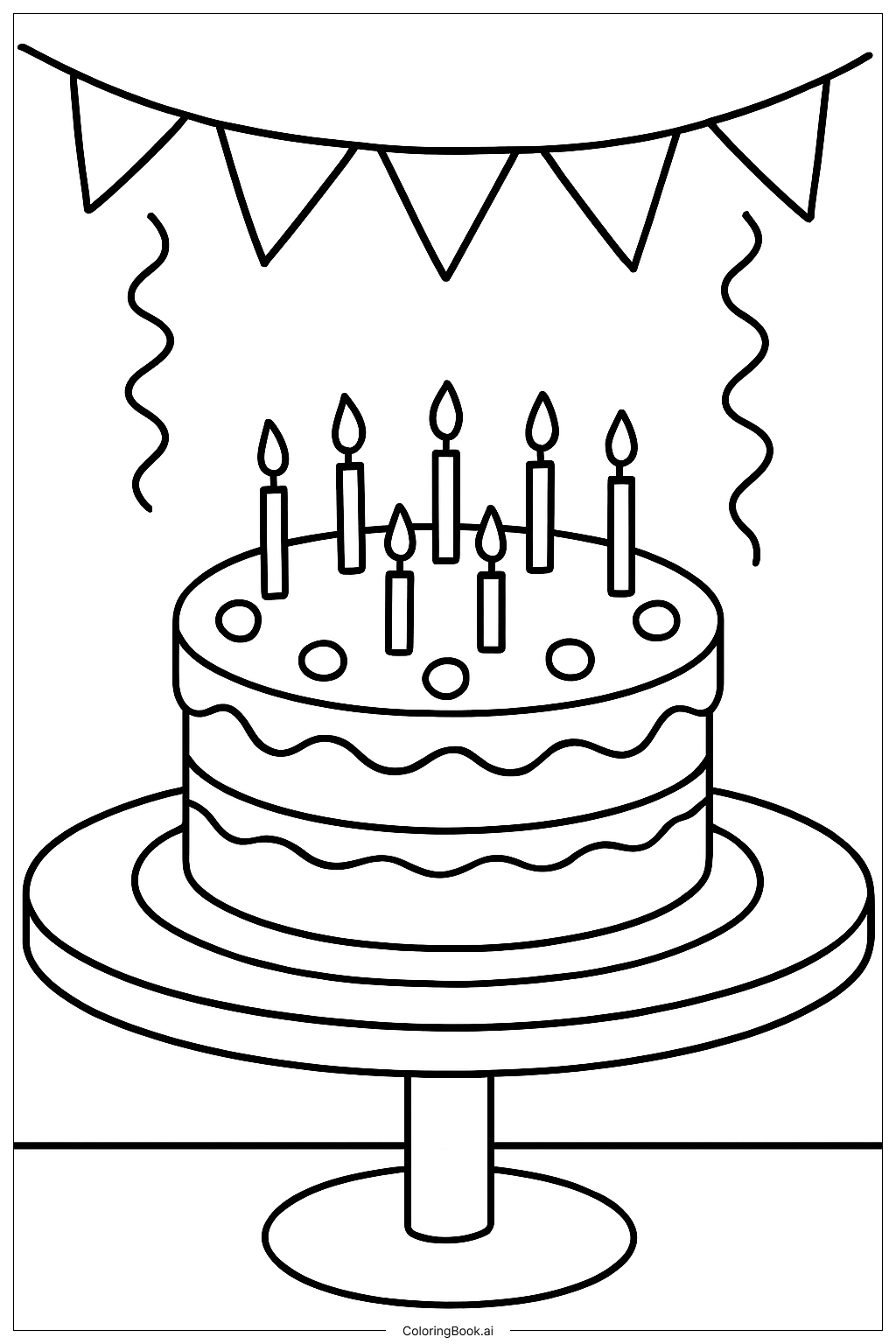
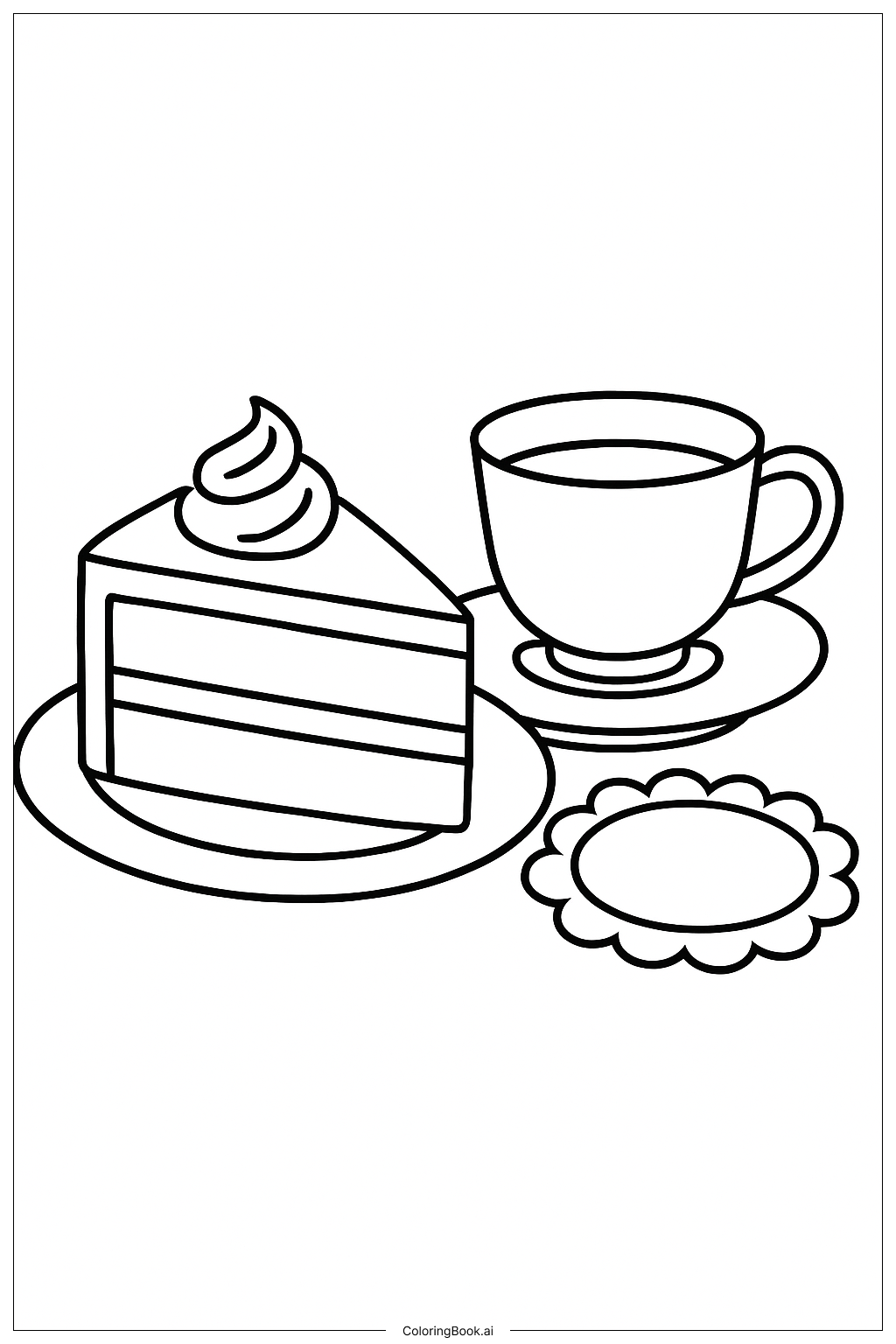
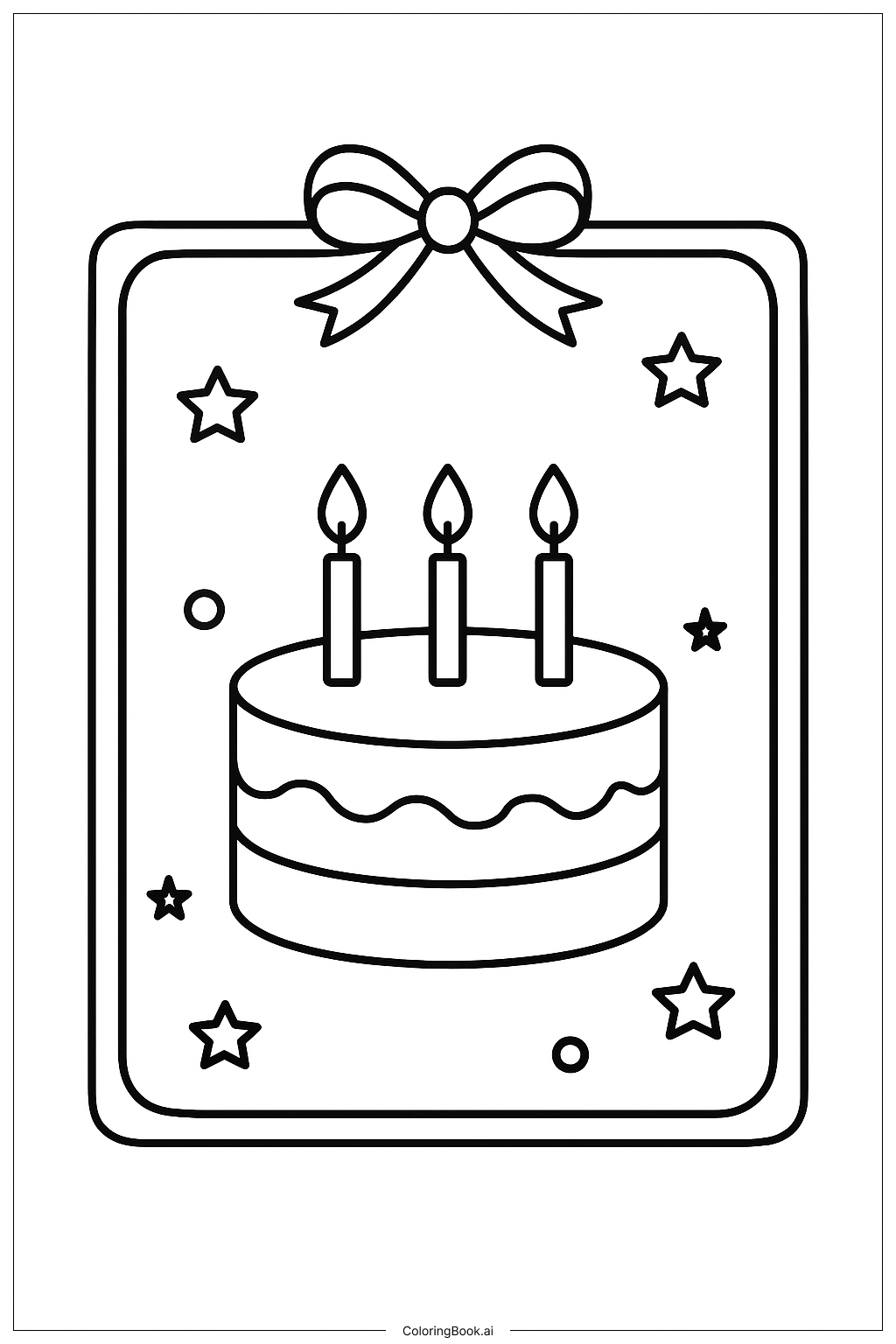
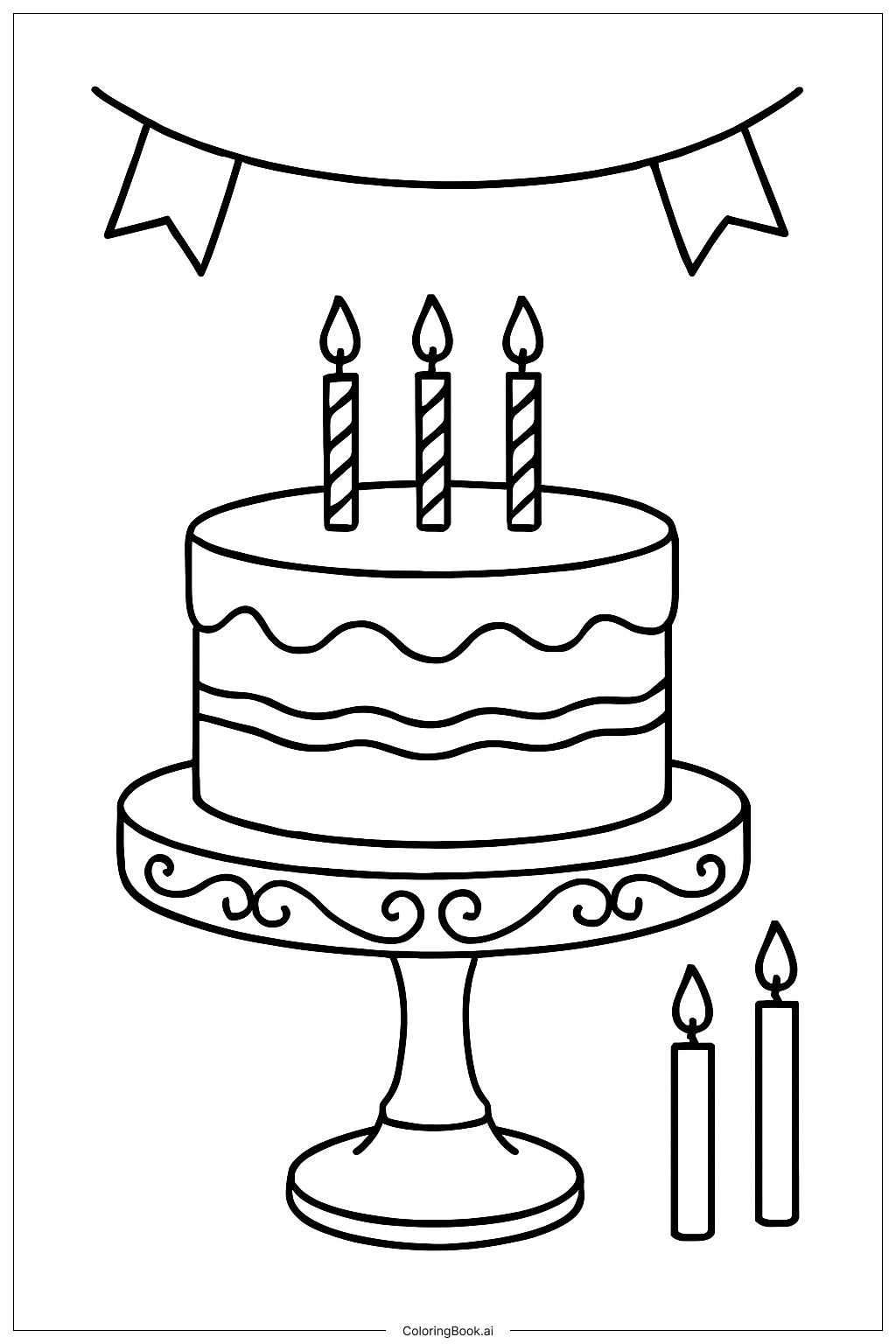
Start with the lightest colors first and work your way to the darker shades. For the cake itself, try a warm golden yellow or soft tan for the sponge layers to make them look freshly baked. Use white, cream, or pastel pink for the frosting and icing to give it a sweet, delicious look. You can make each cake layer a different color to show different flavors, like chocolate brown, vanilla cream, or strawberry pink. For the decorations on top, use bright and cheerful colors like red for berries, yellow for stars, or rainbow hues for sprinkles. The plate can be colored in soft white, light blue, or pale gray to make the cake stand out. Try adding a little darker shade on the sides of the cake to create a sense of depth and make it look round and fluffy. Use colored pencils for smooth blending or markers for bold, vibrant results. Most importantly, have fun and make your cake look as yummy as possible!
Coloring challenges: Which parts are difficult to color and need attention for Cake On Plate coloring page?
• Frosting Details: The swirls and ruffles of the cake frosting can be tricky to color neatly. These curved lines are close together, so staying inside each curve without smudging nearby areas takes a steady hand and a sharp pencil or thin marker. Young colorists may need extra time and patience here.
• Layered Sections: A layered cake has multiple tiers or visible cross-section areas. Each layer may represent a different flavor or color, so keeping the colors separate and clean between layers is a challenge. Using light strokes and working from top to bottom can help prevent colors from bleeding into each other.
• Small Decorations: Tiny details like sprinkles, berries, flowers, or candles on top of the cake require precise coloring. These small shapes are easy to miss or accidentally color over. A fine-tipped coloring tool works best for these elements to keep them looking neat and clear.
• The Plate: The plate beneath the cake has its own curved shape and may include a decorative rim or shadow. Coloring it with a consistent tone while making it look different from the cake itself can be difficult. Choosing a contrasting color helps separate the plate from the dessert above it.
• Shading and Depth: Adding shading to the cake helps it look round and three-dimensional. Knowing where to place darker tones and lighter highlights is a skill that takes practice, especially for younger colorists who are just beginning to explore light and shadow in their artwork.
Benefits of coloring books: Advantages of drawing Cake On Plate coloring page
Coloring this Cake On Plate image brings many great benefits for kids and beginners alike. First, it helps children practice focus and patience as they carefully fill in each detail of the cake and plate. Second, it builds fine motor skills, especially when coloring small decorations like frosting swirls and sprinkles. Third, choosing colors for the cake layers, icing, and toppings encourages creative thinking and artistic expression. Kids get to imagine their own dream cake and bring it to life with color. Fourth, completing the image gives a strong sense of pride and accomplishment, which boosts confidence. Fifth, coloring is a calm and relaxing activity that helps reduce stress and anxiety, making it perfect after a busy school day. It is also a fun way for parents and children to spend quality time together. Whether coloring alone or with friends, this cake image makes a joyful and rewarding experience for everyone who picks up a crayon or colored pencil.