Coloring tips: How to color Cactus On A Rock coloring page well?
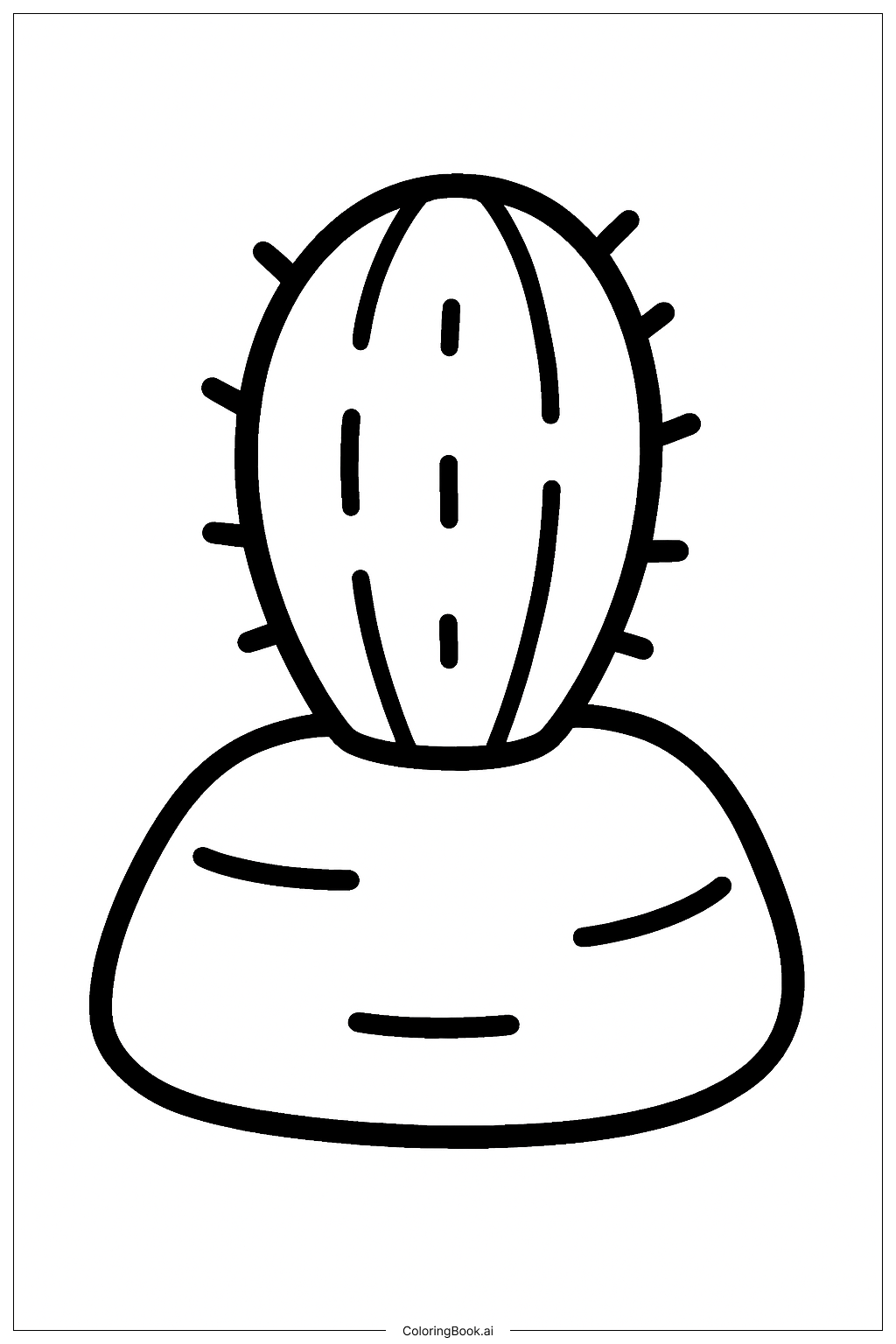
Start with the cactus using shades of green. Try a bright lime green for the main body and a darker forest green for the shaded sides. This gives the cactus a nice round, three-dimensional look. For the spines, use a sharp white or pale yellow to make them stand out. Color the rock in earthy tones like gray, tan, or light brown. Add darker shading along the cracks to show depth and texture. The ground around the rock can be sandy yellow or warm beige. Small pebbles look great in mixed shades of gray and brown. If there are any tiny plants nearby, use soft greens or dusty olive tones. For the background, a warm sky blue or a soft sunset orange can bring the desert scene to life. Keep your strokes light and layered for a natural, textured finish.
Coloring challenges: Which parts are difficult to color and need attention for Cactus On A Rock coloring page?
• Cactus Spine Details: The cactus is covered with many small spines along its trunk and arms. These tiny details are closely packed and require a fine-tipped tool to color carefully. Rushing through this area can cause colors to bleed into each other, losing the sharp look of the spines. Take your time and use a pointed colored pencil or thin marker for best results.
• Curved Cactus Arms: The arms of the cactus bend and curve outward, creating rounded surfaces that need shading to look realistic. Coloring a flat shape to appear three-dimensional can be tricky. Try using two shades of green, applying the darker tone on one side and blending toward a lighter tone on the other side to create a natural curve effect.
• Rock Texture and Cracks: The rock has uneven surfaces and natural cracks running across it. Filling in these irregular shapes while keeping the texture visible takes patience. Use short, directional strokes that follow the shape of the rock. Avoid filling the cracks with the same base color, so the lines remain visible and give the stone a realistic feel.
• Color Transitions Between Cactus and Rock: Where the cactus meets the rock, the two very different textures sit close together. Keeping the green of the cactus clean and separate from the gray and brown tones of the rock requires steady hands and careful edge control. A fine-tip tool helps outline the boundary cleanly before filling in each area.
• Background Balance: The open background space can feel empty without the right color choice. Filling it with a gradient or a desert sky tone needs a smooth, even hand to avoid streaks or uneven patches.
Benefits of coloring books: Advantages of drawing Cactus On A Rock coloring page
Coloring this Cactus On A Rock page offers a wonderful range of benefits for kids and beginners alike. Working through the detailed spines and textured rock surface helps build fine motor skills and hand-eye coordination. Choosing the right shades of green, gray, and brown encourages color awareness and creative thinking. Kids learn how light and shadow work when they try to make the cactus arms look round and the rock look solid. The scene also sparks curiosity about nature and desert habitats, making it a gentle introduction to the world around us. Focusing on one section at a time teaches patience and attention to detail, skills that carry over into reading, writing, and everyday problem-solving. The calming, repetitive motion of coloring also helps reduce stress and anxiety, making it a great quiet-time activity. Whether a child uses crayons, colored pencils, or markers, this page gives them the freedom to express themselves and build confidence in their own creative choices. Finishing the page gives a real sense of accomplishment that feels great at any age.