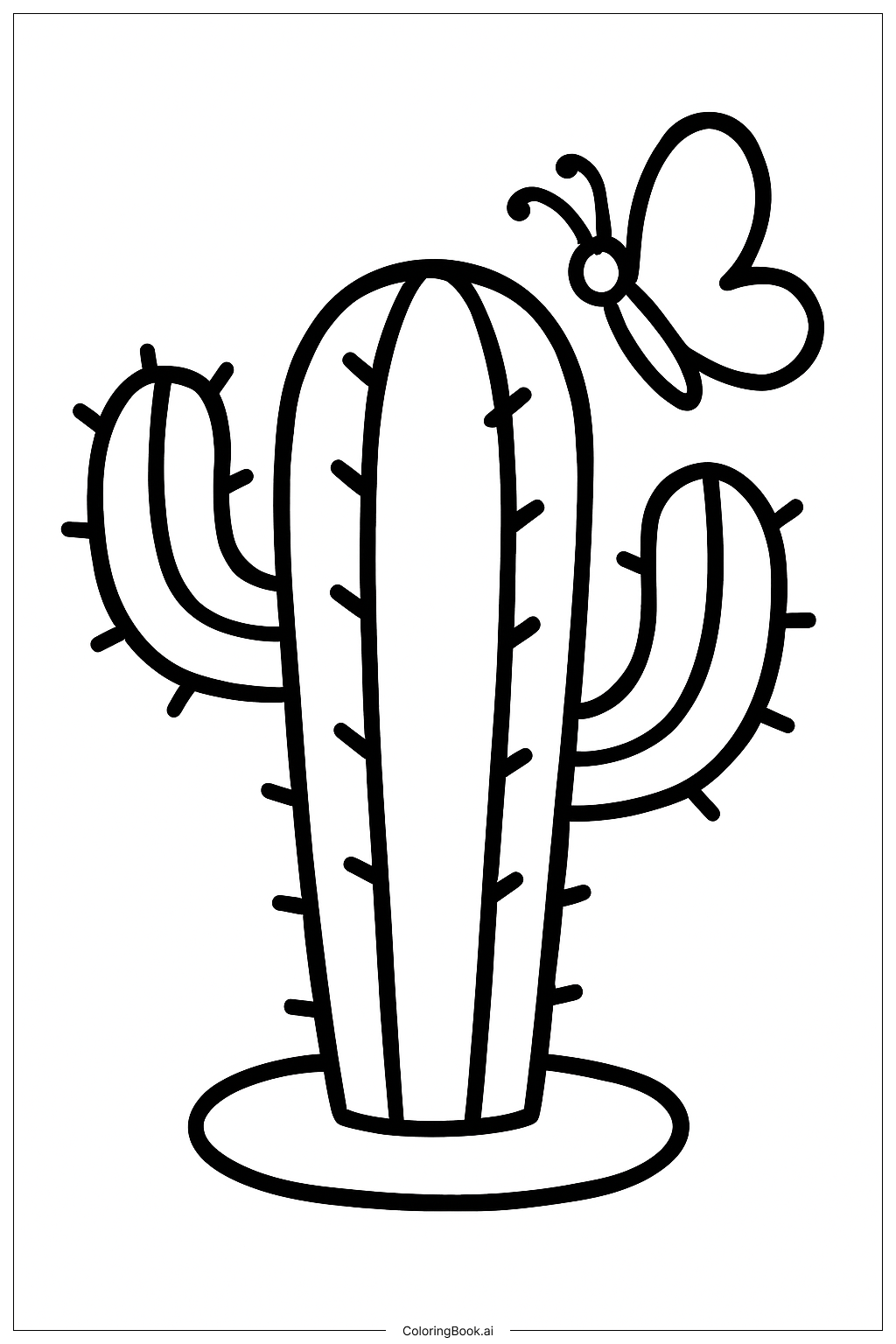
Coloring tips: How to color Cactus And Butterfly coloring page well?
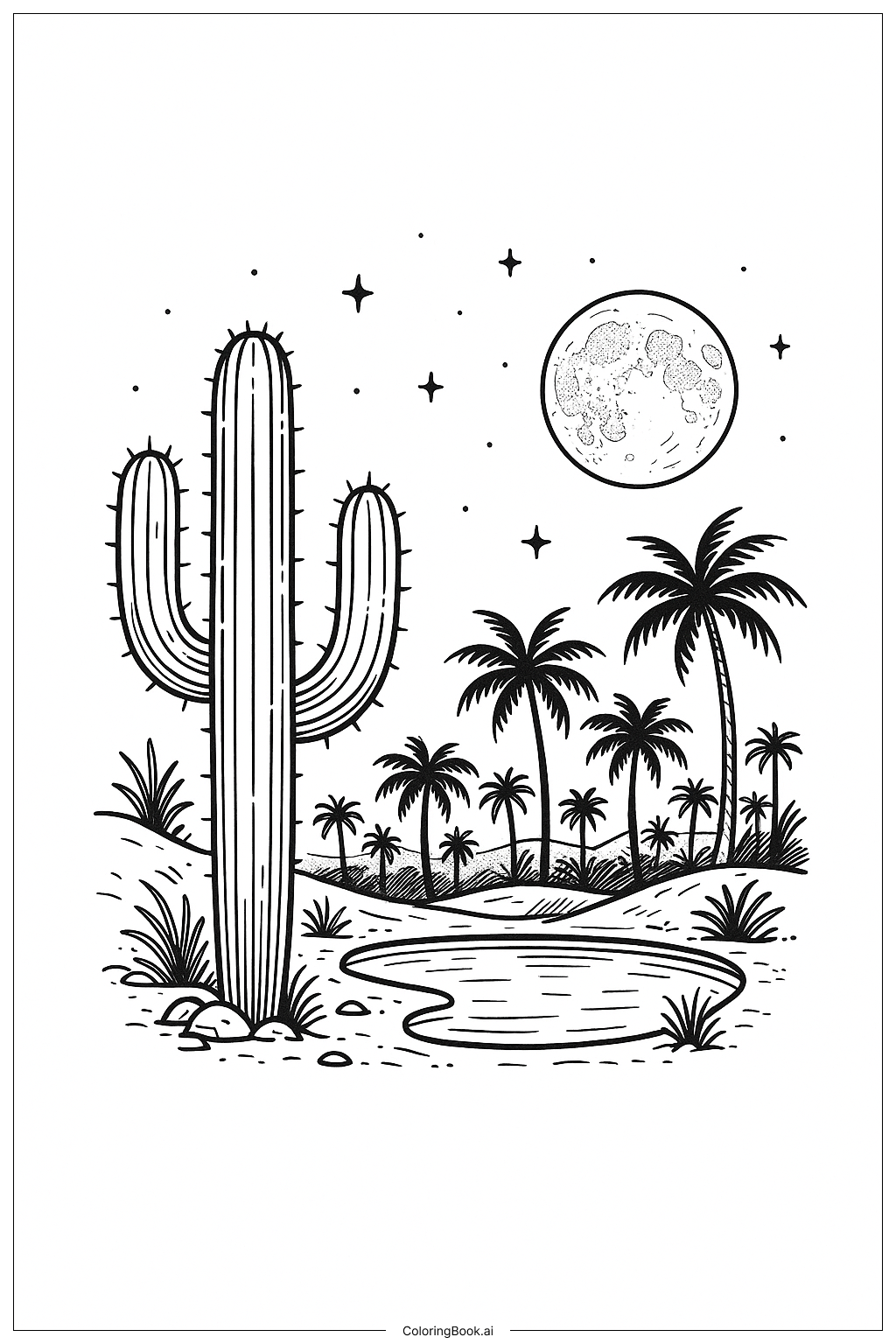
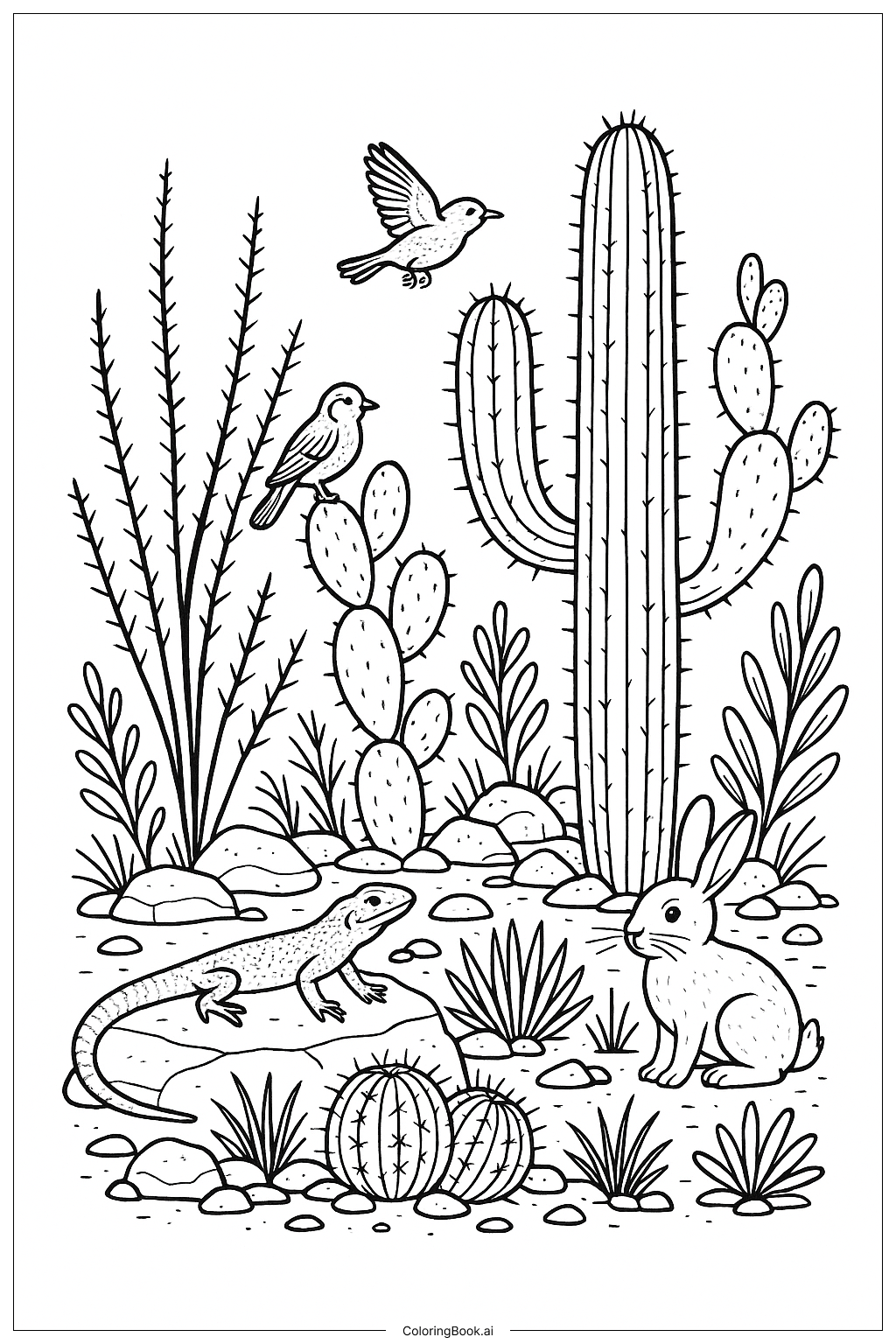
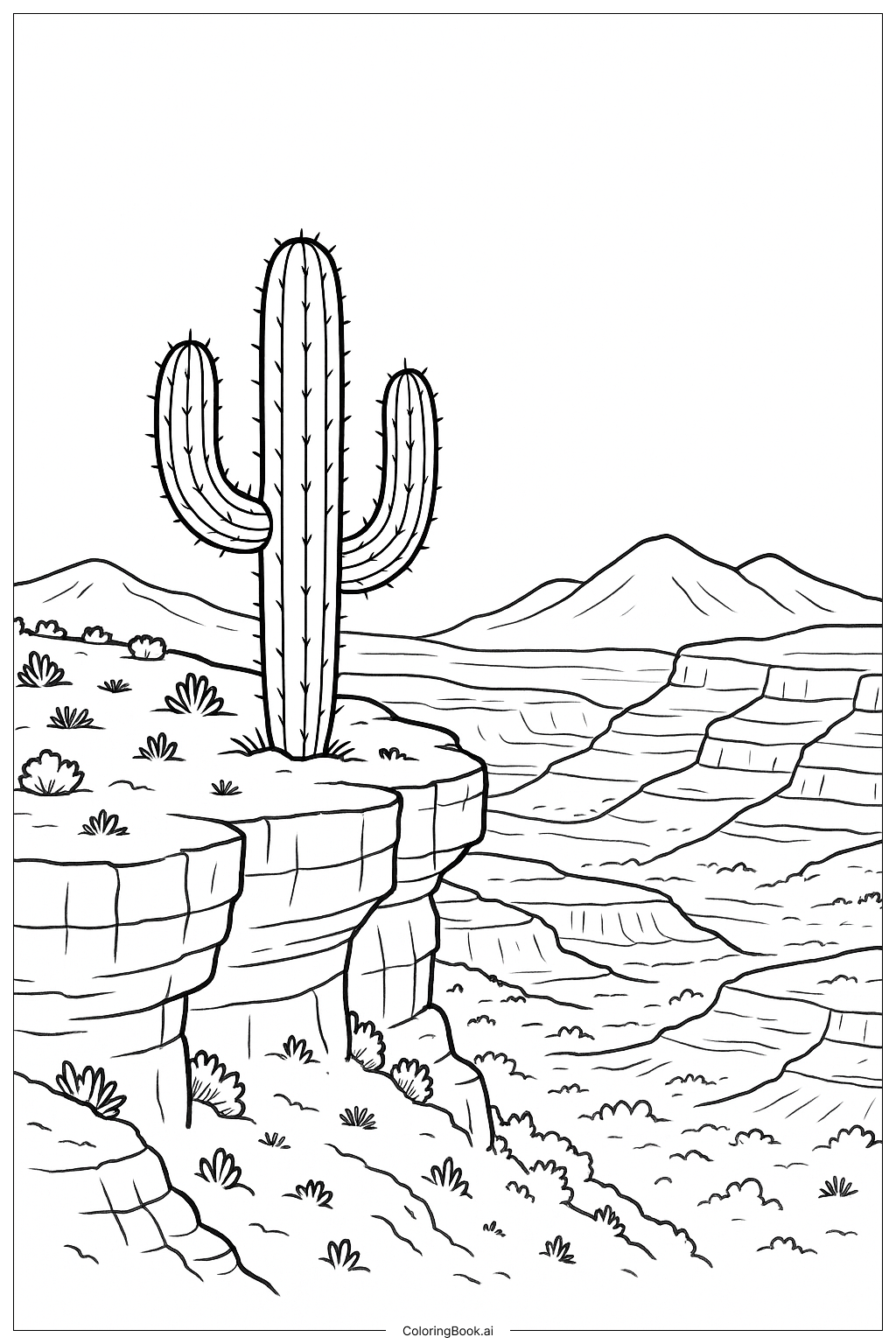
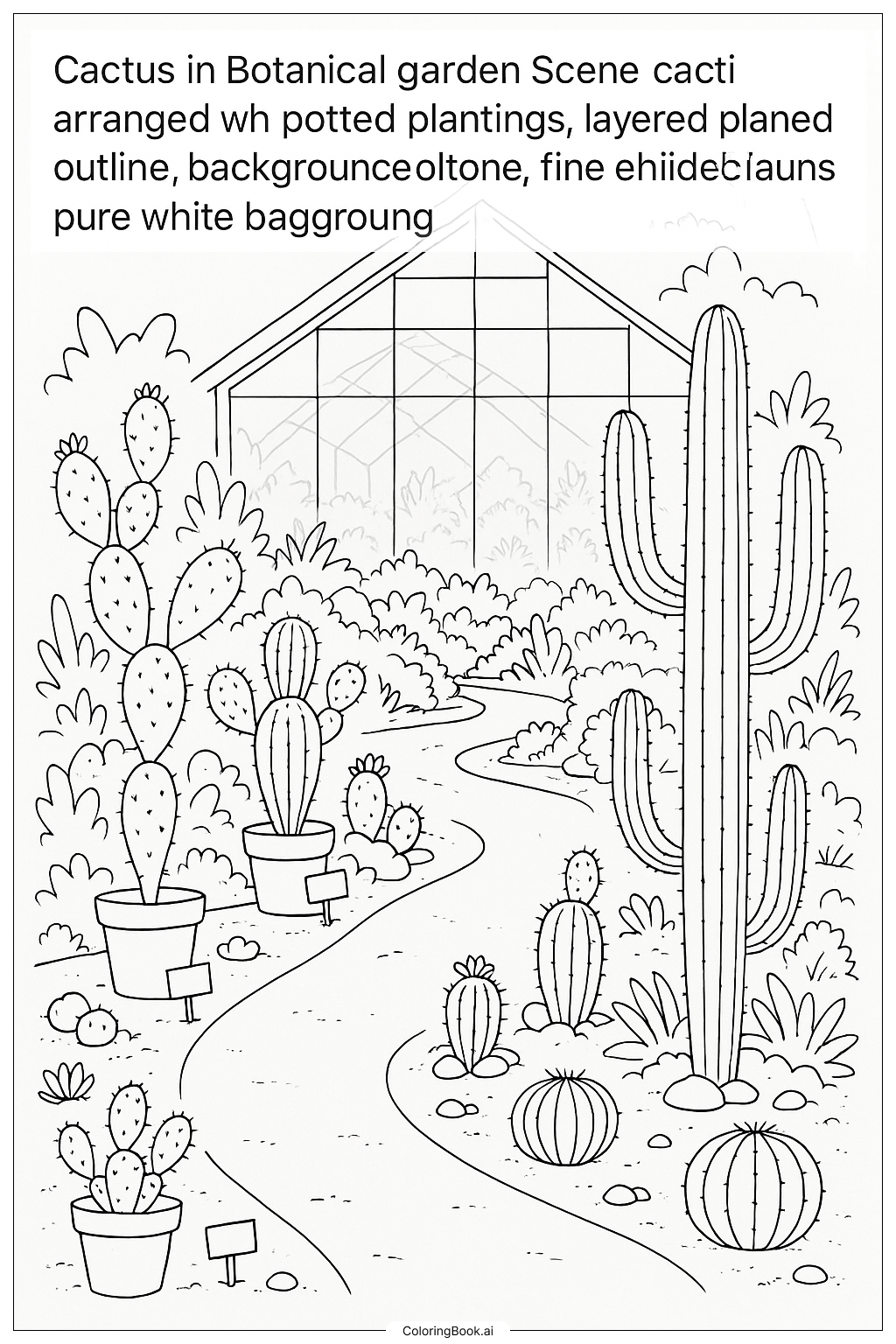
For the Cactus, use shades of green like light green, dark green, or even a touch of blue-green to create depth. You can add small yellow or white dots to show the tiny spines. The Butterfly’s wings can be colorful—try bright yellows, oranges, or blues with contrasting spots to make it stand out. The rocks and ground around the Cactus could be colored in browns, tans, and grays to resemble the desert soil. Feel free to add a light blue or soft pink background to suggest the sky during sunrise or sunset.
Coloring challenges: Which parts are difficult to color and need attention for Cactus And Butterfly coloring page?
• Small Details: The Butterfly’s intricate wing patterns require careful coloring inside thin lines, which might be hard for younger kids. • Texture Challenge: Coloring the tiny spines on the Cactus pads evenly can be tricky and requires patience to avoid smudging. • Color Blending: To make the Cactus look realistic, blending different shades of green smoothly might be difficult for beginners. • Background Complexity: The small rocks and plants around the Cactus need distinct colors so they don’t blend in and confuse the main subjects. • Staying Inside Lines: The rounded shapes of the Cactus pads need steady hand control to color cleanly without crossing the outlines.
Benefits of coloring books: Advantages of drawing Cactus And Butterfly coloring page
Coloring this Cactus And Butterfly page helps improve fine motor skills through careful attention to small areas. It encourages creativity with the choice of bright and natural colors, boosting color recognition. Kids learn about nature by focusing on plants and insects together, deepening observation skills. The mix of large shapes and fine details supports concentration and patience. This image also promotes relaxation and mindfulness as children take the time to color the peaceful scene.