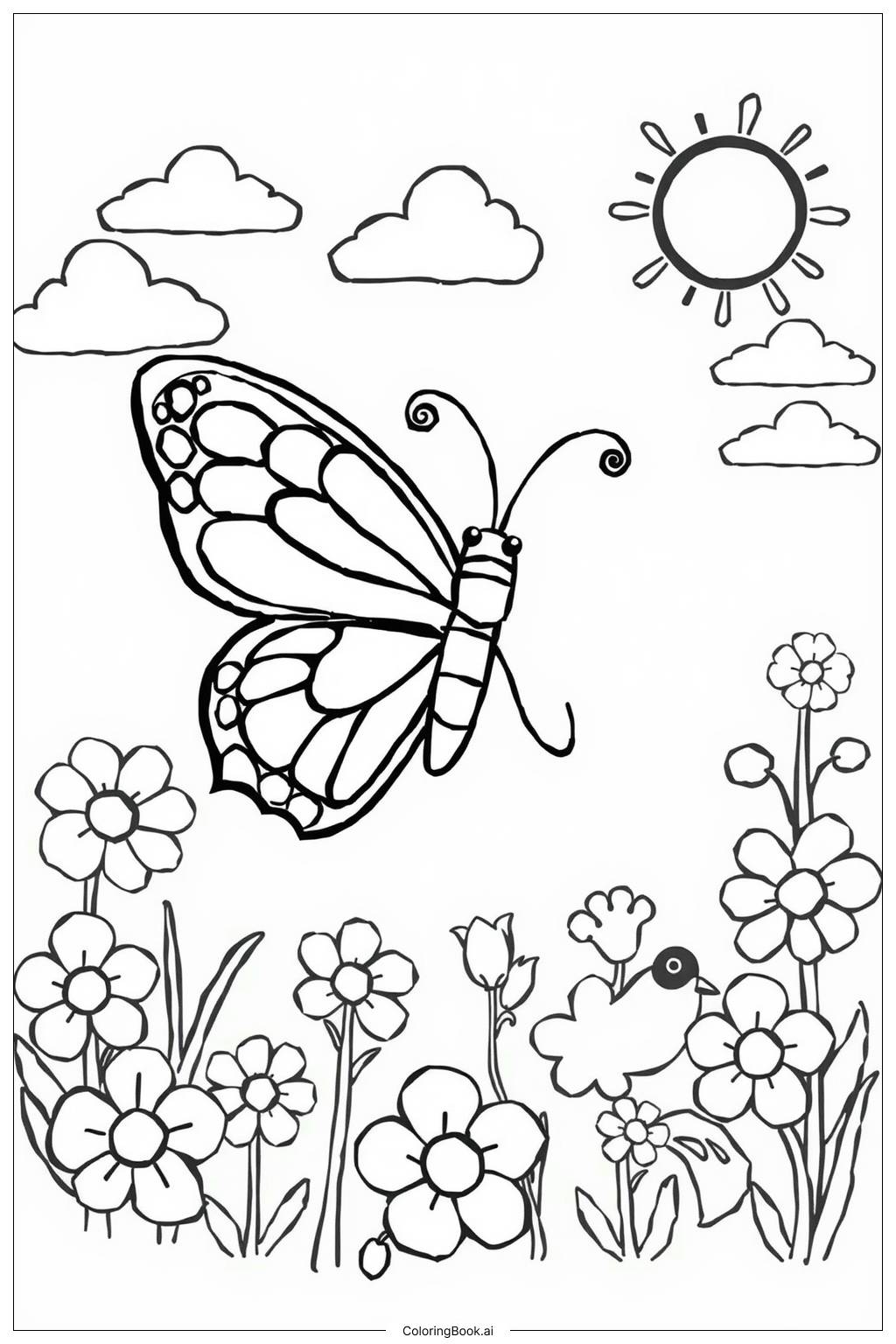
Coloring tips: How to color Easy Butterfly Colors coloring page well?
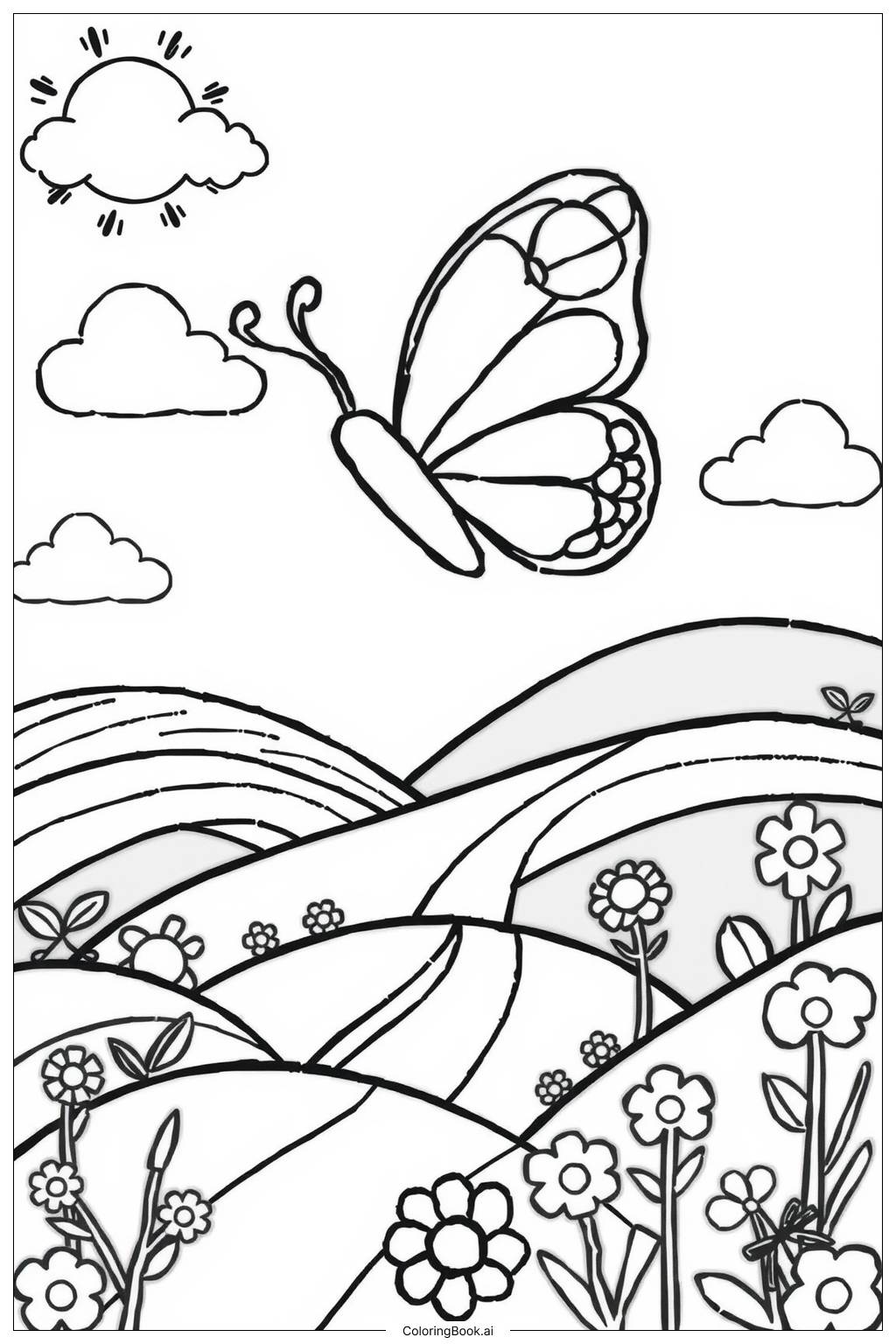
Start with the butterfly's wings, as they are the largest and most exciting part. Use bright, cheerful colors like yellow, orange, pink, and light blue. You can mirror the same colors on both sides to keep the wings symmetrical, or mix different shades for a creative look. Try using a darker shade along the edges of the wings and a lighter shade toward the center to create a gentle gradient effect. For the body and antennae, use a dark brown or black to make them stand out. If there are small dot patterns on the wings, try filling them in with a contrasting color to make them pop. Use green or soft yellow for any leaves or floral accents in the background. Colored pencils work great for blending soft tones, while markers give bold, vivid results. There is no wrong way to color a butterfly, so let your imagination fly free!
Coloring challenges: Which parts are difficult to color and need attention for Easy Butterfly Colors coloring page?
Coloring this butterfly image looks simple at first, but there are a few tricky spots to watch out for. Here are the main challenges you might face:
• Wing Symmetry: The butterfly has two matching wings on each side. Keeping the colors balanced and symmetrical can be tricky, especially if you want both sides to look the same. It helps to plan your color choices before you start and work on both sides at the same time.
• Small Pattern Details: The wings often have tiny dots, swirls, or decorative lines inside them. Filling these small shapes neatly without going outside the lines takes a steady hand and a sharpened pencil or a fine-tipped marker. Rushing through these details can make them look messy.
• Smooth Blending in Large Wing Areas: The open wing sections are large, which means you need to apply color evenly across a wide space. Streaks or uneven pressure can make the wings look patchy. Using light, circular strokes and layering colors gradually helps create a smooth, clean finish.
• Color Transitions: If you want to add gradient effects, blending from one color to another smoothly in the wing sections requires practice and patience. Choosing colors that naturally flow together, like light pink into deep pink or yellow into orange, makes this easier.
• Staying Inside the Lines: The curved and scalloped edges of the butterfly wings have many rounded corners and tight curves. Coloring carefully around these edges without going over the outlines helps keep the image looking neat and polished.
Benefits of coloring books: Advantages of drawing Easy Butterfly Colors coloring page
Coloring this butterfly page is a wonderful activity for kids and beginners alike. Here are some of the great benefits it offers:
It builds focus and concentration. Staying inside the lines and choosing colors carefully helps children practice patience and attention to detail. These are skills that carry over into school and everyday life.
It sparks creativity. There is no single right way to color a butterfly. Kids are free to choose any colors they like, which encourages self-expression and imaginative thinking. Every finished page becomes a unique piece of artwork.
It develops fine motor skills. Holding a pencil or marker and carefully filling in shapes strengthens the small muscles in the hand and fingers. This helps with handwriting and other detailed tasks.
It is calming and stress-relieving. The gentle, repetitive motion of coloring has a soothing effect on the mind. It helps children and even Adults relax, unwind, and enjoy a quiet, screen-free moment.
It builds confidence. Completing a coloring page gives a real sense of accomplishment. Seeing a finished, colorful butterfly is something kids can feel truly proud of. It encourages them to keep creating and trying new things.