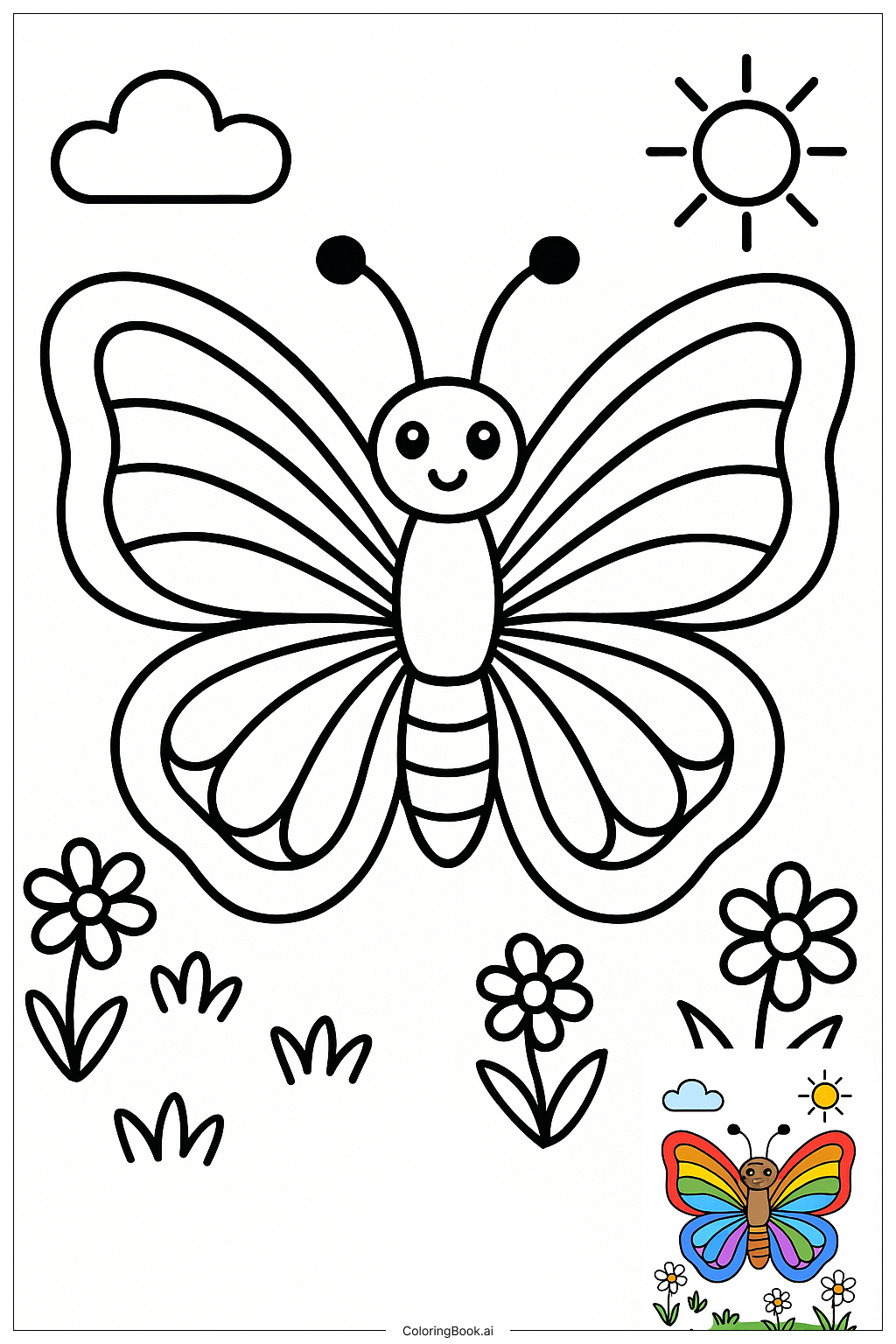
Coloring tips: How to color Butterfly With Rainbow Wing Patterns coloring page well?
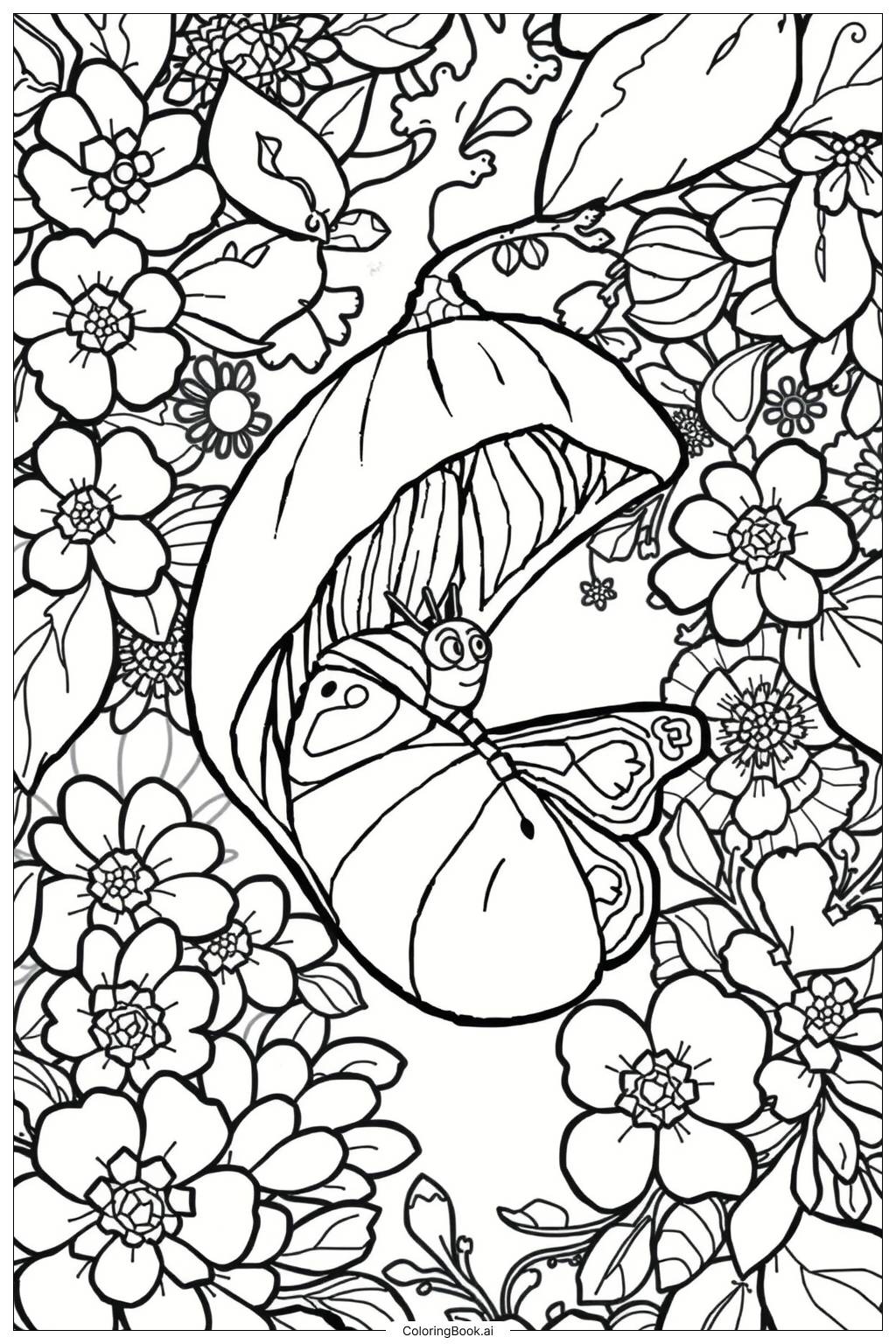
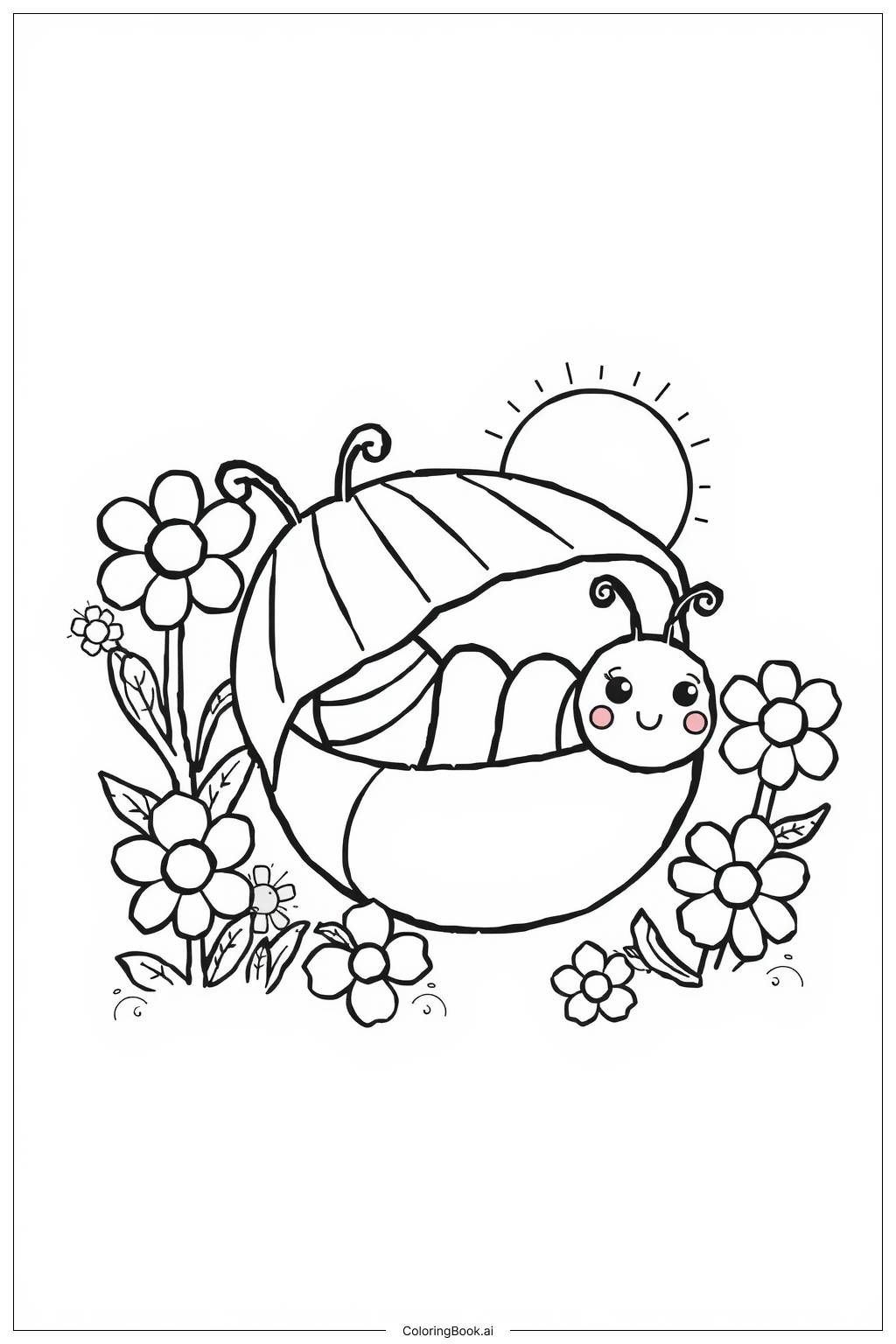
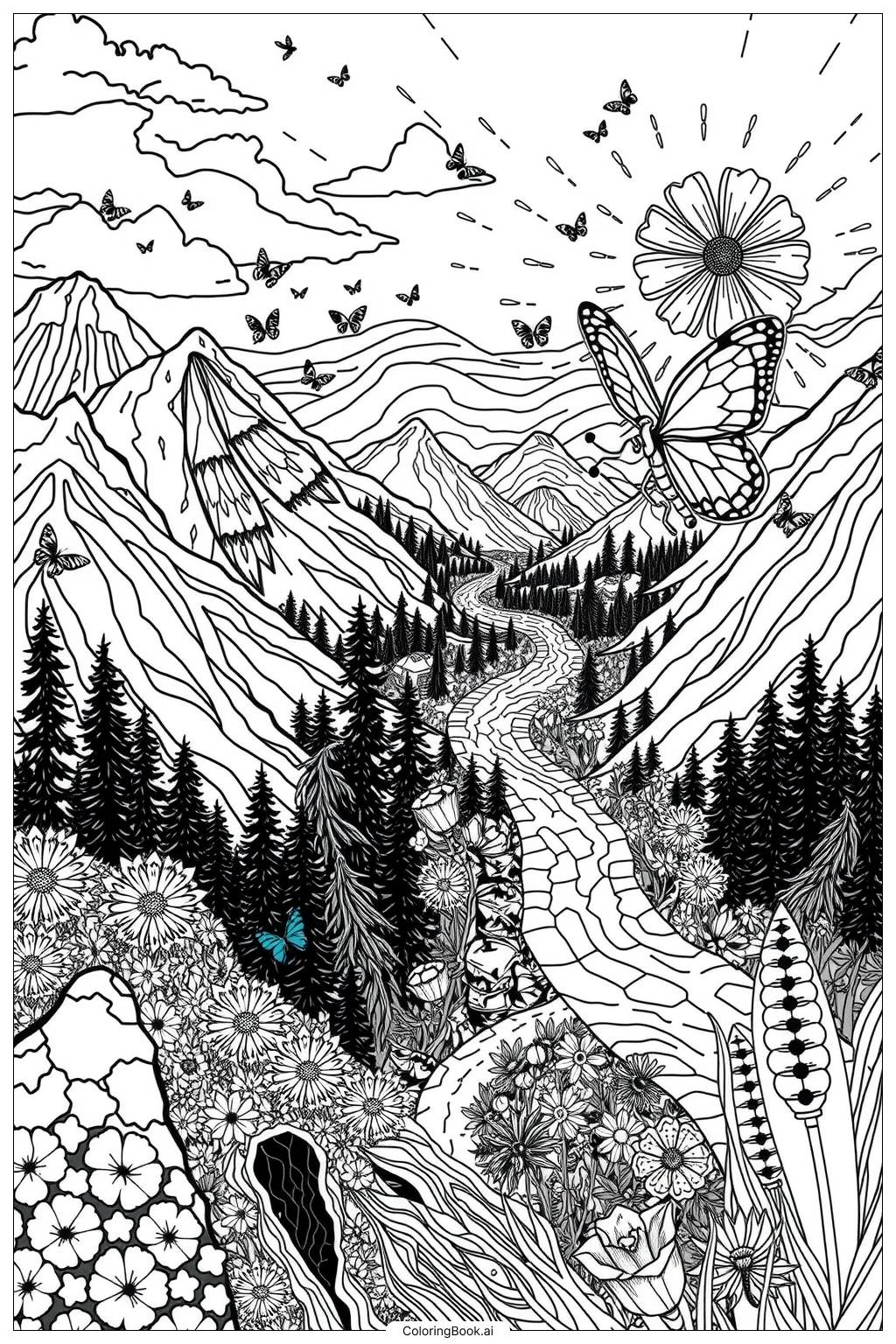
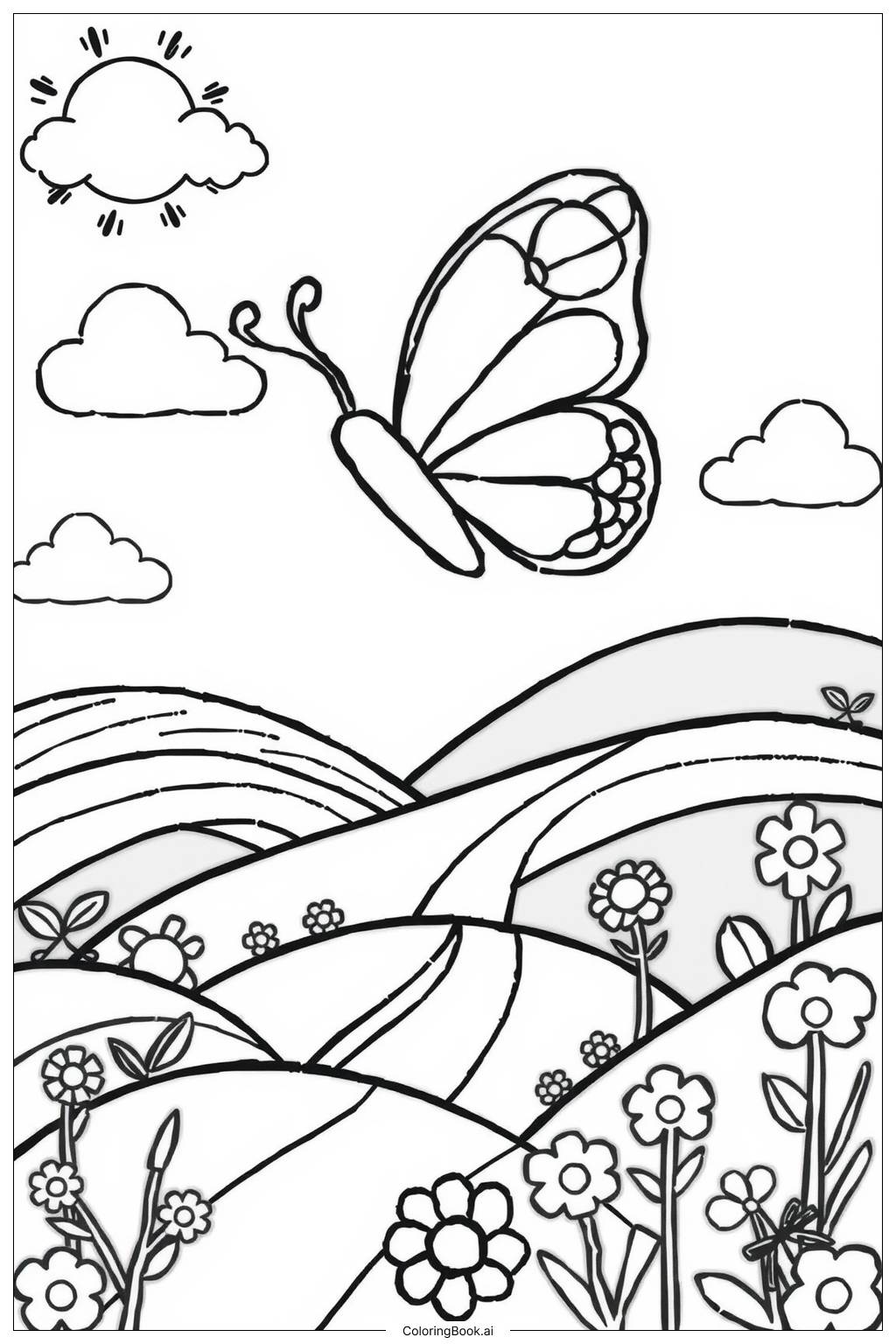
Start by choosing a full rainbow palette — red, orange, yellow, green, blue, indigo, and violet. Begin with the largest wing sections first. Fill each section with a different color to create a true rainbow effect across the wings. Use lighter shades near the center of each section and darker shades toward the edges to add depth. For the swirling and teardrop shapes inside the wings, try complementary colors to make them stand out. The small dot and accent details can be colored in gold, white, or a bright contrasting color to make them pop. Keep the body of the butterfly in a neutral tone like brown or dark gray so it does not compete with the colorful wings. Younger colorists can keep each section one solid color, while older artists can experiment with blending and shading. Colored pencils, markers, or watercolors all work well for this image. Have fun and make your butterfly truly unique!
Coloring challenges: Which parts are difficult to color and need attention for Butterfly With Rainbow Wing Patterns coloring page?
• Staying Within the Lines: The butterfly's wings are filled with many small, curved sections and intricate shapes. The outlines are close together in some areas, making it challenging to color neatly without going outside the borders. Younger children may find this especially tricky and should use fine-tipped tools for better control.
• Balancing the Rainbow Colors: Arranging rainbow colors so they flow naturally across both wings takes planning. If the same color appears too many times in one area, the rainbow effect can look uneven. It helps to sketch out a color plan on paper before you begin filling in the actual image.
• Coloring Small Decorative Details: The tiny dots, circular motifs, and accent shapes scattered across the wings require a very fine-tipped marker or a sharpened colored pencil. Trying to fill these small areas with a thick brush or wide marker tip often leads to smudging or overlapping into neighboring sections.
• Creating Consistent Symmetry: A butterfly's wings are naturally symmetrical, meaning both sides should mirror each other. Keeping the same colors and shading in the same positions on both wings is a careful and time-consuming process. It requires focus and patience to check both sides as you work.
• Blending and Shading Gradients: For artists who want to add a more polished, realistic look, blending colors within each section is a real challenge. Smooth gradients are difficult to achieve, especially in small curved spaces, and require layering multiple shades with a light touch.
Benefits of coloring books: Advantages of drawing Butterfly With Rainbow Wing Patterns coloring page
Coloring this butterfly image offers a wide range of benefits for children and adults alike. Working through the detailed wing patterns helps strengthen fine motor skills and improves hand-eye coordination, especially when navigating the small curved sections. Choosing and arranging rainbow colors across the wings encourages creative thinking and color theory awareness in a natural, enjoyable way. The structured yet creative nature of the activity promotes focus and concentration, making it a calming exercise that can help reduce stress and anxiety. For younger children, completing a complex image like this builds confidence and a sense of accomplishment. Older children and adults can use it as a mindfulness practice, allowing the repetitive motion of coloring to quiet busy thoughts. Planning the color layout across both wings also develops early problem-solving and spatial reasoning skills. The butterfly subject itself sparks curiosity about nature and the science of insects, opening the door to learning beyond the page. Whether used in a classroom, at home, or as a quiet solo activity, this coloring page provides meaningful, screen-free creative time that benefits the mind and imagination at every age.