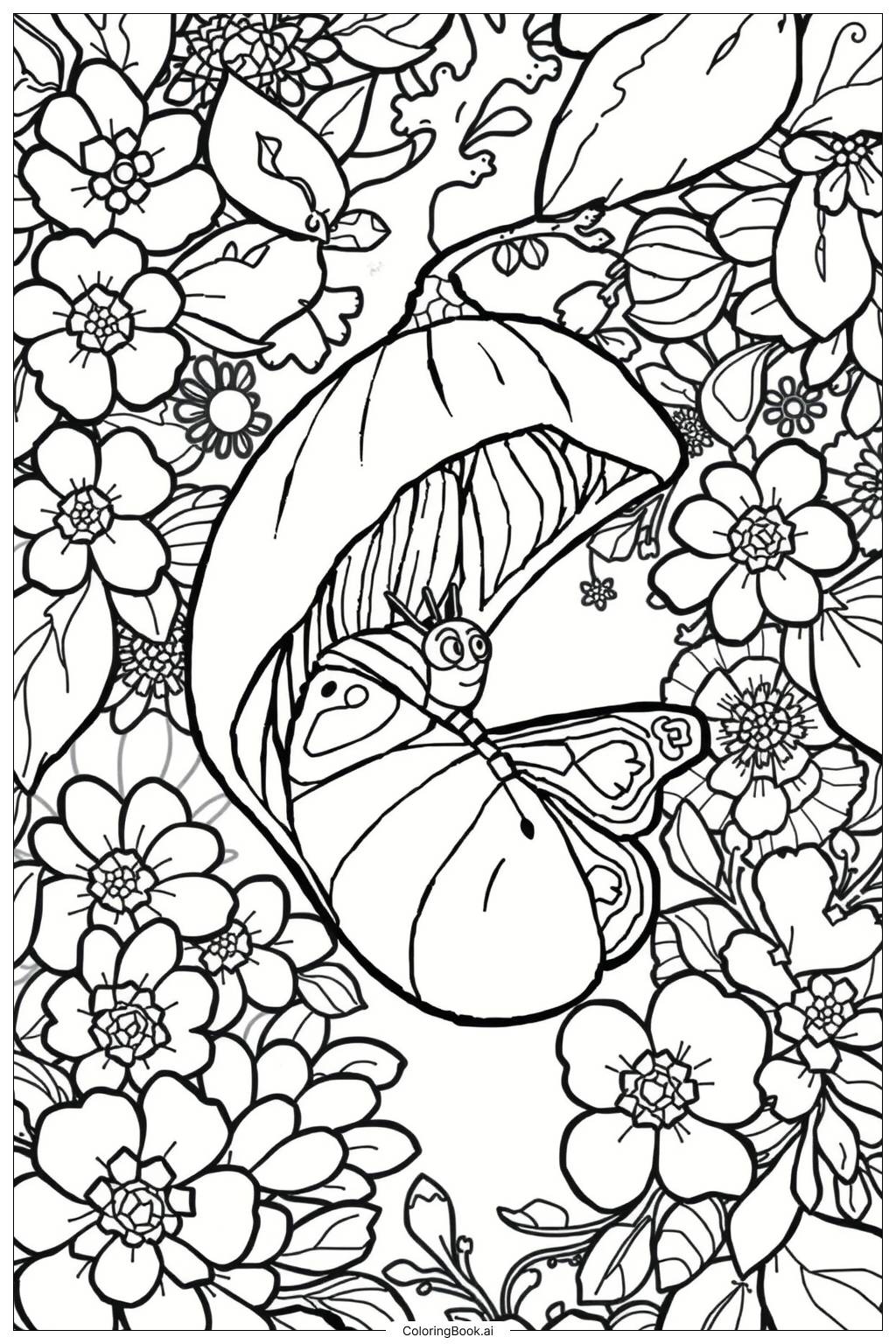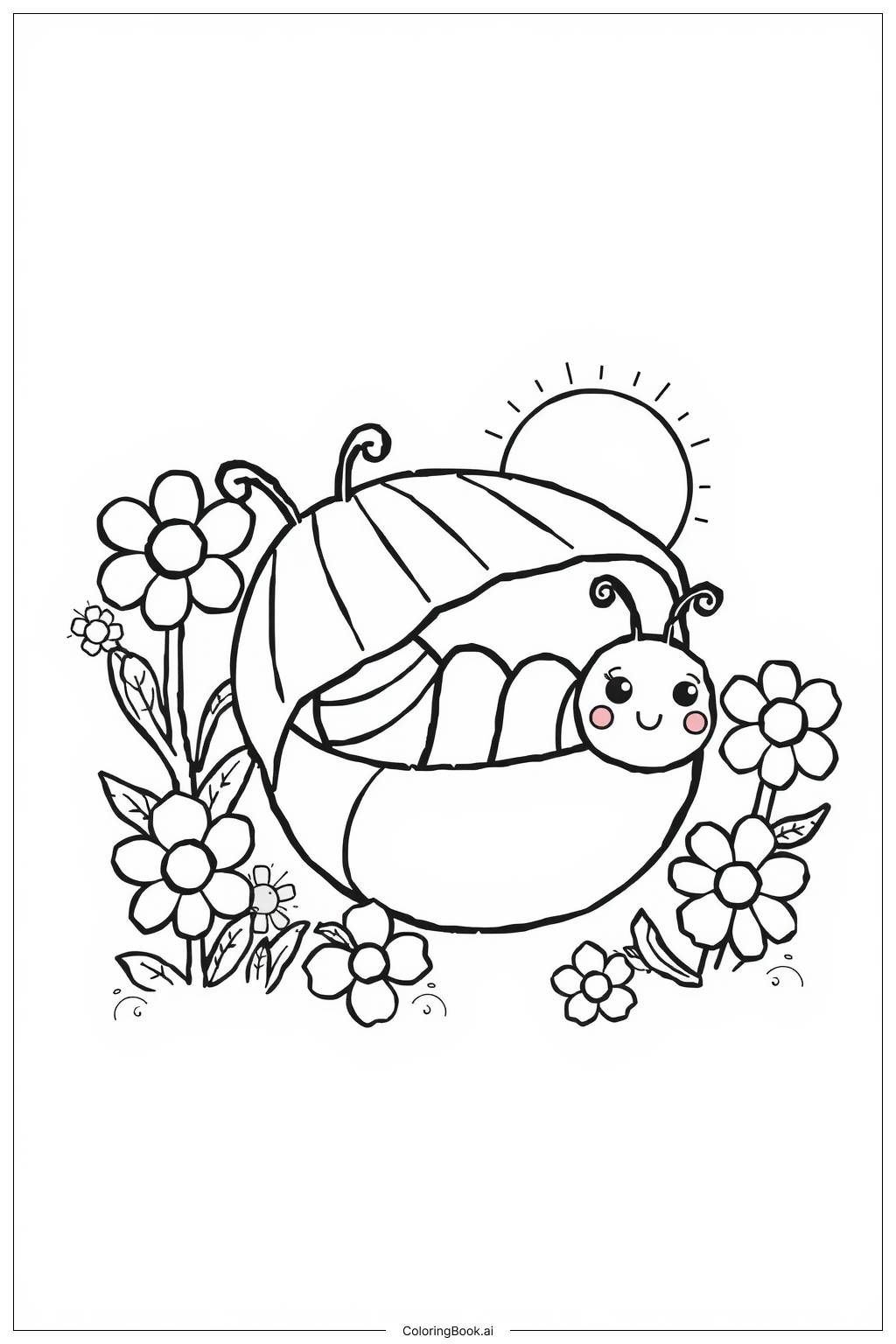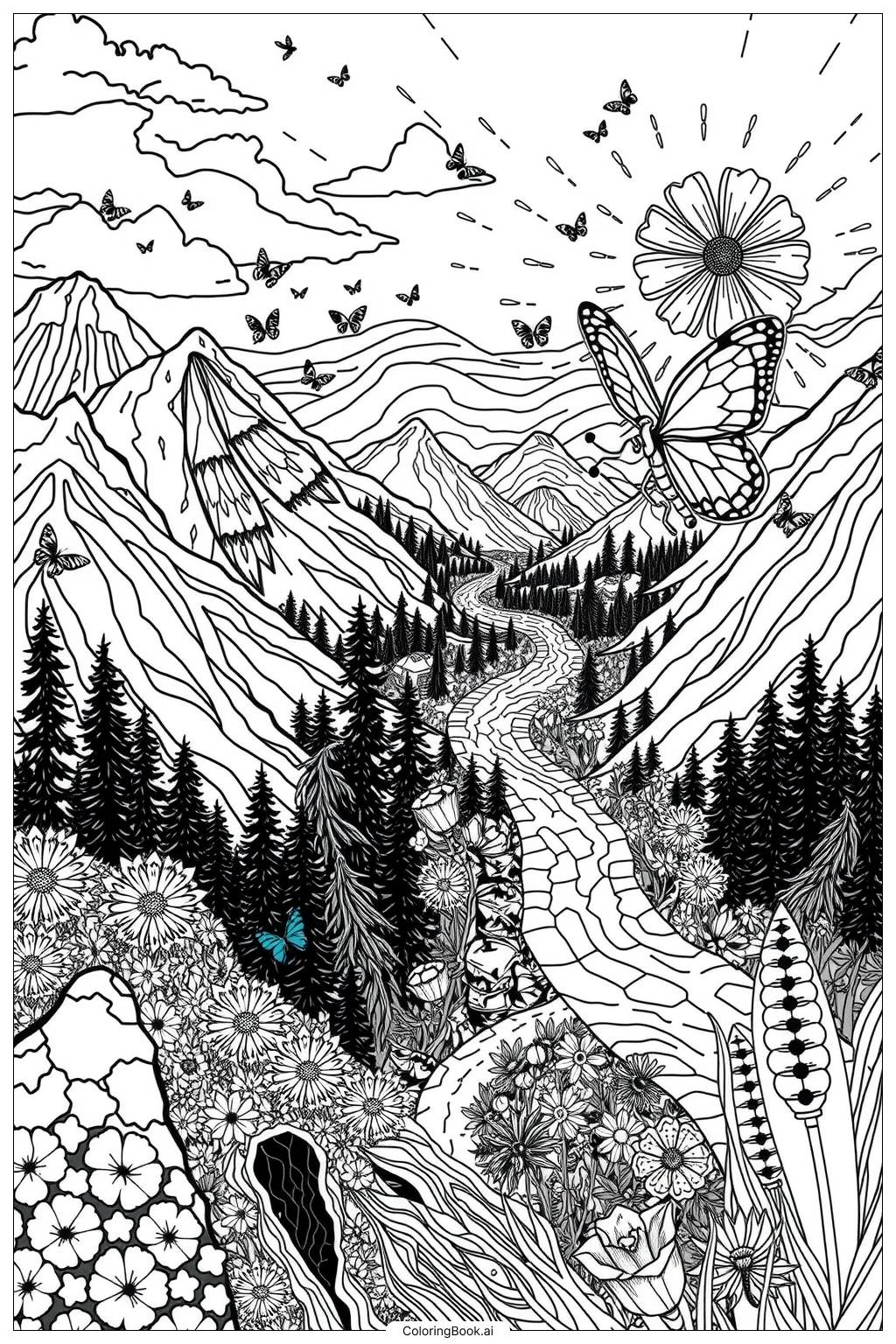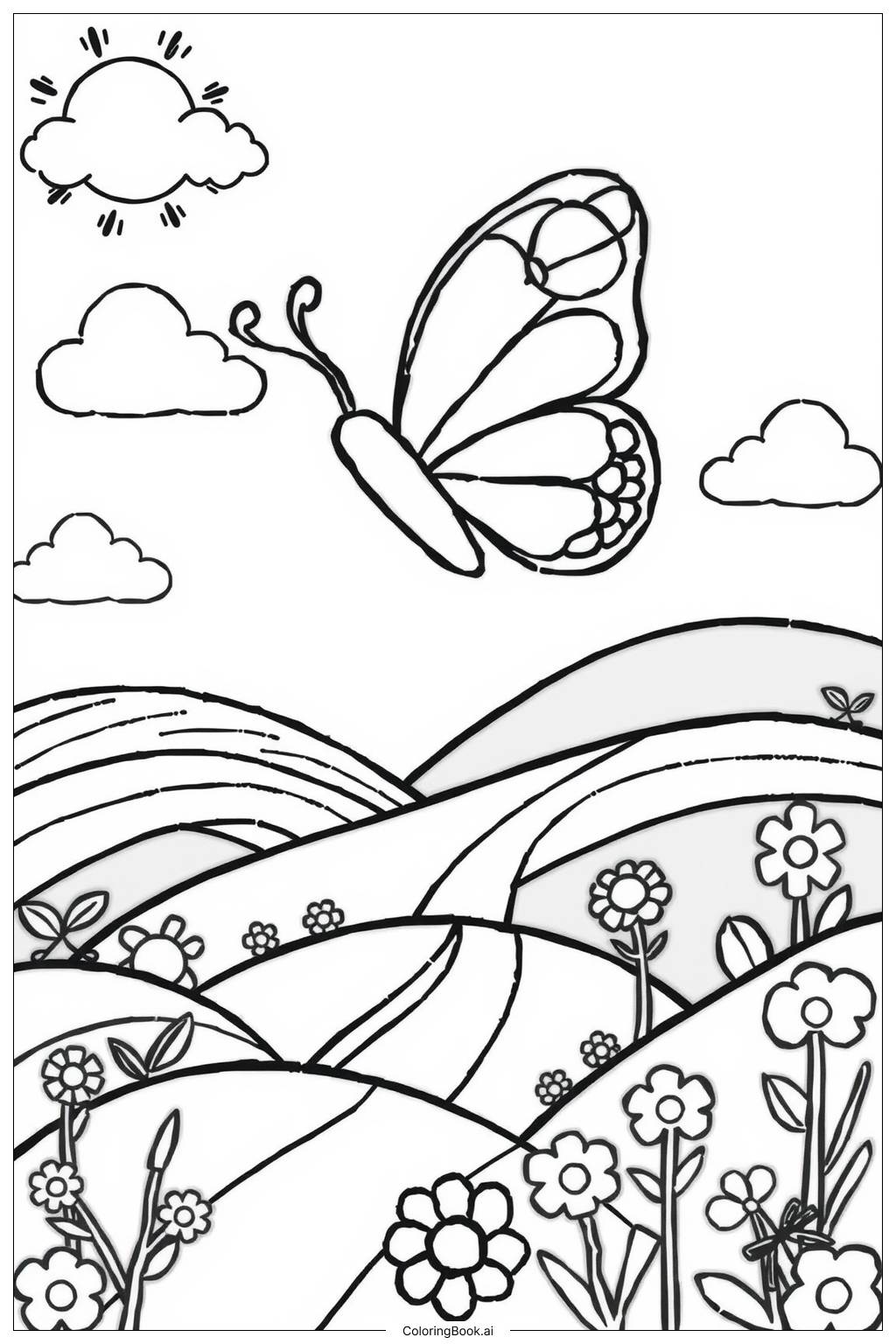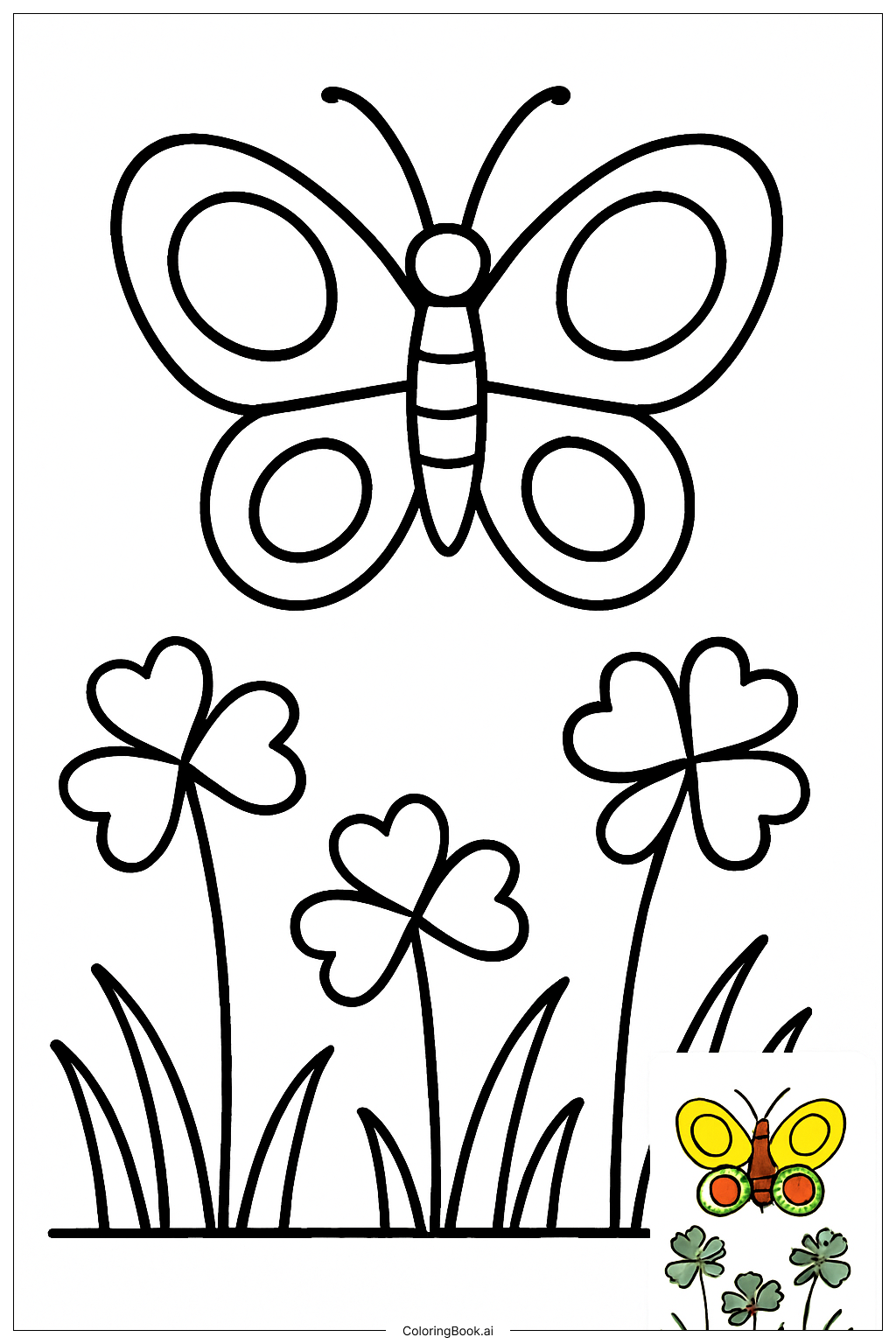
Coloring tips: How to color Butterfly In Meadow With Clover Field coloring page well?
Start with the butterfly wings using bright, cheerful colors. Try orange and yellow for a monarch-inspired look, or go with purple and pink for something more magical. Use a darker shade along the wing edges to make the patterns pop. For the clover blossoms, light pink, lavender, or white work beautifully. Color the clover leaves in different shades of green to add depth — use a lighter green in the center and darker green near the edges. The grass can be colored in soft yellow-green or emerald green. Use a sky blue or pale yellow for any open background areas to suggest a warm, sunny day. Don't rush — take your time with the small details on the butterfly wings. Even simple color choices can look amazing when applied carefully and consistently.
Coloring challenges: Which parts are difficult to color and need attention for Butterfly In Meadow With Clover Field coloring page?
• Butterfly Wing Patterns: The wings are filled with intricate swirls, dots, and line details. Staying inside these small shapes requires a fine-tipped colored pencil or marker. Rushing through this area can cause colors to bleed into neighboring sections, making the pattern look messy. Take it slow and work section by section for the best result.
• Color Blending on the Wings: Butterfly wings often have gradual color transitions from one hue to another. Achieving a smooth blend without streaks can be tricky, especially for younger colorists. Layering colors gently and using a light touch helps create a natural, flowing look across the wing surface.
• Clover Blossom Details: Each clover flower is made up of many tiny individual petals packed tightly together. Coloring each petal separately takes patience and precision. Using the tip of a colored pencil rather than the side gives more control in these tight spaces.
• Distinguishing Leaves from Grass: The background contains both clover leaves and grass blades, which can visually overlap. Choosing clearly different shades of green for each element helps separate them and keeps the scene readable. Planning your color choices before you start will save confusion later.
• Balancing the Overall Scene: With so many elements — butterfly, clover, grass, and background — it can be hard to keep the image feeling balanced. Avoid using too many bright colors at once. Let the butterfly be the star by using the most vivid colors there, and keep the background elements softer and more muted.
Benefits of coloring books: Advantages of drawing Butterfly In Meadow With Clover Field coloring page
Coloring this butterfly and clover meadow scene offers wonderful benefits for kids and adults alike. For children, it builds fine motor skills as they carefully color within the small details of the butterfly wings and clover petals. It also sharpens focus and patience, especially when working through the intricate wing patterns step by step.
Choosing colors for the butterfly encourages creative thinking and self-expression. There is no single right answer — every colorist can make their own unique version of this scene. This freedom boosts confidence and imagination.
For older kids and adults, the detailed nature of this image provides a calming, meditative experience. Focusing on the repetitive motion of coloring helps reduce stress and quiet a busy mind. It works like a gentle form of mindfulness.
Learning about nature is another quiet benefit. Coloring clover flowers and a realistic butterfly helps children become more aware of the natural world around them. It can spark curiosity about butterflies, meadows, and the small creatures that live there.
Overall, this coloring page is a joyful, relaxing activity that blends creativity with a love of nature — a perfect combination for colorists of any age.