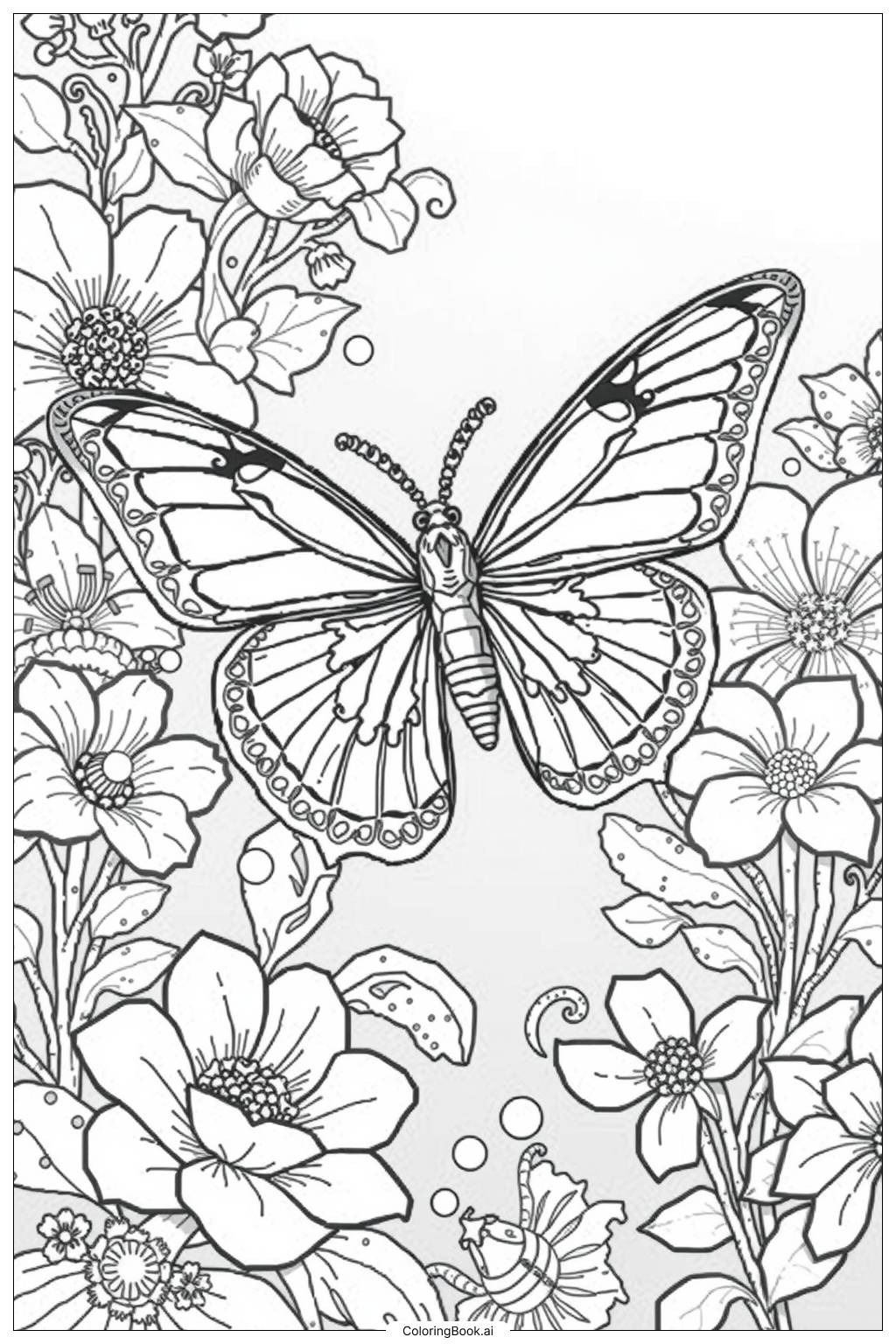
Coloring tips: How to color Butterfly First Flight coloring page well?
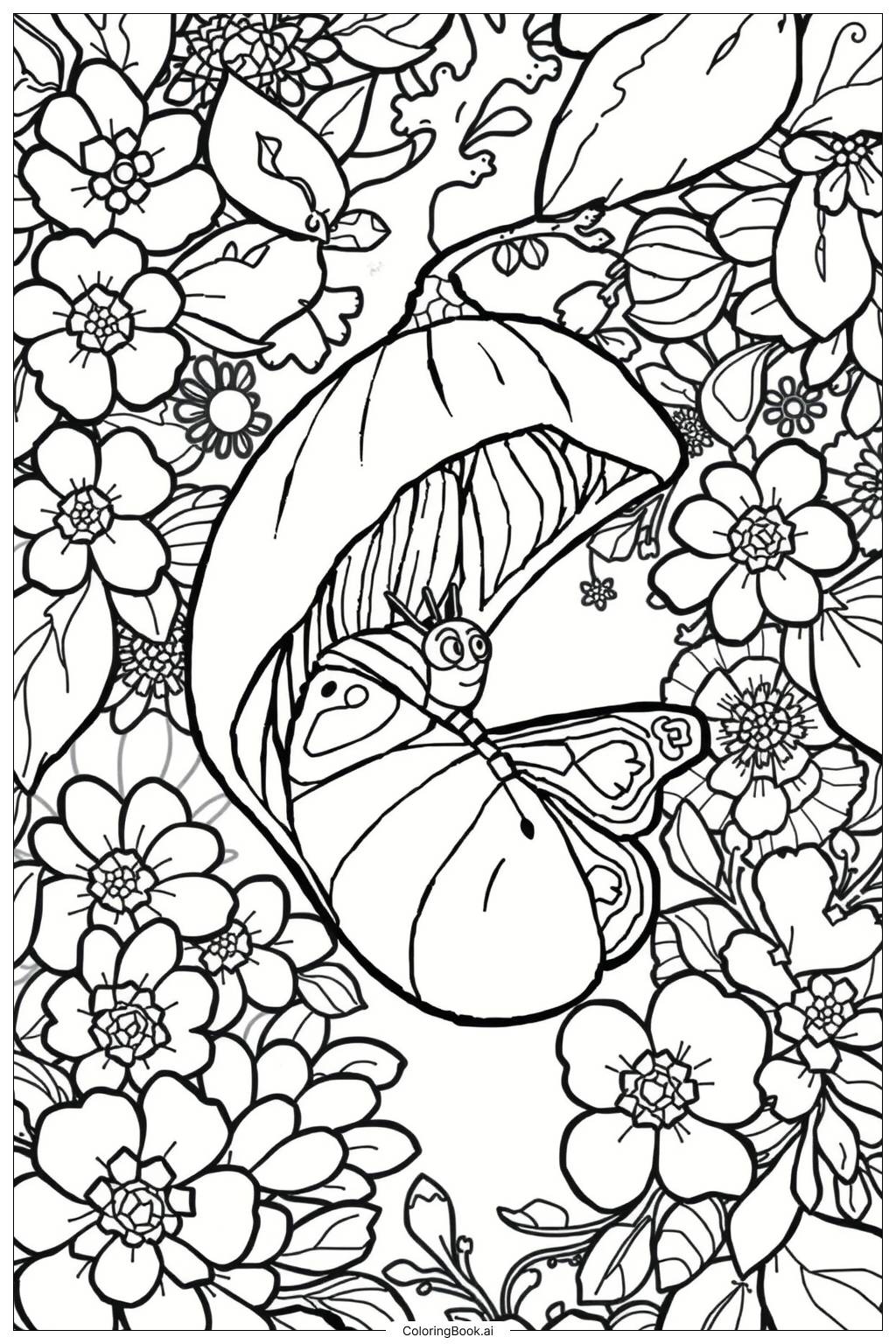
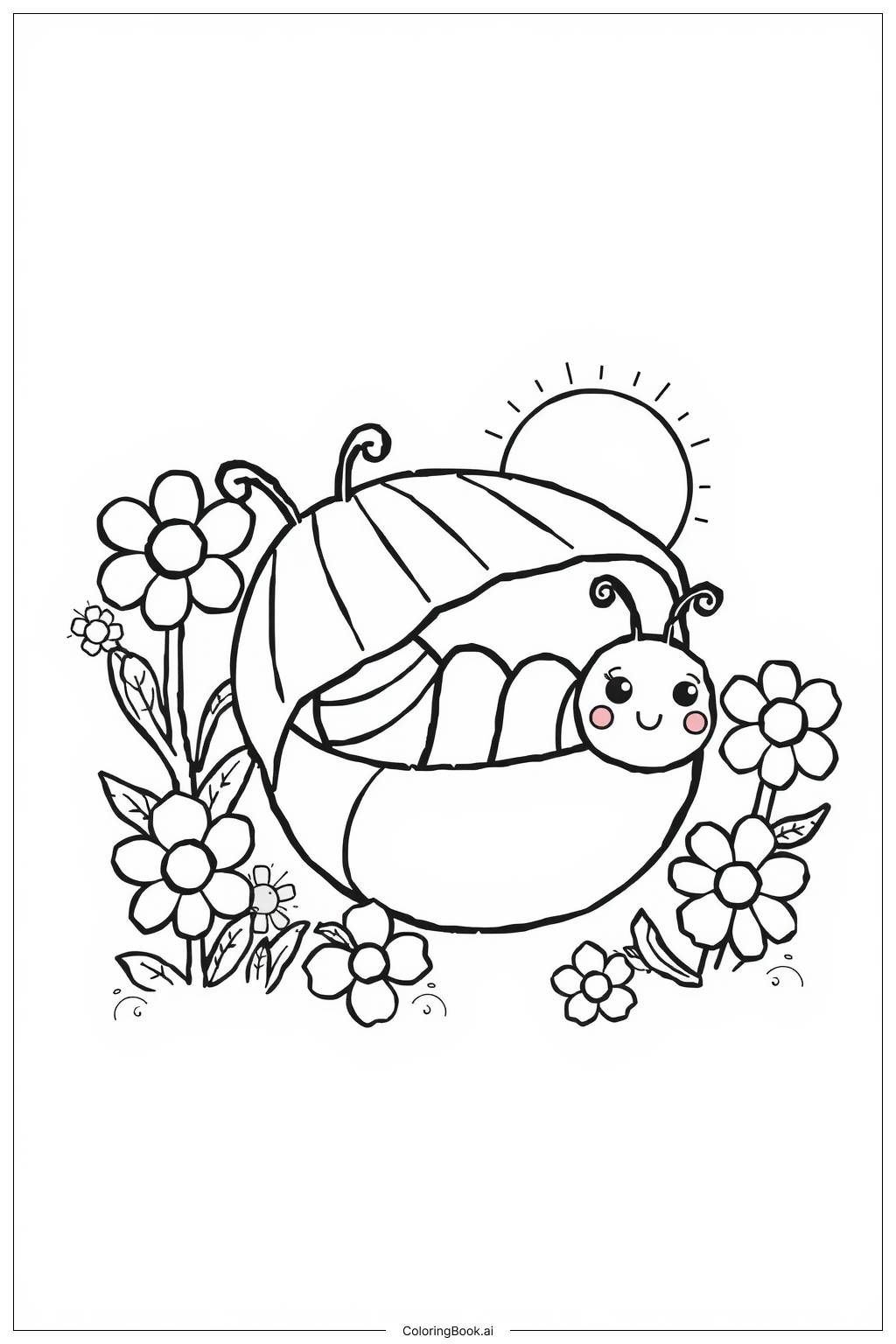
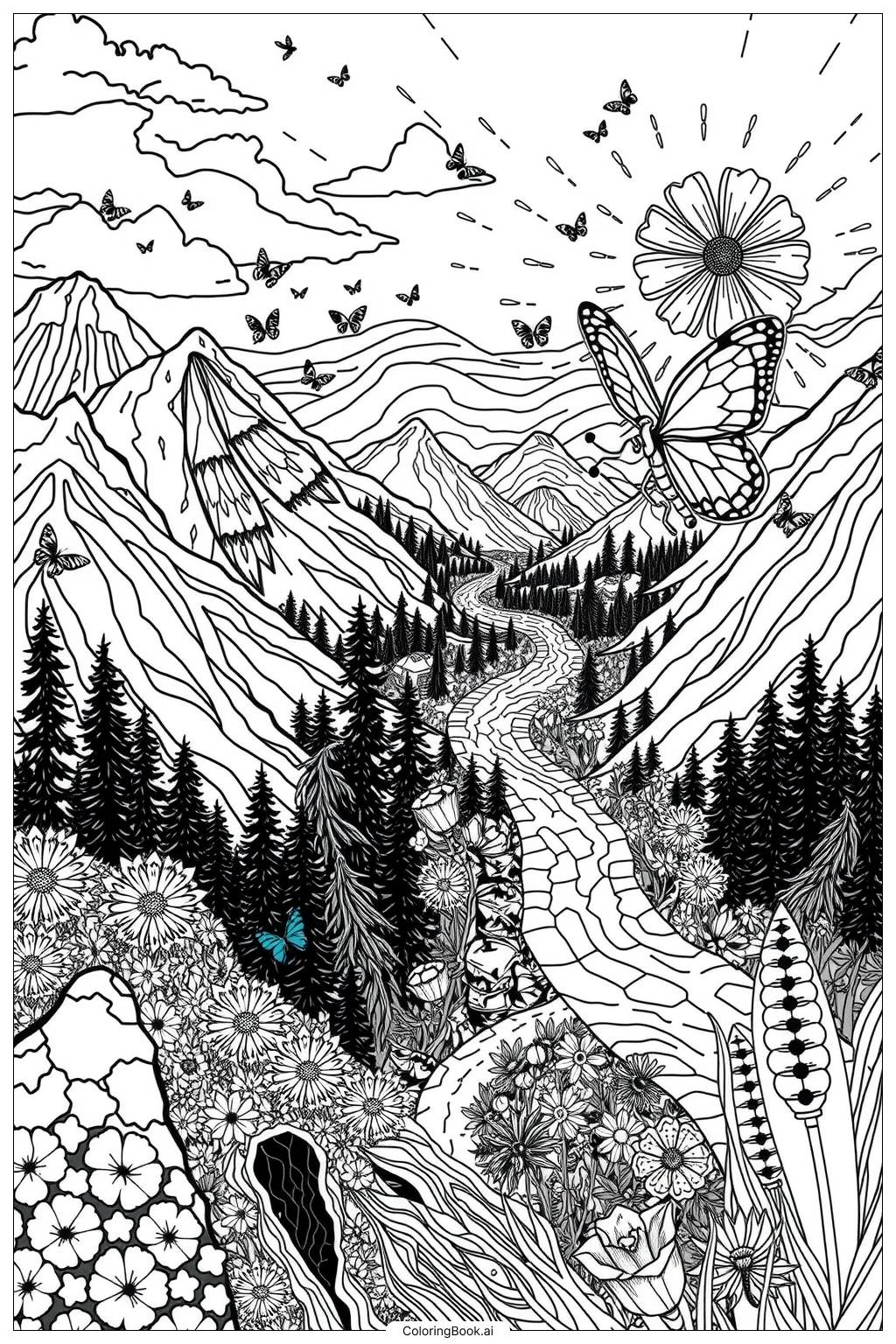
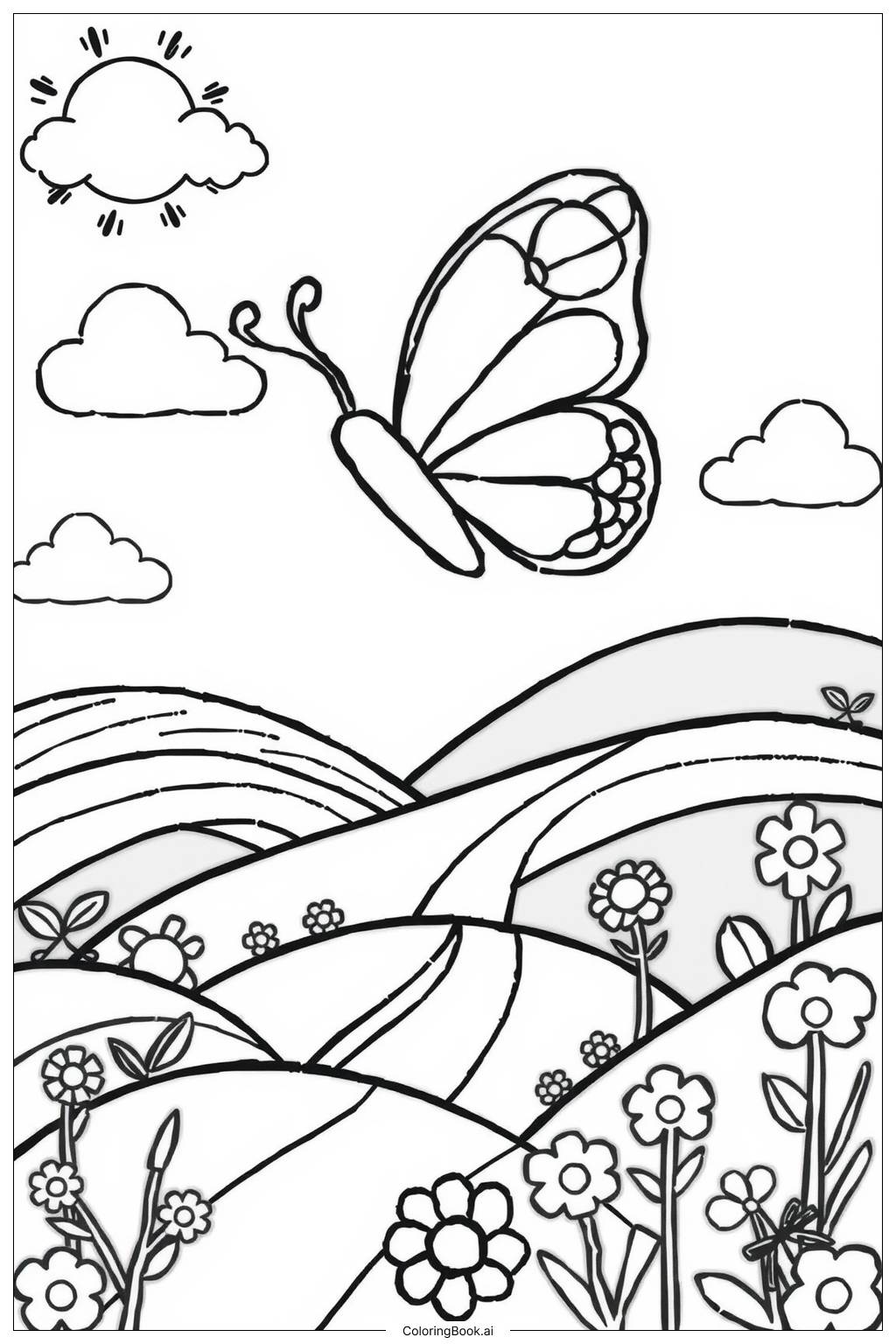
Start with the butterfly wings first, since they are the centerpiece of this image. Try bright, cheerful colors like orange, yellow, or sky blue for the large wing sections. Use a darker shade of the same color along the edges to add depth. For the swirling patterns and dots on the wings, pick a contrasting color like deep purple, black, or dark brown to make them stand out. Color the branch in warm browns and tans. The flowers can be any colors you love — pink, red, lavender, or white all work beautifully. Use light green for the leaves to keep things feeling fresh and natural. If you want, add a soft blue or pale yellow to the background to give the scene a warm, sunny feel. Blend colors gently where areas meet to make the image look soft and dreamy. Have fun and let your imagination guide your color choices!
Coloring challenges: Which parts are difficult to color and need attention for Butterfly First Flight coloring page?
• Wing Pattern Complexity: The butterfly wings are filled with detailed swirls, circular patterns, and fine veining. Staying inside these small shapes without smudging nearby areas takes patience and a steady hand. Using a fine-tipped coloring tool for these sections will help keep the details clean and precise.
• Color Transitions on Wings: Butterfly wings often show gradual color shifts from the center outward. Recreating this gradient effect with colored pencils or markers can be tricky. Layering colors slowly and blending in small circular motions works best to achieve a smooth, natural look.
• Small Floral Details: The flowers and petals surrounding the butterfly have tiny petals and thin stems. These small areas are easy to accidentally color over, especially with thicker markers. Switching to a fine-tipped pen or a sharpened colored pencil gives you better control in these tight spots.
• Differentiating Overlapping Elements: In some areas, the wings, flowers, branch, and leaves overlap one another. Deciding which element to color first and how to separate them visually using different colors or shading is an important challenge. Planning your color scheme before you begin will prevent sections from blending together and losing definition.
• Balancing the Overall Color Harmony: With so many different elements — wings, branch, flowers, and leaves — keeping all the colors balanced so no single area looks too heavy or too plain requires thought. Choosing a limited palette of three to five colors and repeating them throughout the image helps tie everything together into a cohesive and pleasing result.
Benefits of coloring books: Advantages of drawing Butterfly First Flight coloring page
Coloring this butterfly image offers wonderful benefits for children and adults alike. For kids aged 4 to 16, focusing on the intricate wing patterns helps sharpen fine motor skills and hand-eye coordination. Carefully filling in small shapes trains the hand to make controlled, precise movements — a skill that supports handwriting and other detailed tasks.
This image also encourages creativity. Choosing colors for the wings, flowers, and background invites personal expression and imaginative thinking. There is no single right answer, so every child gets to make their own unique version.
The calming, repetitive motion of coloring helps reduce stress and promotes a sense of focus and mindfulness. Completing the image gives a satisfying feeling of accomplishment that builds confidence.
Learning about butterflies through art also sparks curiosity about nature and science. Kids may become interested in how butterflies grow, how their wings work, and why their patterns exist — turning a simple coloring activity into a gateway for discovery and learning.
For older children and Adults, this image provides a relaxing creative outlet. The detailed patterns offer enough complexity to stay engaging without feeling overwhelming. Spending time with this page is a gentle, enjoyable way to unwind and reconnect with a sense of playfulness and wonder.