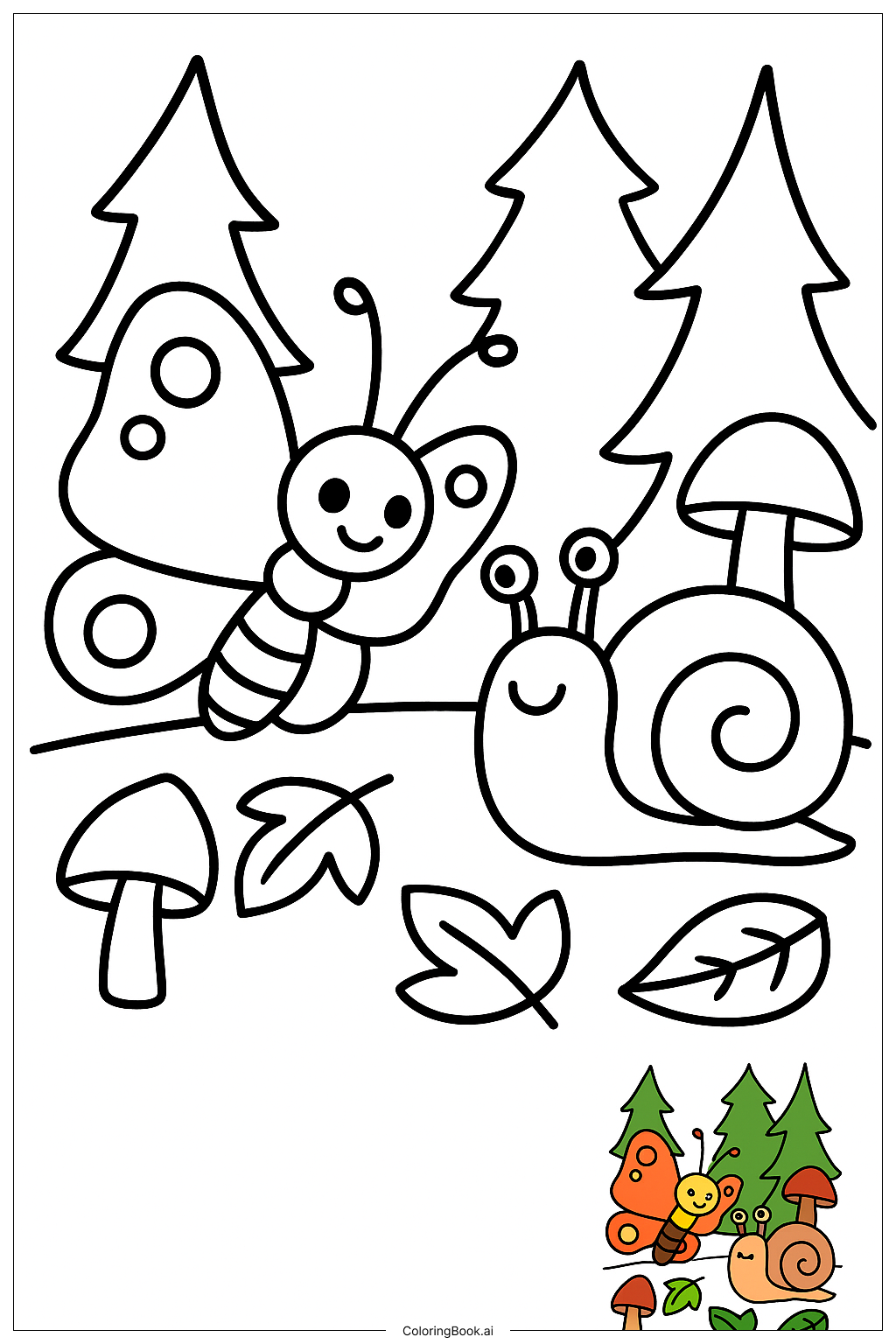
Coloring tips: How to color Butterfly And Snail Forest Encounter coloring page well?
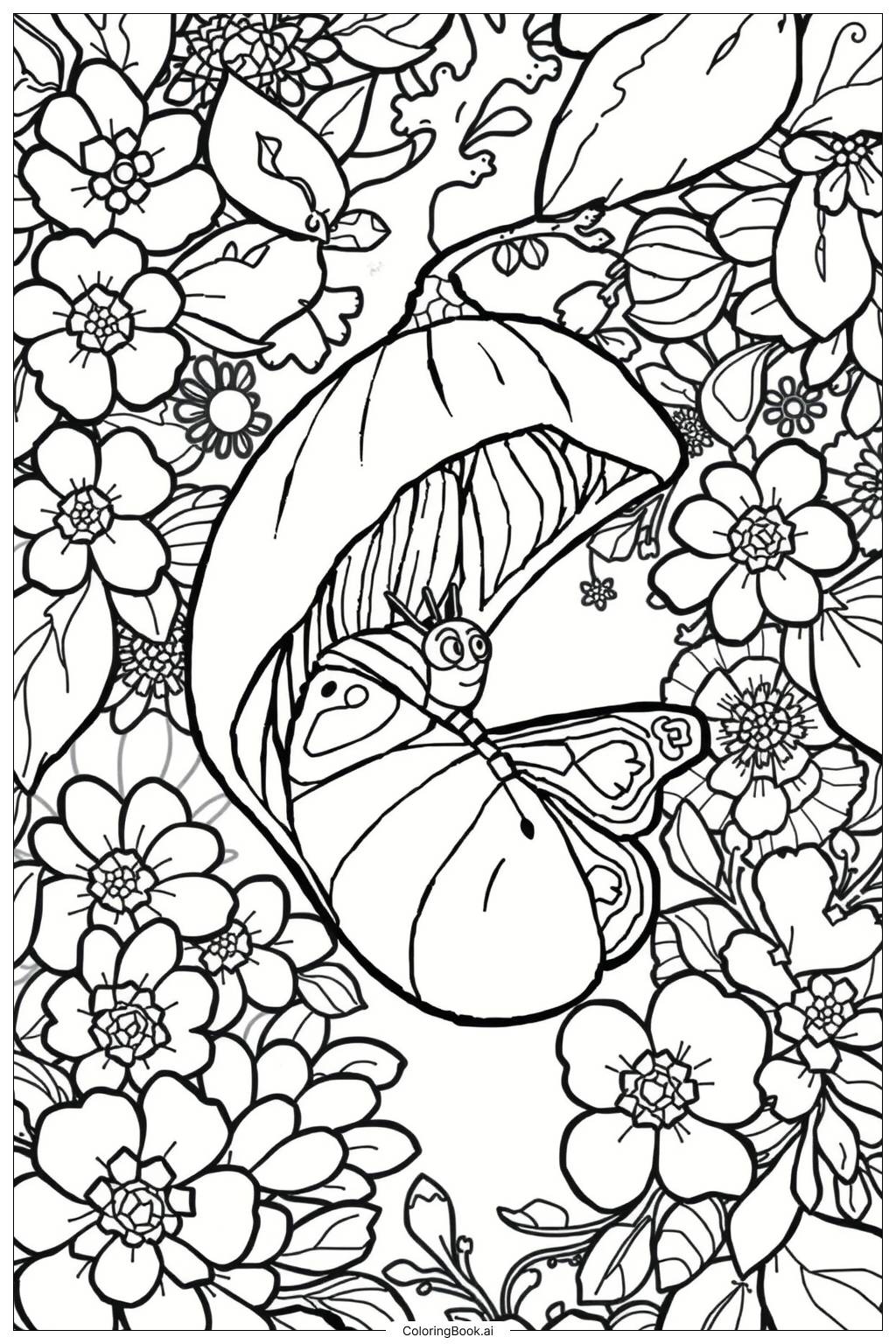
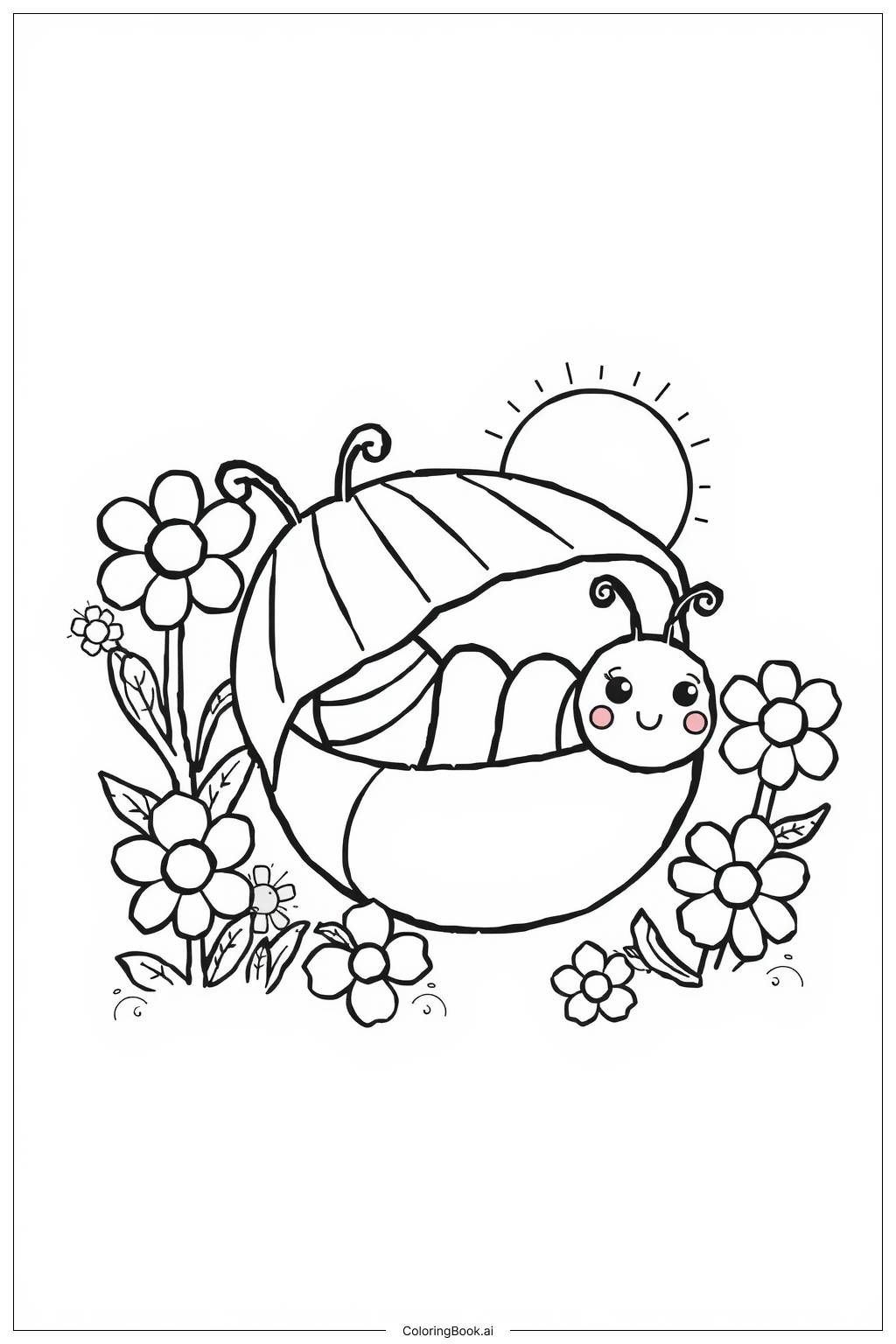
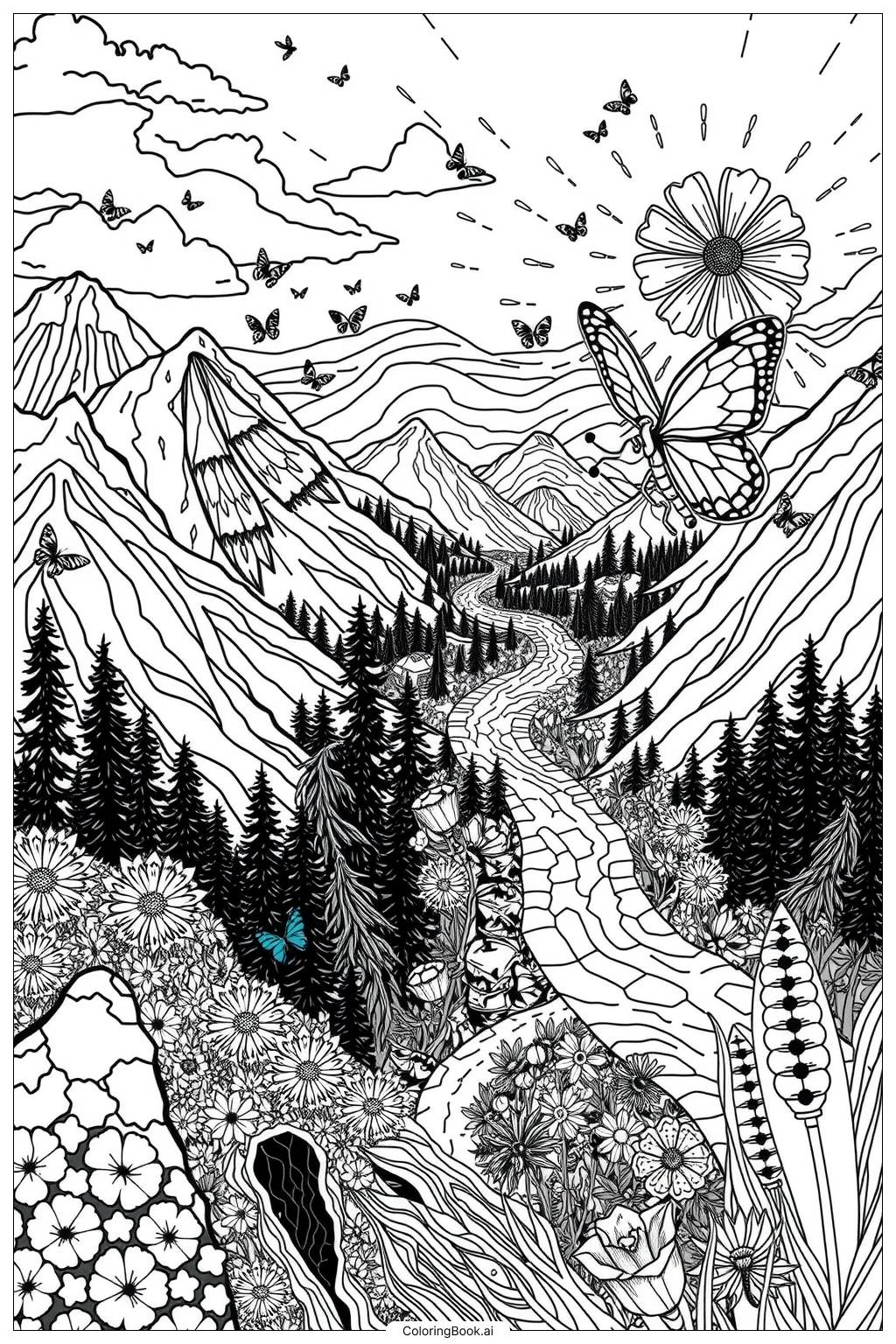
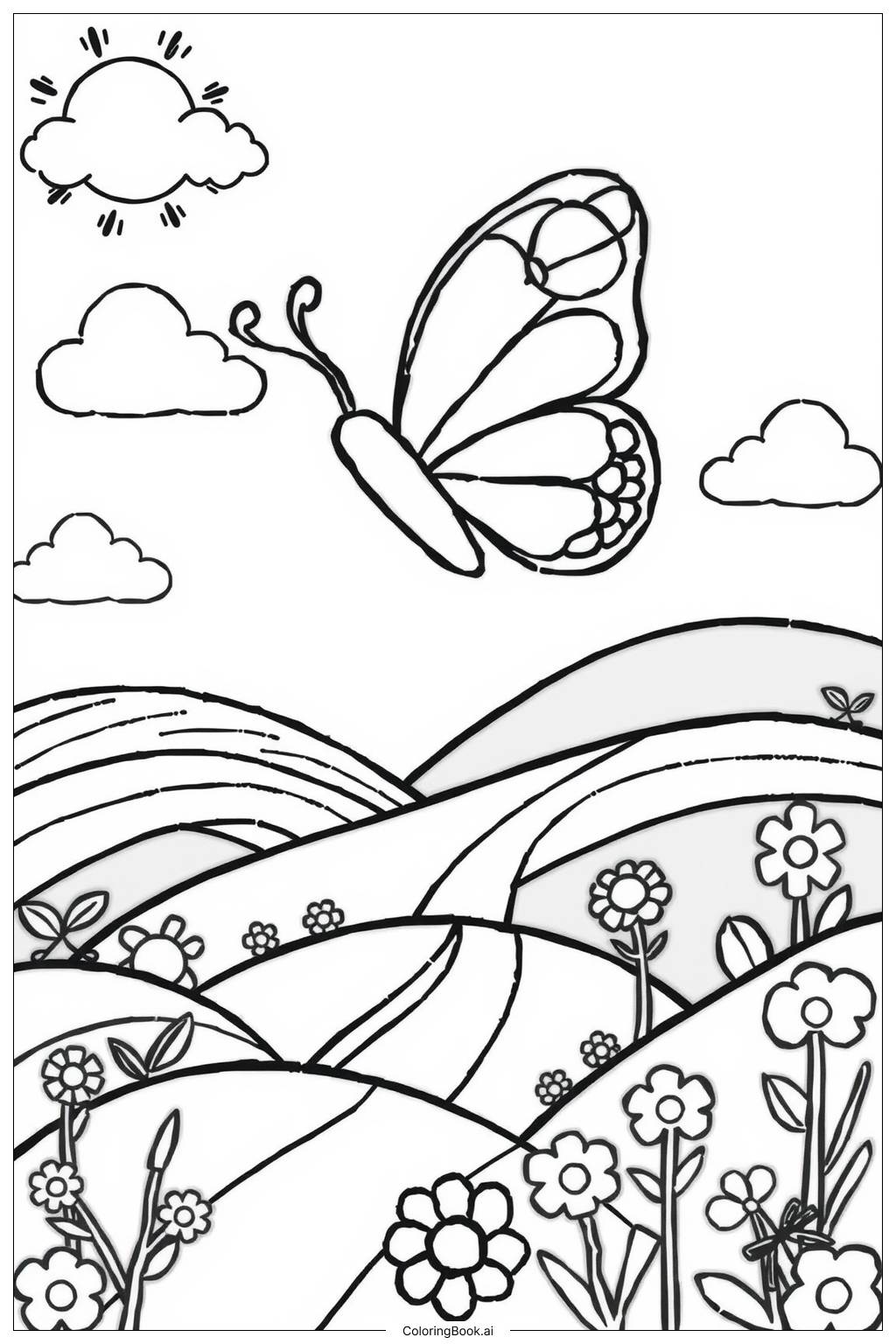
Start with the butterfly wings using bright, cheerful colors like orange, yellow, or purple. Add darker shades along the edges and wing veins to give them depth. Use contrasting spots or dots in white, black, or red to bring the wing patterns to life. For the snail, try warm earthy tones like brown, tan, or olive for the shell, and use a lighter color for the body, such as pale yellow or soft green. Color the leaves in various shades of green to show light and shadow. Use bright colors for any flowers or mushrooms to make them pop. The forest background can be filled with soft blues and greens to give a calm, magical feeling. Take your time with small details — a little shading goes a long way!
Coloring challenges: Which parts are difficult to color and need attention for Butterfly And Snail Forest Encounter coloring page?
• Butterfly Wing Patterns: The butterfly's wings are filled with fine lines, swirls, veins, and decorative spots. Staying inside these small sections requires a steady hand and a sharp pencil or thin marker. It can be tricky to keep colors from bleeding into neighboring areas, especially where patterns are densely packed near the wing edges and body.
• Snail Shell Spirals: The snail's shell features tightly wound spiral lines that form a coiled, layered structure. Coloring each spiral band a slightly different shade of brown or tan to create a three-dimensional look is challenging. The curved lines make it difficult to apply color evenly without smudging or going outside the lines.
• Overlapping Leaves and Vines: The forest setting includes multiple leaves and vines that overlap each other. Deciding which leaf is in front and using lighter or darker greens accordingly takes planning. Without careful color choices, the layers can look flat and blended together rather than full of natural depth.
• Small Foreground Details: Tiny elements like flower petals, mushroom spots, and small ground plants require precision. These miniature details are easy to accidentally color over, so using fine-tipped tools is important. Younger colorists may find it helpful to outline these areas lightly with pencil before applying color.
• Balancing the Overall Scene: With so many elements — butterfly, snail, plants, and background — choosing a color palette that ties everything together without looking too busy is a real challenge. Planning ahead by picking a limited set of colors helps keep the scene looking harmonious and visually pleasing.
Benefits of coloring books: Advantages of drawing Butterfly And Snail Forest Encounter coloring page
Coloring this butterfly and snail forest scene offers a wide range of wonderful benefits for kids and young artists. Working through the detailed wing patterns and spiral shell designs builds fine motor skills and strengthens hand-eye coordination, which supports writing and everyday tasks. Choosing colors, mixing shades, and deciding how to balance the scene sparks creativity and encourages self-expression. Children learn about nature by engaging with forest elements like leaves, flowers, and insects, making this a fun and subtle way to explore the natural world. The focused, repetitive motion of coloring also promotes mindfulness and helps reduce stress, giving kids a calming activity after a busy day. Completing the full scene builds a sense of accomplishment and boosts confidence. For older children, practicing shading and blending on the wing patterns and snail shell develops real artistic techniques they can carry into other projects. Whether coloring alone or with friends and family, this image creates a joyful and rewarding experience that nurtures patience, attention to detail, and a love of art.