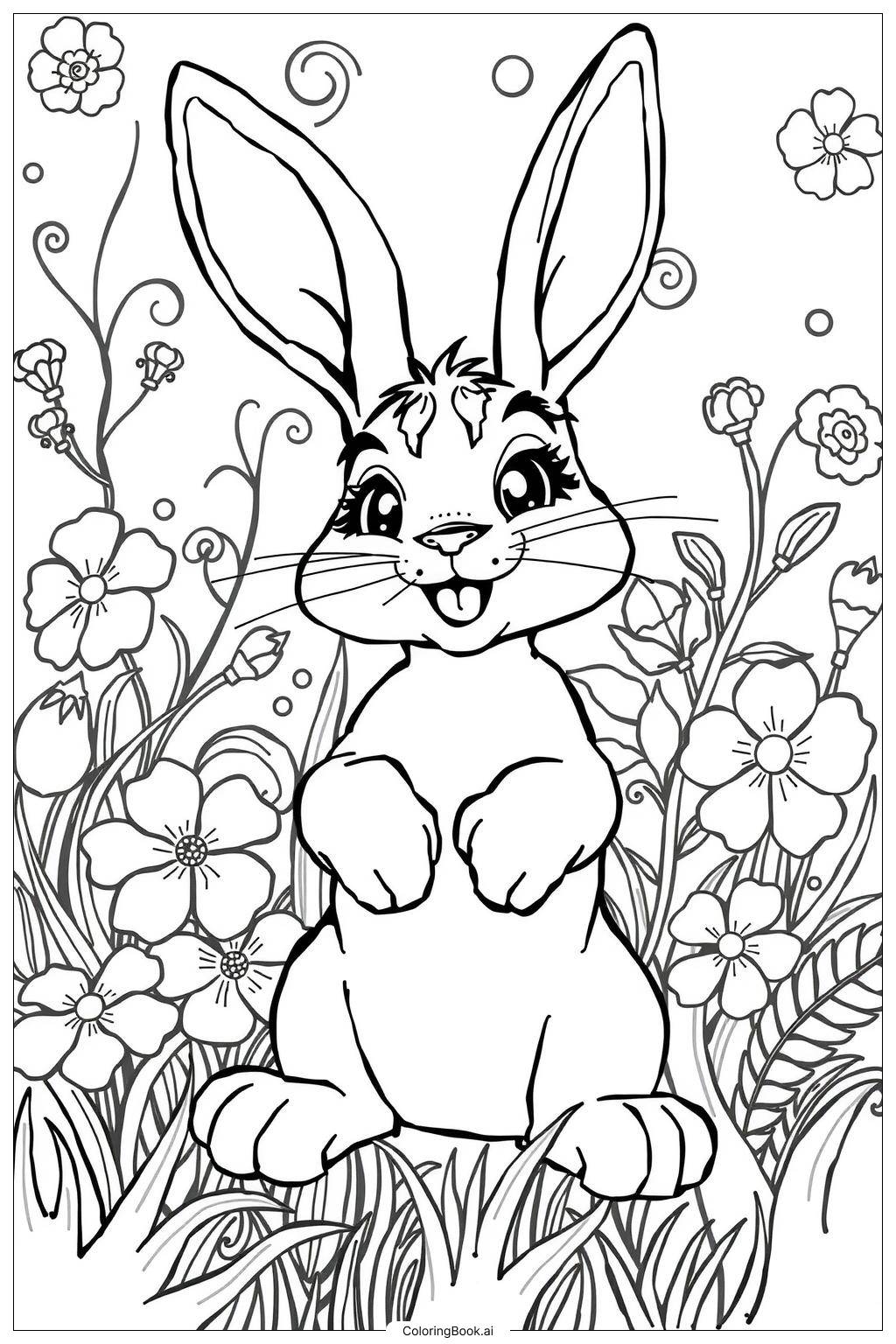
Coloring tips: How to color Smiling Bunny coloring page well?
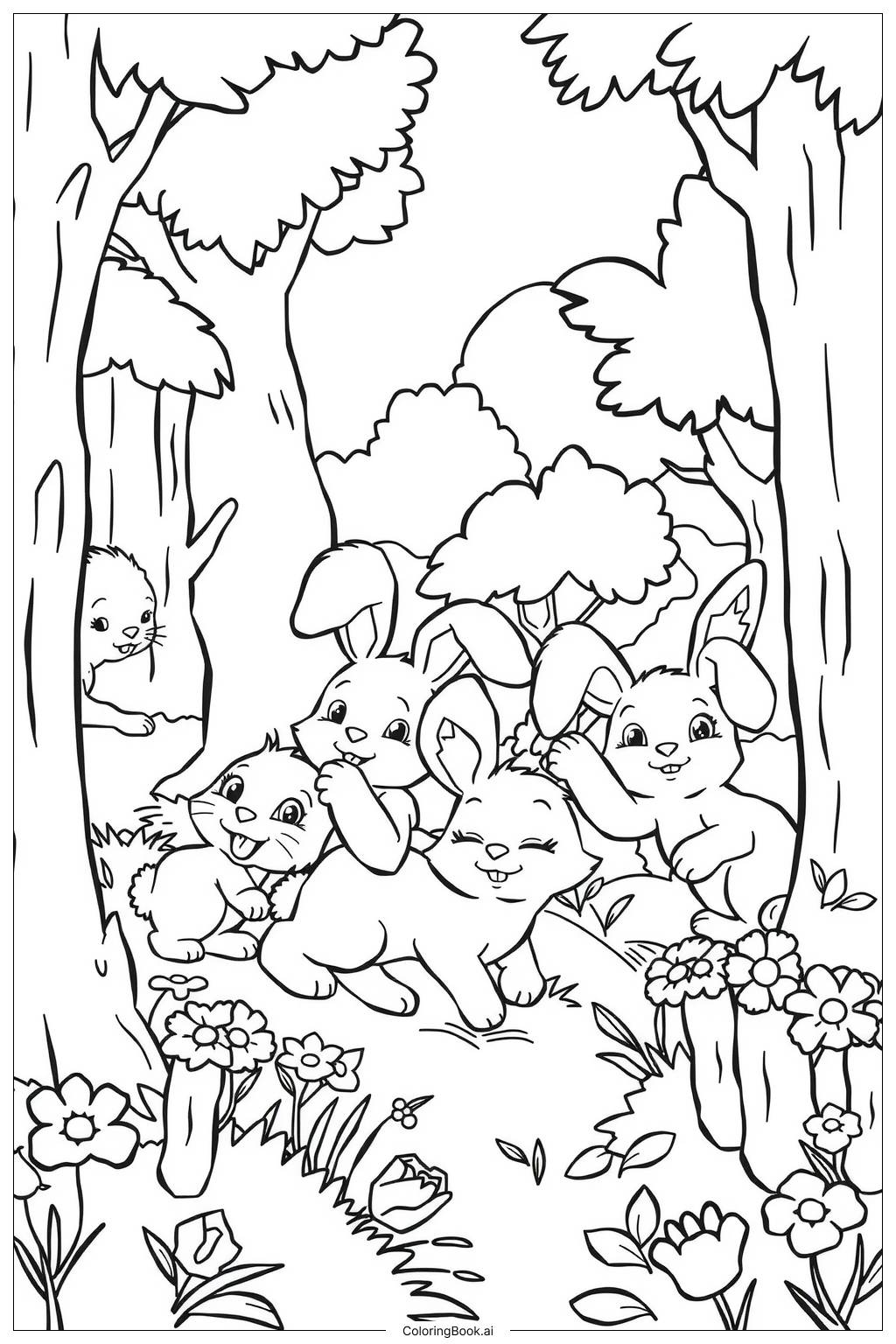
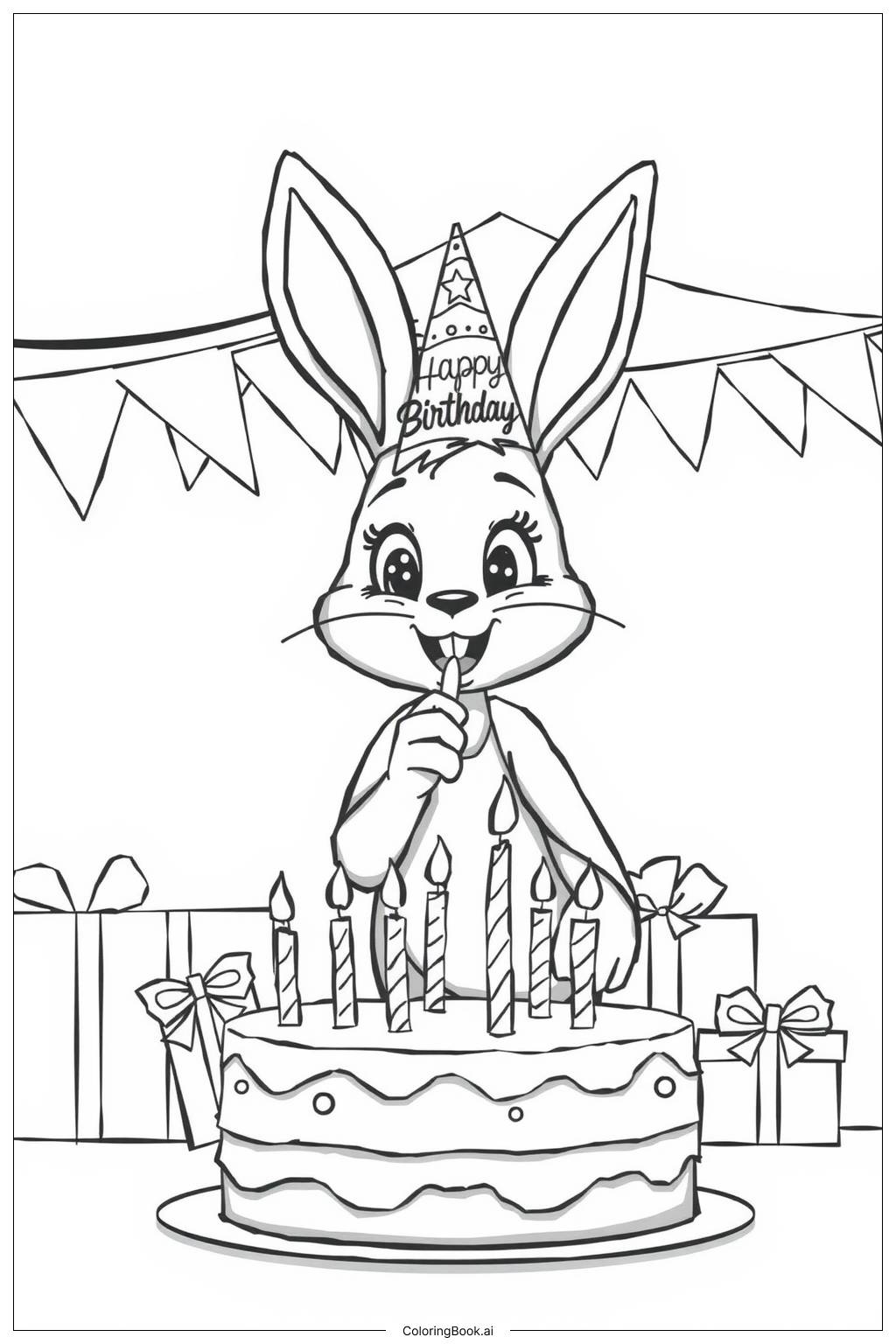
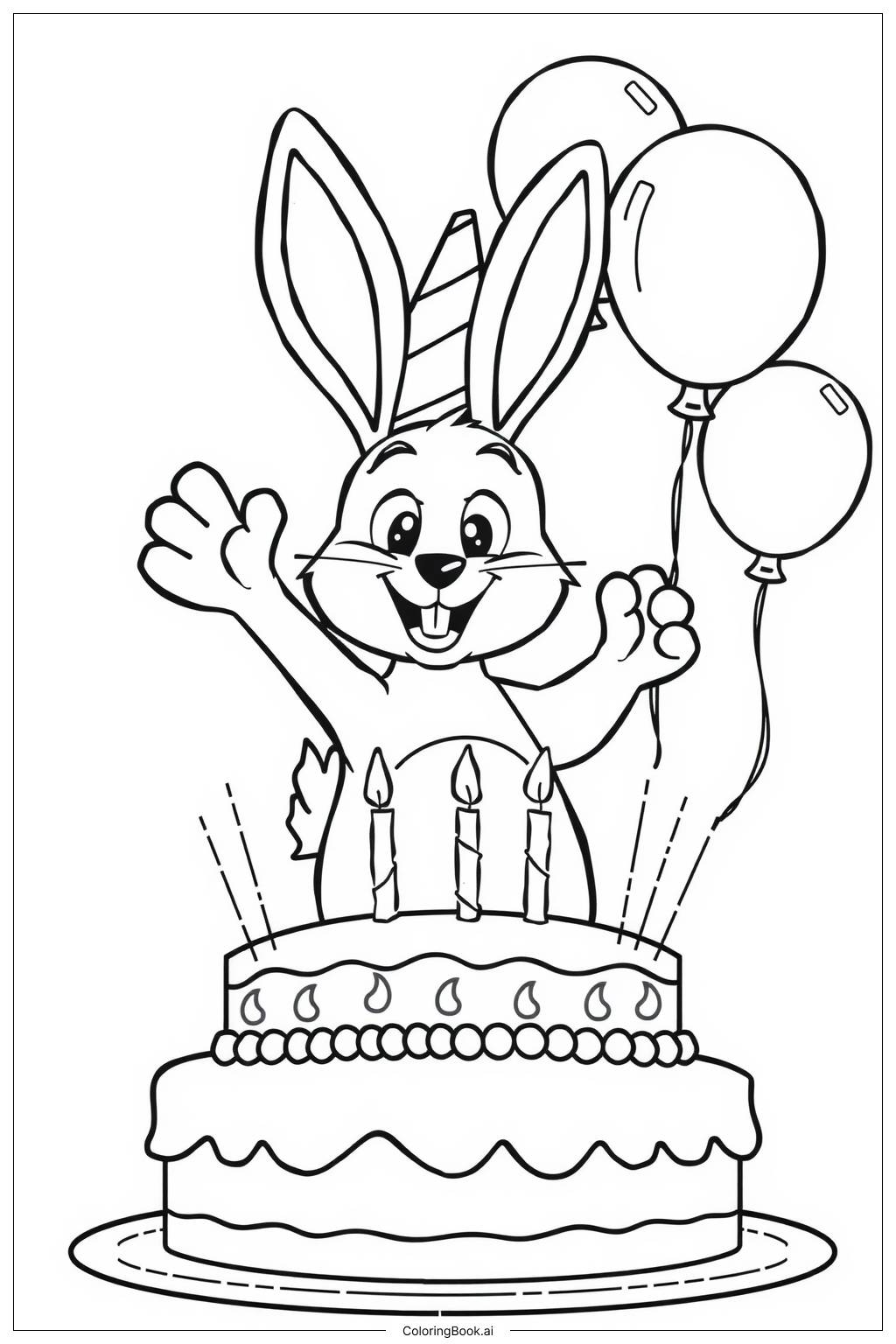
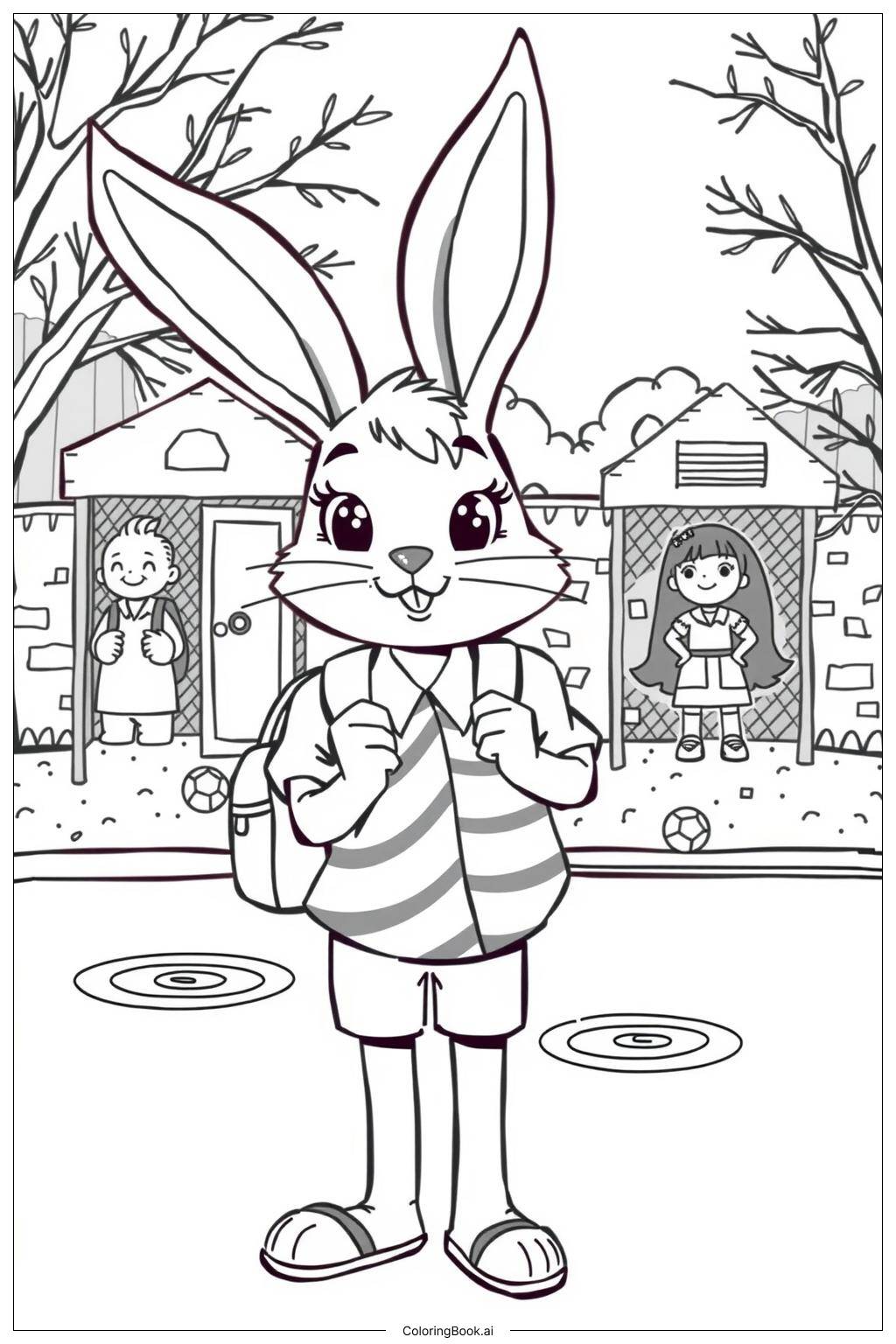
For this picture, using soft pastel colors like light pinks, gentle blues, and creamy whites can bring a warm and friendly vibe to the bunny. You might color the fur with light grey or soft brown shades to keep it natural. The flowers can be bright with reds, yellows, and purples to add energy and contrast. Try using different green tones for the grass and leaves to make the garden feel fresh and lively. You can also add color to the butterflies with vibrant shades to create a playful atmosphere. Using colored pencils or crayons with gentle strokes will help keep the soft look of the bunny and flowers.
Coloring challenges: Which parts are difficult to color and need attention for Smiling Bunny coloring page?
• Fur Texture: The fluffy fur is outlined with fine curves that require careful coloring to stay inside the lines without coloring too heavily, which can make the bunny look less soft.
• Facial Expressions: Maintaining the bunny’s joyful smile and large eyes needs precision so colors do not cover important facial details.
• Small Details: The flowers and butterflies have small petals and wings that are tricky to color neatly, especially for younger artists.
• Background Elements: The grass blades overlap in some areas, which can make it challenging to choose separate shades that clearly define each blade.
• Consistency: Creating a balanced color scheme among the bunny, flowers, and other elements without clashing or overusing bright tones might be difficult for beginners.
Benefits of coloring books: Advantages of drawing Smiling Bunny coloring page
Coloring this image helps improve focus and fine motor skills by encouraging careful attention to smaller details like the flowers and the bunny’s facial features. It provides a relaxing activity that sparks creativity as children decide which colors to use for the different natural elements. Coloring the soft shapes of the bunny and garden helps develop hand-eye coordination and color recognition. For kids aged 4 to 16, it promotes patience and concentration while also offering fun and satisfaction upon completion. Additionally, working on this friendly scene enhances imaginative thinking as children picture the happy bunny living in its colorful garden.