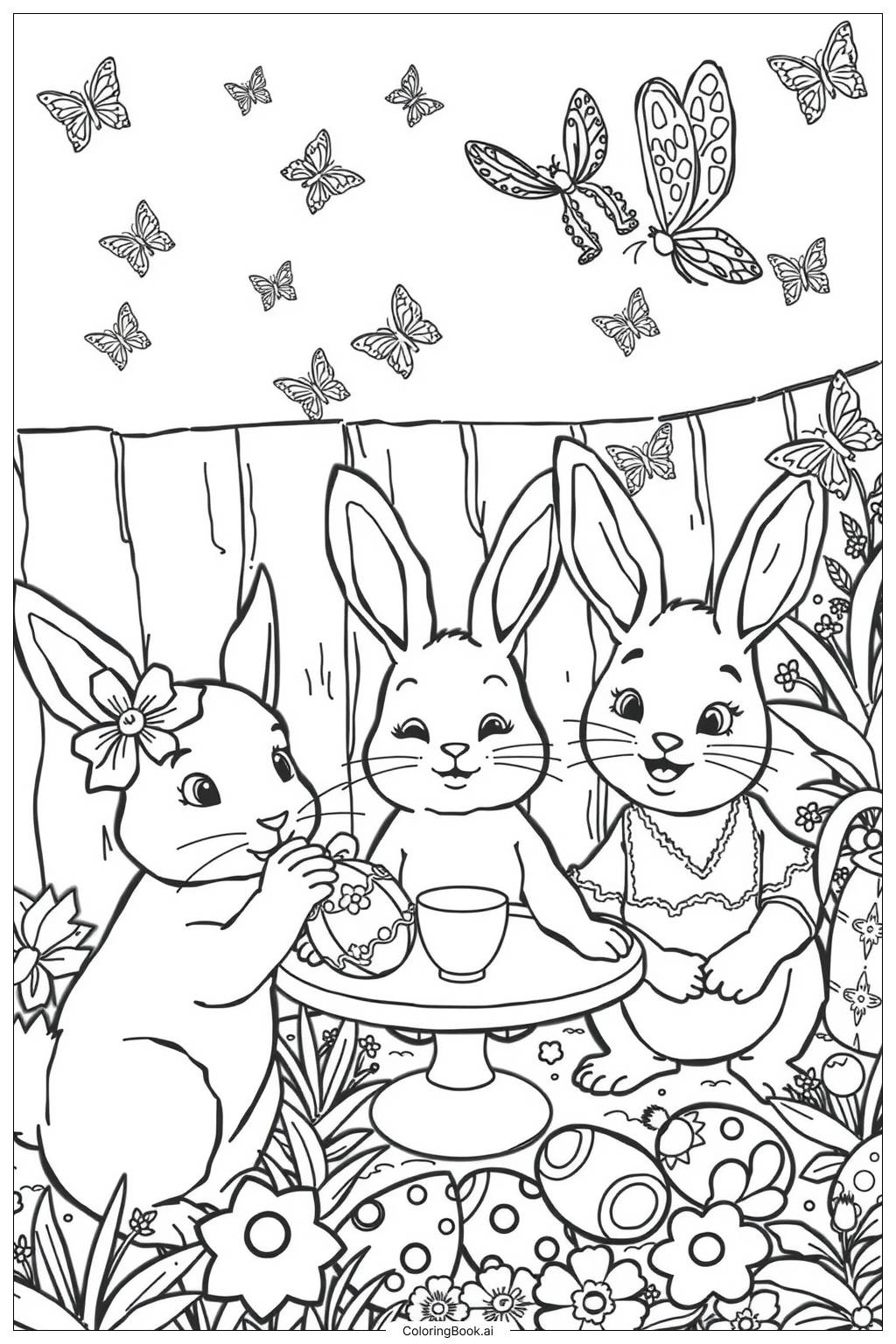
Coloring tips: How to color Easter Bunny Garden Party-2 coloring page well?
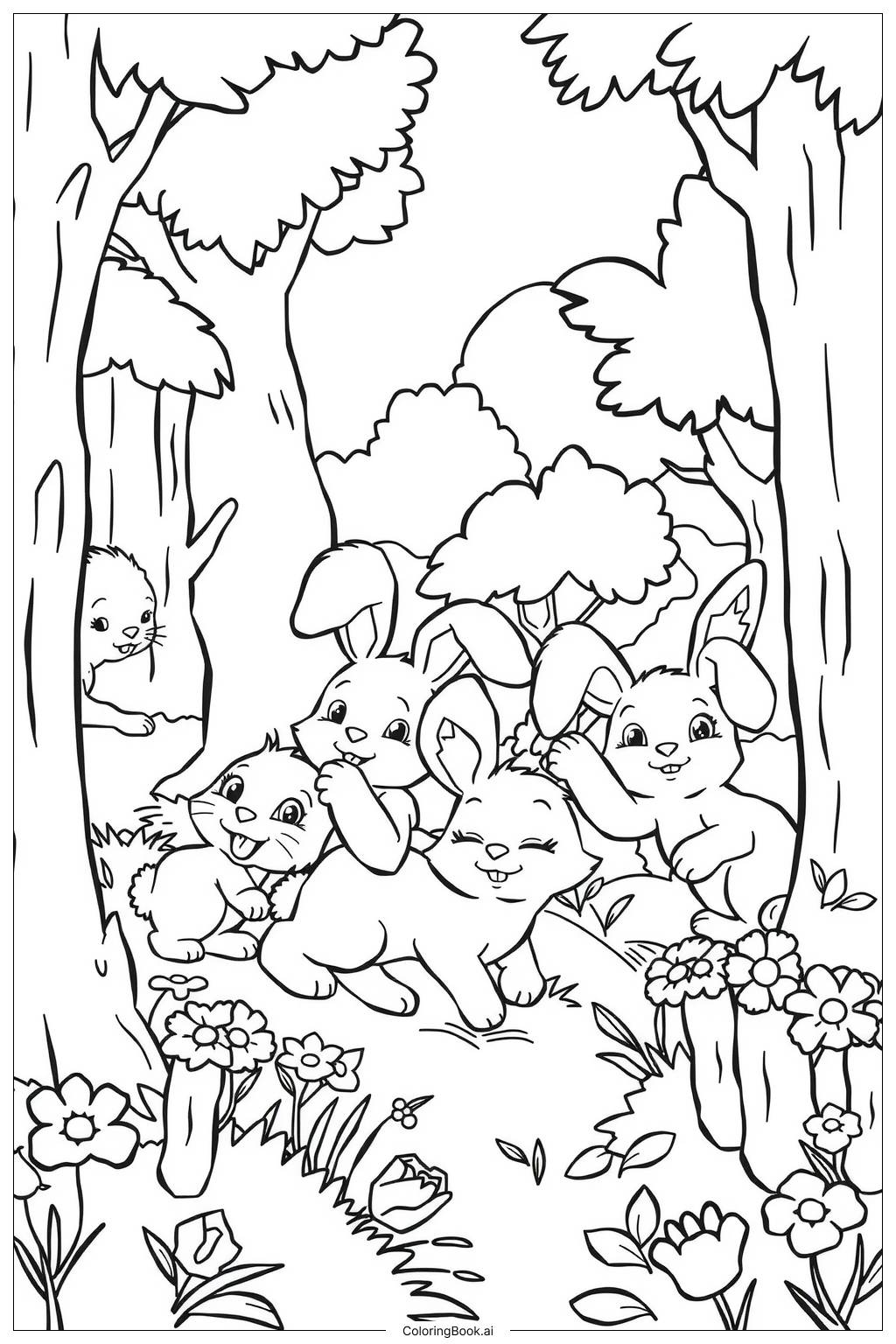
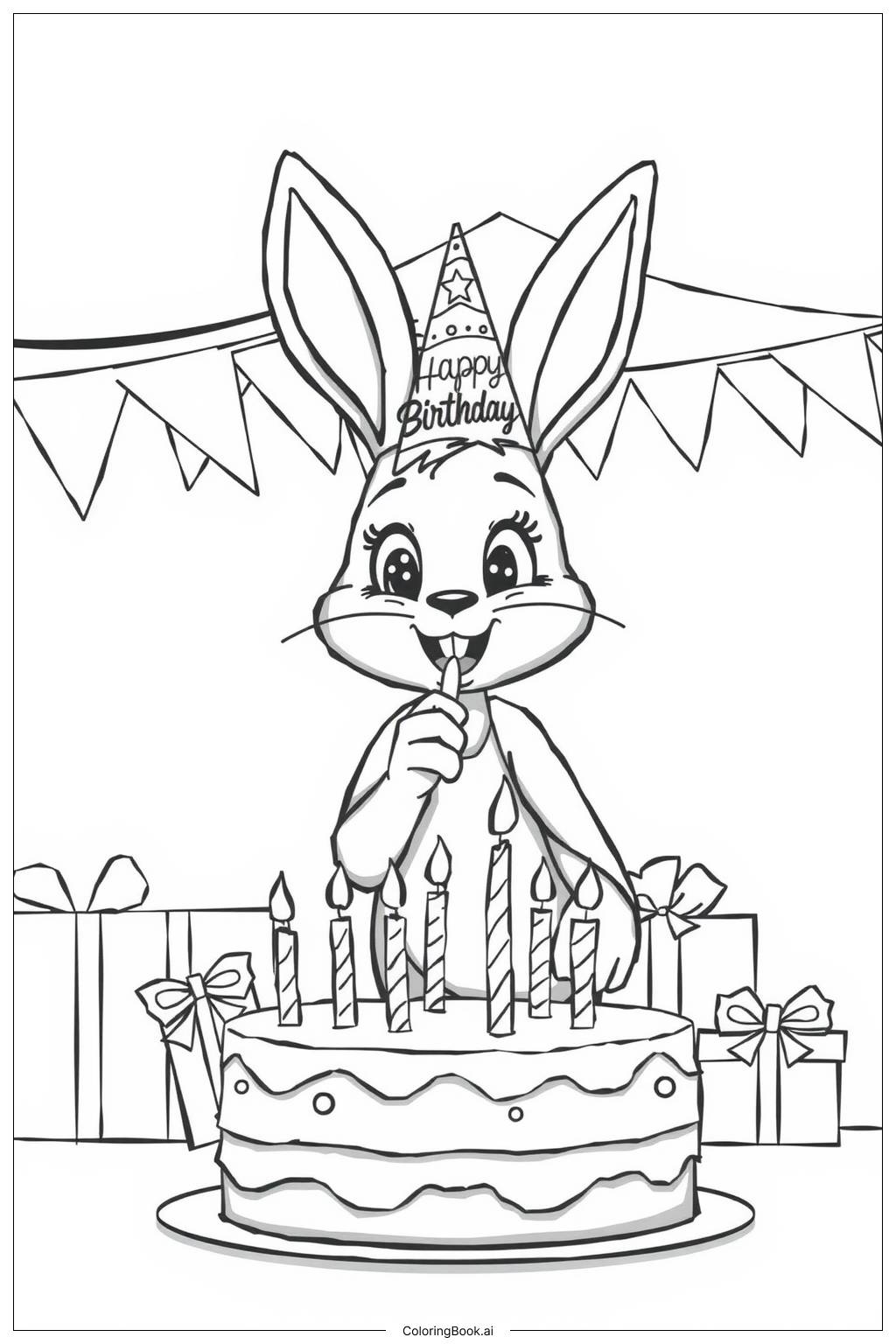
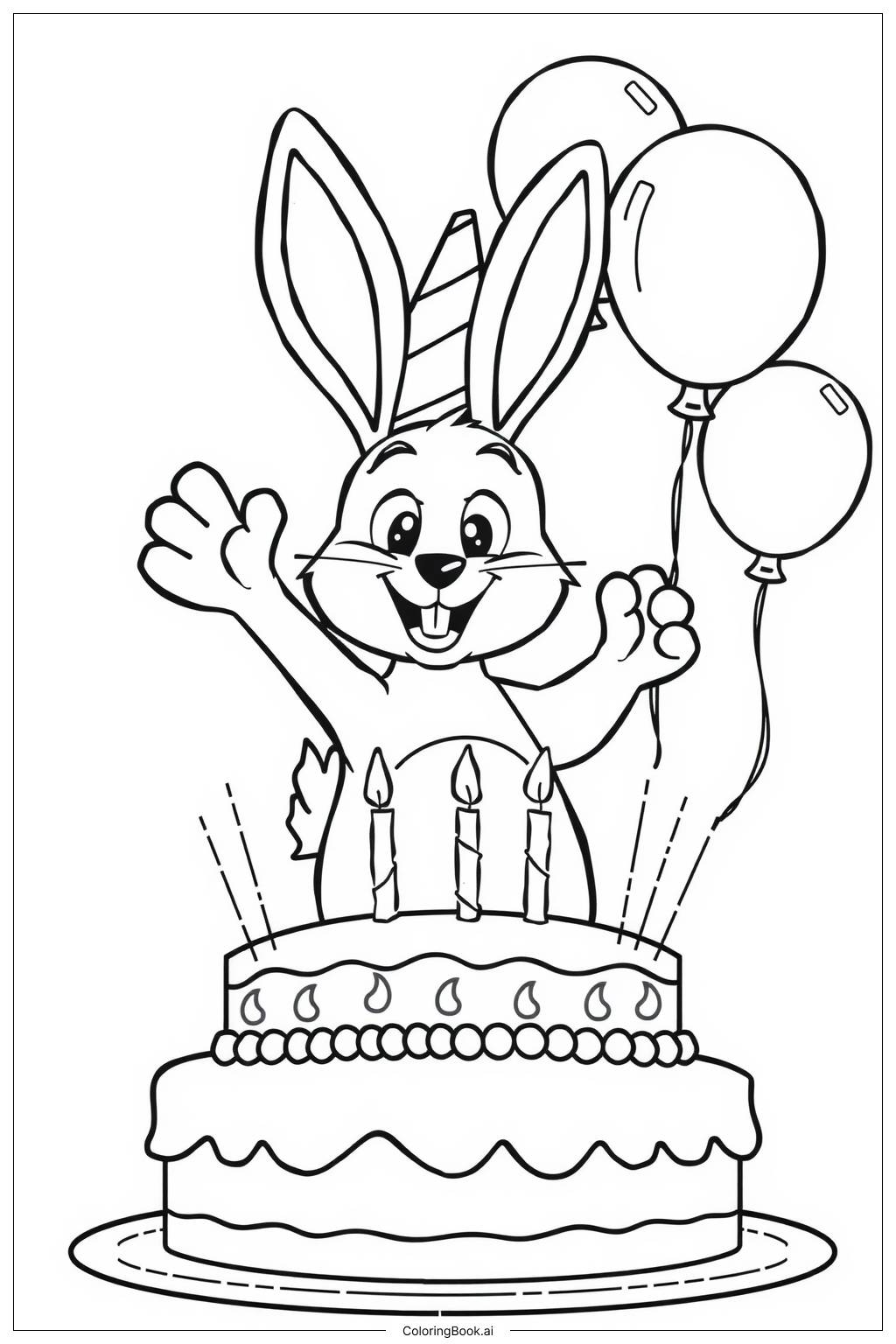
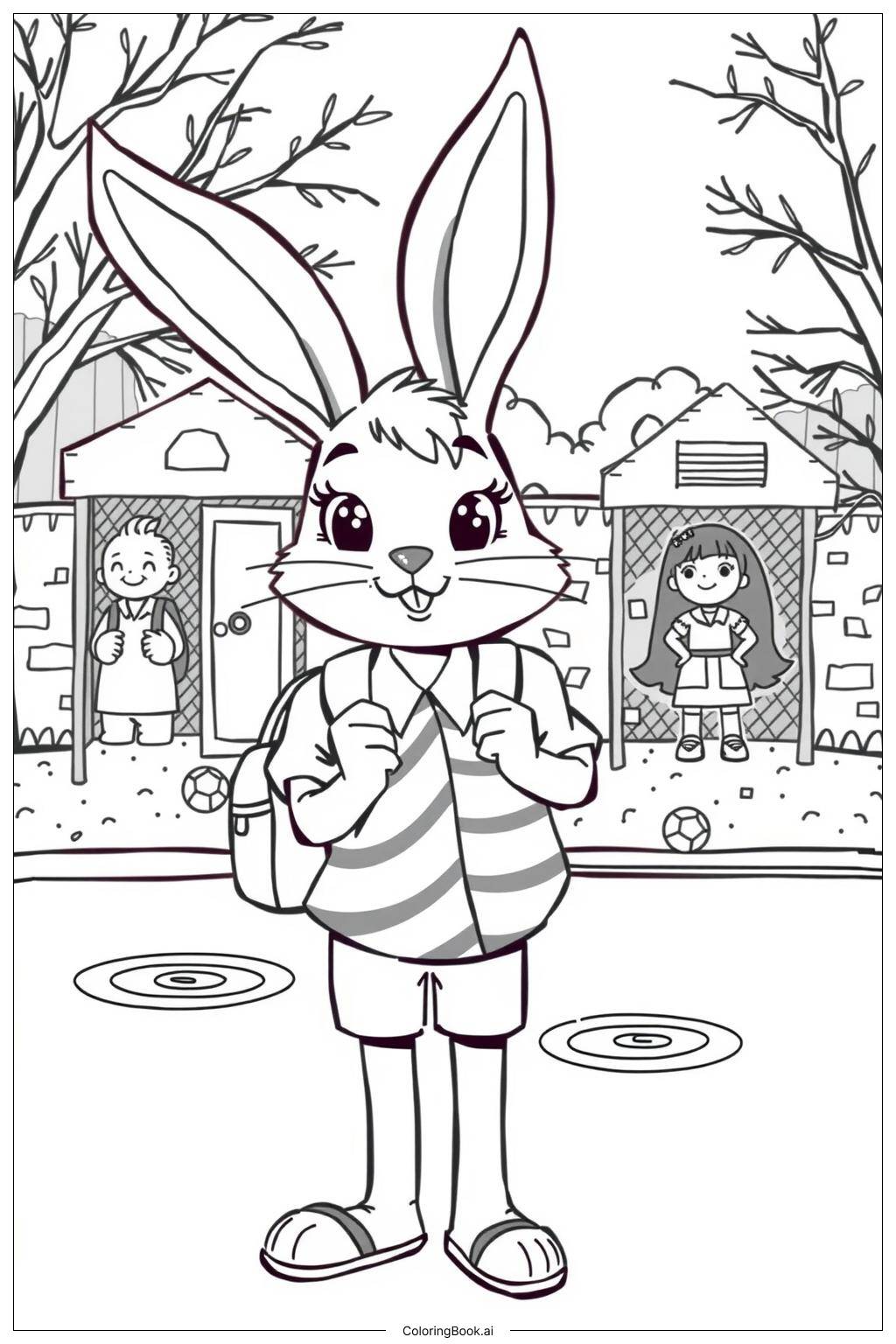
For this picture, bright spring colors will bring the scene to life. Use soft pastel shades for the bunny’s fur, such as light gray, white, or pale brown. Color the Easter eggs in vibrant hues like pink, yellow, blue, and green with fun patterns. The flowers can be shaded in various colors like red, orange, purple, and yellow to add cheerfulness. For the greenery, choose fresh shades of green with some darker tones to show depth. The table and baskets are perfect for natural brown tones to contrast with the colorful eggs. Feel free to add shading and highlights to give the image more dimension. Use your imagination to decorate the banners with bright colors too. Have fun mixing and matching different colors to create a joyful garden party atmosphere.
Coloring challenges: Which parts are difficult to color and need attention for Easter Bunny Garden Party-2 coloring page?
• Small Details: The decorations like Easter eggs and flowers have intricate patterns and shapes that require careful coloring within tight spaces, which can be challenging for younger colorers. • Texture Variation: The bunny’s fur, wooden table, and grass have different textures that are tricky to represent with color alone, requiring varied coloring techniques to make them look realistic. • Balancing Colors: Using many colors for flowers, eggs, and banners needs good balance so the scene doesn’t look too cluttered or dull. Choosing harmonious shades is important. • Layering Effects: Adding shadows and highlights to give depth requires some skill to layer colors gently without over-darkening. • Consistency: Keeping consistent brightness across the whole garden scene, especially on natural elements like grass and trees, can be difficult when coloring various small spots.
Benefits of coloring books: Advantages of drawing Easter Bunny Garden Party-2 coloring page
Coloring this Easter Bunny Garden Party-2 image encourages creativity and imagination as children get to choose colors and decorate festive elements. It helps improve fine motor skills by practicing precise coloring inside small and detailed areas. Concentrating on the multiple patterns and textures fosters better attention span and visual perception. The joyful theme can brighten moods and provide a calming, fun activity that develops patience and persistence. Coloring nature scenes like flowers and animals supports learning about spring and Easter traditions, combining education with art. Overall, this coloring activity offers a joyful, relaxing way for children to express themselves and improve important developmental skills.