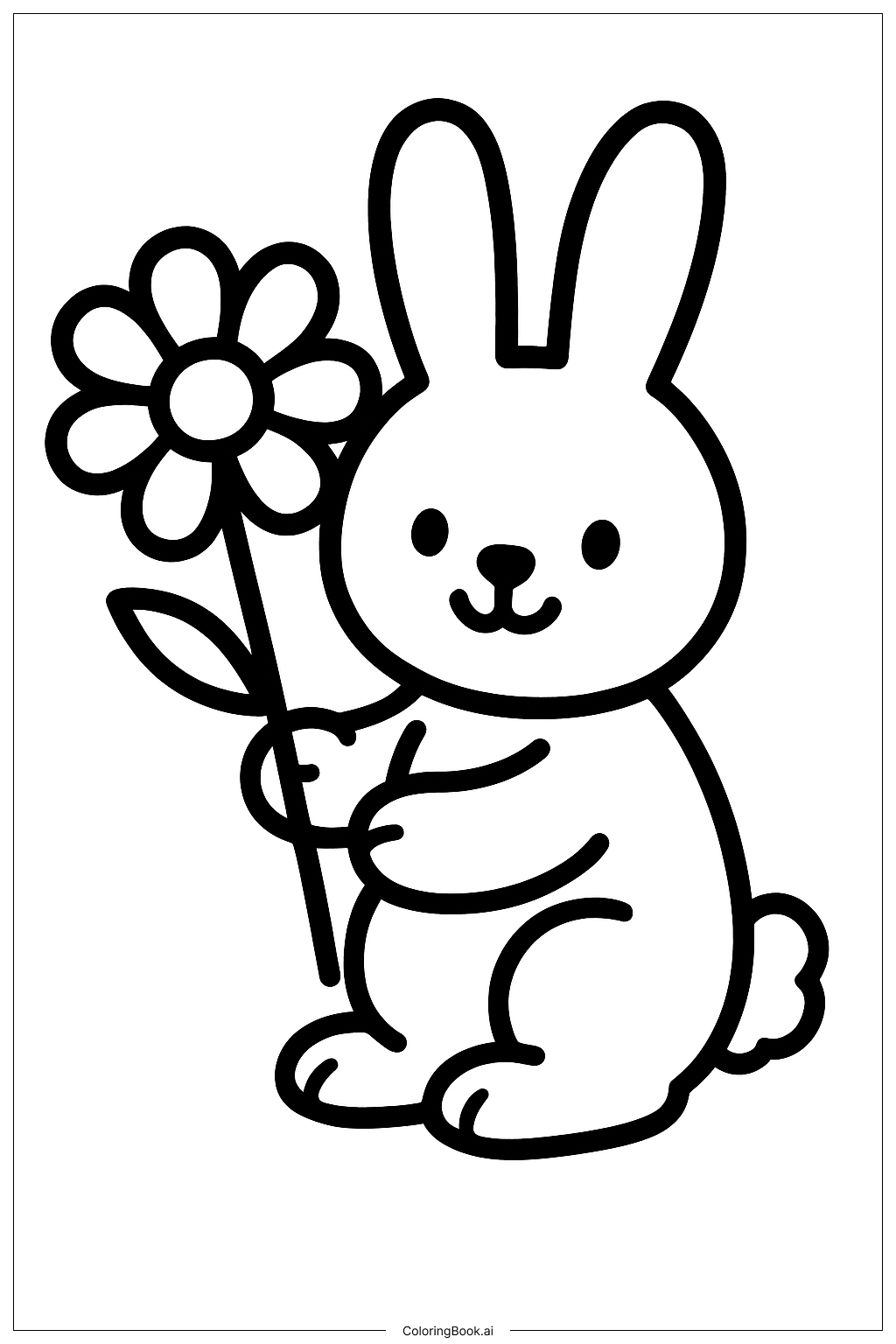
Coloring tips: How to color Bunny Rabbit With Flower coloring page well?
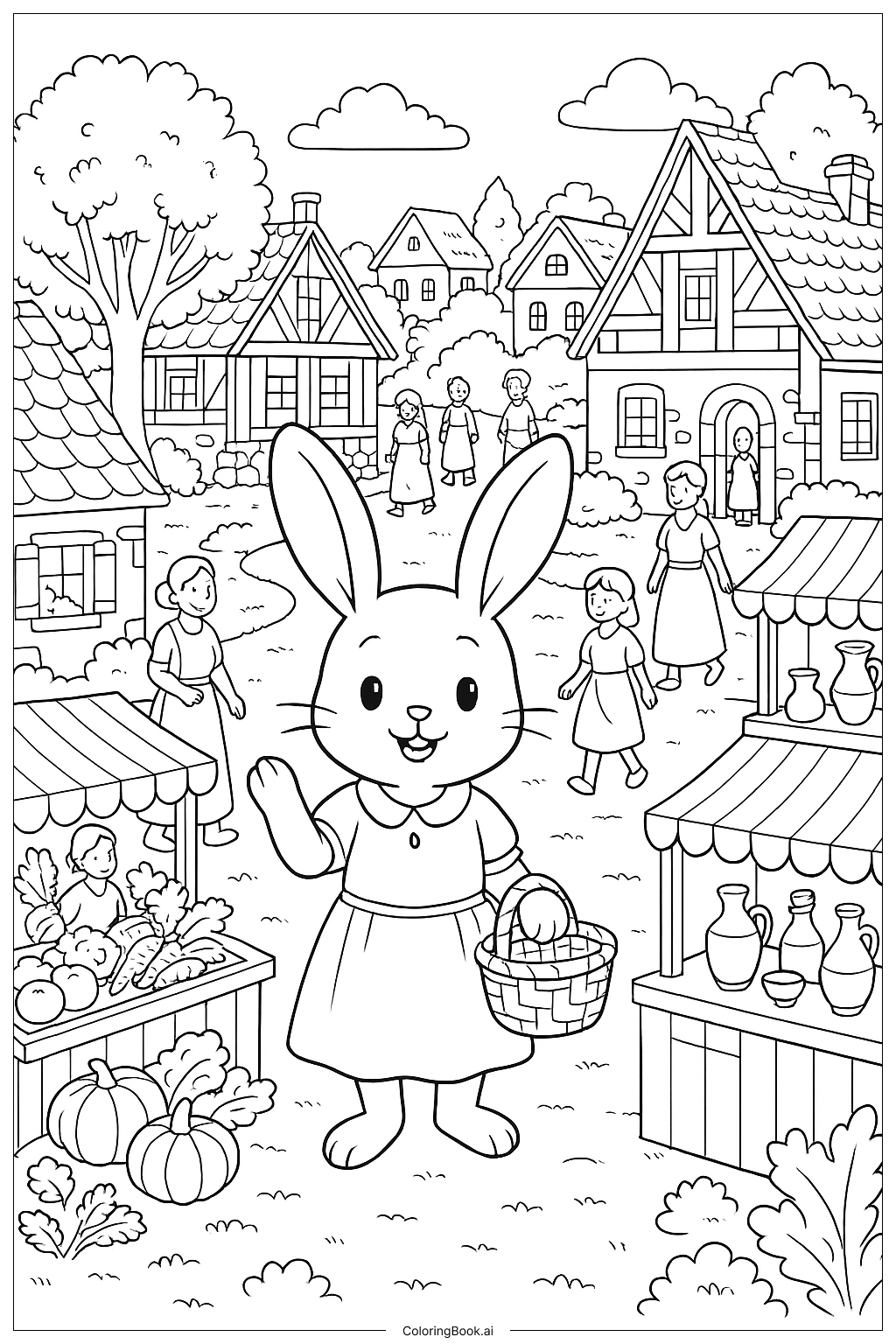
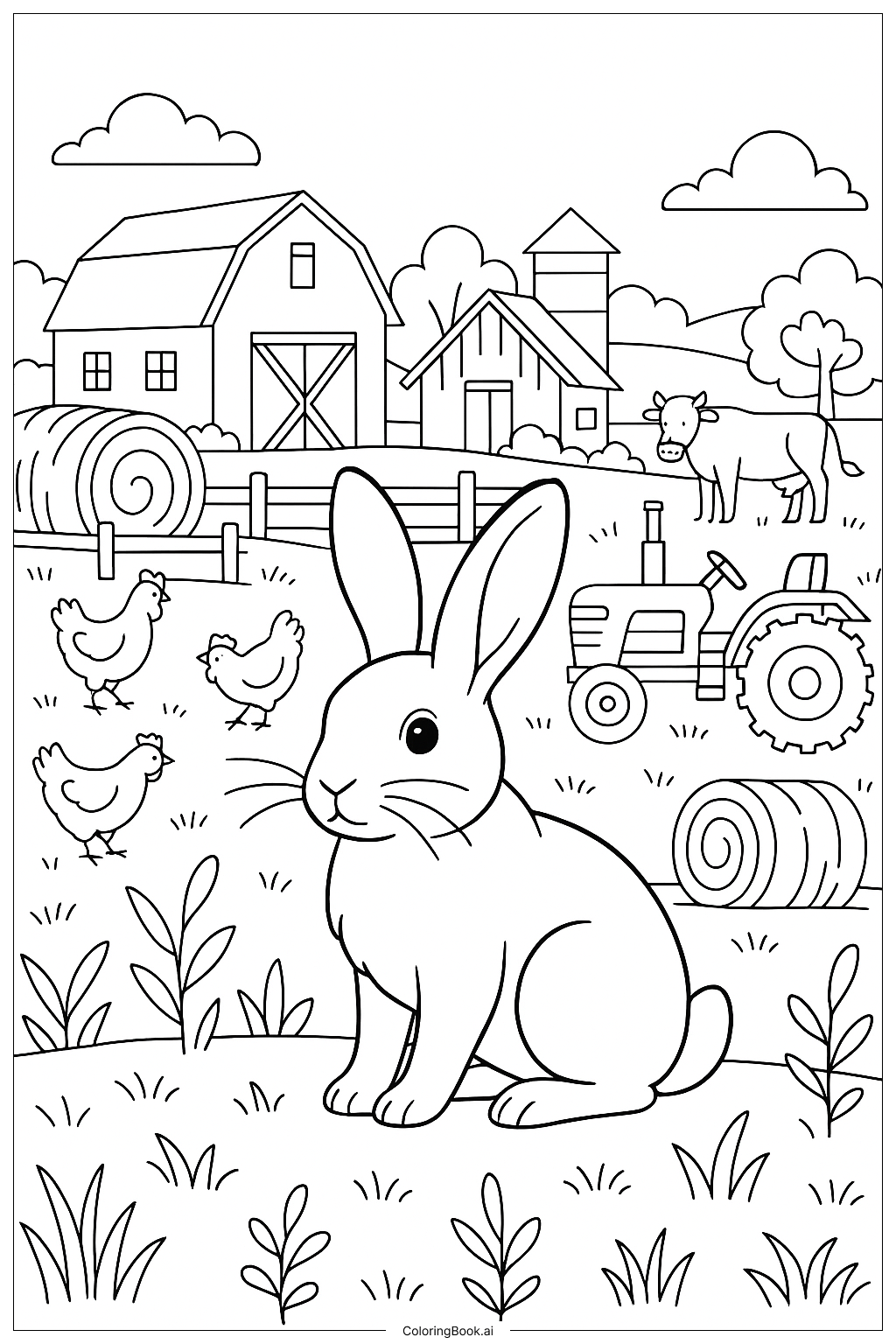
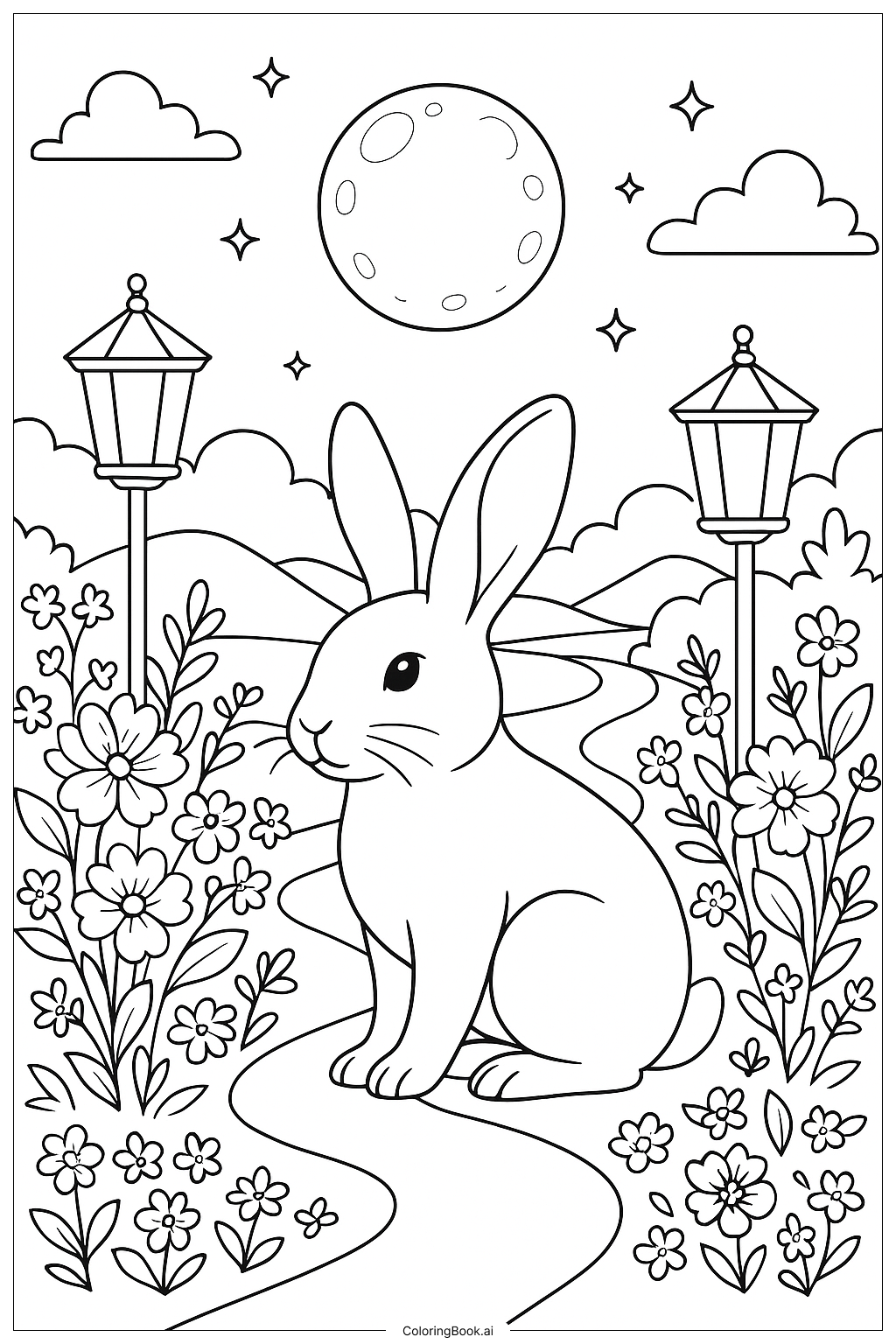
For this Bunny Rabbit With Flower picture, try using soft and warm colors. You can color the Bunny Rabbit’s fur with shades of light brown, cream, or gray to keep it natural and cuddly. The flower petals would look beautiful in bright colors like pink, yellow, or purple to bring life to the page. Use green for the leaves and grass to make the setting fresh. For the Bunny Rabbit’s eyes, adding a little sparkle with a dark brown or black will make it come alive. Don’t forget the inner parts of the ears — a light pink can add a nice gentle touch. Feel free to mix colors or add soft shading to create depth.
Coloring challenges: Which parts are difficult to color and need attention for Bunny Rabbit With Flower coloring page?
• Fine Fur Details: The Bunny Rabbit’s fluffy fur has many small lines and curves that can be tricky to color carefully without going outside the lines.
• Flower Petal Edges: The flower petals are delicate and require steady coloring to keep the shape clear and avoid overlapping colors.
• Small Grass and Leaves: The ground area contains tiny leaves and blades of grass, demanding precise coloring that might be challenging for younger children.
• Gentle Facial Expressions: Coloring the eyes and nose with the right detail and contrast can be difficult but is important to capture the Bunny Rabbit’s sweet look.
• Smooth Color Blending: Creating soft transitions in the fur or flower petals without harsh lines can require practice and patience.
Benefits of coloring books: Advantages of drawing Bunny Rabbit With Flower coloring page
Coloring this Bunny Rabbit With Flower image helps develop fine motor skills through careful coloring of small details. It encourages children to practice patience and attention by focusing on small areas like fur texture and flower petals. Choosing colors stimulates creativity and teaches them about nature’s colors, such as those of animals and flowers. Completing this image can boost confidence and provide a sense of accomplishment. Also, the gentle subject promotes a calming and joyful coloring experience, making it great for relaxation and mindfulness for kids and beginners.