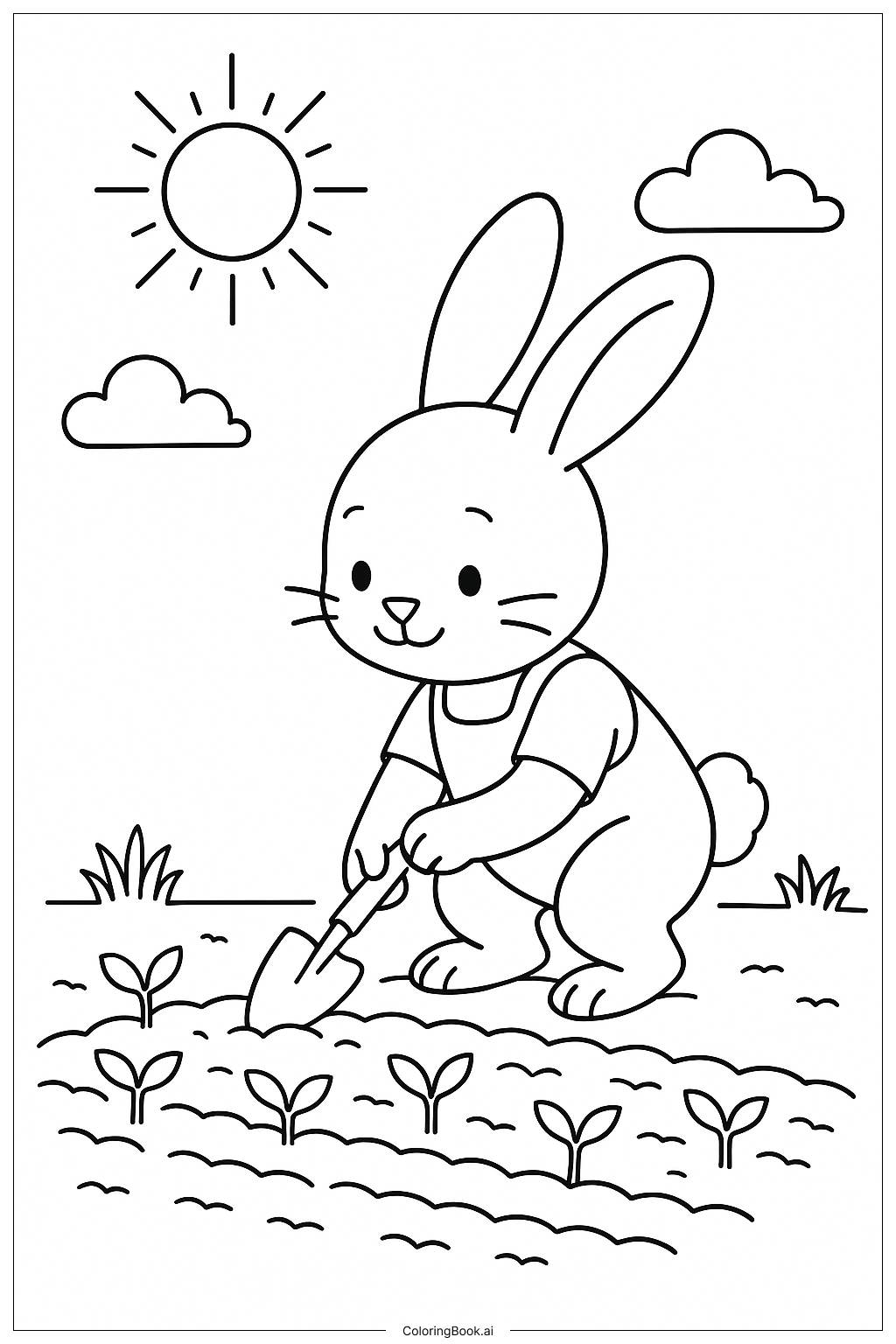
Coloring tips: How to color Bunny Rabbit In Garden coloring page well?
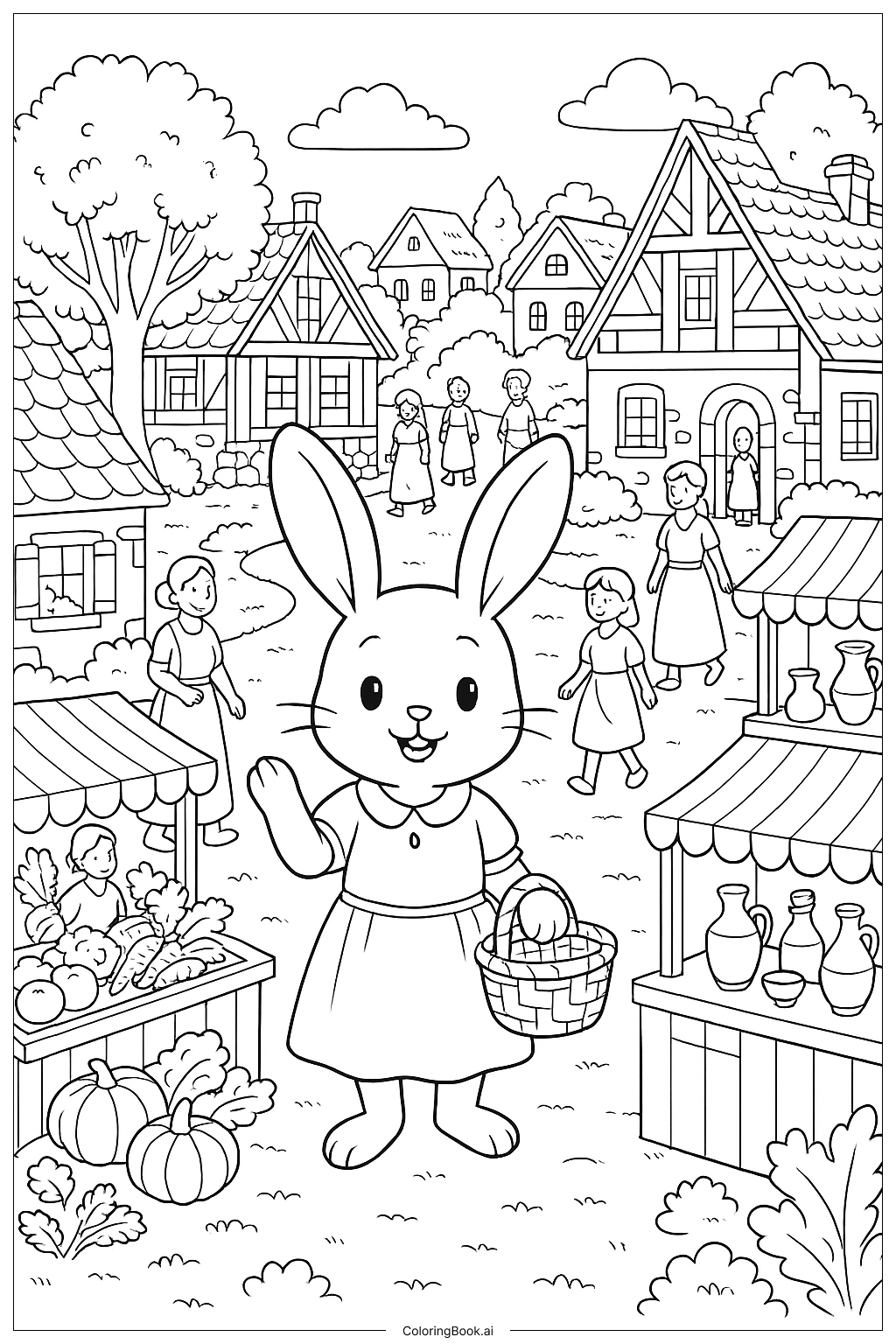
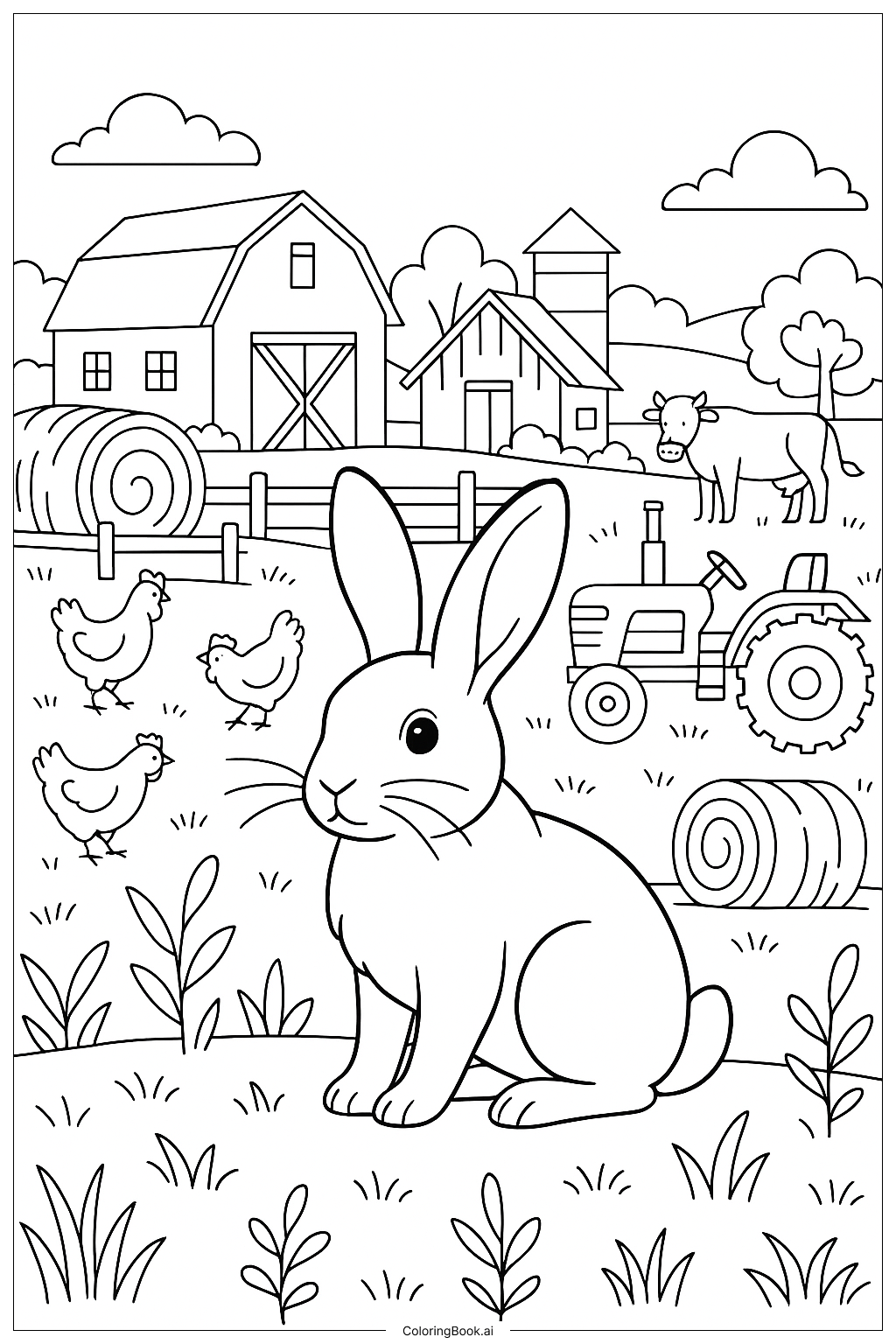
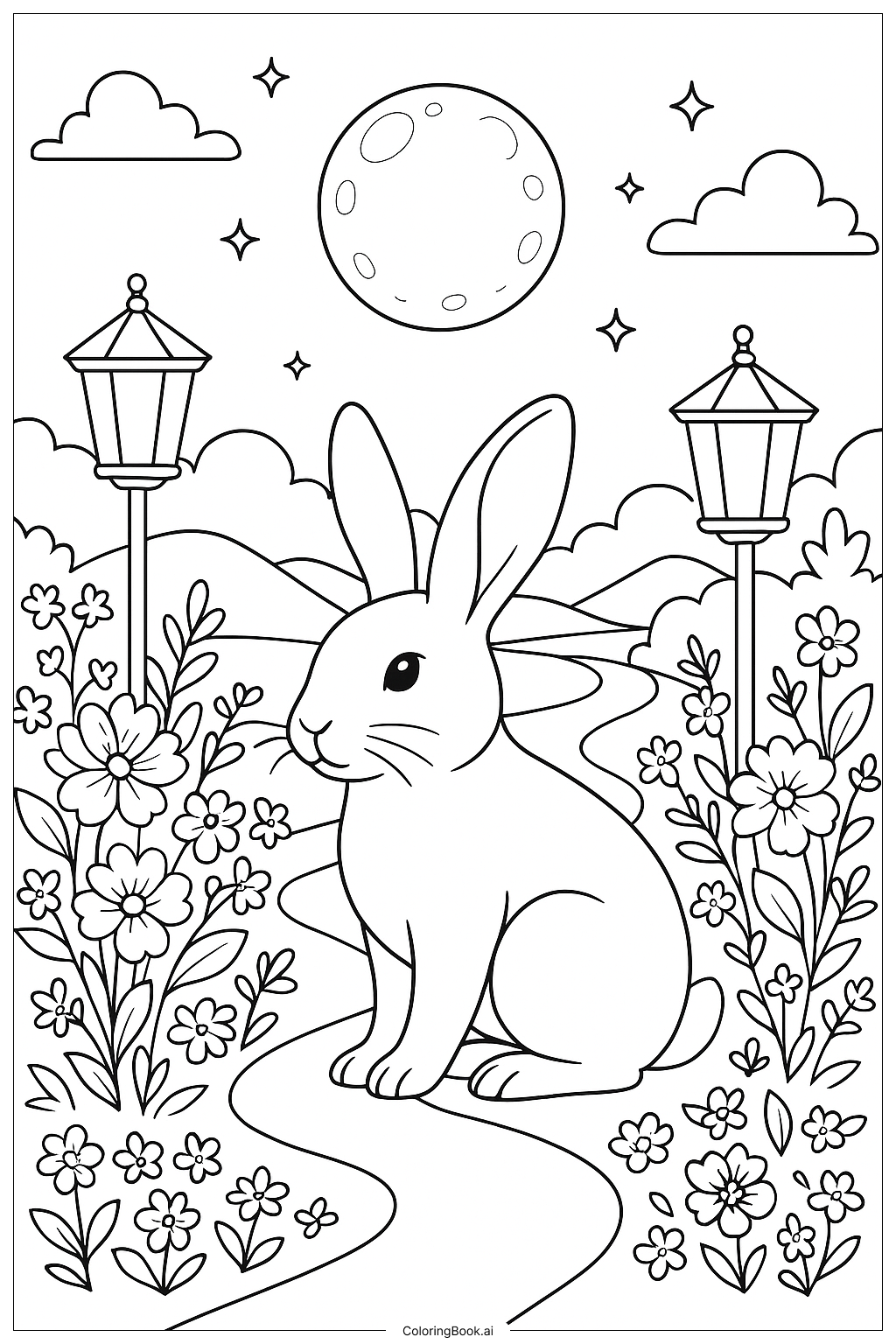
When coloring Bunny Rabbit In Garden, you can use soft grays or browns to make the bunny look fluffy and natural. Try different shades for the ears and nose to add more life. For the garden, use bright and lively colors like greens for the leaves and grass. Flowers can be colored in pink, yellow, red, or purple to create a cheerful scene. Don’t forget to color the sky if it’s visible or add a light blue background to make the garden feel fresh. Use gentle strokes for the bunny’s fur and bold colors for the flowers to make them stand out.
Coloring challenges: Which parts are difficult to color and need attention for Bunny Rabbit In Garden coloring page?
• Small Details: The many leaves and flower petals require careful coloring to stay within the lines and keep the scene neat.
• Fur Texture: Creating the soft, furry look of the Bunny Rabbit takes patience with shading and layering colors.
• Balanced Coloring: Coloring both the bunny and the garden without making one overpower the other can be challenging.
• Color Choices: Selecting colors that harmonize — like natural browns for the bunny and bright greens and warm flower colors — needs planning.
• Overlapping Elements: Some parts of the bunny overlap with plants, requiring attention to detail in different sections to avoid color mixing mistakes.
Benefits of coloring books: Advantages of drawing Bunny Rabbit In Garden coloring page
Coloring Bunny Rabbit In Garden helps kids improve hand-eye coordination as they carefully fill in the fine details and shapes. It also encourages creativity in choosing colors and blending different shades. This activity can teach children about nature, animals, and plant life while they enjoy a calm and focused pastime. Coloring the bunny’s soft fur and vibrant garden boosts fine motor skills and concentration, making it a fun and educational way to relax and practice artistic skills.