Coloring tips: How to color Bunny Rabbit Holding Leaf coloring page well?
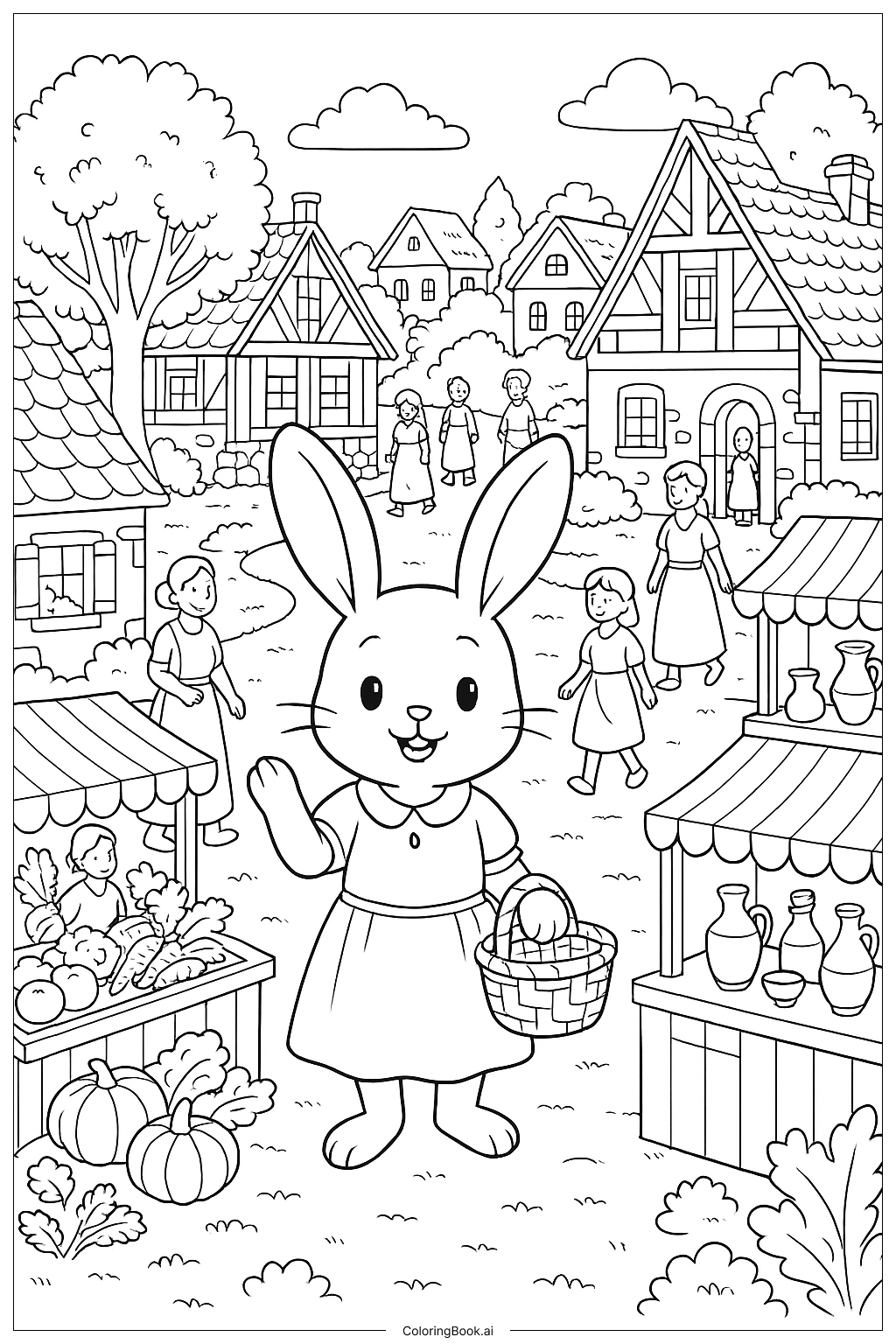
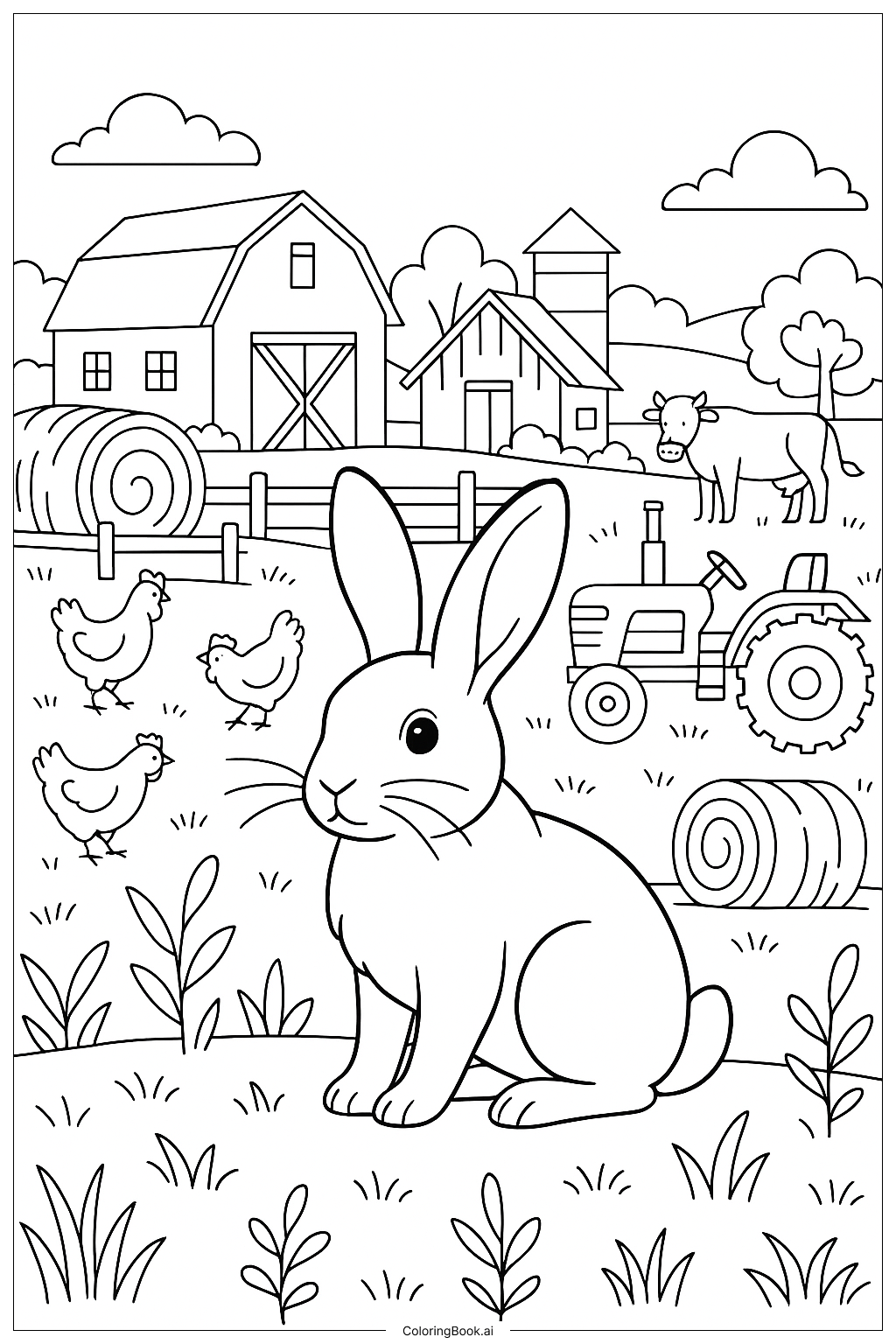
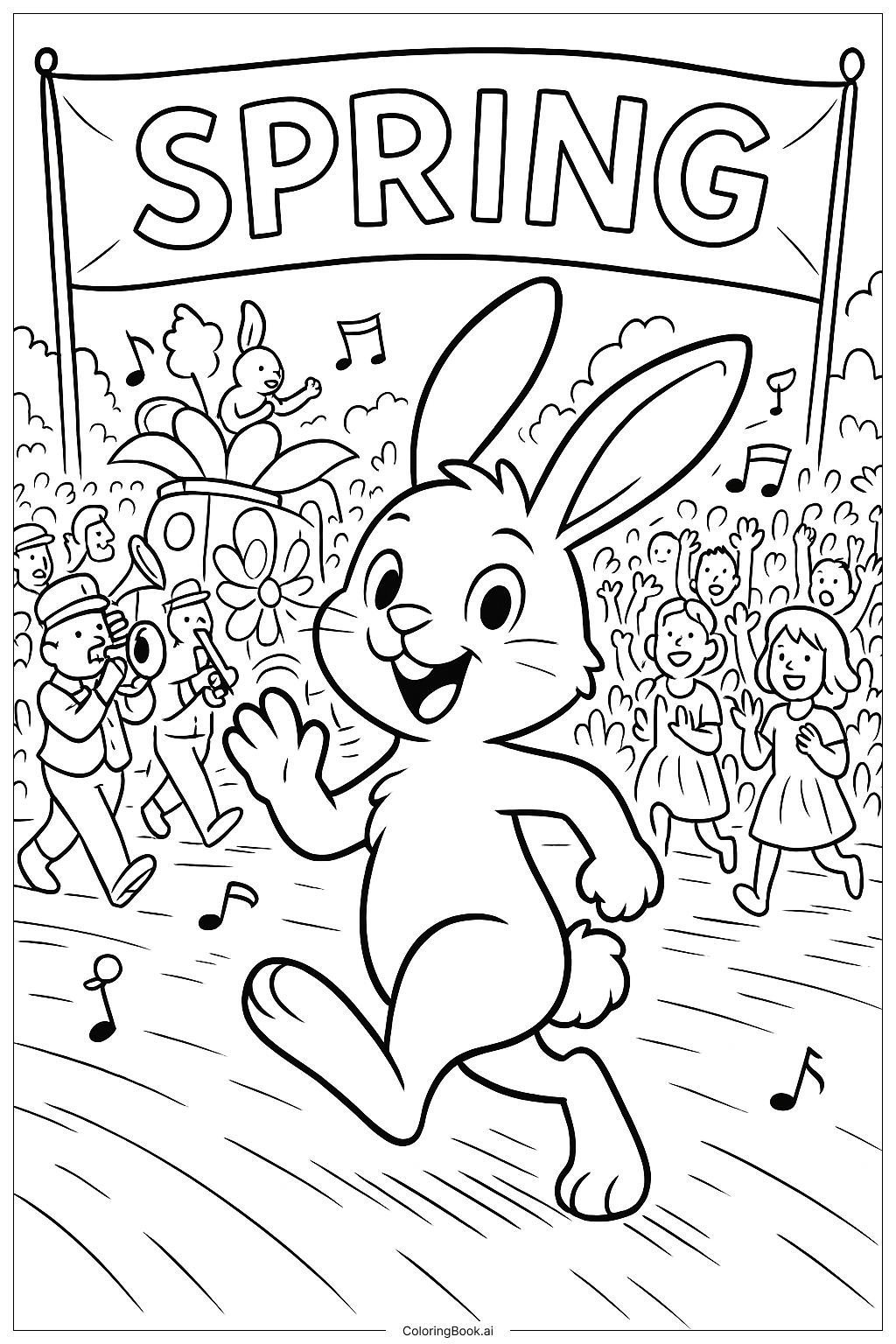
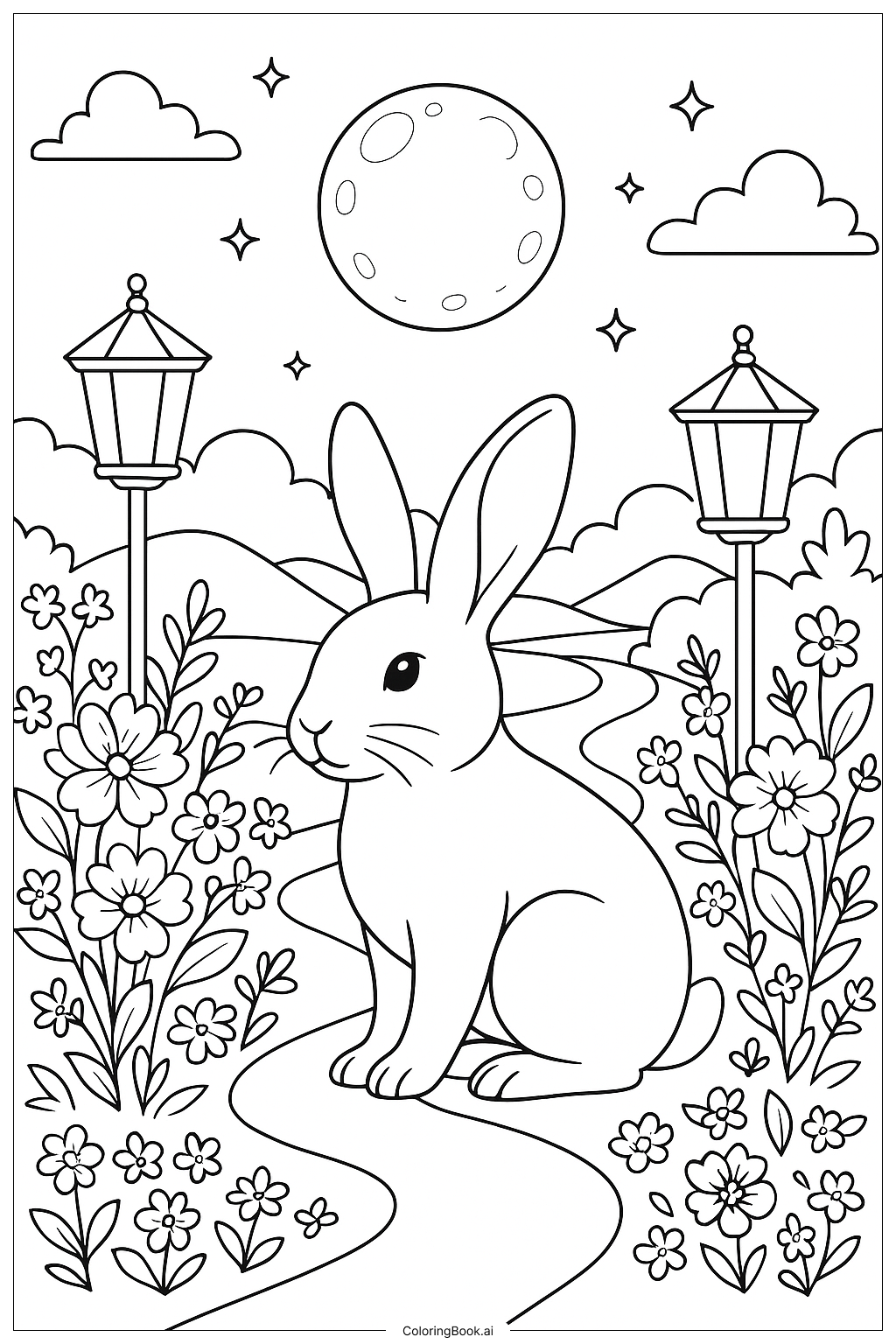
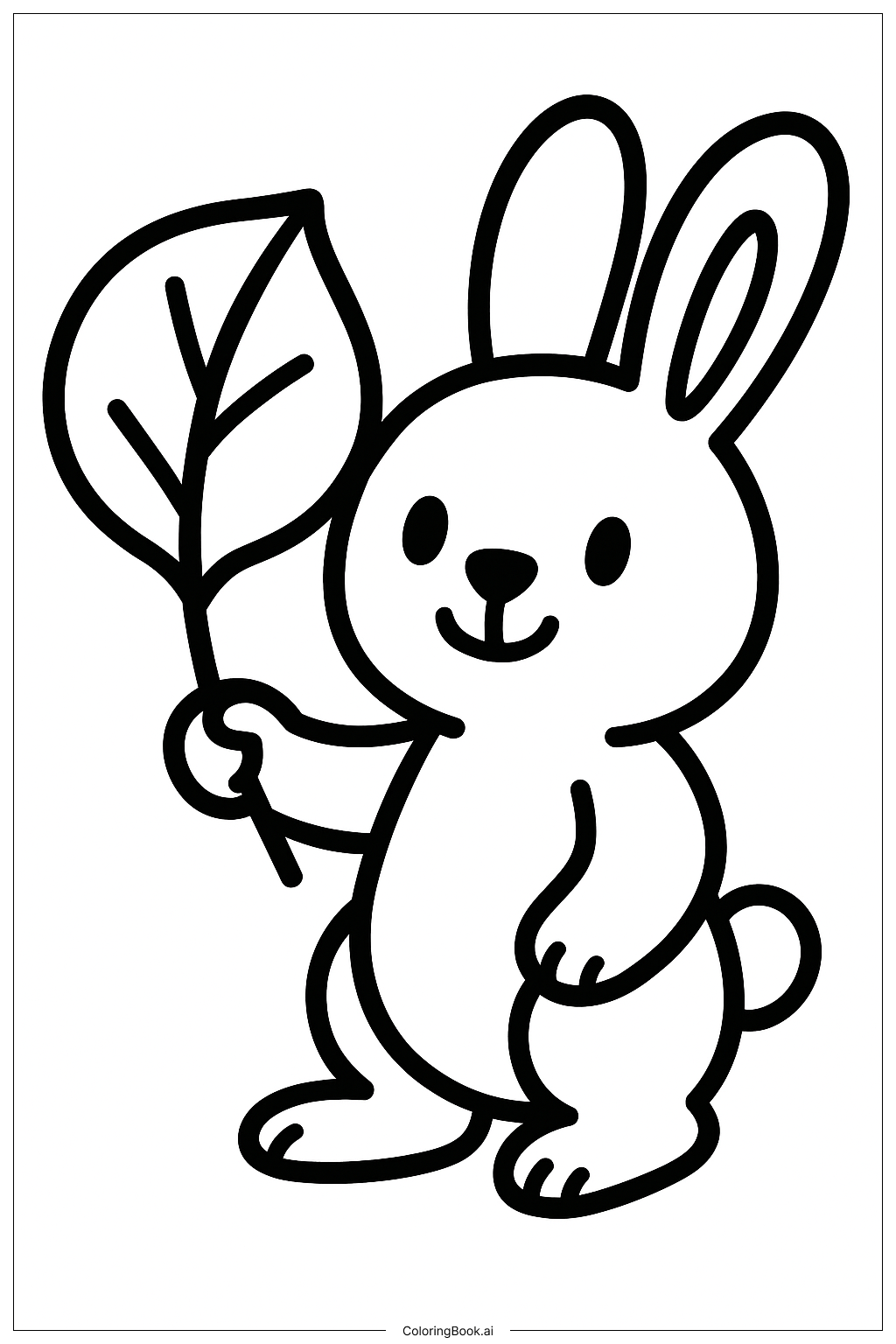
Use soft brown or gray colors for the bunny’s body to make it look natural. For the ears, you can add some pink inside to show softness. The leaf can be colored in different shades of green to show the veins and make it look lively. You can also add some light yellow or brown touches on the leaf tips for a realistic effect. The eyes can be black, and don’t forget to color the nose and mouth with darker tones. Feel free to add a colorful background like blue sky or flowers to make the picture more cheerful.
Coloring challenges: Which parts are difficult to color and need attention for Bunny Rabbit Holding Leaf coloring page?
1. Coloring the small details on the bunny’s face, like the eyes and nose, requires careful hand control to stay inside the lines.
2. Filling the leaf’s veins with different shades of green can be tricky to blend smoothly.
3. Coloring the edges of the bunny’s ears and paws for a soft look may need light and delicate strokes.
4. Making sure the big areas, like the bunny’s body, are evenly colored without leaving white gaps can be challenging.
5. Adding shadows or highlights to create a 3D effect may be difficult for younger children, but it is a good way to practice advanced coloring techniques.
Benefits of coloring books: Advantages of drawing Bunny Rabbit Holding Leaf coloring page
Coloring this bunny and leaf picture helps children improve their fine motor skills and hand-eye coordination. It encourages creativity by allowing kids to choose colors and experiment with blending different shades. The clear lines and simple shapes make it easy to follow, helping young children build confidence. Coloring animals also teaches kids about nature and can spark their interest in wildlife. Overall, this activity is fun and educational, promoting relaxation and focus while boosting artistic skills.