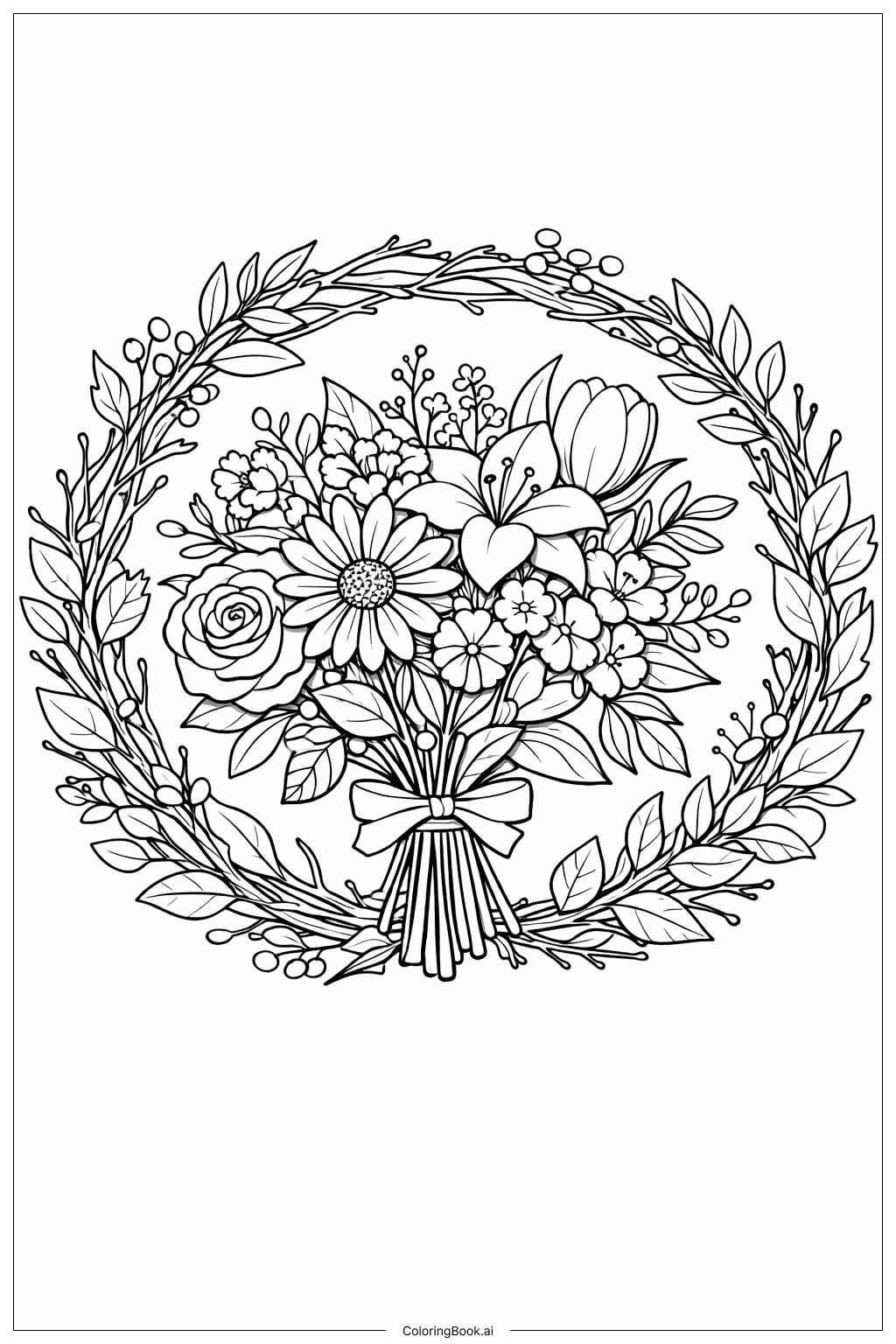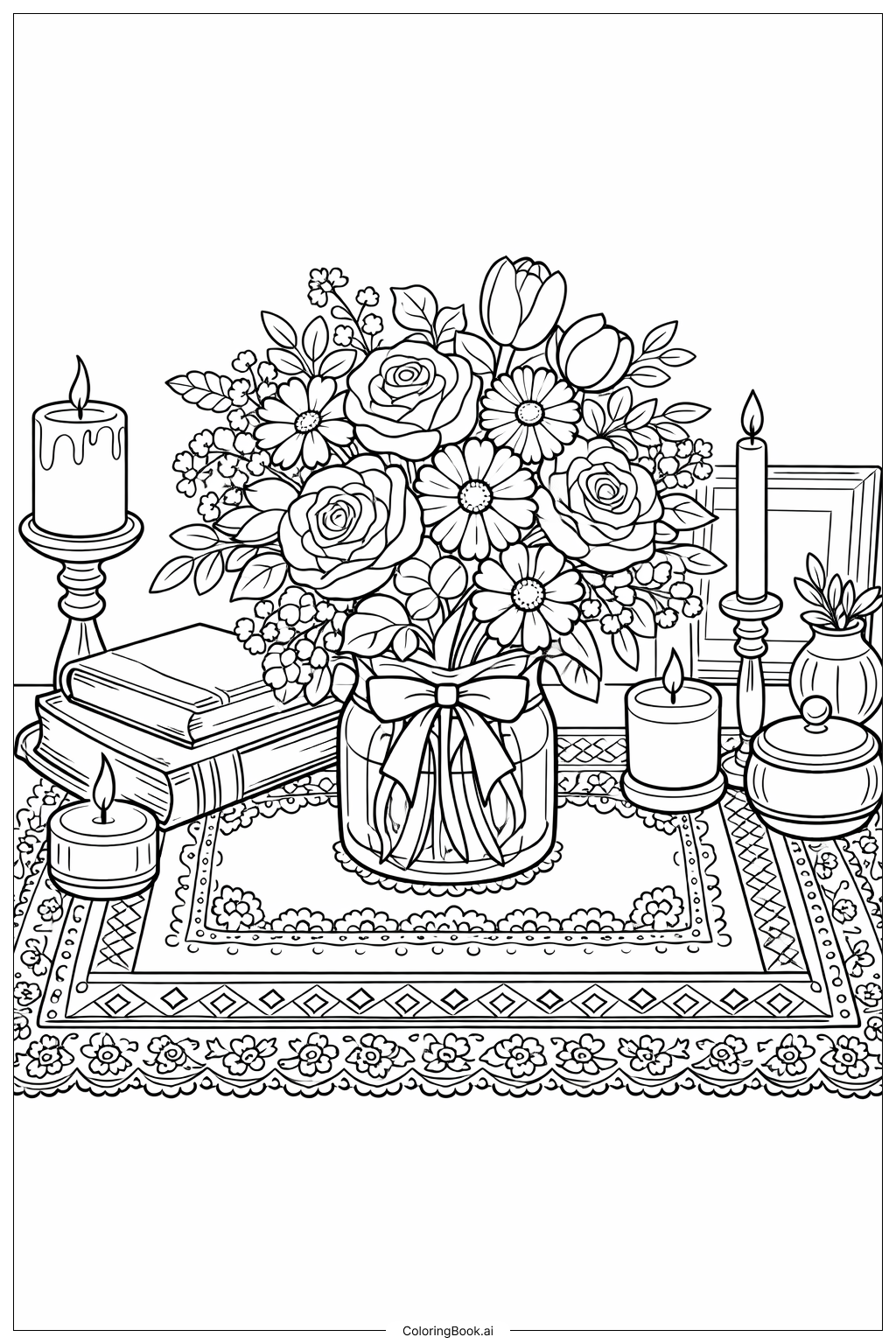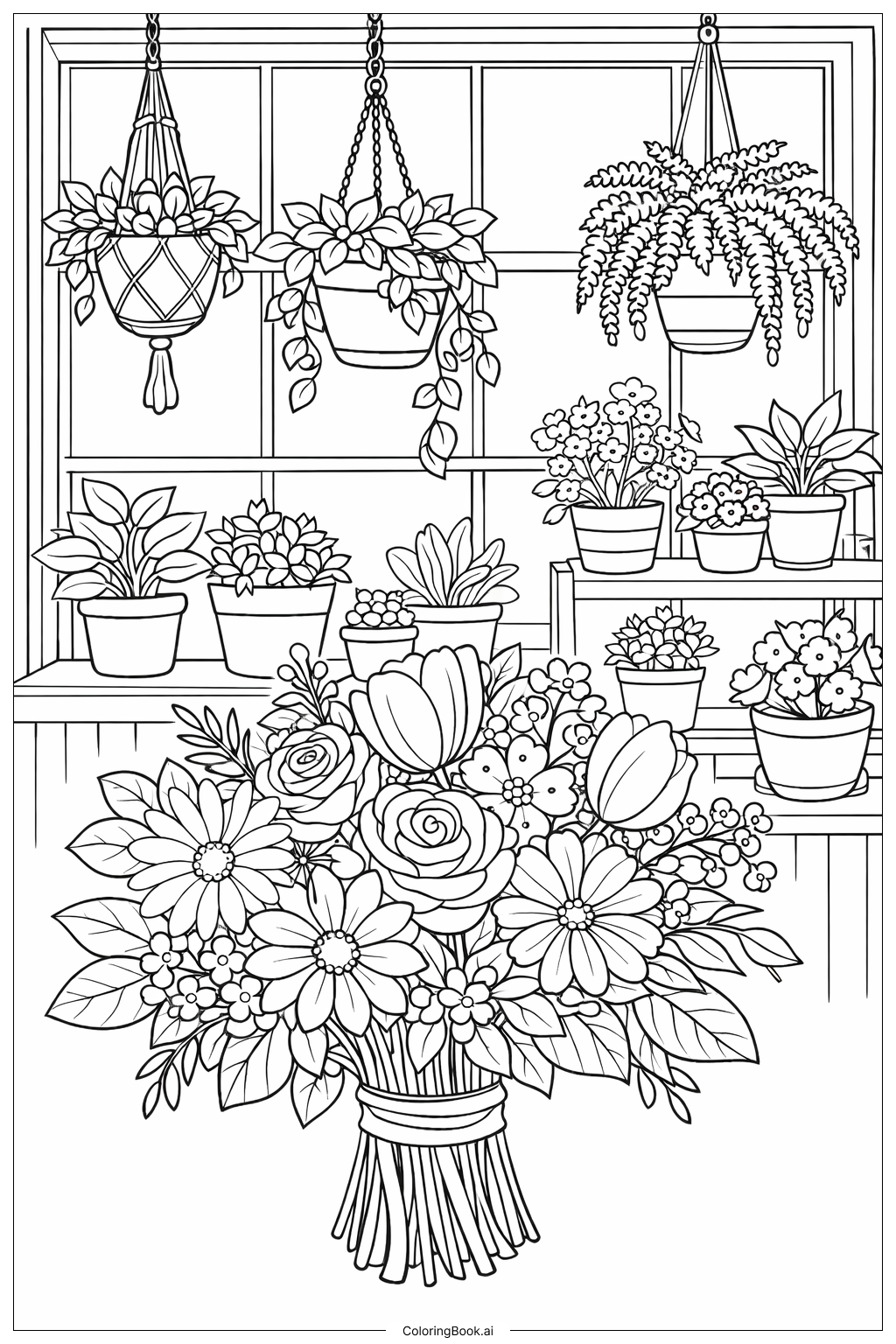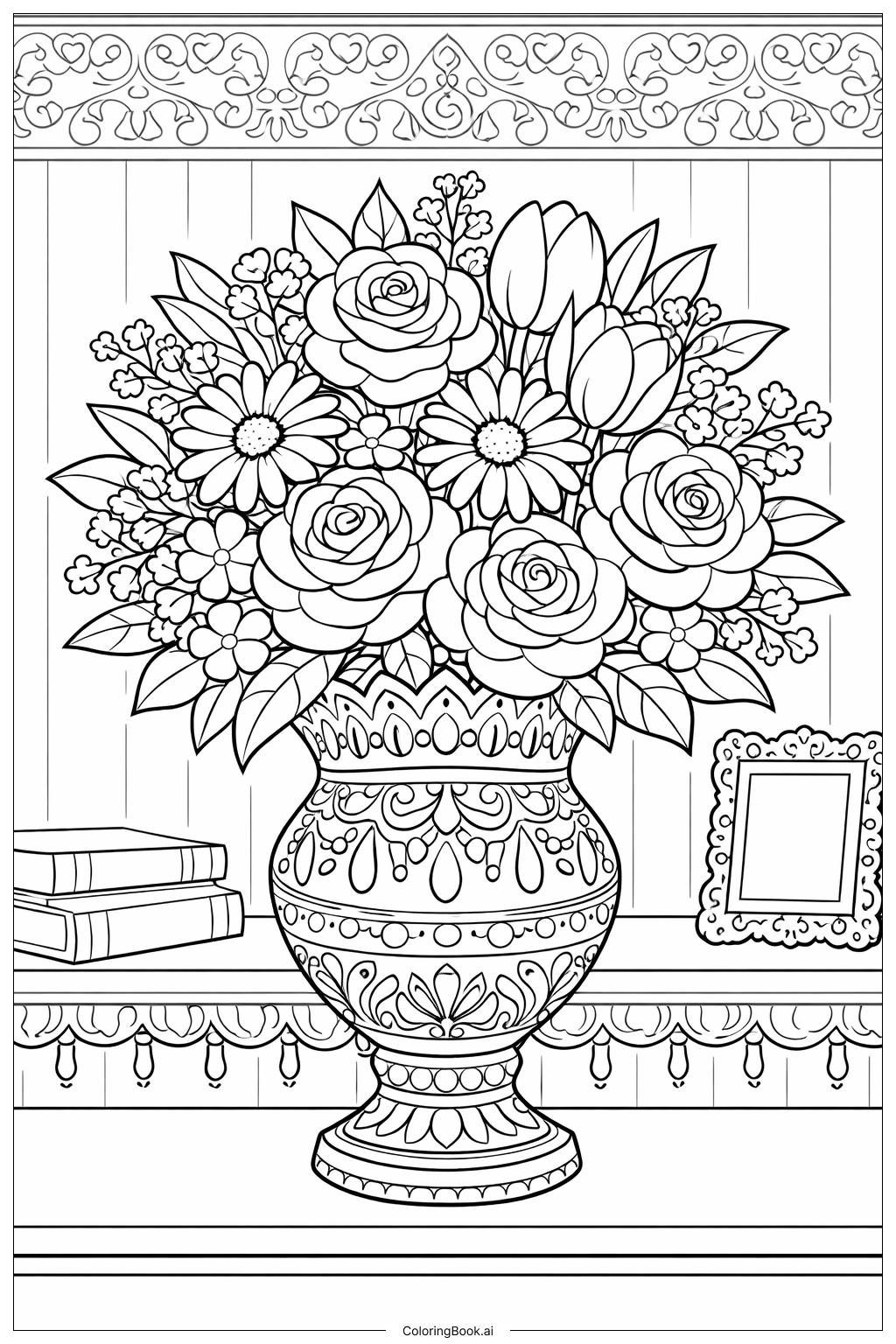
Coloring tips: How to color Bouquet Of Flowers On Picnic Blanket coloring page well?
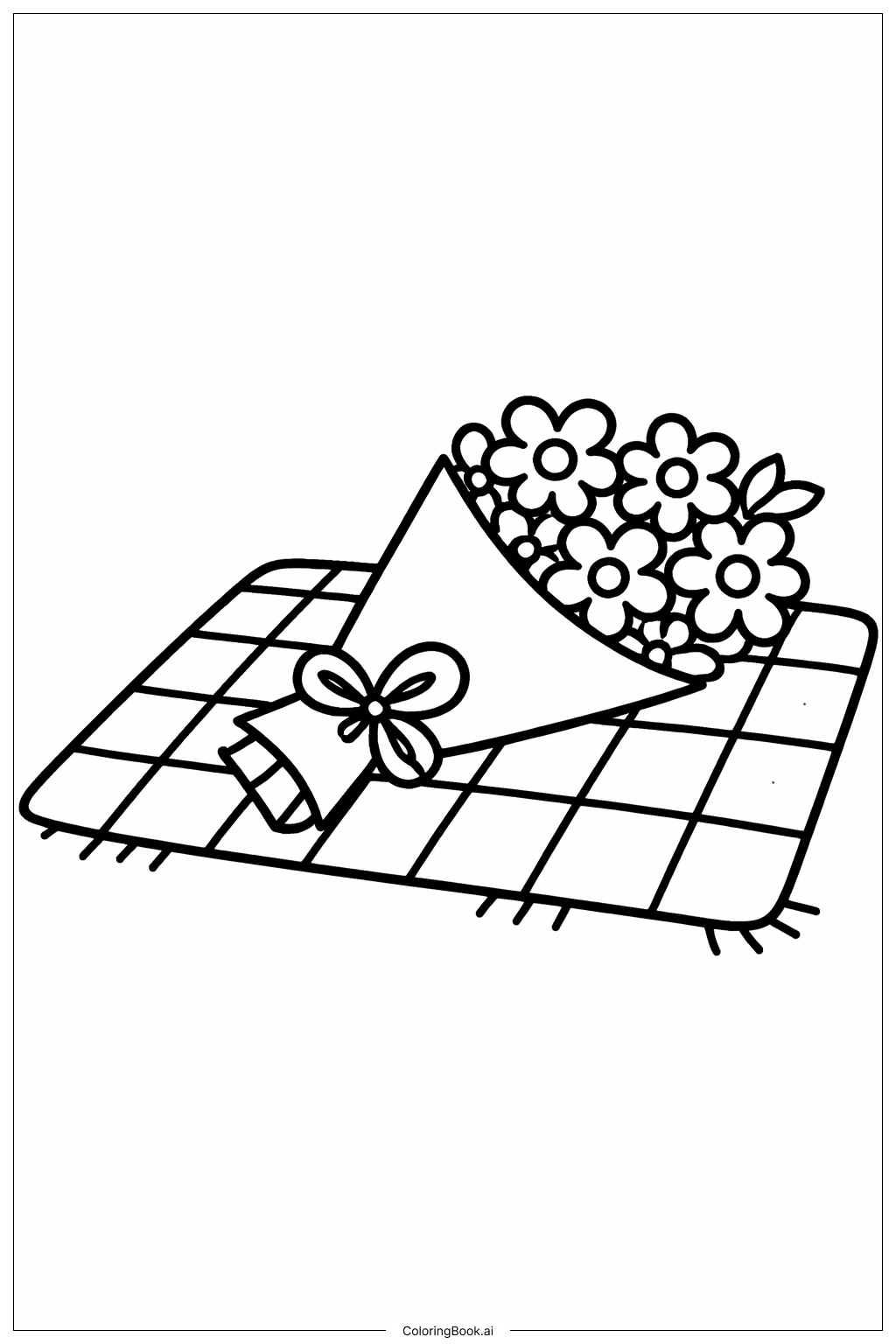
Start with the flowers first. Use bright, cheerful colors like red, pink, yellow, and orange for the petals. Roses look great in deep red or soft pink. Sunflowers shine in golden yellow with a dark brown center. Daisies can be white with a yellow middle. Give tulips a bold, solid color like purple or coral. Use different shades of green for the leaves and stems — light green for young leaves and darker green for older ones. For the picnic blanket, try a classic red and white or blue and white checkered pattern. Use a warm tan or light brown for the background ground area. If you want to add depth, gently shade the inside edges of petals with a slightly darker version of each color. Keep the overall palette warm and sunny to capture that happy outdoor picnic feeling.
Coloring challenges: Which parts are difficult to color and need attention for Bouquet Of Flowers On Picnic Blanket coloring page?
• Petal Layering and Overlap: Many flowers in the bouquet have petals that overlap one another. It can be tricky to color each petal individually without the colors bleeding into each other visually. Take your time and use slightly different shades for petals that sit on top of or behind others. This helps create a sense of depth and makes each bloom look full and three-dimensional.
• Small Leaf and Stem Details: The leaves and stems winding through the bouquet are often narrow and close together. Coloring these thin areas neatly requires a sharp pencil or a fine-tipped marker. Rushing through these sections can result in messy lines or colors that spill into neighboring spaces. Using two or three shades of green adds life to these smaller details.
• Picnic Blanket Pattern: The checkered or patterned design on the blanket requires consistent, even coloring across many small squares or repeated shapes. Keeping each section the same color and maintaining clean lines between them takes patience and a steady hand. Using a ruler as a guide can help younger colorists stay within the lines.
• Balancing the Overall Color Palette: With so many different flowers, leaves, and a patterned blanket all in one image, it can be hard to choose colors that work well together without the scene looking too busy or clashing. Planning your color choices before you start can make a big difference. Try to pick colors that are either all warm or all cool toned for a harmonious result.
• Folds and Texture in the Blanket: The gentle folds and creases of the picnic blanket add realism but also require shading to look convincing. Lighter areas represent raised fabric and darker areas show the shadows in the folds. This kind of subtle shading can be challenging for beginners but is very rewarding once mastered.
Benefits of coloring books: Advantages of drawing Bouquet Of Flowers On Picnic Blanket coloring page
Coloring this Bouquet Of Flowers On Picnic Blanket image offers a wide range of wonderful benefits for kids and adults alike. For younger colorists, it helps develop fine motor skills as they carefully fill in petals, leaves, and the detailed blanket pattern. Staying within the lines builds hand-eye coordination and pencil control that supports everyday writing skills. The variety of shapes and sizes in the image also encourages children to think creatively about color choices, boosting their imagination and artistic confidence. Deciding which flowers get which colors is a fun, low-pressure way to express personal style. For older kids and adults, the image offers a calming, meditative activity. Focusing on a peaceful outdoor scene like a flower bouquet on a picnic blanket can reduce stress and quiet a busy mind. It encourages mindfulness — being present in the moment — which is great for emotional well-being. The image also sparks curiosity about nature. Kids may become interested in learning the names of different flowers, their colors in real life, or how bouquets are arranged. Overall, this coloring page is a joyful, enriching activity that blends creativity, relaxation, and a love of the natural world.