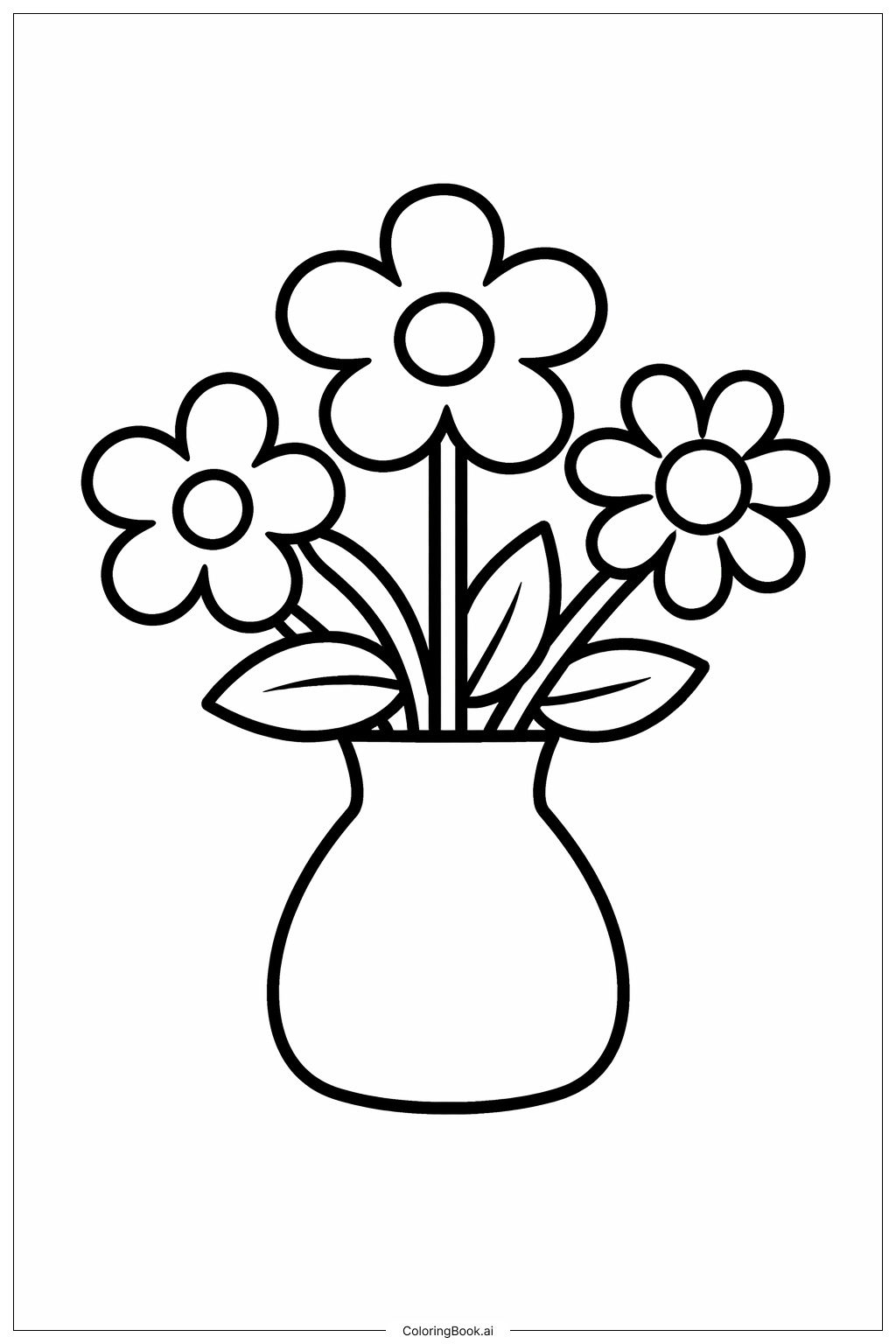
Coloring tips: How to color Bouquet Of Flowers In A Small Vase coloring page well?
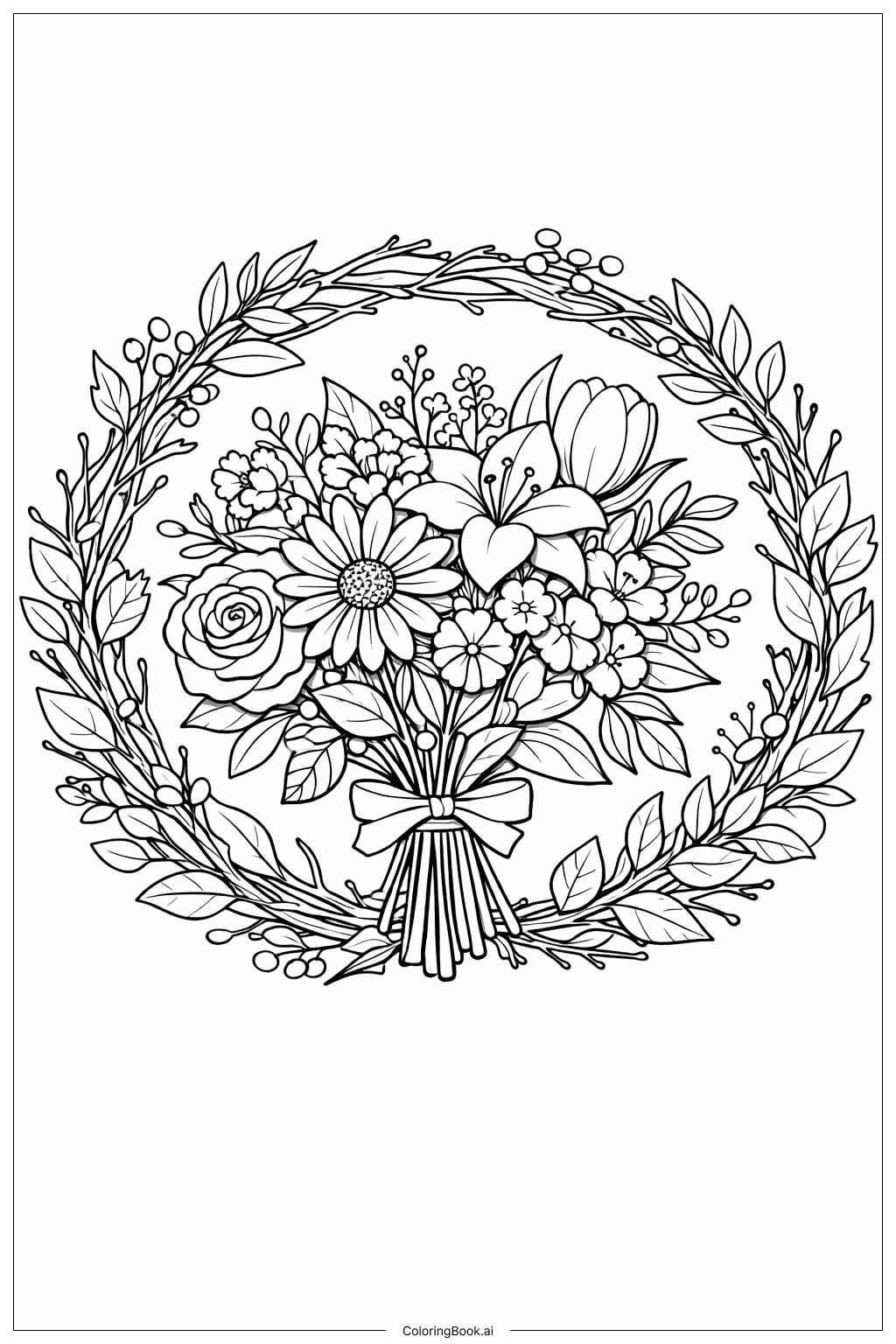
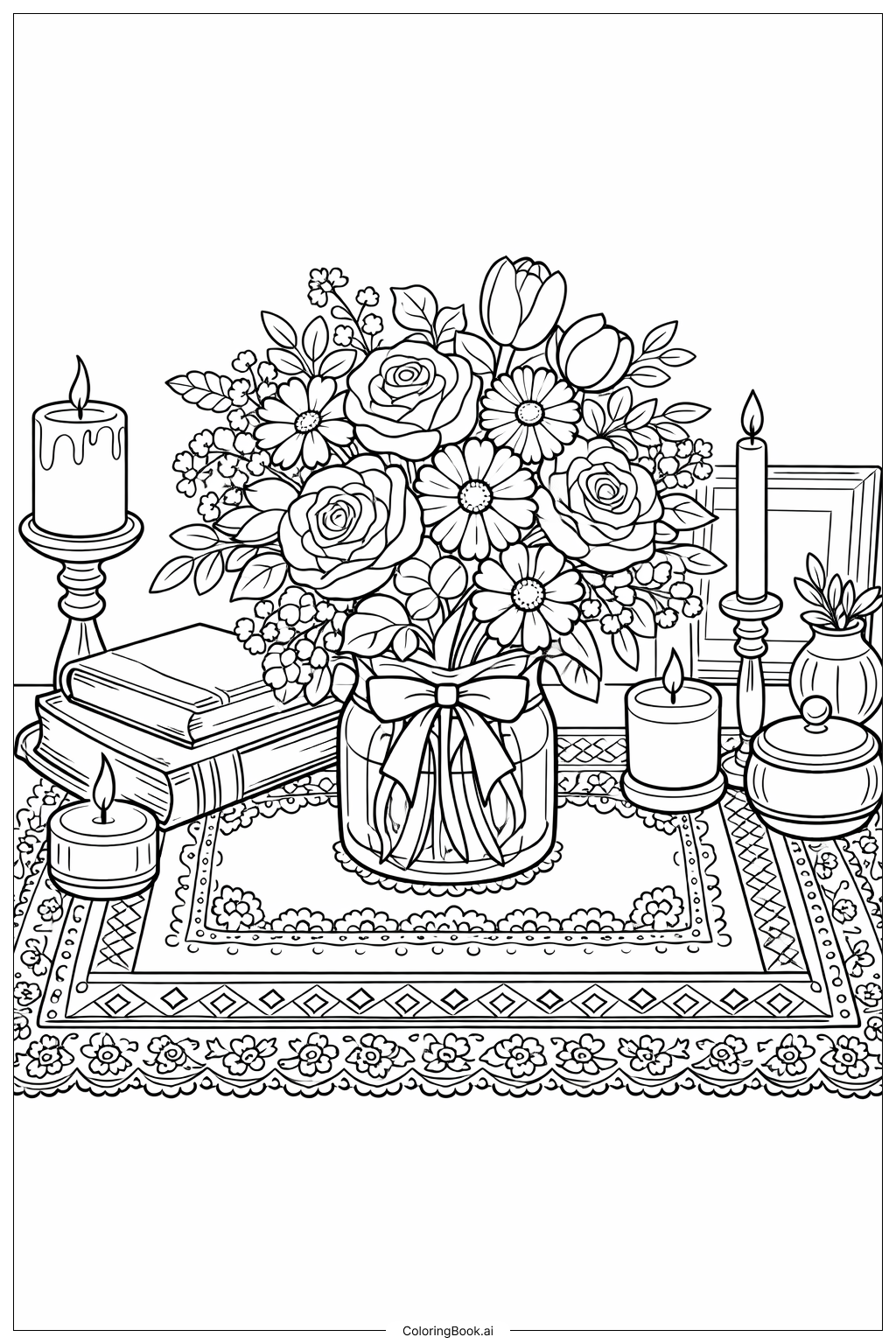
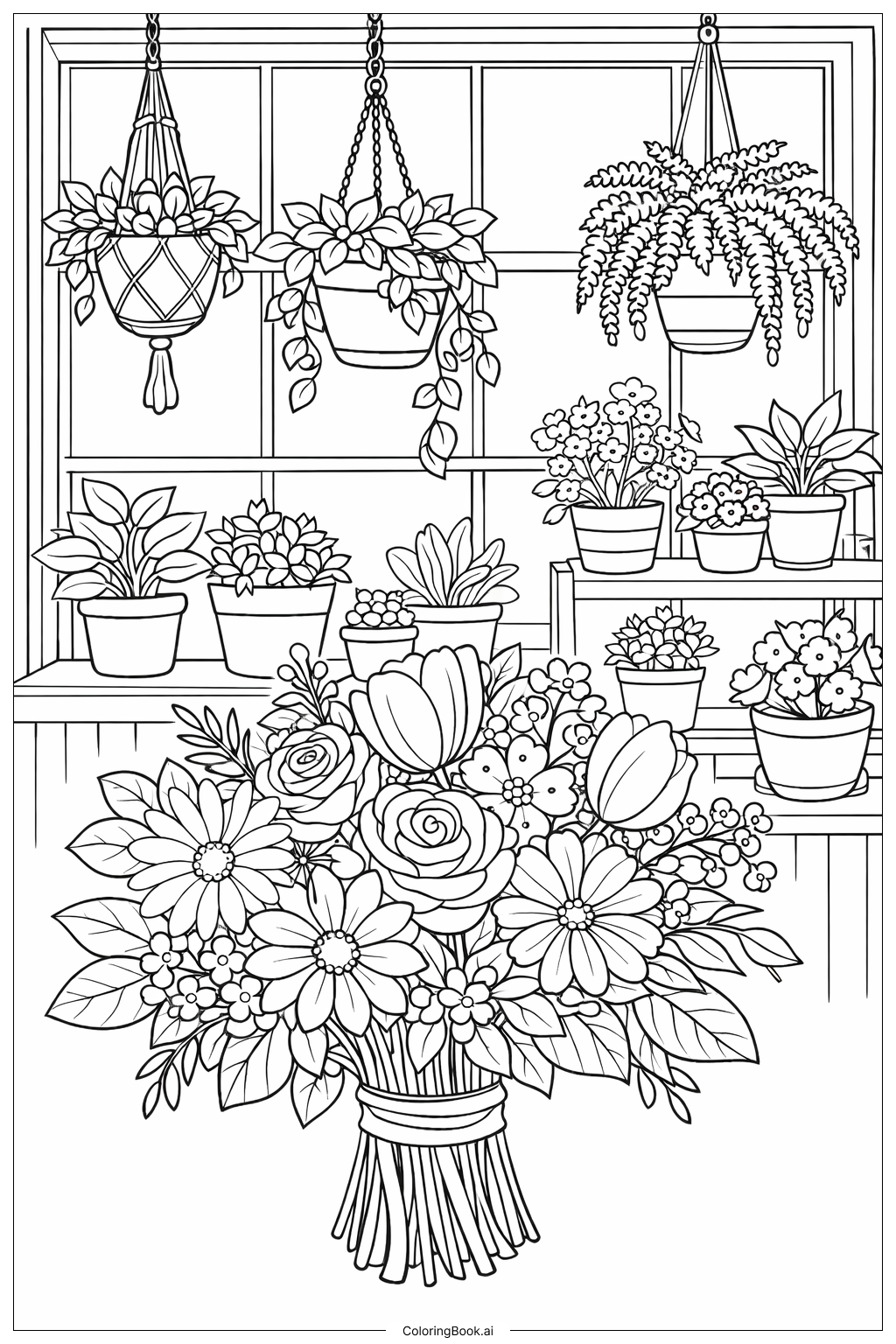
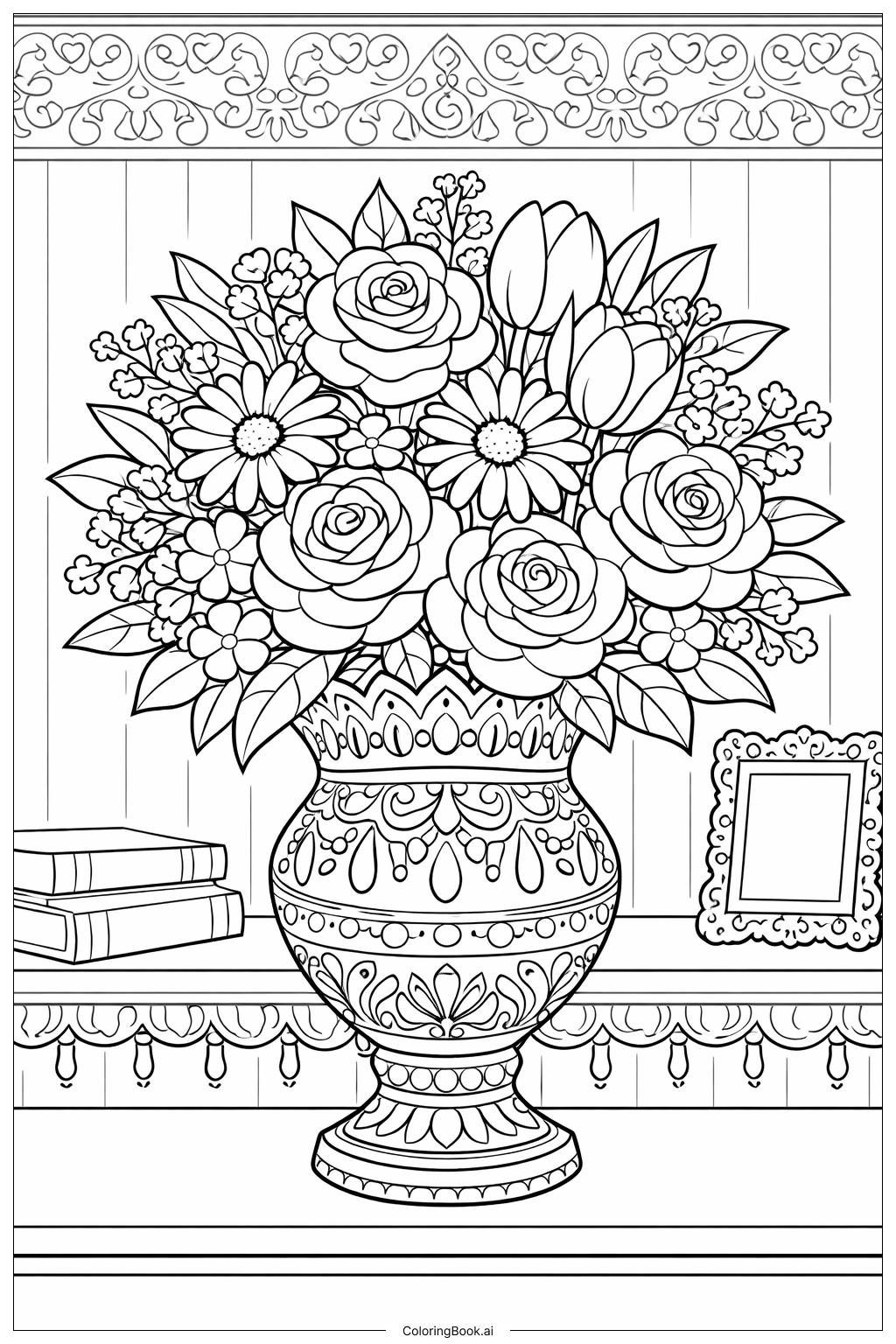
Start by coloring the vase first. You can use a single solid color like light blue, soft purple, or warm terracotta. Next, move to the leaves and stems. Use different shades of green, such as lime green for small leaves and darker green for larger ones, to make the bouquet feel lively. For the flowers, choose your favorite colors. Roses look beautiful in red, pink, or yellow. Daisies are classic in white with a yellow center. Tulips can be orange, purple, or pink. Try to use lighter shades inside the petals and darker shades near the edges to give them a round, natural look. Do not be afraid to mix colors and try something creative. This is your artwork, so have fun with it!
Coloring challenges: Which parts are difficult to color and need attention for Bouquet Of Flowers In A Small Vase coloring page?
• Petal Details: Each flower has many small, curved petals that sit close together. Staying inside the lines of each individual petal takes patience and a steady hand. Using a fine-tipped colored pencil or marker will help you color neatly without accidentally going into a neighboring petal.
• Overlapping Elements: The bouquet has flowers, leaves, and stems that overlap each other in many places. When two elements overlap, you need to decide which color goes where so the image does not look flat or confusing. Planning your colors before you start can help you keep each layer looking clear and separate.
• Small Inner Details: The centers of flowers like daisies and roses contain tiny shapes and lines that represent seeds, stamens, or layered petals. These small areas are easy to smudge or over-fill. A sharp pencil point or a thin-tipped pen is the best tool for these spots.
• Color Variety Across the Bouquet: Because there are many different types of flowers in one image, choosing colors that look good together takes some thought. If all flowers are colored the same shade, the bouquet loses its natural feeling. Try alternating warm and cool tones across different blooms to create a balanced and eye-catching result.
• Shading and Depth: The vase and some petals have curved surfaces. Adding subtle shading by pressing harder on one side and lighter on the other can make these shapes look three-dimensional rather than flat. This technique requires a bit of practice but greatly improves the final look of the artwork.
Benefits of coloring books: Advantages of drawing Bouquet Of Flowers In A Small Vase coloring page
Coloring this bouquet of flowers offers a wide range of benefits for both kids and Adults. For younger children, working through the different shapes of petals, leaves, and the vase helps build fine motor skills and improves hand-eye coordination. Staying inside the lines and switching between colors also trains focus and attention to detail.
For older kids and Adults, this image offers a calming, meditative experience. Choosing color combinations and shading techniques encourages creative thinking and personal expression. It is a quiet activity that helps reduce stress and gives the mind a chance to rest from daily pressures.
Learning to observe how colors interact, how light affects a curved surface, and how warm and cool tones can coexist in one image also builds real artistic awareness. These are skills that carry over into drawing, painting, and other visual arts.
This image is also a great way to learn about nature. While coloring each flower, children can talk with parents or teachers about the names of different blooms, their real-world colors, and where they grow. This turns a fun activity into a gentle lesson about the natural world.
Most of all, finishing a detailed and beautiful coloring page like this one brings a real sense of accomplishment and pride, making it a rewarding experience from start to finish.