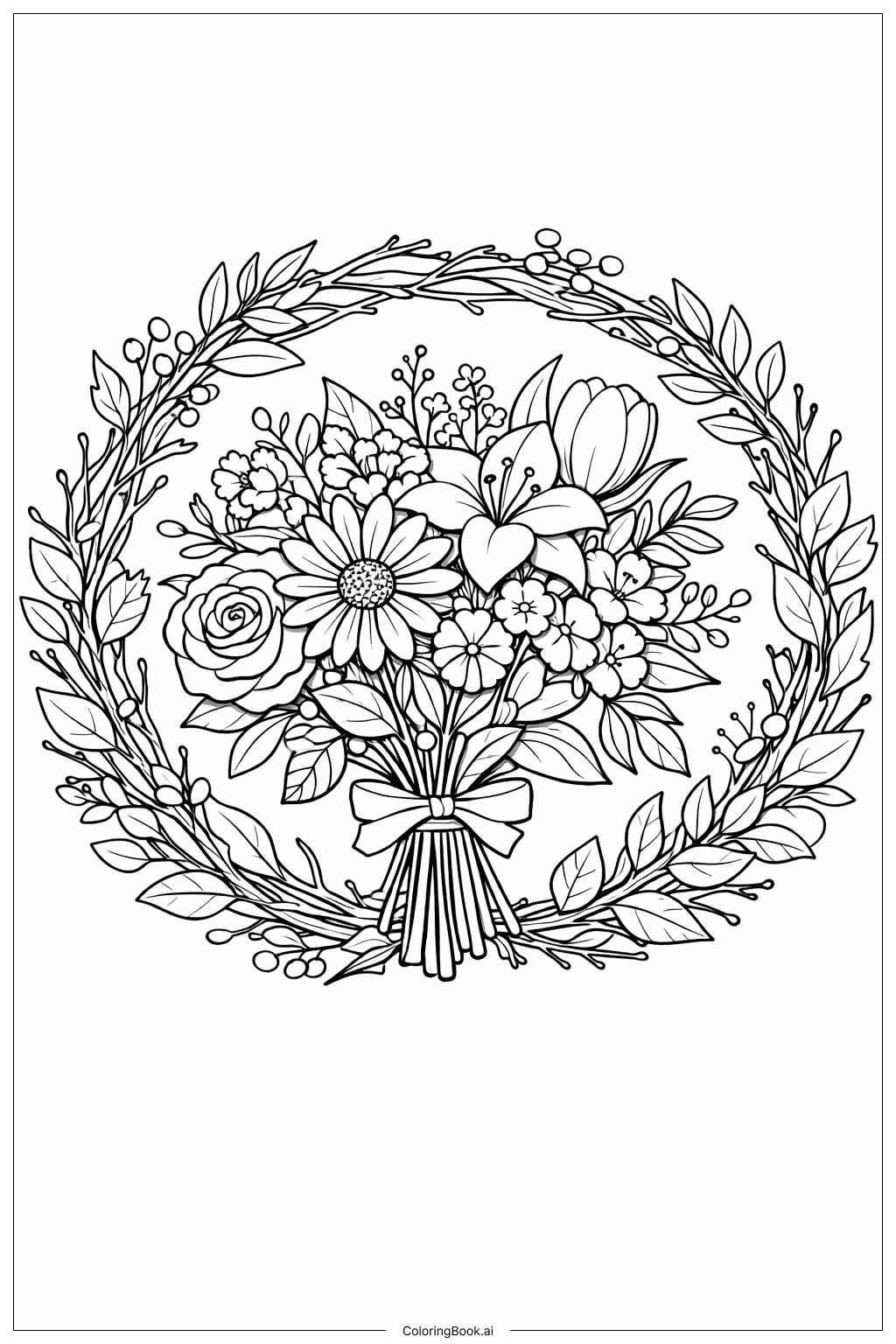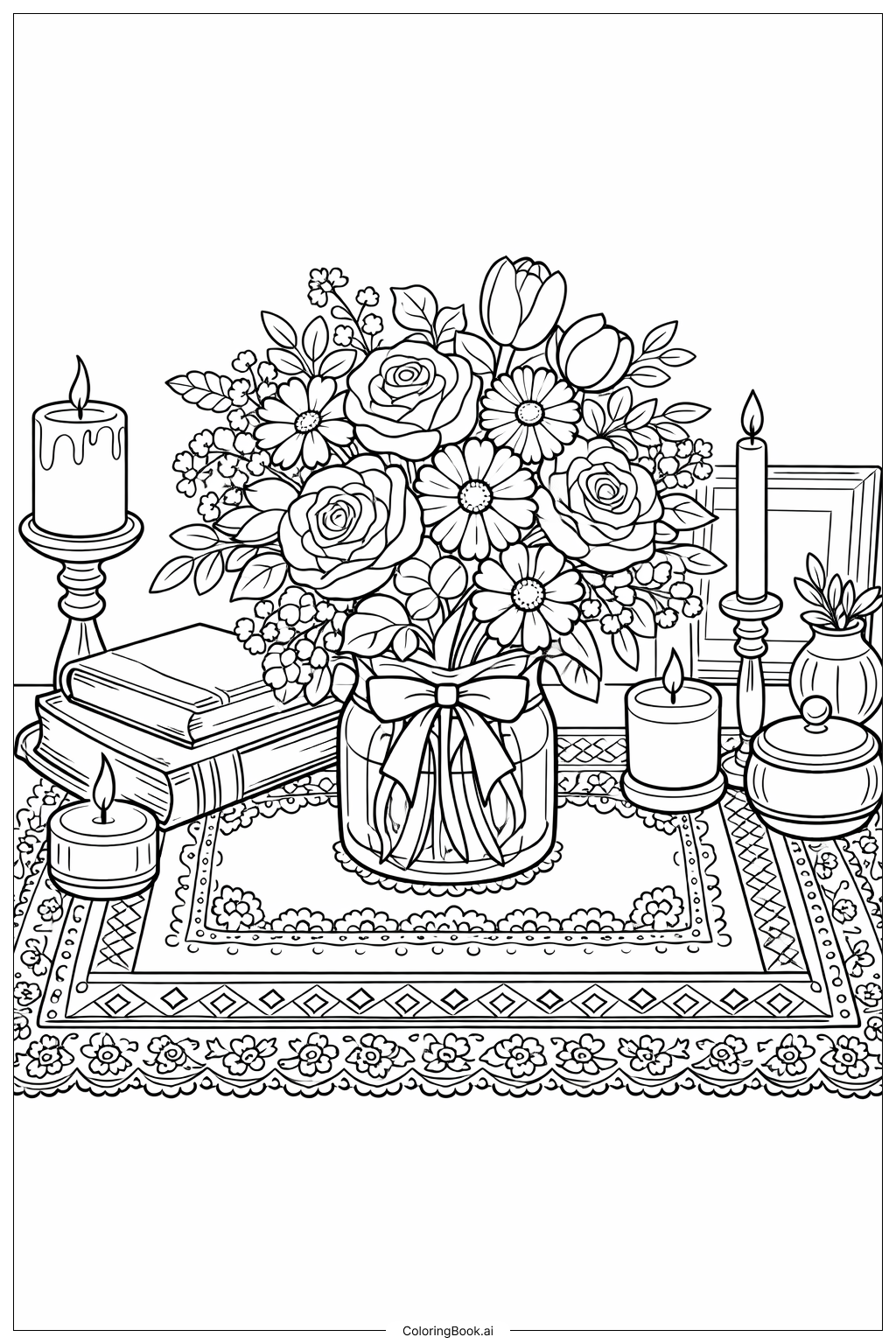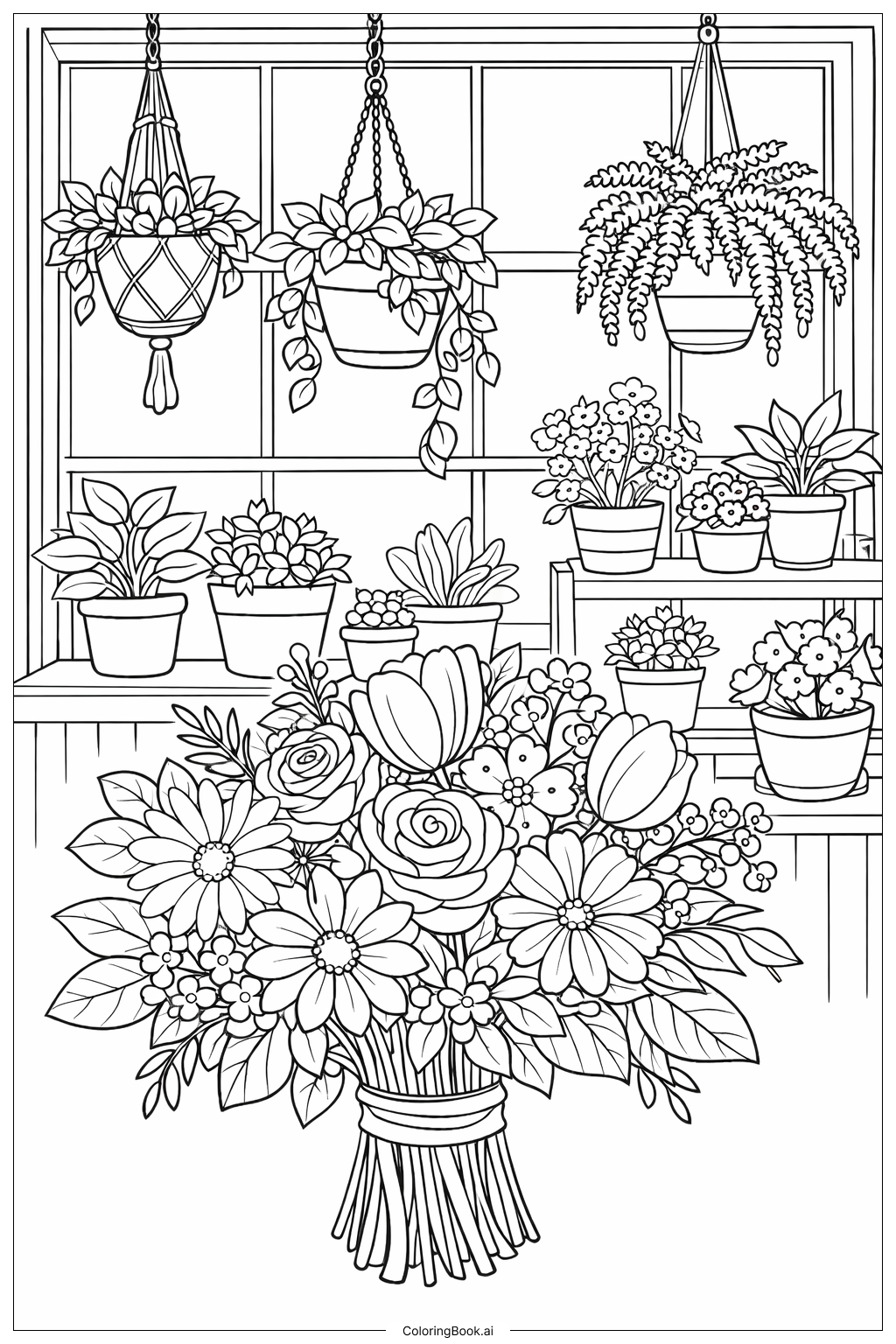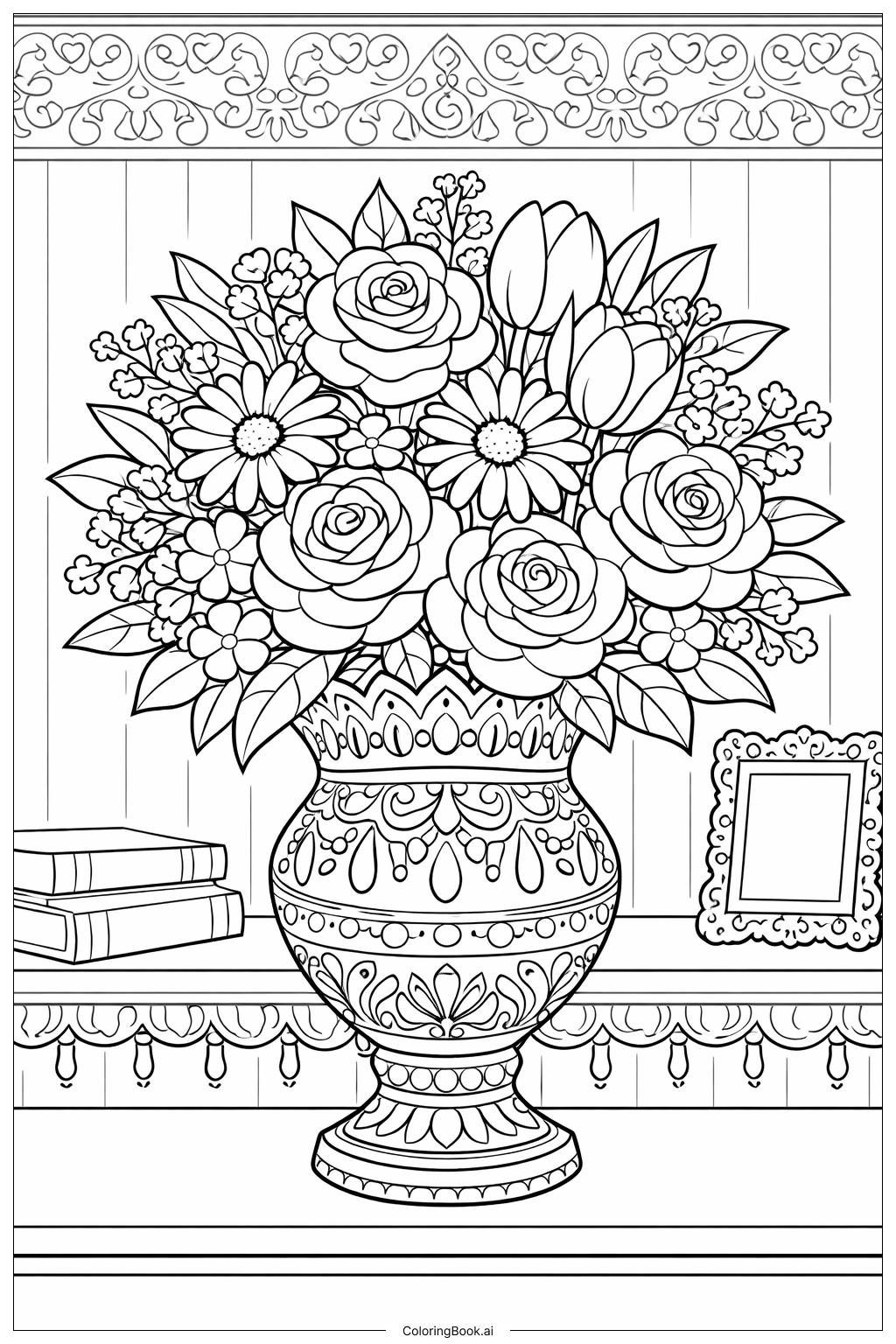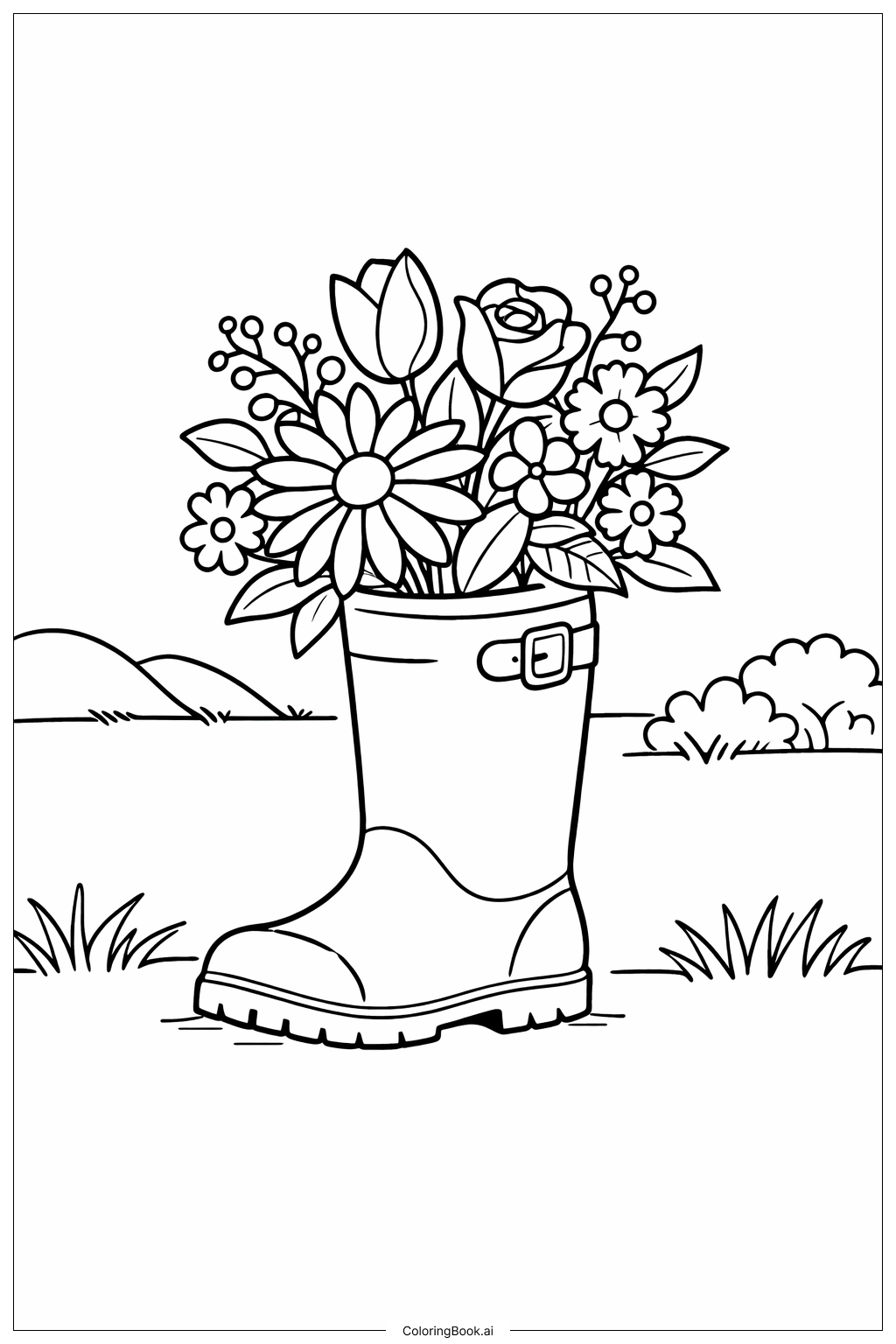
Coloring tips: How to color Bouquet Of Flowers In A Boot Vase coloring page well?
Start with the boot before moving on to the flowers. Use warm browns, tans, or even bold colors like red or turquoise for the boot — cowboy boots can be any color you like! Add darker shading along the sides and sole to give it a three-dimensional look.
For the flowers, pick bright and cheerful colors. Roses look great in red, pink, or yellow. Daisies can be white with yellow centers. Mix in orange, purple, and lavender for the smaller blooms. Use different shades of green for the leaves and stems — light green for younger leaves and darker green for older ones.
Do not be afraid to mix colors on the same petal for a more realistic or artistic effect. Color the background last. A soft sky blue or pale yellow can make the bouquet stand out beautifully. Have fun and make it your own!
Coloring challenges: Which parts are difficult to color and need attention for Bouquet Of Flowers In A Boot Vase coloring page?
Coloring this image comes with several fun challenges worth keeping in mind:
• Boot Texture and Details: The cowboy boot features stitched patterns, seam lines, and textured leather-like surfaces. Staying within these small decorative lines requires a steady hand and a fine-tipped coloring tool. Rushing through this area may cause colors to bleed into adjacent sections and lose the detail.
• Overlapping Flowers and Petals: The bouquet is dense, with petals from different flowers layering over one another. It can be tricky to decide where one flower ends and another begins. Take time to identify each individual bloom before applying color, and use slightly different shades for neighboring flowers so they do not blend together visually.
• Leaf and Stem Variety: There are many leaves and stems of different shapes and sizes woven throughout the arrangement. Giving each one a slightly different green tone — from yellow-green to deep forest green — adds realism but requires patience and careful color selection.
• Small Inner Details: Flower centers, tiny buds, and small decorative elements inside the bouquet are easy to overlook. These tiny areas benefit from sharp pencils or fine markers to avoid coloring outside the lines or missing them entirely.
• Balancing the Overall Composition: Because the boot and bouquet are very different in character — one is structured and man-made, the other is organic and natural — choosing a color palette that ties them together harmoniously is a creative challenge that makes this image especially rewarding to complete.
Benefits of coloring books: Advantages of drawing Bouquet Of Flowers In A Boot Vase coloring page
Coloring this image offers a wonderful mix of creative and developmental benefits for children and adults alike.
For younger children, filling in the large flower petals and the boot shape helps build fine motor skills and hand-eye coordination. Choosing colors for each flower encourages decision-making and creative thinking from an early age.
For older children and teens, the detailed stitching on the boot and the layered floral arrangement provide a satisfying challenge that sharpens focus and patience. Working through a complex image builds a sense of accomplishment when finished.
For adults, this kind of nature-inspired, whimsical scene is a wonderful way to unwind. The repetitive motion of coloring is known to reduce stress and promote a calm, meditative state of mind.
The image also sparks imagination. There are no rules about what color a cowboy boot should be or which flowers belong in a bouquet — this freedom encourages personal expression and artistic exploration at every skill level.
Completing a finished piece also boosts confidence and gives colorists of all ages a beautiful result they can display or share with pride.