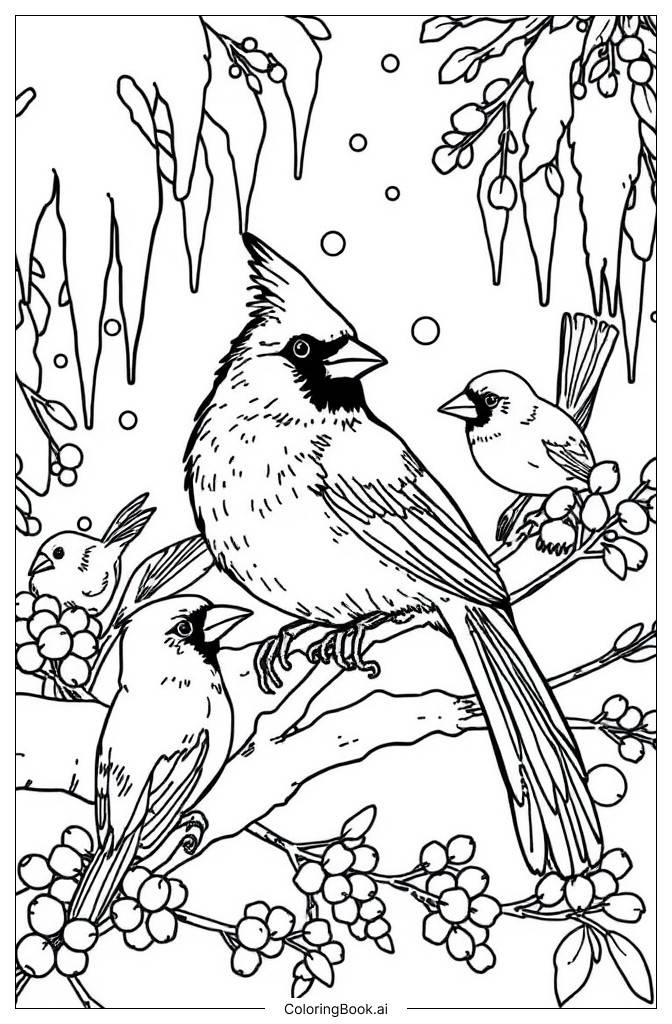
Coloring tips: How to color Winter Bird coloring page well?
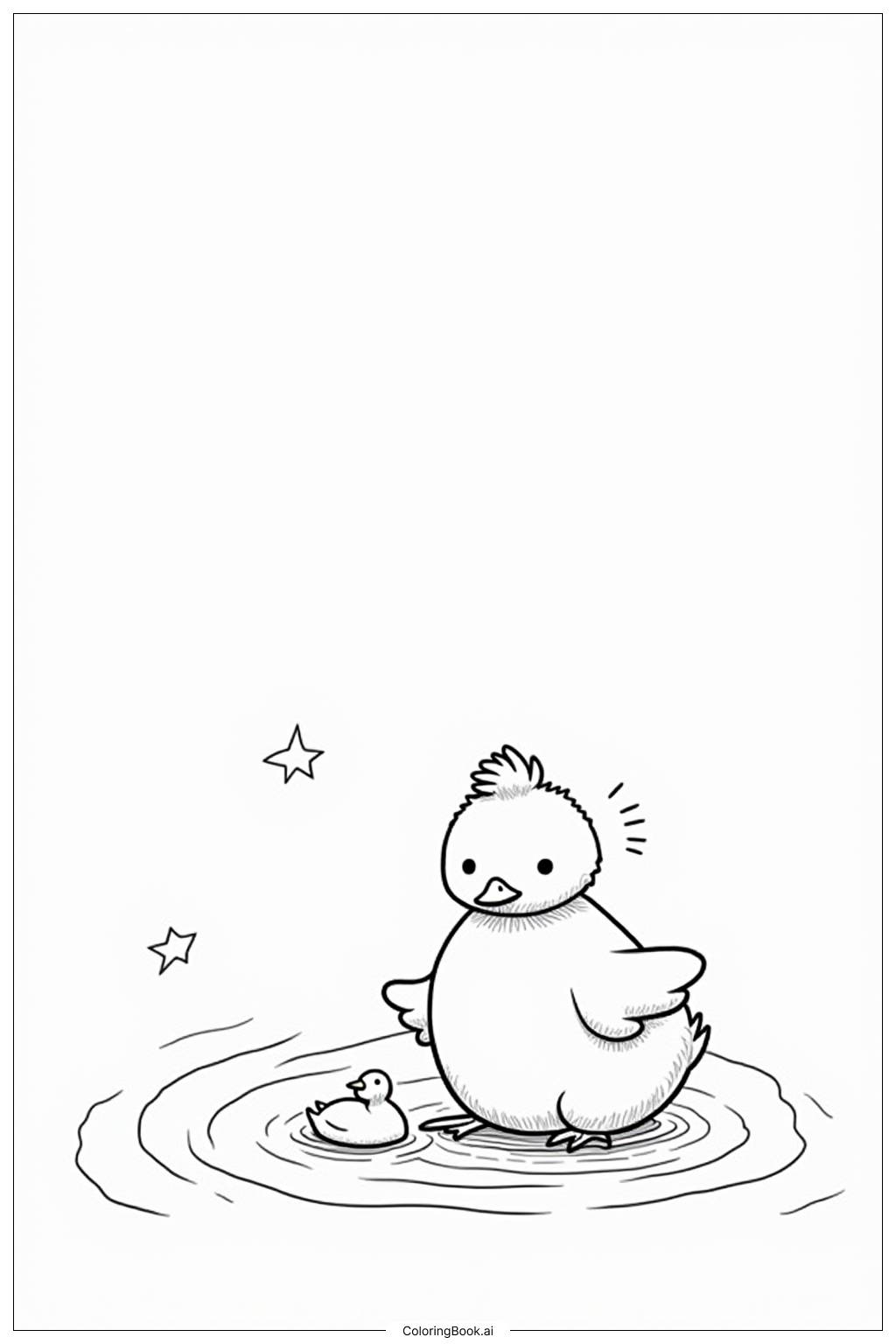
Use soft, cool colors like blues and grays for the snowy background and tree branches to capture the chilly winter mood. For the bird, try warm hues such as reds, oranges, or browns to make it stand out against the cold scene. You can use lighter shades on the bird’s belly and darker tones on its wings for depth. Add white or light blue highlights to the snow to give it a sparkling effect. You may also want to color the pine needles in different green shades to bring the branches to life. Feel free to add extra details like a light pink blush on the bird’s cheeks or some colorful berries on the branches for a fun touch.
Coloring challenges: Which parts are difficult to color and need attention for Winter Bird coloring page?
• Small details on feathers: The bird’s feathers are drawn with many fine lines, which require careful coloring to avoid going outside the lines and to show the texture. • Snow and branch contrast: It can be tricky to color the snow and the branches in a way that makes both clear and distinct, especially where snow overlaps the branch. Blending light colors while maintaining visible edges is important. • Layering colors: Achieving a natural look for the bird involves layering multiple colors for shadows and highlights, which may be challenging for younger colorists. • Fine pine needles: The thin pine needles require patience and precision to color well without merging colors accidentally. • Maintaining balance: Balancing the cool winter tones with warmer shades on the bird requires thoughtful color choices to ensure the image feels harmonious yet lively.
Benefits of coloring books: Advantages of drawing Winter Bird coloring page
Coloring this Winter Bird helps develop fine motor skills due to the many small areas and detailed parts. It encourages attention to detail and concentration, especially when working on feathers and pine needles. Choosing colors to represent winter and the bird promotes creativity and understanding of color harmony and contrast. This image also offers a relaxing activity that can reduce stress by focusing on nature’s calming winter scene. For children, it supports learning about seasons and birds in a fun, engaging way. Overall, it combines artistic practice with educational and emotional benefits.