Coloring tips: How to color Spring Bird coloring page well?
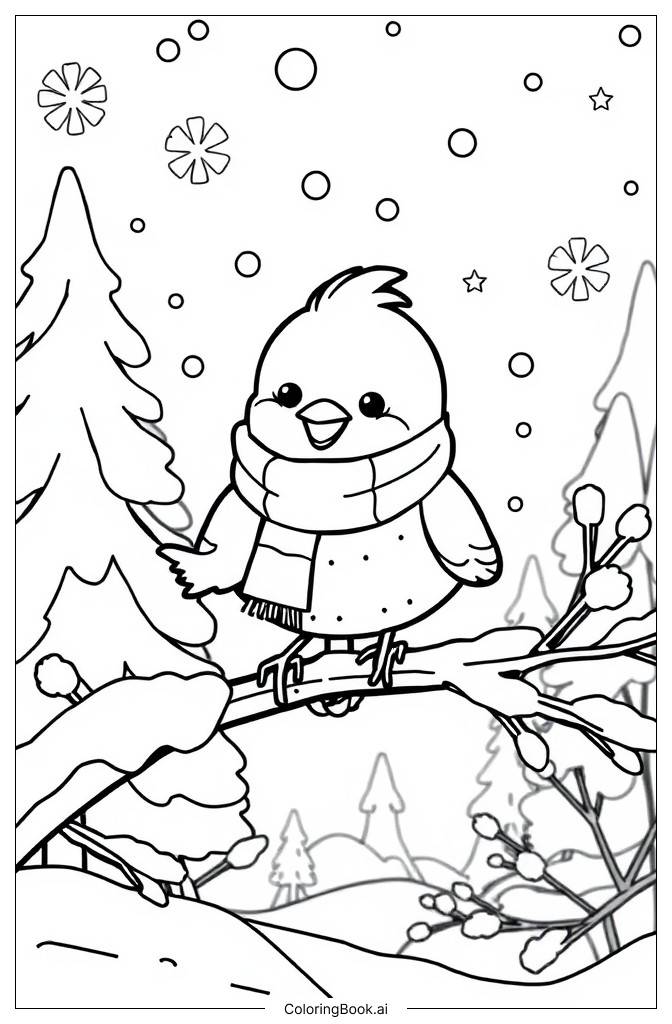
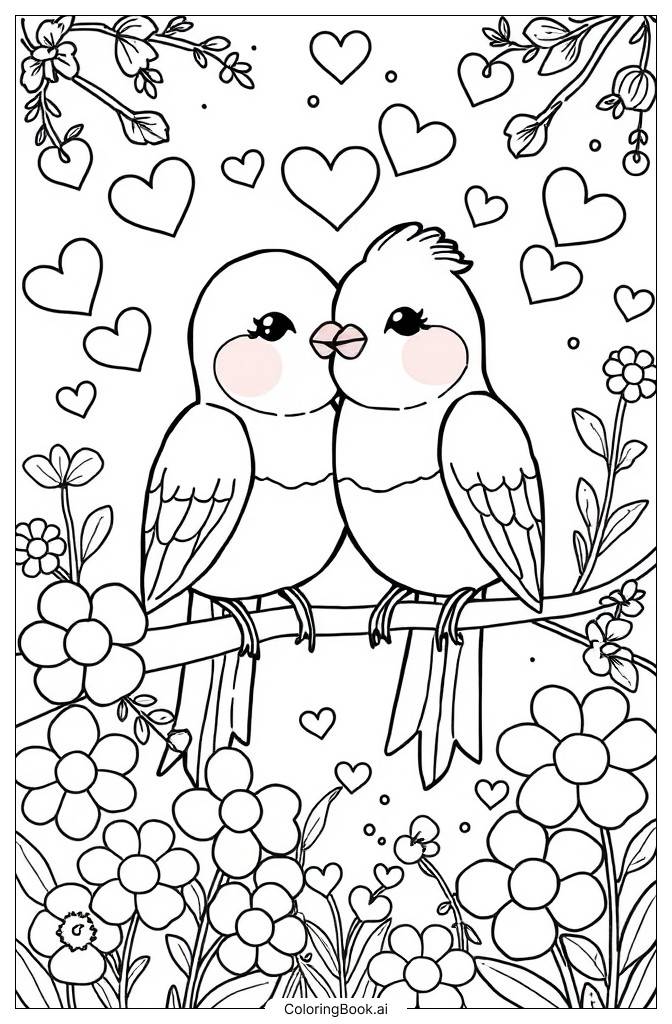
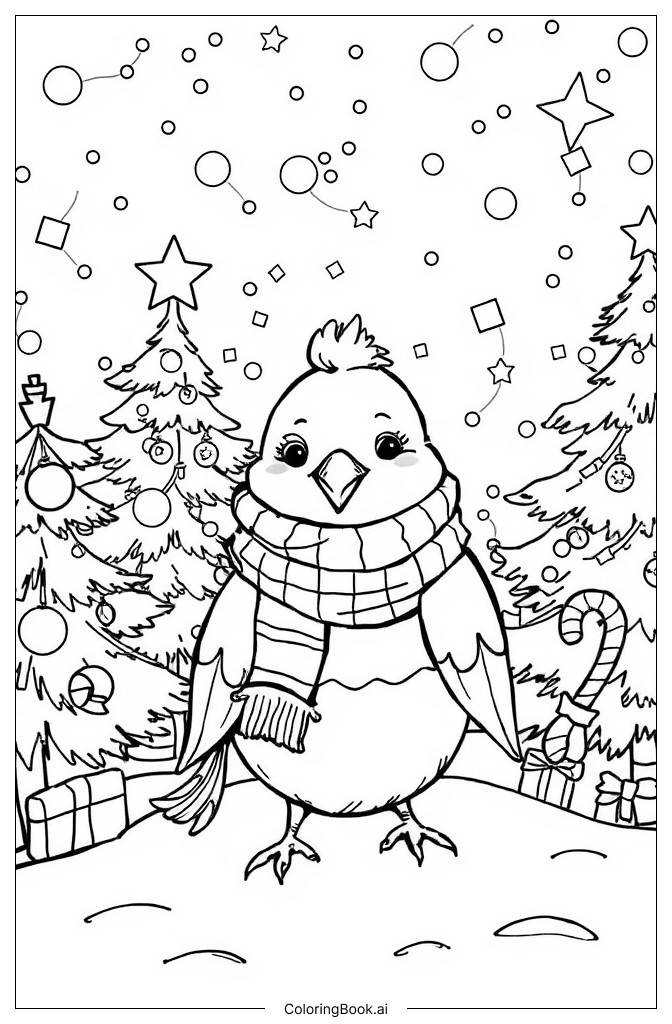
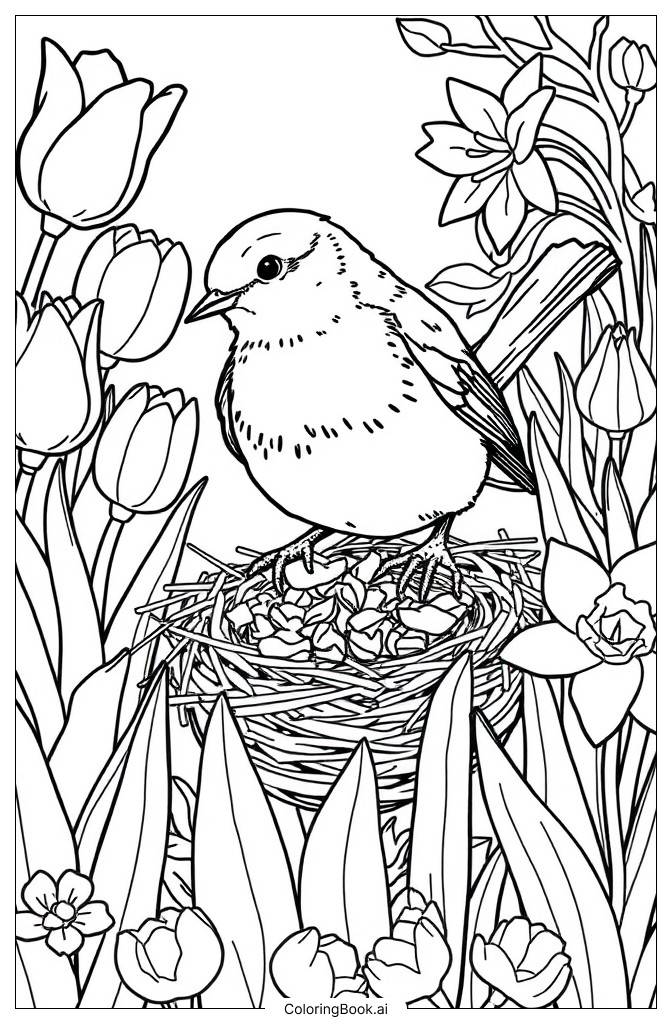
Start by choosing cheerful and fresh colors to reflect the spring season. Use bright yellows, pinks, and purples for the flowers to make them stand out. For the bird’s feathers, try soft browns, blues, or even greens for a natural look, or get creative with vibrant colors to make your bird unique. The leaves and branches can be colored with different shades of green and brown to add depth. You can also add some light blue or soft pastel shades in the background to give a sense of a clear spring sky. Remember to color gently around the small flower petals and bird feathers to keep details clear and clean.
Coloring challenges: Which parts are difficult to color and need attention for Spring Bird coloring page?
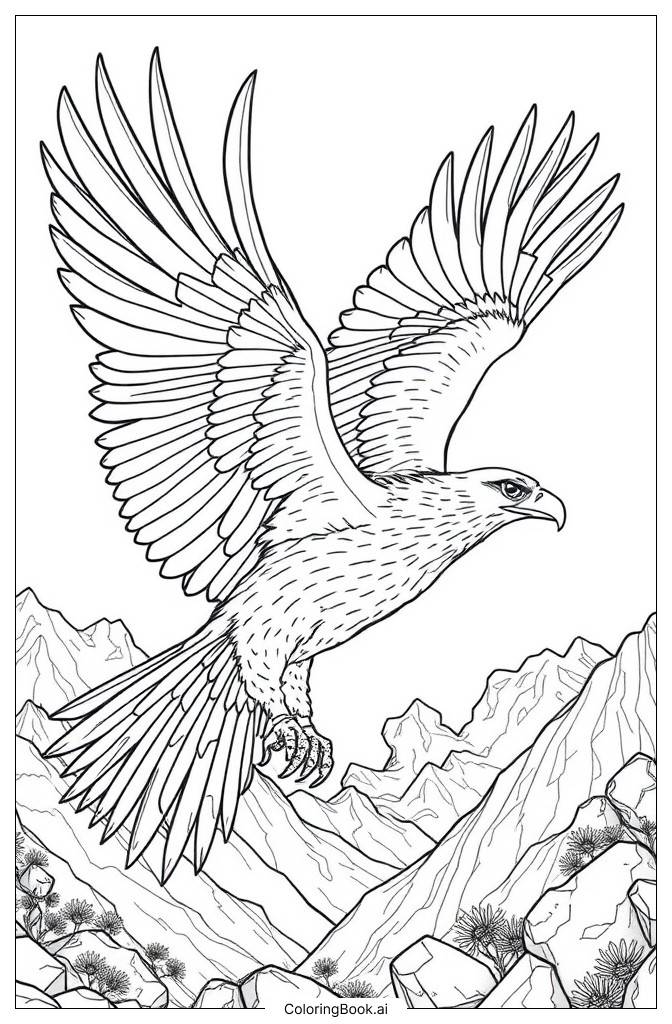
• Fine Feather Details: The bird’s feathers have many small lines and shapes that require careful coloring to avoid blending colors too much. Staying inside the lines can be challenging due to their thinness.
• Flower Complexity: Some flowers have multiple petals and tiny centers. Coloring these small areas without overlapping colors demands precise hand control, especially for younger children.
• Layering Colors for Depth: To make leaves and feathers look natural, layering different shades is helpful but can be tricky to master. It requires practice to add shadows and highlights subtly.
• Branch Textures: The branches have irregular shapes that need attention to avoid coloring outside the lines, which may be difficult for early learners.
• Balance of Colors: Ensuring bright colors on flowers complement the more muted colors on the bird without overpowering it requires thoughtful color choice and planning.
Benefits of coloring books: Advantages of drawing Spring Bird coloring page
Coloring this Spring Bird image helps improve hand-eye coordination and fine motor skills, especially with the detailed feathers and flowers. It encourages children to observe nature closely and express creativity through color choices. Working on small details enhances concentration and patience. Choosing and layering colors can teach basic art and color theory concepts like blending and contrast. Additionally, coloring scenes of nature promotes calmness and a sense of connection to the outdoors, which is beneficial for emotional development. Overall, this coloring page offers a fun and educational activity suitable for young artists of various skill levels.