Coloring tips: How to color Kiwi bird walking coloring page well?
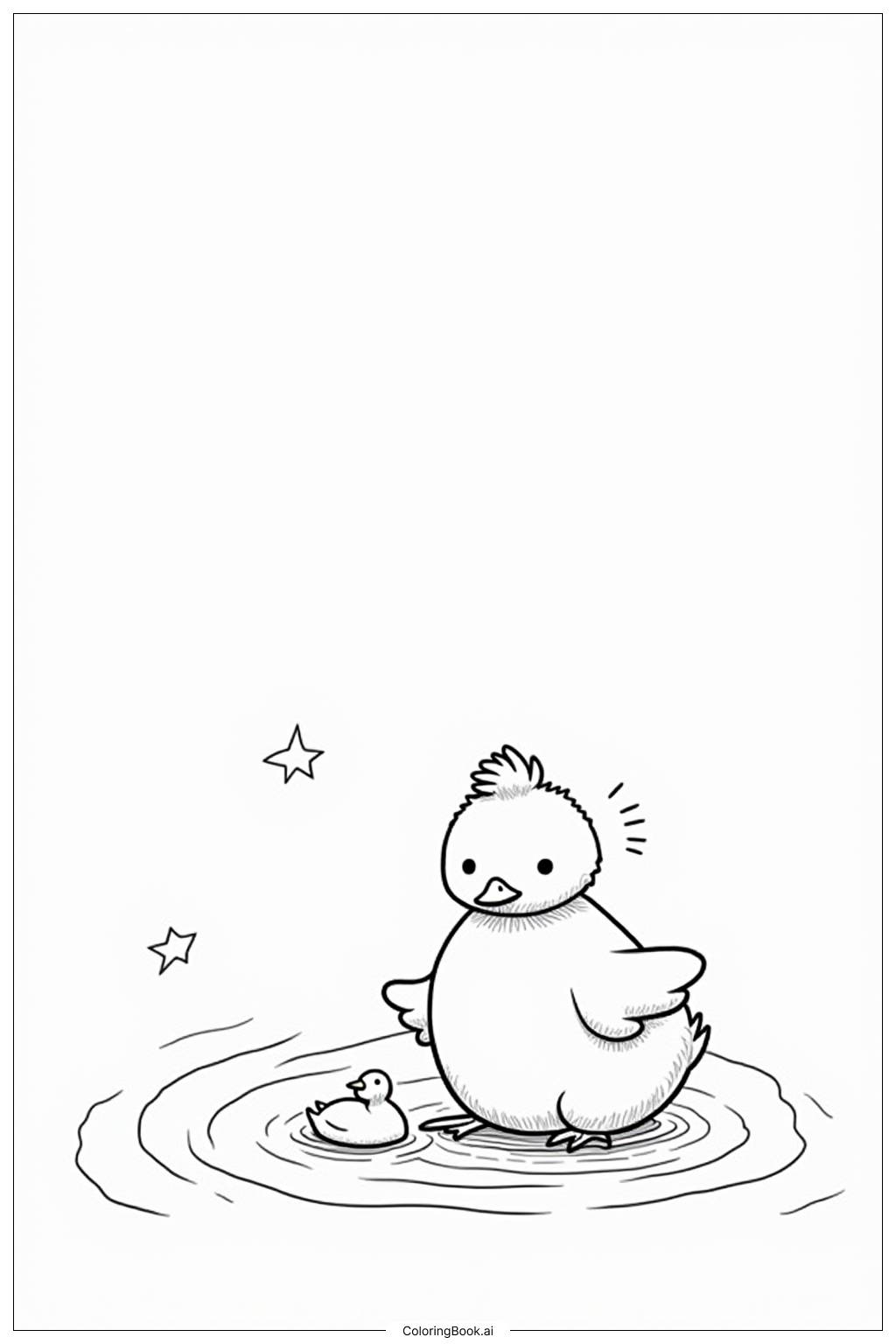
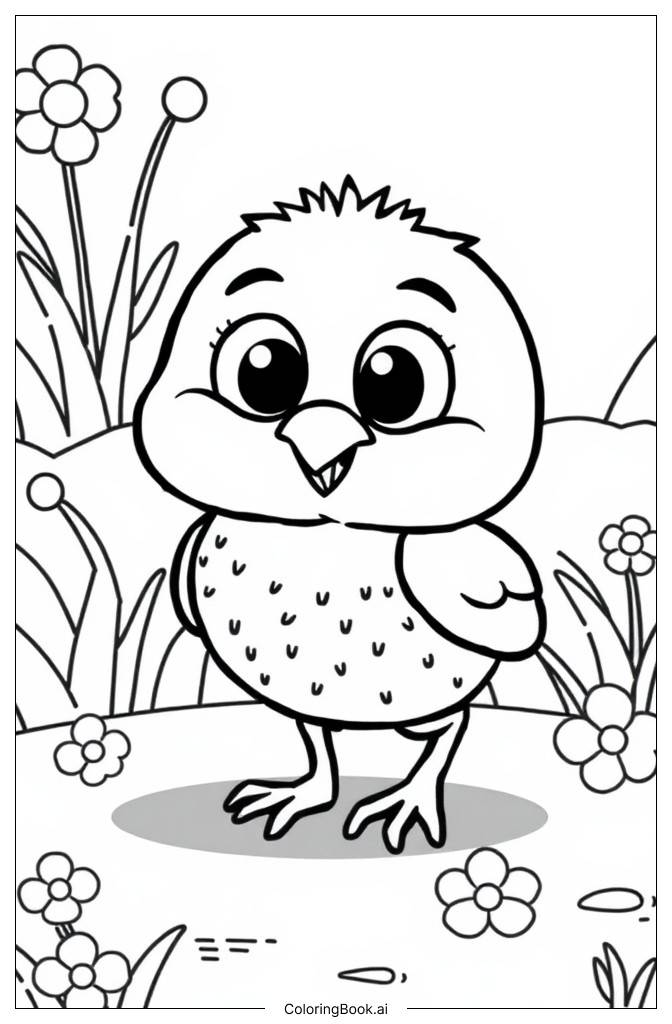
For this Kiwi bird walking image, use earthy tones to bring it to life. Browns and tans are perfect for the Kiwi’s feathers. Try blending light and dark browns to show the texture of its soft feathers. Its long beak can be colored a pale gray or soft ivory. The legs and feet might look natural in shades of chocolate brown. For the grass and plants around the Kiwi, use fresh greens and gentle yellows to suggest sunlight. You could also add a soft blue or gray background to make the bird stand out. Feel free to experiment with different shades to make the Kiwi look lively and realistic, or use brighter colors for a fun twist.
Coloring challenges: Which parts are difficult to color and need attention for Kiwi bird walking coloring page?
• Feather Texture: The Kiwi’s feathers appear shaggy and soft, which can be tricky to color realistically. You need to use various shades and light strokes to show the feather layers without making the bird look flat.
• Long Beak Detailing: The long, slender beak requires careful coloring to capture its smooth and distinct shape. Avoid coloring outside the lines to keep the beak slim and precise.
• Small Feet and Claws: The feet have tiny claws that can be hard to color carefully. It takes patience to fill these small areas neatly without smudging.
• Background Plants: The grass and small plants have thin blades and leaves that need gentle coloring to keep them delicate and natural.
• Maintaining Contrast: Since the Kiwi and the environment have similar earthy tones, balancing contrast to keep the bird clearly visible can be challenging. You may need to layer colors thoughtfully to avoid blending everything together.
Benefits of coloring books: Advantages of drawing Kiwi bird walking coloring page
Coloring this Kiwi bird walking image helps improve focus and attention to detail, especially when shading the feathers and small parts like the beak and claws. It encourages creativity through experimenting with natural colors and blending techniques. Kids can learn about birds and their features while enjoying a calming artistic activity. Coloring this scene also enhances hand-eye coordination and fine motor skills as they carefully fill in the soft textures and tiny details. Moreover, it fosters a connection with nature and wildlife, making the experience both educational and relaxing.