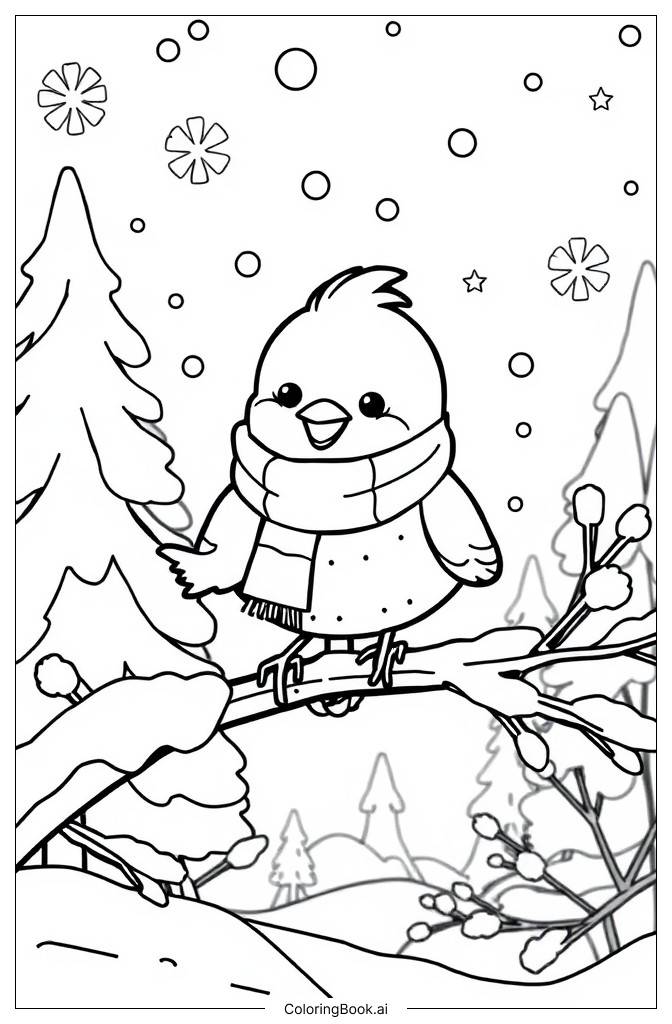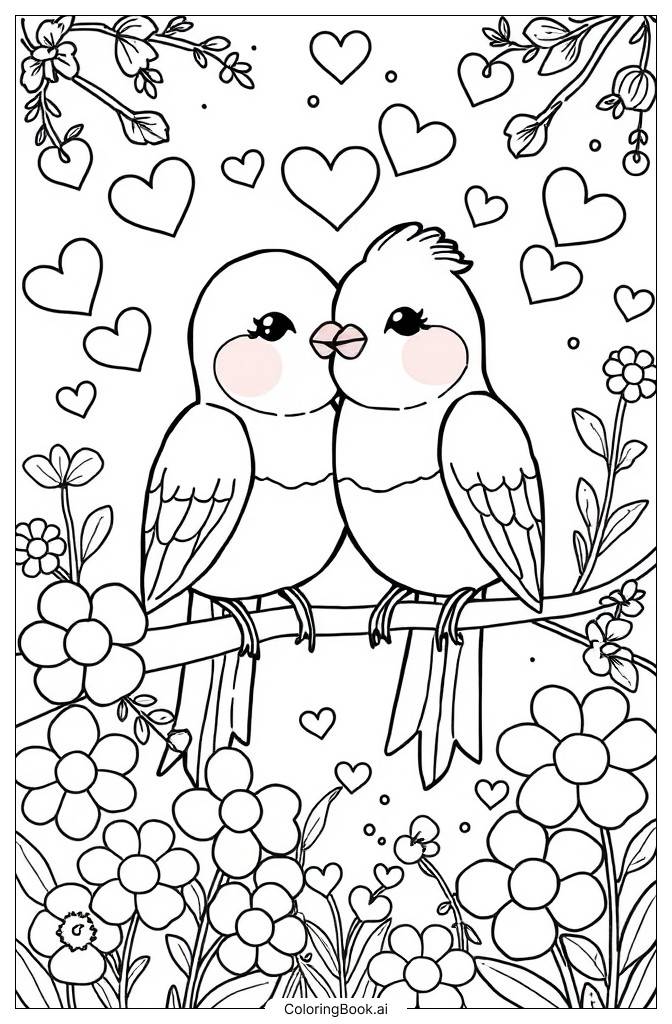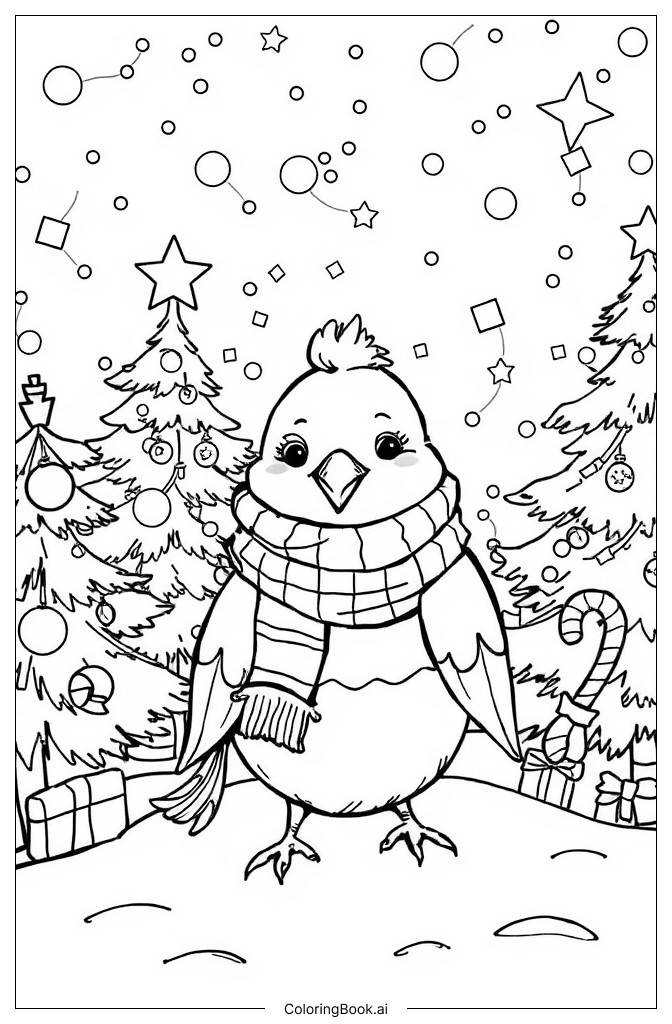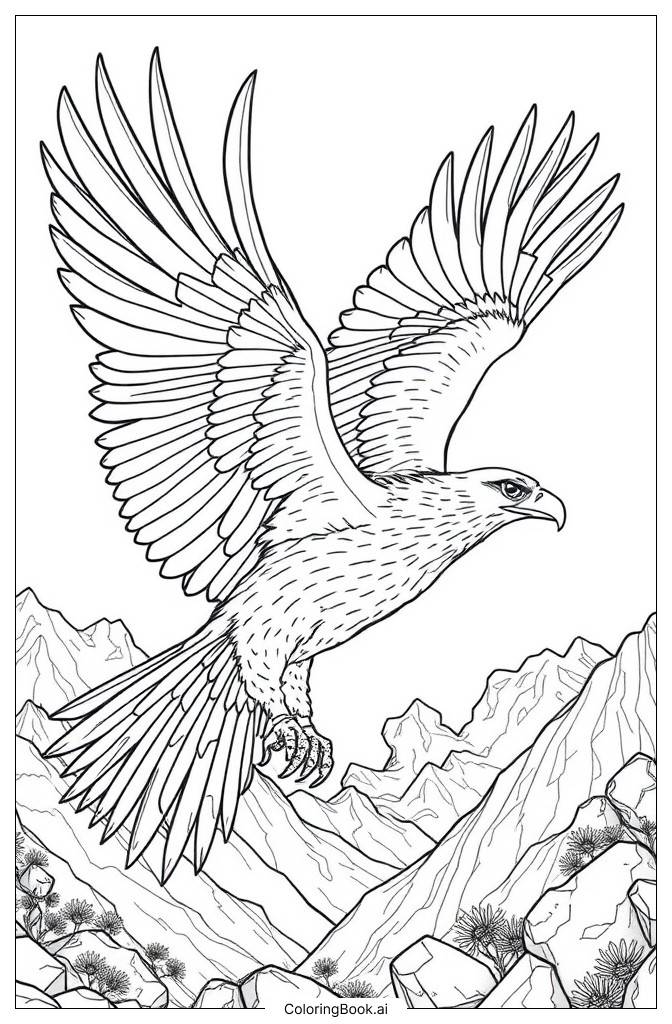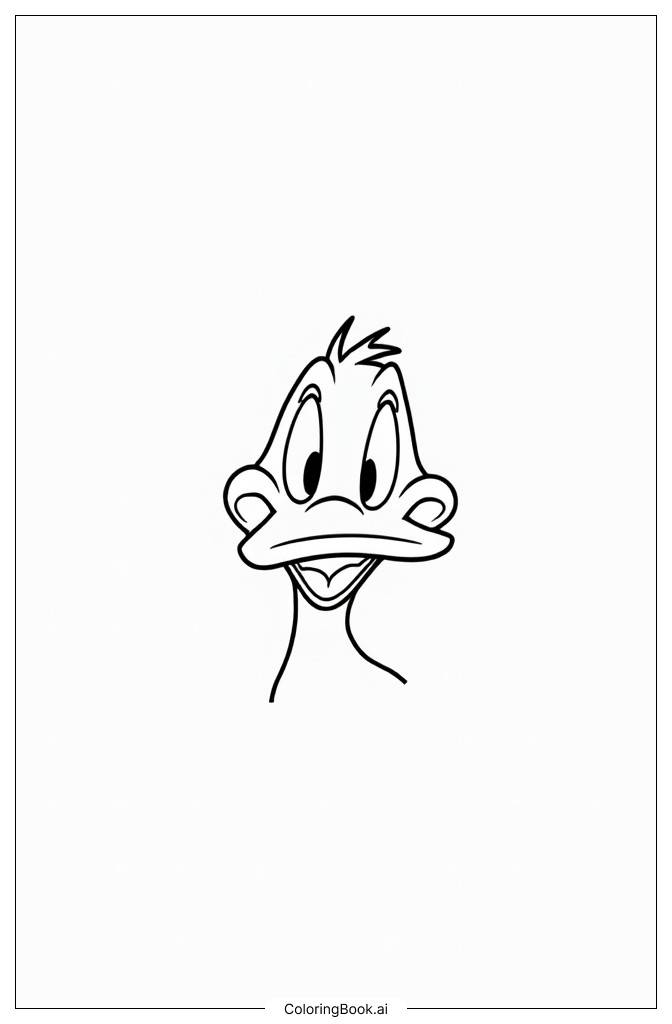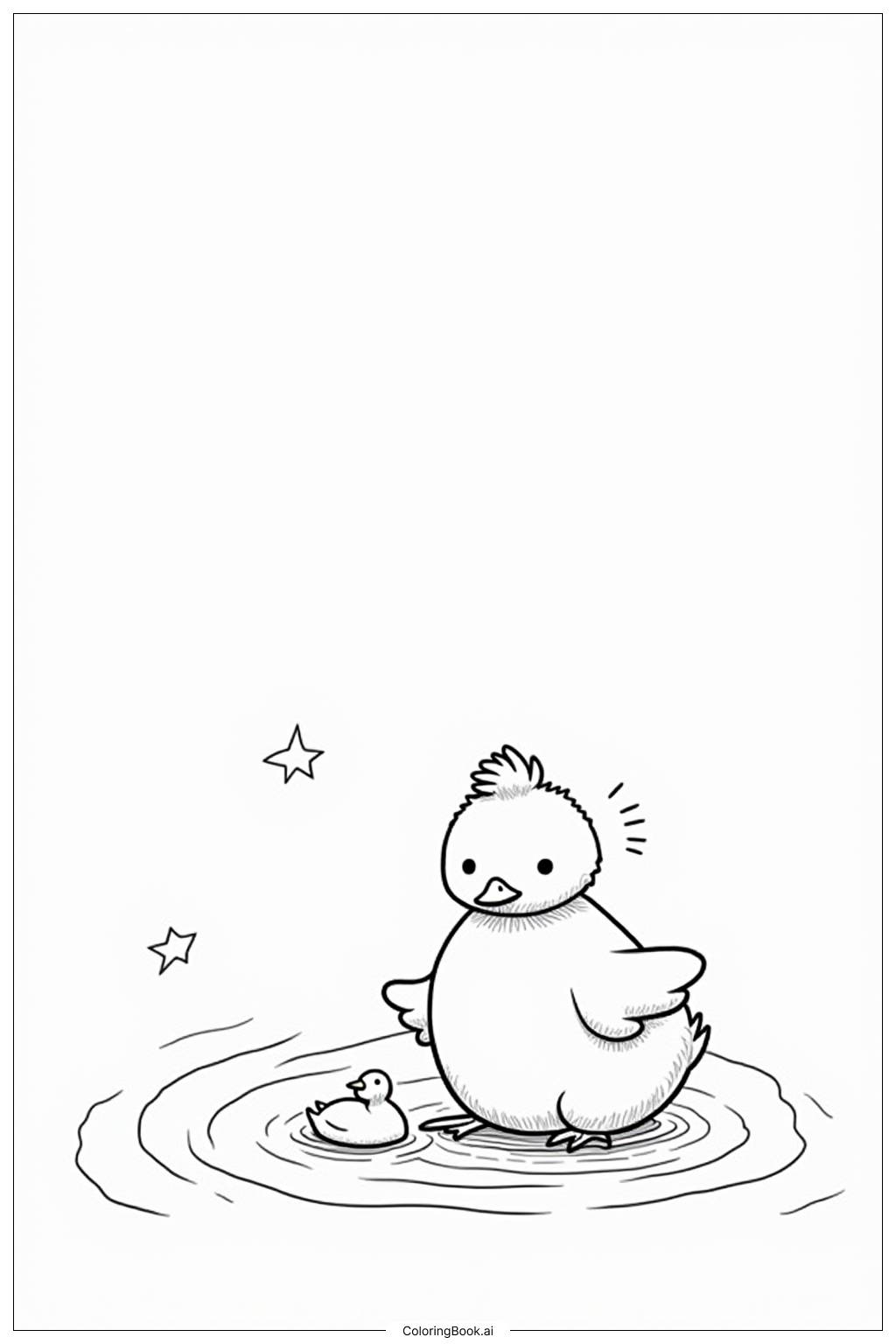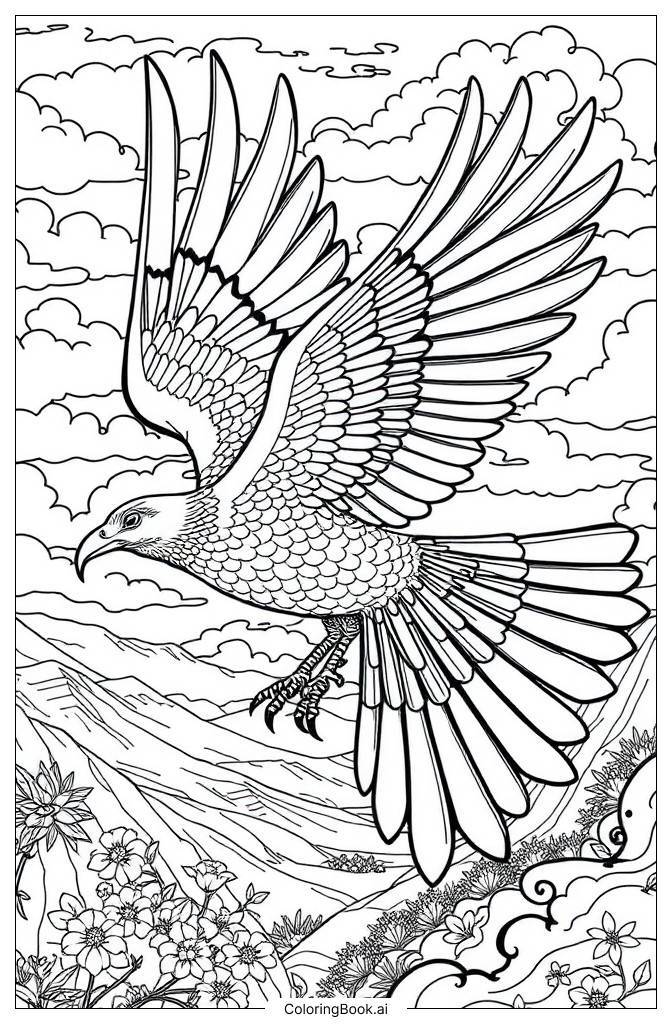
Coloring tips: How to color Cute Bird coloring page well?
Here are some fun and easy coloring ideas for this Cute bird page!
Start with the bird's body. You can use bright, cheerful colors like sunny yellow, sky blue, or soft orange to make the bird look lively and happy. Real birds come in all kinds of colors, so feel free to use your imagination!
For the beak, try a warm orange or golden yellow. A small black or dark brown dot makes the eye look bright and full of life.
The wings and tail feathers are a great place to experiment. Try using two or three shades of the same color to create a layered, natural look. For example, use light blue on the belly and a deeper blue on the wings.
For the feet and legs, a simple light brown or tan color works well.
For the background, consider a soft light blue sky or a gentle green to suggest grass or leaves. This will make your bird stand out beautifully.
Remember: there are no wrong color choices. Use whatever colors make you happy. Have fun and enjoy every stroke!
Coloring challenges: Which parts are difficult to color and need attention for Cute Bird coloring page?
Coloring this Cute bird image is mostly beginner-friendly, but there are a few areas that may present some challenges:
• Small Facial Features: The bird's eyes, beak, and any tiny facial details are very small and close together. Staying inside such tiny areas without smudging or going over the lines can be tricky, especially for younger children. Using a fine-tipped coloring tool works best here.
• Feather Texture and Layering: The bird's body has feather outlines that suggest texture. Coloring these feathers in a way that looks natural and layered takes some patience. Rushing through this section may result in a flat, uninteresting look. Trying light strokes in the direction of the feathers will give a much better result.
• Color Transitions: If you want to add shading or blend colors from the chest to the wings or tail, keeping the transitions smooth is a challenge. Colored pencils or soft crayons work well for gentle gradients, but it requires a steady hand and slow, careful strokes.
• Wing and Tail Outline Details: The wings and tail feathers may have thin, closely spaced lines. Coloring between these lines neatly without going outside the boundaries requires focus and a sharp pencil or thin marker.
• Background Space: Deciding how to color the background around the bird can be challenging. Too dark a color may overpower the cute bird, while too light a shade may make it look unfinished. Choosing a soft, contrasting color like light blue or pale yellow is usually a safe and attractive choice.
Benefits of coloring books: Advantages of drawing Cute Bird coloring page
Coloring this Cute bird page brings so many great benefits for kids and beginners alike.
• It helps children develop fine motor skills as they carefully color within the lines of the bird's small, detailed features.
• Choosing colors for the feathers, beak, and background encourages creative thinking and imagination. Kids can make their bird look realistic or totally magical — the choice is theirs!
• Focusing on a fun, friendly image like this bird helps children practice patience and concentration, which are important skills for school and everyday life.
• The calming nature of coloring can reduce stress and anxiety, making it a wonderful quiet-time activity.
• Completing the page gives children a sense of pride and accomplishment, boosting their confidence.
• It also makes a great bonding activity for parents and kids to do together, sparking conversations about birds, nature, and colors.
Whether you are 4 or 14, coloring this cheerful little bird is a joyful and rewarding experience every time.