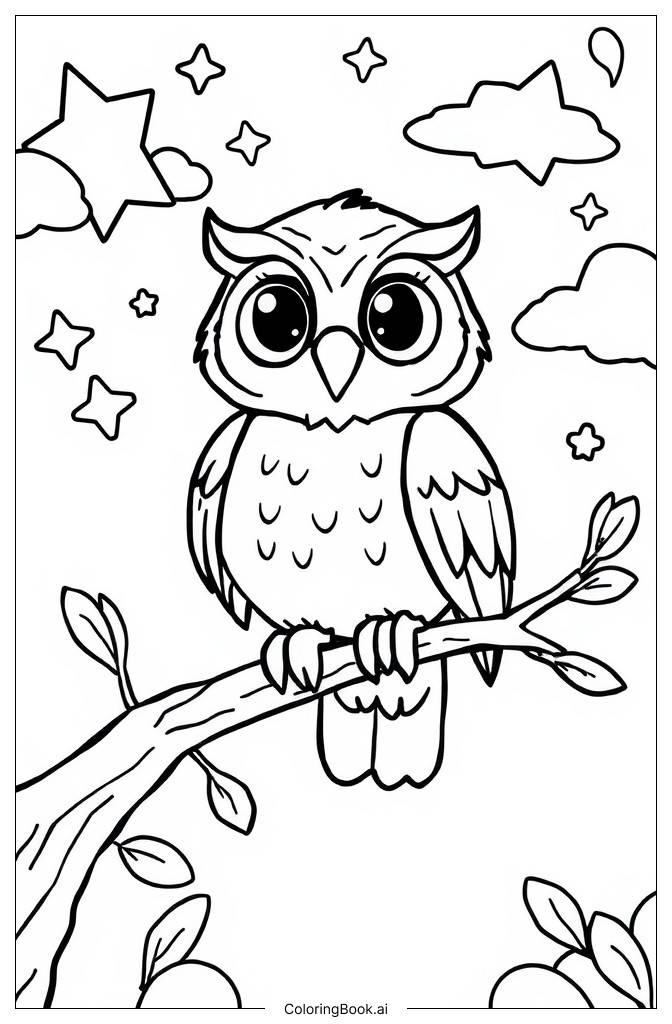
Coloring tips: How to color Birds of prey coloring page well?
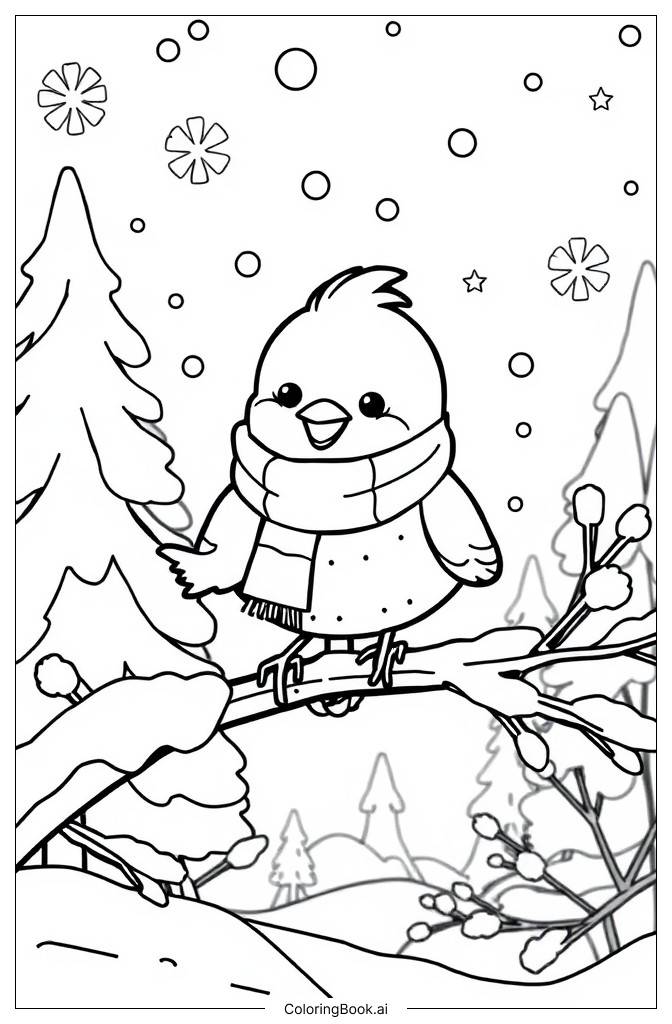
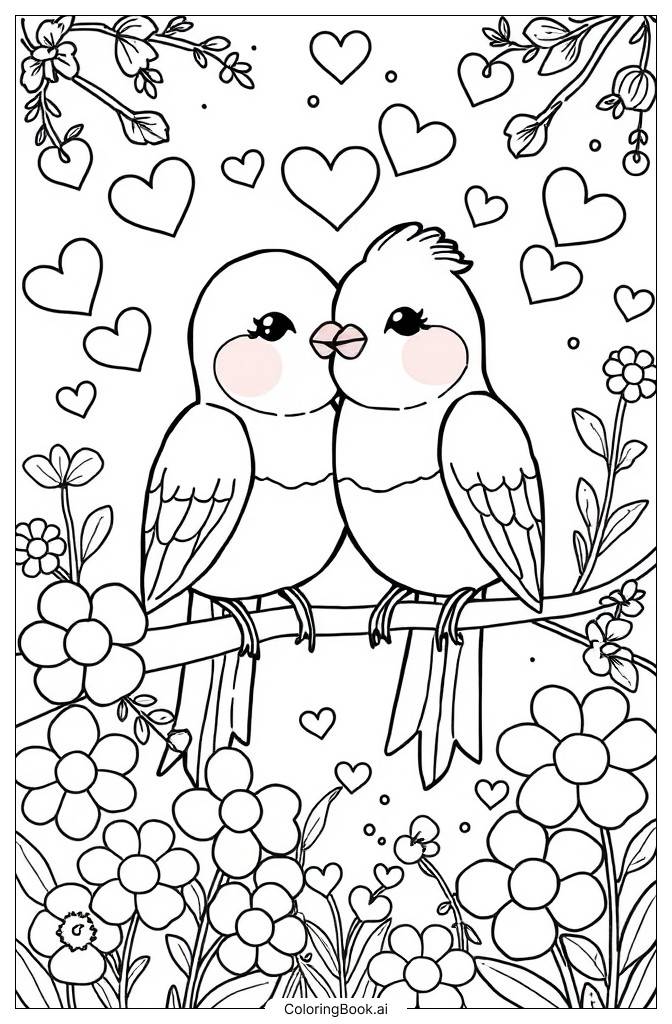
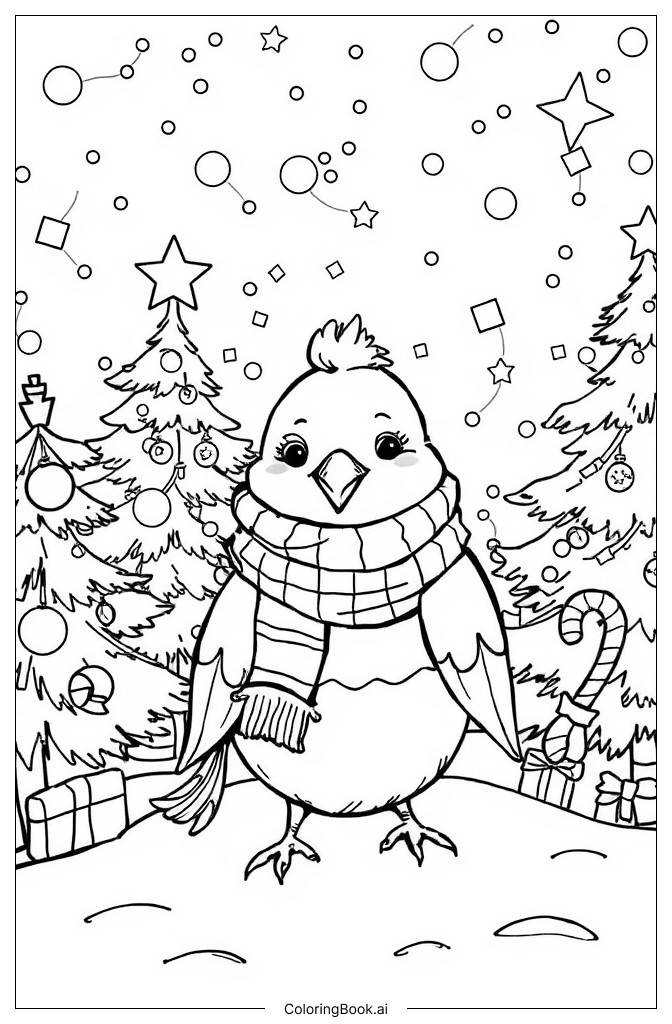
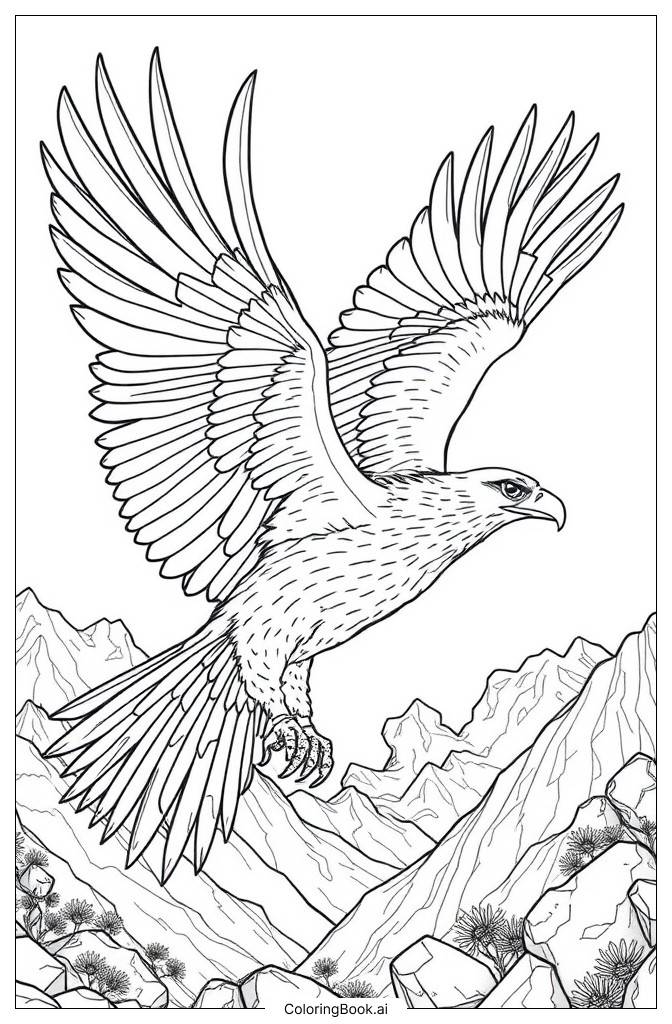
When coloring this Birds of prey image, try using natural shades like browns, grays, and whites for the feathers to mimic real birds. You can add hints of yellow or orange around the beaks and eyes to make them look sharp and focused. For the tree branches and leaves, use several shades of green and brown to bring a lively and forest-like feel. The sky can be soft blues or light grays to give depth. Feel free to add your own bright colors to make the birds stand out more, like deep blues or reds, if you want a more artistic look. Use thin color strokes on the feathers to show texture, and darker outlines to emphasize the birds' strong shapes.
Coloring challenges: Which parts are difficult to color and need attention for Birds of prey coloring page?
• Feather Texture: The birds have many fine feathers, requiring careful coloring to show their layered look without overlapping colors too much. Staying inside the small lines can be tricky for younger children. • Talons and Beaks: These parts have sharp details and small shapes that need precise coloring to keep their fierce appearance. Beginners might find it hard to color within these tight spaces. • Shading and Depth: To make the birds look realistic, coloring different feather areas with varying shades is important. This technique can be challenging since it needs blending and changing pressure. • Background Elements: The trees, leaves, and sky have wide areas to color but still require some subtle shading to avoid a flat look. Balancing the background with the birds' details takes practice. • Overall Composition: Managing both small detailed parts and larger open spaces in one image can be hard for children to keep consistent color choices and neatness throughout the page.
Benefits of coloring books: Advantages of drawing Birds of prey coloring page
Coloring this Birds of prey image helps develop fine motor skills as children carefully fill in small detailed areas like feathers and talons. It encourages patience and attention to detail, especially with the different textures present. Kids can learn about nature and animal anatomy while engaging creatively. Using different colors and shading techniques improves hand-eye coordination and artistic abilities. This page also sparks imagination by allowing children to choose realistic or imaginative color schemes, boosting confidence in their artistic expression. Overall, it’s a fun and educational way to connect with wildlife and improve important skills.