Coloring tips: How to color Baby bird coloring page well?
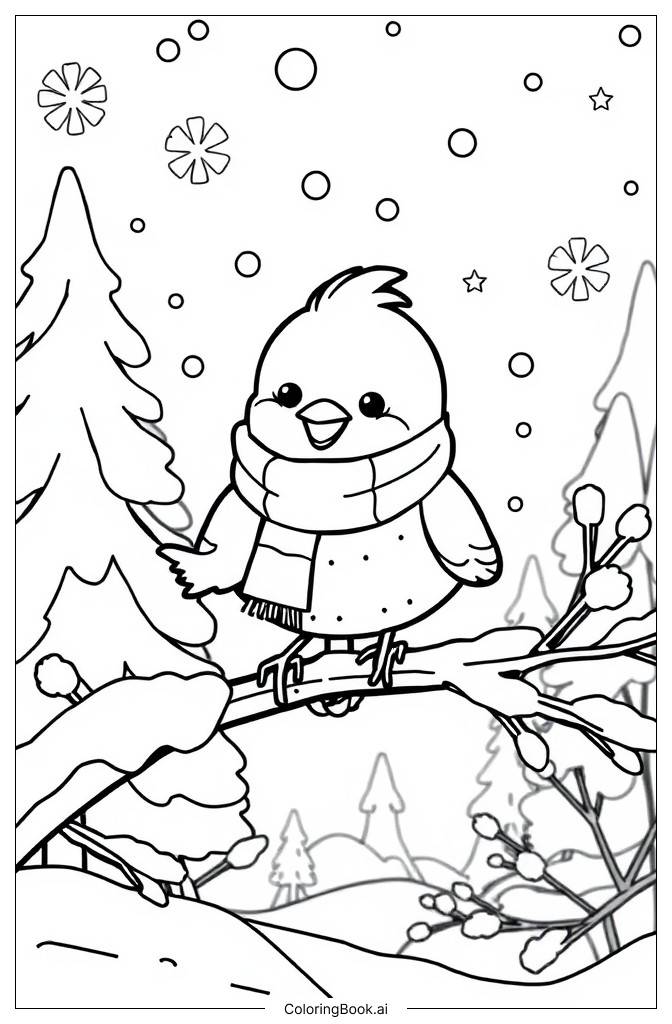
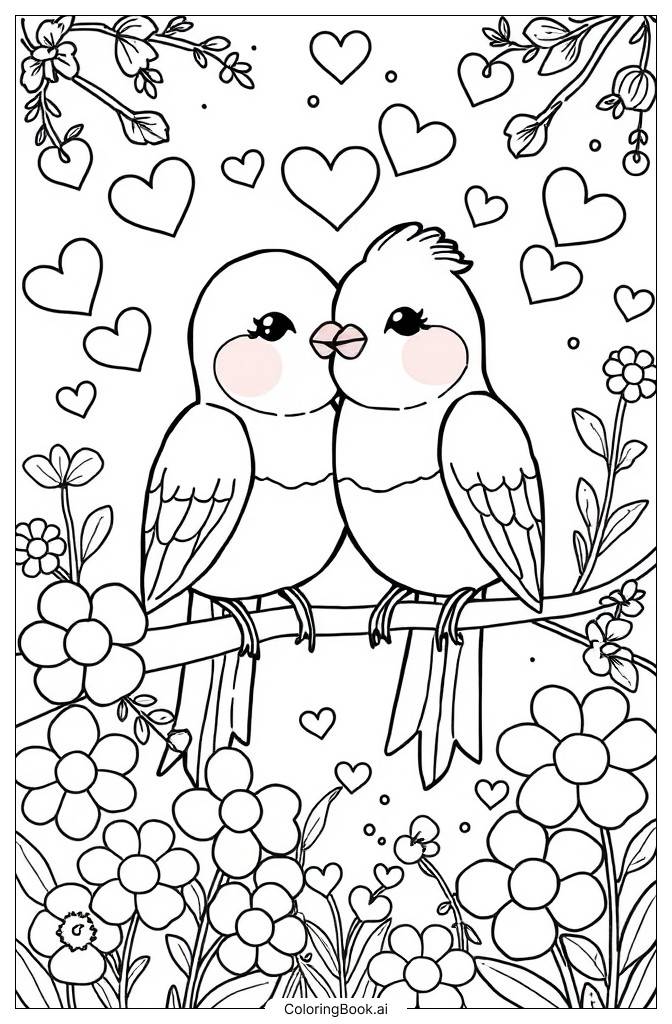
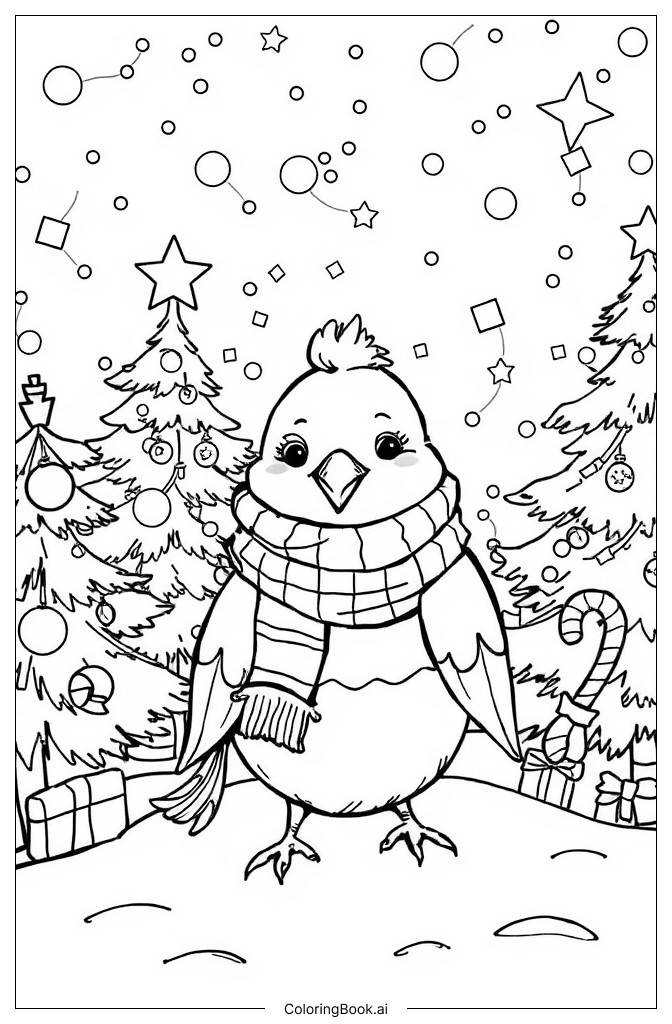
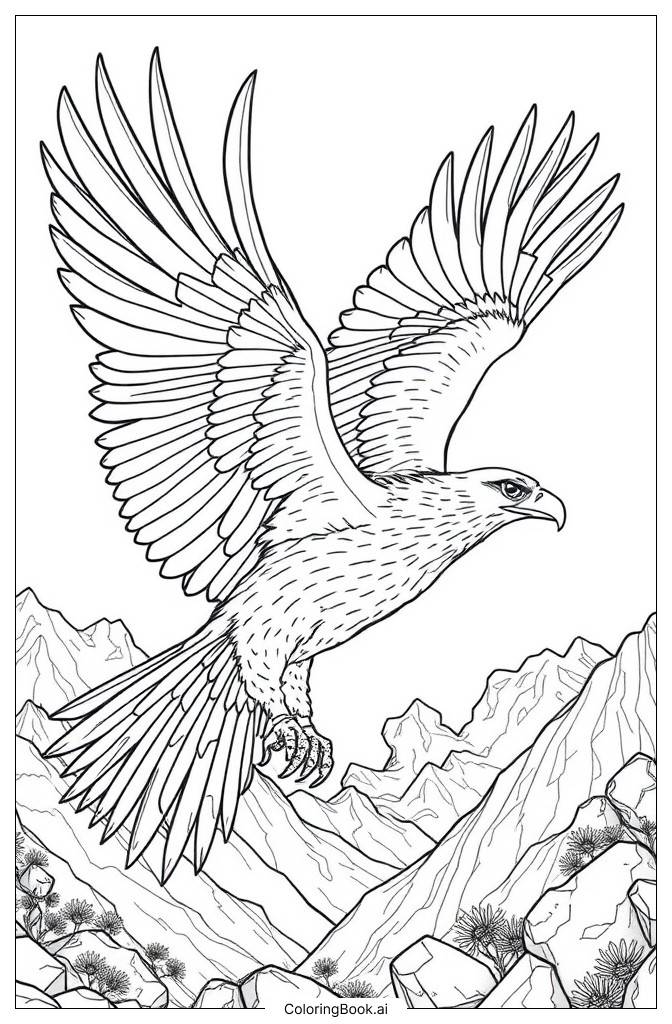
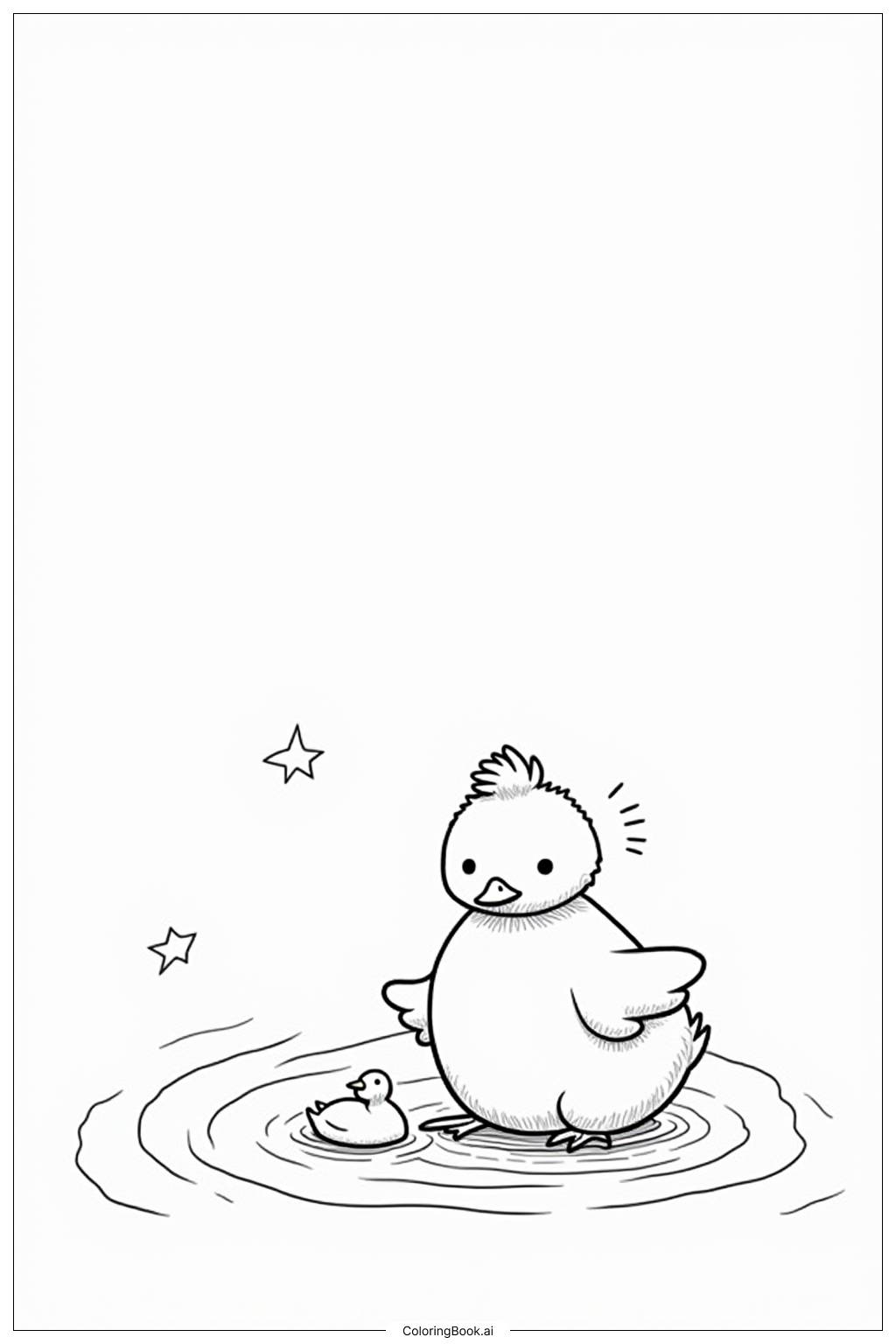
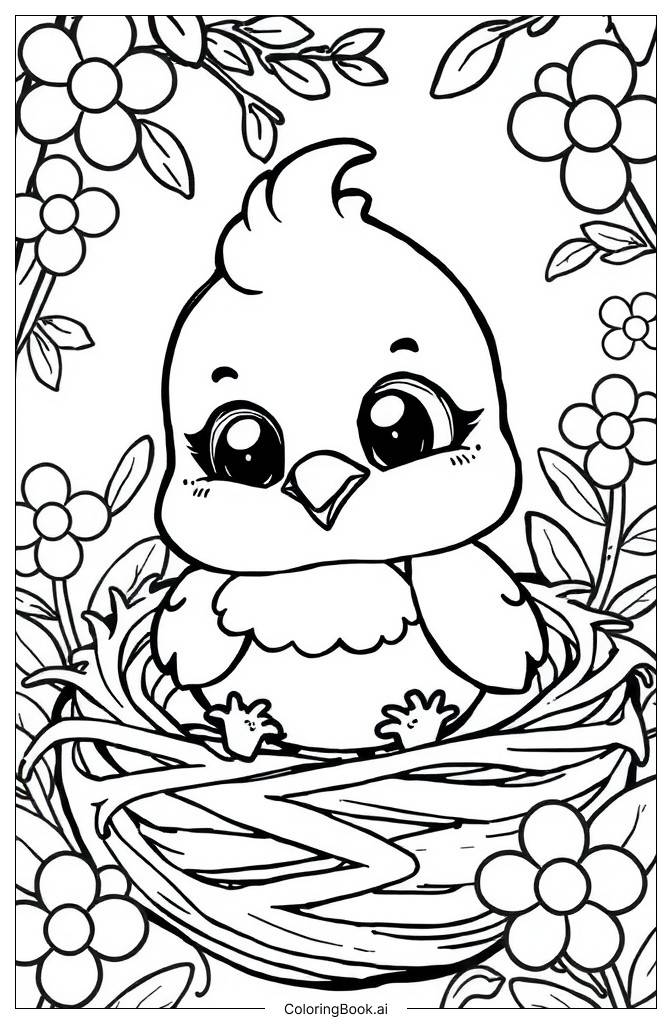
Try using soft yellow, light brown, or pastel orange for the Baby bird’s feathers to show how young and gentle it is. You can color the beak and legs a pale pink or orange shade. The branch and leaves can be done in shades of green and brown, giving the scene a natural feeling. Use light blue or white for the clouds and the sky in the background to keep the focus on the Baby bird. You might want to add subtle shading on the feathers to show fluffiness. Bright colors on the flowers can make them stand out and add cheerfulness to the picture. Encourage mixing light and soft colors to bring out the innocence of the Baby bird.
Coloring challenges: Which parts are difficult to color and need attention for Baby bird coloring page?
• Feather Texture: Creating the soft and fluffy look of the Baby bird’s feathers requires careful blending of colors and gentle strokes to avoid harsh lines. • Small Details: The tiny beak, eyes, and claws are small and need focus to color neatly without smudging adjacent areas. • Background Balance: Coloring the background softly, like the clouds and sky, is tricky because it must not overpower the Baby bird, which is the main subject. • Branch and Leaves: Realistically shading the branch and leaves involves multiple green and brown tones, which can be challenging to blend smoothly. • Flower Patterns: The delicate shapes of the flowers require steady hands to stay within lines and choose colors that complement the bird and background.
Benefits of coloring books: Advantages of drawing Baby bird coloring page
Coloring this Baby bird picture helps develop fine motor skills with its mix of small detailed areas and larger shapes. It encourages creativity as children experiment with soft colors and blending to show fluffiness and natural elements. The image also promotes patience and focus to stay within the lines on tiny parts like the beak and claws. Additionally, coloring nature scenes like this can boost appreciation for wildlife and the outdoors. For children aged 4 to 16, it offers a calming activity that combines skill practice with imaginative expression.