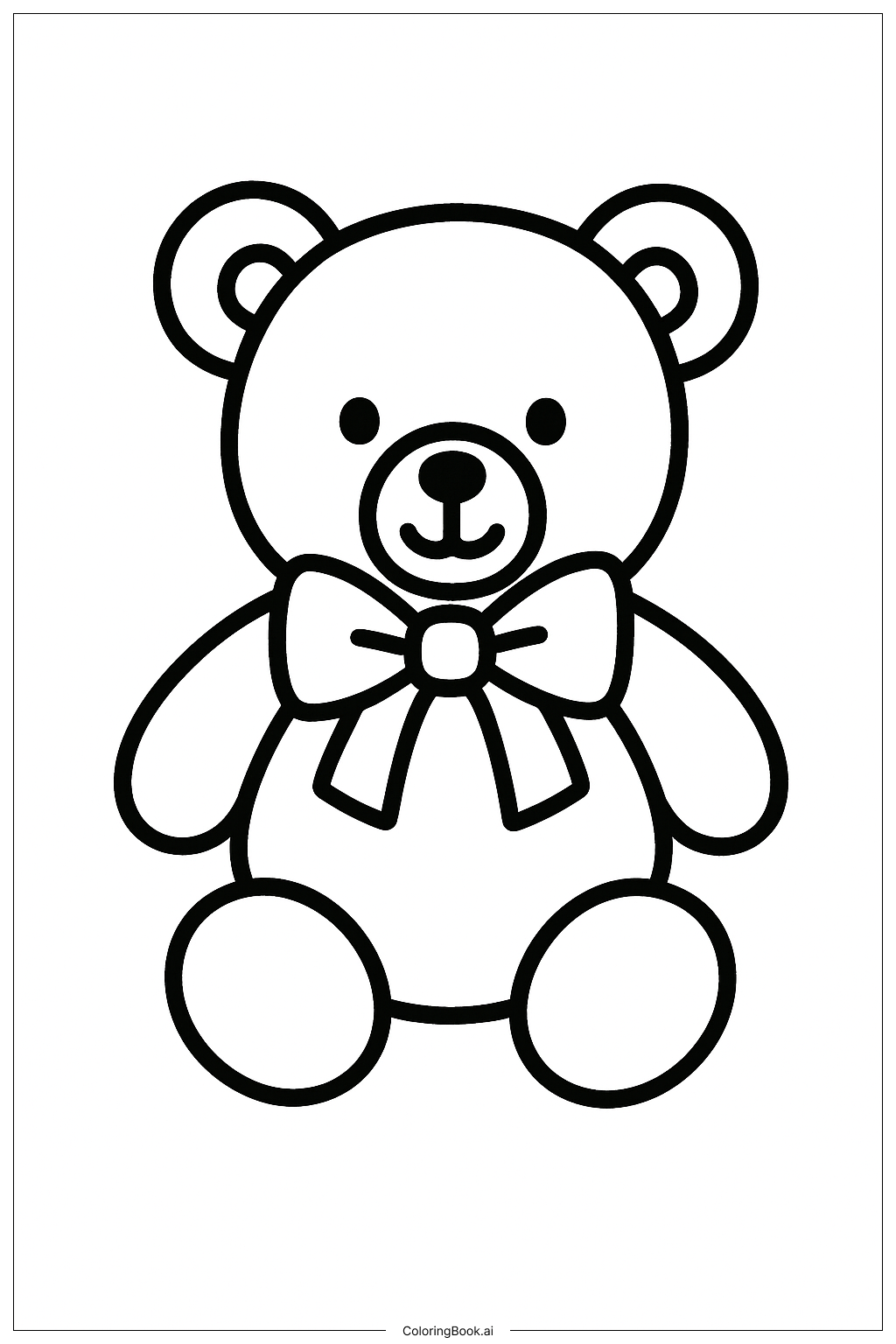
Coloring tips: How to color Best Friend Teddy coloring page well?
Start with the teddy bear's body using warm shades like light brown, tan, or golden beige to give it a soft, plush look. Use a slightly darker shade of brown on the edges and in the fur texture lines to add depth and dimension. The inner ears and the belly area can be colored a lighter cream or pale peach tone to make them stand out. Color the bow tie or ribbon in a bright, cheerful color like red, blue, or pink to give the bear a fun pop of personality. The eyes can be done in dark brown or black with a tiny white highlight dot to make them sparkle. For the background hearts or stars, try using warm colors like yellow, orange, or light purple to keep the overall mood happy and cheerful. Blend colors gently where fur lines appear to create a fluffy, realistic texture.
Coloring challenges: Which parts are difficult to color and need attention for Best Friend Teddy coloring page?
• Fur Texture Details: The teddy bear's body is covered in small lines that represent fluffy fur. Staying inside these tight lines while using colored pencils or thin markers can be tricky, especially for younger children. Take your time and use short, gentle strokes that follow the direction of the fur lines for a more realistic look.
• Smooth Color Blending: Achieving a smooth, even color across the bear's large rounded body without visible streaks or uneven patches can be challenging. Using multiple light layers of color and building up gradually works much better than pressing hard with one stroke.
• Small Decorative Features: Details like the bow tie, ribbon, or small facial features such as the nose and eyes are tiny and require careful, precise coloring. Using a fine-tipped marker or a very sharp colored pencil will help you stay within these small areas without going outside the lines.
• Creating Depth and Shadow: Making the bear look three-dimensional by adding darker tones to the sides and lighter tones to the center takes some practice. Without this shading, the bear can appear flat. Try using a darker brown in the shadow areas under the arms and around the lower body.
• Background Elements: Stars or hearts in the background may overlap with the bear's outline in some areas, making it hard to decide where one color ends and another begins. Planning your color choices for the background before you start will help avoid confusion and keep the image looking clean and organized.
Benefits of coloring books: Advantages of drawing Best Friend Teddy coloring page
Coloring this Best Friend Teddy page offers a wonderful range of benefits for children and even adults. Teddy bears are symbols of comfort, warmth, and friendship, so engaging with this image can bring a sense of calm and emotional security while coloring.
For young children, this page helps build fine motor skills as they practice holding crayons and staying within the lines. It also encourages color recognition and creative thinking as they choose their own color combinations for the bear and background.
For older kids and teens, the fur texture and shading opportunities make this a satisfying artistic challenge that builds patience and attention to detail. Experimenting with blending and layering colors can boost confidence in artistic abilities.
For adults, coloring this gentle, nostalgic image can be a mindful, stress-relieving activity. It brings back warm childhood memories and provides a quiet moment of focus away from daily pressures.
Most importantly, this image celebrates the idea of a best friend — someone loyal, loving, and always present. Coloring it can be a heartfelt creative activity to share with a friend or to give as a personalized gift, strengthening bonds and creating joyful memories together.