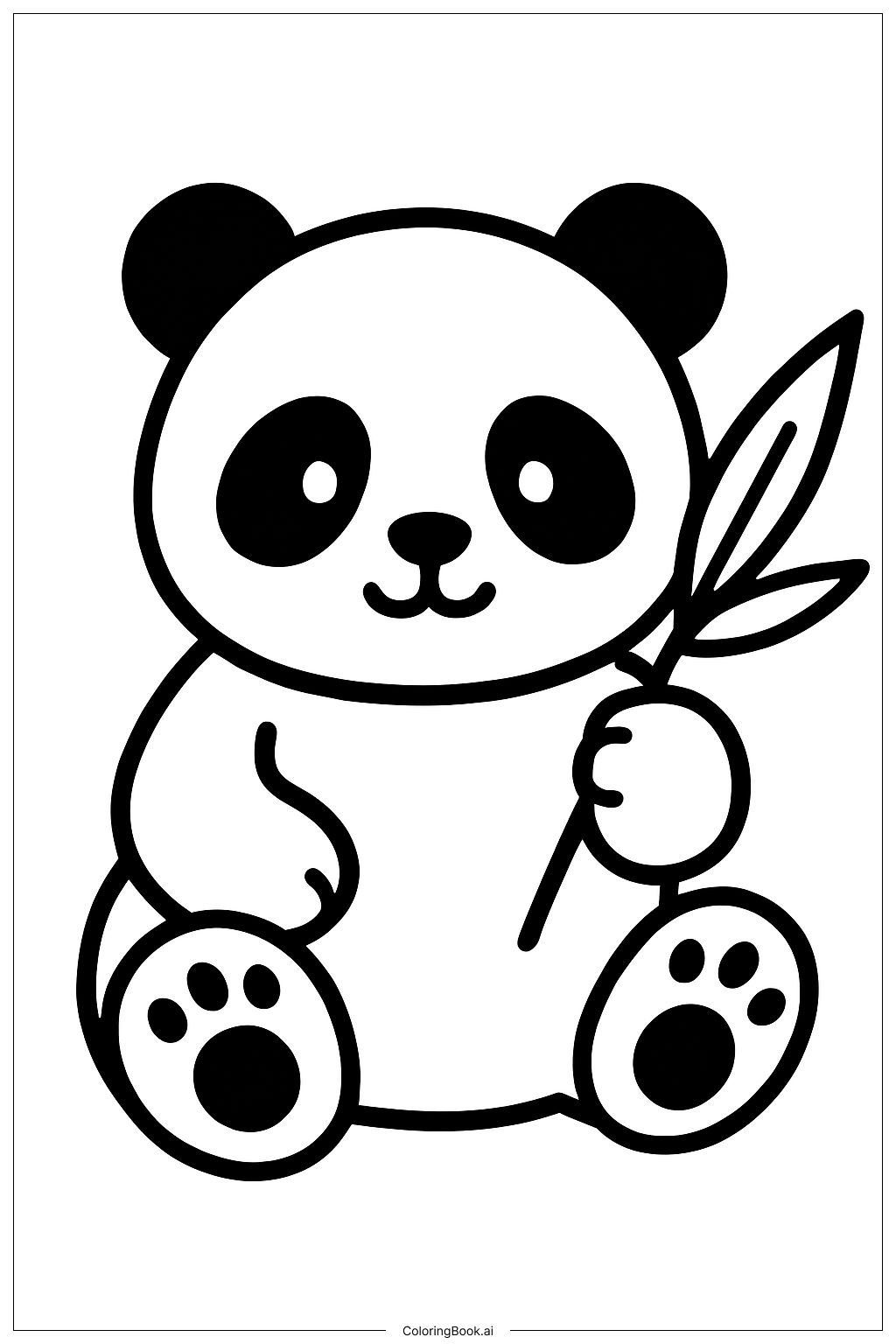
Coloring tips: How to color Best Friend Panda coloring page well?
Try using soft shades of black and white for the pandas to keep their classic look. You can add light gray shadows to make their fur look fluffy. Use different greens for the bamboo leaves to bring life to the background. Coloring the pandas’ cheeks with a soft pink can show their happiness and friendship warmth. For the background, use gentle pastel colors like light blue or soft yellow to keep the focus on the pandas while making the picture cheerful. Encourage kids to experiment with blending colors for the bamboo stalks and leaves to create a natural feel.
Coloring challenges: Which parts are difficult to color and need attention for Best Friend Panda coloring page?
• Panda Fur Texture: Coloring the fur of the pandas evenly while showing their fluffy texture can be tricky because it requires gentle shading to avoid looking flat or messy. • Facial Expressions: Keeping the cute and calm expressions requires careful coloring of eyes, cheeks, and small mouth shapes without smudging lines. • Bamboo Details: The thin bamboo leaves and stalks need steady coloring to stay within the lines, which challenges hand control for younger children. • Color Balance: Choosing the right balance between the black and white pandas and the green plants can be hard because too much dark coloring may overshadow the softer background. • Small Spaces: Some parts of the image have small spaces like around the leaves and panda paws, which require patience and precision to color neatly.
Benefits of coloring books: Advantages of drawing Best Friend Panda coloring page
Coloring this Best Friend Panda image helps children develop their fine motor skills by practicing steady and careful hand movements. It encourages creativity as they select colors and experiment with shading techniques. The theme of friendship makes the activity emotionally positive, promoting feelings of kindness and empathy. Coloring the details improves focus and patience, while the simple yet charming design is suitable for a wide age range, making it accessible and rewarding. Overall, it boosts confidence as kids see their unique artistic interpretation come to life on the page.